
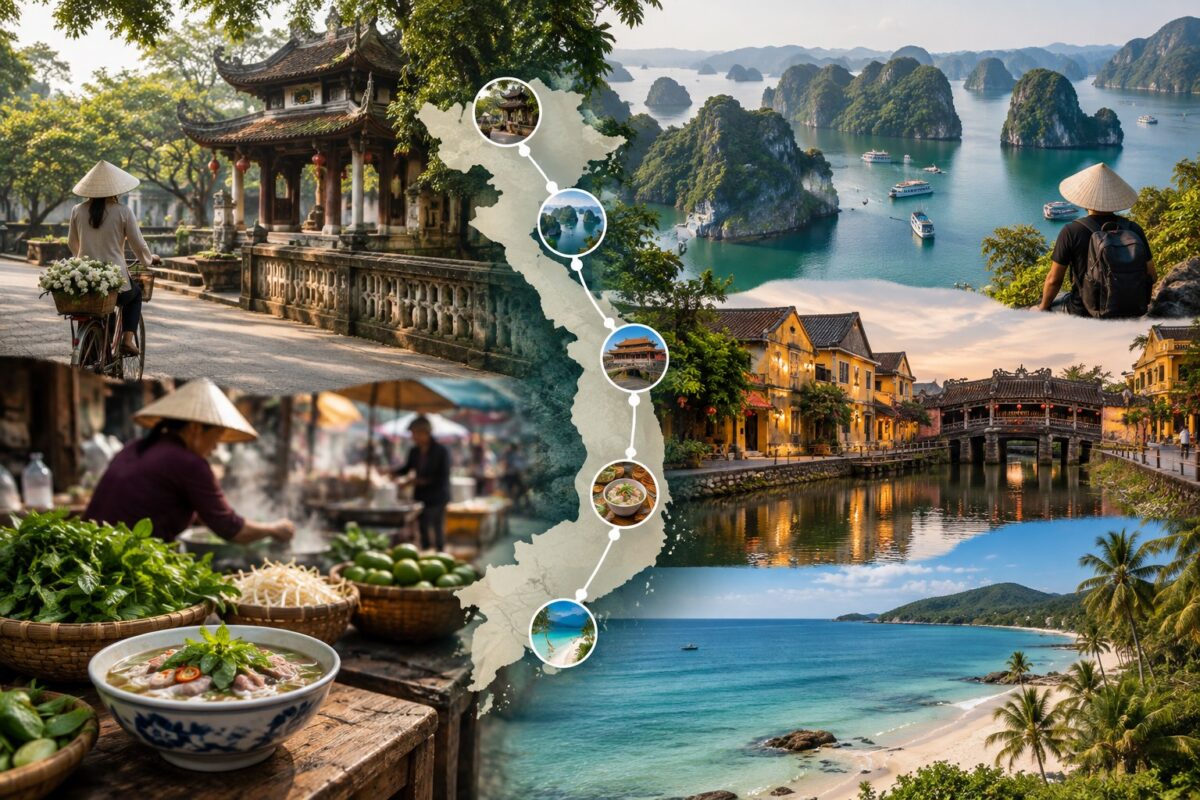
There is no useful way to reduce Vietnam to one list of “must-do” attractions. The better starting point is to decide what you want the trip to contain—culture, food, nature, city life, beaches or a mix—then choose experiences that fit the route and the amount of time you actually have. This guide is the decision hub: it helps you choose the activity layer first, then sends you to the more detailed destination and specialist guides when you need them.
Start with the experience, then choose the place
Two travellers can visit the same cities and need completely different itineraries. One may want museums, imperial history and heritage streets; another may care more about regional food and markets; a third may want trekking, caves or several slower beach days. The route should follow those priorities rather than trying to collect a standard set of attractions.
Culture and history
Use this layer when museums, religious sites, historic districts, imperial heritage, festivals or traditional arts are a main reason for the trip. The question is how much context you want and whether a guide or workshop adds enough value to justify the time.
Food and everyday life
Use meals, markets, cafés and cooking activities to understand regional differences without turning every day into a food tour. This works best when food experiences sit naturally inside the neighbourhoods already on the route.
Nature and active days
Trekking, caves, national parks, mountain roads and boat days need more attention to weather, transport and physical effort. Choose these activities early enough that the route can absorb their transfer time.
Cities and neighbourhoods
City time works best when there is enough space for museums, streets, markets, cafés and unplanned walking instead of moving from one ticketed sight to the next.
Beaches and slower coastal time
Beach days can be the centre of the holiday or simply a lower-movement finish after a cultural route. The right coast depends on the month, hotel base and extra transfer needed to reach it.
Choose the region by what you want to spend time doing
Vietnam’s regions offer different combinations of activities. This is not a ranking of North, Central and South; it is a way to reduce unnecessary movement by putting related experiences together.
Northern Vietnam
Hanoi is a practical base for urban history, food, neighbourhood life and traditional performances. From there, the route can move toward karst scenery in Ninh Binh or Ha Long/Lan Ha, or farther into mountain areas when trekking and highland landscapes are important. Keep the mountain or bay sector only when it deserves the transfer and the conditions suit the activity.
Central Vietnam
Hue, Da Nang and Hoi An can combine imperial history, merchant-town heritage, food, beaches and craft activities without requiring a flight between each stop. Phong Nha adds a different cave-and-nature layer but needs its own travel time, so it should not be treated as a casual day trip from the coast.
Southern Vietnam
Ho Chi Minh City provides museums, neighbourhoods, food and modern urban life. The Mekong Delta creates a separate river-and-rural route decision, while Phu Quoc is an island extension that works better when beach or resort time earns the additional flight and hotel change.
Culture: decide how much context you want
Cultural experiences become more useful when they answer a question about the place instead of appearing as isolated performances. In Hanoi, for example, a water puppet show can add context to traditional performance, but it does not need to be compulsory for every first visit. Religious sites are easier to understand when you know that practices and etiquette vary by place; our Vietnamese temples and pagodas guide carries that deeper decision.
If a festival is part of the reason for travelling, confirm the actual date and local programme before fixing the route. The Vietnamese festivals guide is the specialist owner for festival timing and context; this page only needs to help you decide whether a festival belongs in the trip at all.
Planning rule: give more time to the historical layer you genuinely care about. A traveller interested in imperial history may gain more from an extra night in Hue than from adding another city for one night.
Food: build it into the neighbourhoods already on your route
Vietnamese food changes by region, meal setting and venue, so one national “must-eat” list is rarely the most useful planning tool. Start with the cities on the route, then use food to add context to those stops.
The Vietnamese street food guide covers practical street-food choices, while Vietnamese coffee culture is a better next step when cafés and coffee traditions matter. A cooking class can make sense when ingredients and preparation are a genuine interest; compare the provider, group size, dietary handling and what participants actually do rather than booking one simply because it appears on a standard itinerary.
Food should support the route, not dictate constant cross-city travel. If dinner, a market and a café are all in the same neighbourhood you are already exploring, the experience usually costs less usable time than travelling across the city to collect named venues from a list.
Nature and adventure: count the transfer as part of the activity
Outdoor experiences often consume more of the day than the attraction itself. A trek may require an early road transfer; a cave visit can involve a separate base; a boat day can change with weather. That does not make these activities inefficient—it means the travel time should be part of the decision.
Trekking and mountain routes
If Sapa is on the route, choose the walking level and accommodation format before adding several village or mountain stops. Our Sapa trekking guide carries the detailed trekking decision.
Caves and national parks
Phong Nha needs a different route structure from a city attraction because the cave programme, transport and physical requirements vary. Use the Phong Nha cave guide for that choice, or compare broader nature options in our Vietnam national parks guide.
For any weather-sensitive activity, keep a land-based alternative rather than forcing the original plan when conditions are poor.
Beaches: choose the coast by trip role, not a national ranking
Vietnam’s coast works in several ways: city beach, resort base, island stay, heritage-plus-beach combination or a few slower days at the end of a longer itinerary. The first decision is the role of the beach; season and transfer time then eliminate options that do not fit.

Use Best Beaches in Vietnam: Which Coast Fits Your Trip? for the country-wide comparison. If Central Vietnam is already on the route, the Da Nang beaches guide compares the city coast and nearby extensions by hotel base and road movement. If the trip is island-led, the Phu Quoc beach guide narrows the decision to individual coasts and beach days.
A beach name is not a swimming guarantee. Sea state, wind, local warnings and boat operation can change by day, so keep detailed water-safety and operating decisions close to travel.
City time is more useful when it has breathing room
Hanoi, Ho Chi Minh City, Hoi An, Hue and Da Nang each reward a different balance of planned sights and unstructured time. A city day does not need four headline attractions to be worthwhile. One museum or heritage site, one neighbourhood block and enough time for food or cafés can produce a more coherent day than repeatedly crossing the city.
For Hanoi, the Hanoi Old Quarter guide helps with the historic centre and walking context. For broader city planning, use the destination guide for the actual base rather than turning this national page into a second destination guide.
How many experience layers fit the time you have?
The number of available days matters more than the number of activities on your shortlist. Every hotel change, airport transfer and long road sector reduces the time available for the experiences that justified the route.
| Available time | Useful activity approach | Main risk |
| Short trip | One main region with a small number of complementary experience layers | Spending too much of the trip changing cities |
| About a week | One or two connected regions, with one clear reason for each transfer | Adding distant highlights that leave only partial days in each base |
| Longer trip | More regional contrast, provided each base receives enough nights to justify the move | Confusing a longer calendar with unlimited usable sightseeing time |
For the actual day allocation and route sequence, move to the Vietnam itinerary guide. This page should help decide what belongs in the trip; the itinerary owner decides where it fits.
Book early only when the activity creates a hard constraint
Not every experience needs to be locked months ahead. Keep flexible activities flexible, and protect advance booking for the parts of the trip that can genuinely constrain the route.
- Limited-capacity experiences: specialist cave programmes, selected cruises, small-group activities or a specific guide may justify earlier confirmation.
- Weather-dependent activities: boat, snorkelling, beach or outdoor plans still need a close-to-date condition check even when the reservation is made earlier.
- Festival-led travel: confirm the event date first, then build accommodation and transport around it.
- Flexible city time: neighbourhood walks, cafés, many markets and self-guided city blocks can remain adjustable unless a particular ticket or venue requires a slot.
Use one anchor experience, then leave room around it
A practical day often has one fixed anchor and one or two flexible layers. A museum can anchor a city morning; the rest of the block can stay open for a neighbourhood, lunch and a nearby market. A boat trip can anchor a coastal day; do not automatically add a long evening transfer afterwards. A trek can anchor a mountain day; avoid treating the return drive as unused time.
This is where a local operator can add value without turning the article into a sales page: transport windows, opening times, route direction and fallback options affect whether an activity feels easy or rushed. The recommendation should follow those operational constraints, not a generic “must-do” label.
Move from interests to a route
Once you know the experiences that matter most, reduce the list to the ones that justify their place in the route. Choose the main bases, group nearby activities together, and leave enough time for the weather-sensitive or high-effort days to move if needed.
If you want those priorities turned into one connected route, compare our Vietnam Tour Packages as starting structures, then adapt the destinations, pace and activity mix around the trip you actually want.
Recommended Tours
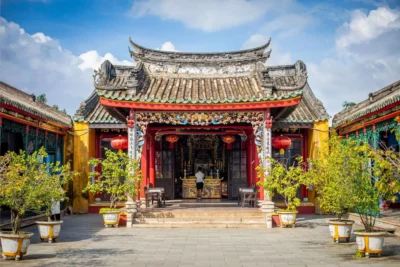

4D3N HIGHLIGHT OF MIDDLE OF VIETNAM (SEAT IN COACH)
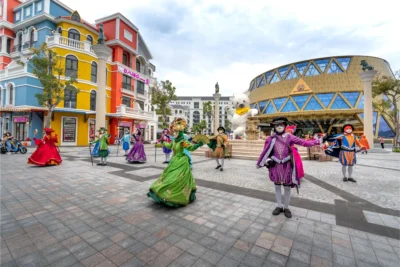

Private Tour
Phu Quoc - Sao Beach - Coconut Prison - Snorkeling - Souvernir Shopping


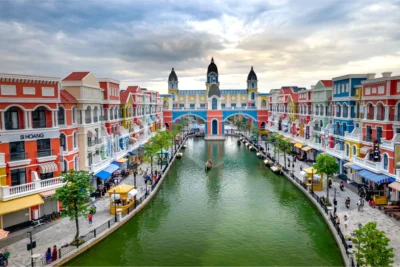


Private Tour
Phu Quoc - South Sightseeing - 4 Island Trip By Speed Boat - Vinpearl Safari - Vin Wonders

Private Tour
Danang – Cham Island – Hoian – Bana 5D4N
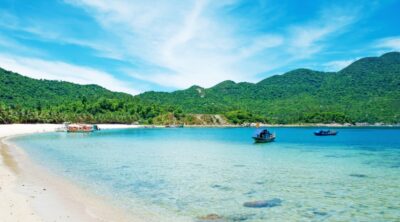
Da Nang - Cham Island - Hoi An Ancient Town - Bana Hills