Hanoi is easier to enjoy when the city is not packed into one continuous sightseeing loop. The Old Quarter, Hoan Kiem Lake, the Ho Chi Minh complex, Temple of Literature and West Lake all fit on the same map, but they work better as separate city zones. For a first visit, build each day around one part of Hanoi, then leave room for food, coffee and slower street-level time. For the historic core, use the Hanoi Old Quarter Guide.Hanoi is easier to plan when the historic core, French Quarter and western sights are treated as distinct city zones.
How many days do you need in Hanoi?
Time
What fits comfortably
What to avoid
1 day
Hoan Kiem + Old Quarter + one major history stop + a proper food break
Trying to cross the city repeatedly or add a distant day trip
2 days
Historic centre on one day, Ho Chi Minh complex / Temple of Literature / West Lake on the other
Turning both days into back-to-back attraction lists
3 days
Slower neighbourhood time, museums, food experiences or a short craft-village outing
Using Day 3 only to “catch up” on places missed because Days 1–2 were overloaded
Think of Hanoi as three useful zones
Hoan Kiem + Old Quarter
Walking, food, cafés, Ngoc Son and the historic street pattern. Best kept together rather than mixed with distant stops.
Ba Dinh + western heritage
Ho Chi Minh complex, Temple of Literature and museums. Treat this as a separate half- or full-day zone.
West Lake + slower Hanoi
Useful for a lighter day, cafés, Tran Quoc and extra time when you do not want another dense sightseeing block.
Hanoi at a glance
Hanoi works as the main anchor for many first Northern Vietnam itineraries because the city itself deserves time and because the main road and cruise routes radiate from here. The historic centre around Hoan Kiem and the Old Quarter is compact, but the city becomes much less “walkable” once you add West Lake, the Ho Chi Minh complex or museums on the western side.For most first visits, two full days gives the city enough room to breathe. Keep one day around Hoan Kiem, the Old Quarter and a major history stop, then use the second for the western side of the city or a slower food-and-neighbourhood day. A third day makes sense when museums, food experiences or a craft-village outing matter more than rushing on to the next destination.
Best time to visit Hanoi: walking weather, heat and rain
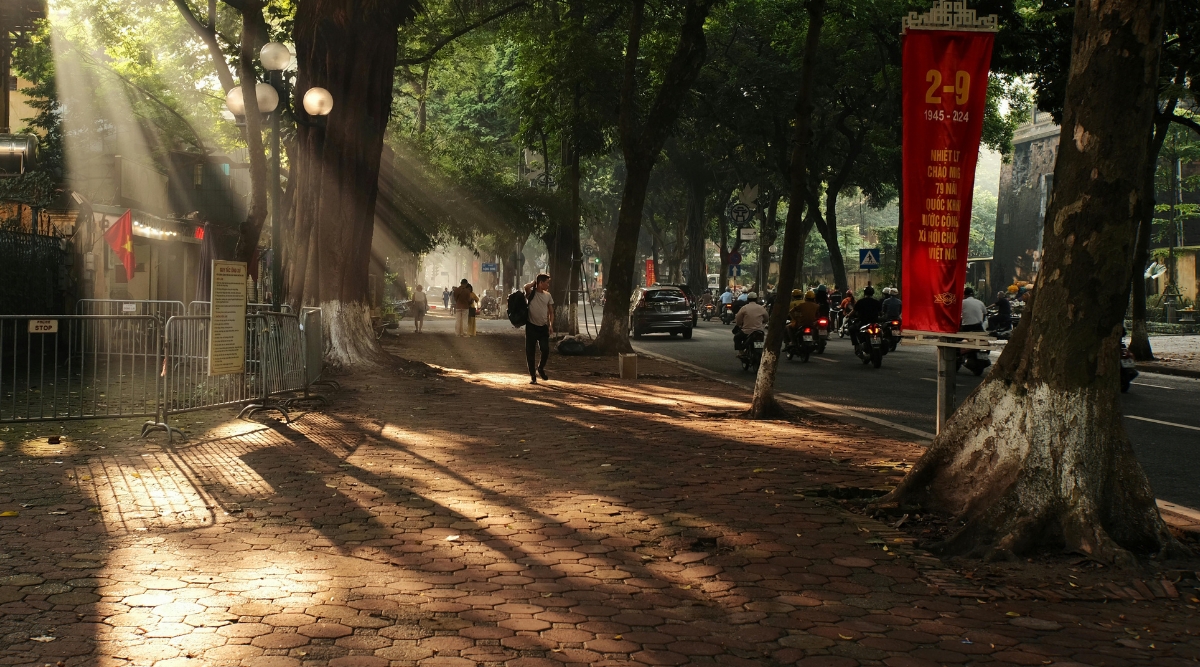
Hanoi changes noticeably through the year, so the useful question is how much outdoor walking your itinerary can absorb. Cooler periods can make long city walks easier; hotter or wetter periods need earlier starts, more shade and a flexible indoor alternative.Do not choose a Hanoi date from one “best month” label. Check the forecast close to travel, and if the visit overlaps Tet or another major holiday, verify attraction hours, restaurant availability and transport demand before fixing a dense sightseeing day.The beauty of Hanoi streetIf walking weather is your main priority, autumn is often comfortable, but visibility, rain and temperature still vary from year to year. Use the actual forecast close to travel to decide whether a walking-heavy day should stay as planned or shift toward museums, food stops and shorter outdoor sections.
Cooler months: Bring layers and check the forecast before long outdoor days; temperature and dampness can change how comfortable walking feels.
Hotter, wetter months: Plan exposed walking earlier or later in the day and keep museums, cafés or shorter neighbourhood blocks available if heavy rain develops.
Tet period: Opening hours, transport demand and restaurant availability can change around the holiday. Confirm the specific places you need rather than assuming the city operates on a normal schedule.
Where to stay in Hanoi?
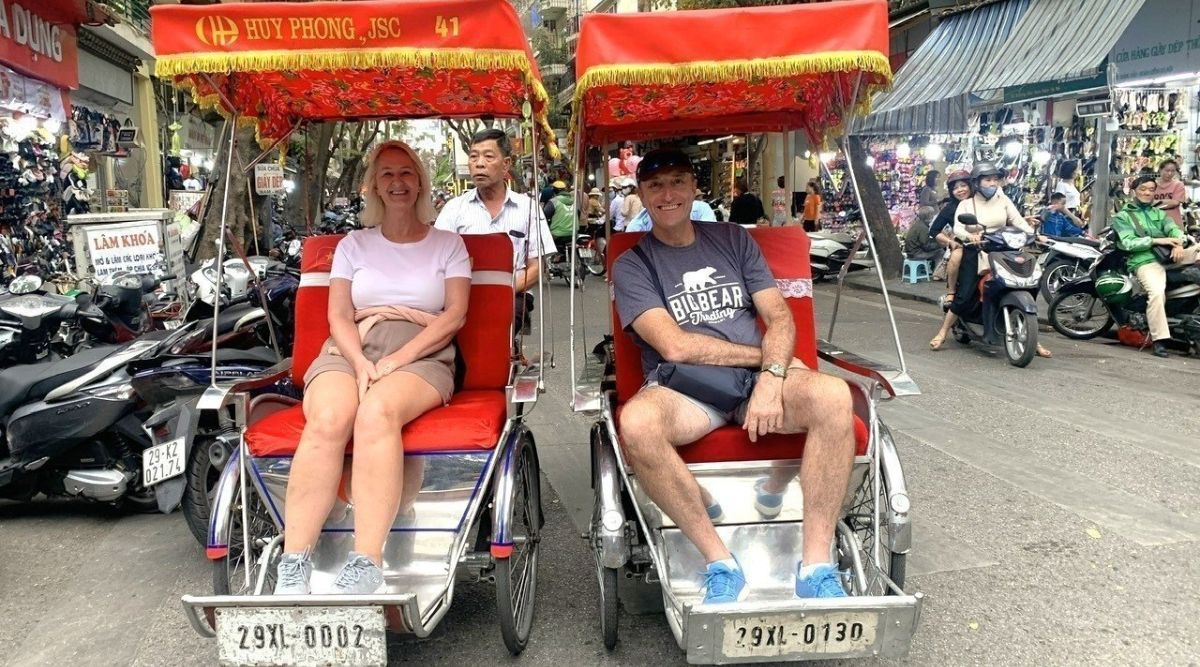
Where you stay changes how Hanoi feels. For a first visit, choose the area by what you want to do after breakfast and how much traffic you are willing to deal with at the start and end of the day.Explore Old Quarter by cycloThe practical choice is how much walking access you want versus how much quiet you want around the hotel. Compare the areas by daily logistics rather than by traveller labels:
Area
Main advantage
Trade-off
Old Quarter
Walkable access to food, Hoan Kiem and the historic street network
Busier streets and more evening noise in some blocks
French Quarter
Central access with wider streets and proximity to civic and cultural sights
Less of the dense Old Quarter street atmosphere
Ba Dinh
Convenient for the Ho Chi Minh complex, museums and western heritage sights
Less convenient for Old Quarter evenings on foot
West Lake
More space and a slower hotel base around the lake
More vehicle time for many first-visit central sights
For most first-time guests, the Hoan Kiem and Old Quarter area keeps walking, food and evening sightseeing simple, but it can also be noisy and busy. The French Quarter suits travellers who want a little more space while staying close to central sights; Ba Dinh works better for history-focused days; West Lake makes more sense when a quieter hotel base matters more than walking to the Old Quarter.
Which Hanoi sights are worth grouping into the same day?
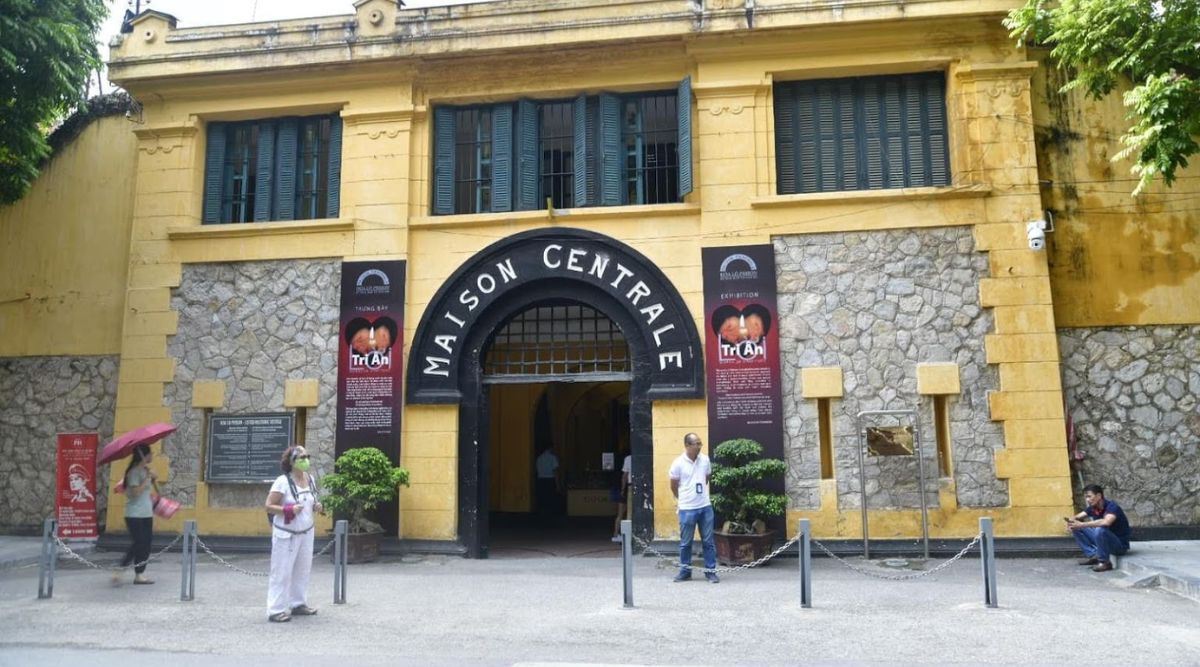
Hanoi’s major sights make more sense when they are grouped by area and historical theme. Keep Hoan Kiem and the Old Quarter together, and treat the Ba Dinh–Temple of Literature side as a separate block so the day is not lost to repeated cross-city transfers.Hoa Lo PrisonHanoi’s major sights make more sense when they are grouped by area rather than treated as a checklist. Hoan Kiem and the Old Quarter belong naturally together; the Ho Chi Minh complex and Temple of Literature fit better into a western-side day. Group the city this way before deciding which individual landmarks matter most to you:
Hoan Kiem Lake and Ngoc Son Temple: The “Lake of the Restored Sword” is the emotional center of the city. Cross the iconic red Huc Bridge to visit the temple on the island.
Hanoi Old Quarter: The historic trading quarter preserves a dense street network shaped by long-running craft and merchant activity. Some street names still reflect older trades, but today’s businesses are much more mixed, so use the area for walking, food and urban history rather than expecting each street to represent one guild.
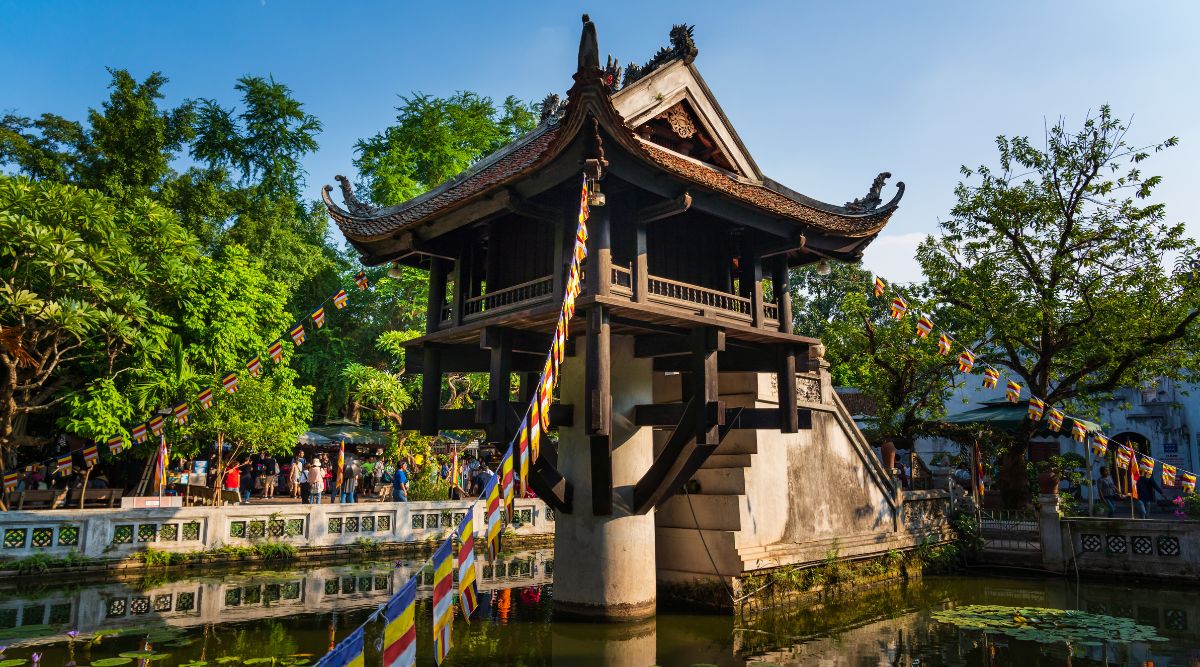
Ho Chi Minh complex: The wider Ba Dinh heritage area includes the mausoleum, Ho Chi Minh’s stilt house and the One Pillar Pagoda. Treat opening arrangements and access rules as current-day checks rather than assuming every site in the complex follows the same schedule.
Temple of Literature (Văn Miếu): The temple was founded in 1070, and the Imperial Academy was established there in 1076. It fits naturally into a western-side heritage day with Ba Dinh or nearby museums.
Hoa Lo Prison Museum: Known as the “Hanoi Hilton” by American POWs, this site offers a somber look at both French colonial brutality and the Vietnam War era.
St. Joseph’s Cathedral: A major Catholic landmark near the Old Quarter that can fit naturally into a Hoan Kiem walking route. Interior access can depend on services and current opening arrangements, so check locally if entering the cathedral matters to your visit.
Top things to do in Hanoi
Beyond the major sights, Hanoi works best when the itinerary leaves room for food, neighbourhood walks and one or two cultural experiences. A street-food walk can help connect dishes with the streets where they are commonly eaten, while a water-puppet performance adds a different cultural layer. Train Street should remain conditional because access rules can change. For those with extra time, a day trip to the Bat Trang Ceramics Village offers a hands-on cultural experience.Traditional water puppet performance in HanoiIf you want to add activities beyond sightseeing, choose them by pace and location rather than trying to fit every experience into the same day:
Join a street food walk: A guide can help explain how dishes, neighbourhoods and meal times fit together, especially when you want to try several foods without crossing the city repeatedly.
Treat Train Street as a conditional stop: This is an active railway corridor and access has been restricted repeatedly for safety reasons. Do not plan on standing on the tracks or assume a café invitation makes every section officially open. If this experience matters to you, check the current local restrictions when you are in Hanoi and use only a permitted viewing area.
Thang Long Water Puppet Theatre: Water puppetry developed in the Red River Delta and can add a traditional-performance layer to a Hanoi stay. Check the current programme and show times rather than building the evening around a fixed duration.
Guided bike or scooter-based tours: These can reduce walking and cover a wider area, but check the operator, vehicle type, helmet provision and route before booking. Traffic comfort matters more than trying to cover extra neighbourhoods simply because a vehicle is available.
Top things to eat in Hanoi
Food is one of the easiest ways to understand Hanoi because meals are woven into the rhythm of the day. Do not chase every famous address. Start with a few dishes that belong naturally to the city, then leave room for a meal that fits the neighbourhood and the day you are already having.
Pho (beef or chicken): Hanoi-style pho is usually lighter and more restrained than many southern versions. Choose a busy specialist shop rather than assuming one famous address is always the right stop.
Bun Cha: Grilled pork patties and slices served with rice noodles, herbs and dipping sauce. Portion size, sweetness and herb mix vary by shop.
Cha Ca: Turmeric-marinated fish cooked with dill and served with noodles, herbs and condiments. Preparation varies by restaurant.
Egg coffee (cà phê trứng): Coffee topped with a rich egg-and-condensed-milk mixture. Sweetness and texture vary by café.
Banh Mi: While the South is famous for its large baguettes, the Hanoi style is often simpler, focusing on high-quality pâté and fresh coriander.
Practical tips for getting around Hanoi
Hanoi traffic can feel confusing on a first visit, especially around the Old Quarter and larger intersections. Group city days by area so you do not have to cross town repeatedly, and use app-based or pre-arranged transport when walking is no longer the sensible option.For short city transfers, app-based cars or licensed taxis are usually easier than negotiating a fare on the street. Availability changes by time and area, so keep more than one option on your phone and confirm the pickup point before the car arrives:
Grab / Be: Useful for app-based car or motorbike bookings when service is available in your pickup area.
Xanh SM: Another app-based option for car transfers around Hanoi. Compare the pickup time and fare shown in the app rather than assuming one service is always faster.
For street crossings, use traffic lights, marked crossings or pedestrian bridges where they are available. Around the Old Quarter, wait for a clear gap and cross predictably rather than stepping into fast-moving traffic. If an intersection feels uncomfortable, walk to the next controlled crossing instead of forcing the shortest route.
Etiquette at Hanoi temples, memorials and markets
Hanoi mixes active neighbourhood streets with religious, historical and memorial sites, so the useful etiquette depends on where you are.Dress more conservatively for temples and places of worship, follow posted photography or footwear rules, and keep a quieter tone at memorial and war-related sites. In markets, some prices are negotiable and others are fixed, so look for signs and ask politely when you are unsure:
Temple attire: Carry clothing that covers shoulders and knees when religious sites are part of the day; do not rely on every site having cover-ups available.
Footwear: Remove shoes where the host, temple or posted rules request it. Do not assume the same footwear rule applies to every home, shop or religious space.
Bargaining: Some market stalls negotiate while fixed-price shops, cafés and restaurants generally do not. Ask the price first, keep the exchange polite and walk away if the price does not work for you.
How to spend 1–3 days in Hanoi
One Pillar PagodaWith three days, spread Hanoi across different parts of the city instead of repeating long cross-town transfers. One day can stay around Hoan Kiem and the Old Quarter, another can focus on Ba Dinh and the western historical sites, and the third can be used for West Lake, museums, food or a slower neighbourhood day:
Day 1: Hoan Kiem and the Old Quarter: Keep the day around the historic core so walking, food and one cultural stop fit together naturally. Use the evening for the Old Quarter, a water-puppet performance or a quieter meal according to your pace rather than treating nightlife as compulsory.
Day 2: Ba Dinh and the western heritage sights: Use the day for the Ho Chi Minh complex, Temple of Literature and one additional museum or historical stop that genuinely interests you. Keep the evening flexible near the hotel instead of adding another cross-city transfer just to complete a fixed list.
Day 3 (slower Hanoi): Use the day for West Lake, a museum, a food experience or a craft-village outing depending on your interests and the time you still have before the next transfer.
Where Hanoi fits in a wider Northern Vietnam route
Hanoi works best as the anchor rather than a one-night transit stop. If Ninh Binh is the next stop, give Hanoi a proper first day and leave the next morning rather than squeezing the city between airport and road transfers.
If Ha Long Bay follows instead, protect the cruise transfer window rather than using central Hanoi as a rushed stop between the airport and the port.
For most first trips, two nights in Hanoi gives the itinerary a much better rhythm. Add a third night if food, museums or neighbourhood time matter to you.
How Hanoi connects to the main Northern Vietnam stops