

Choose Northern Vietnam by travel rhythm
| Route style | Good starting point | What it feels like |
| Easy first trip | Hanoi + Ninh Binh + Ha Long Bay | Shorter road links, fewer mountain days, easy to build into 5–7 days |
| Mountain scenery | Hanoi + Sapa | Longer transfer, cooler climate, more walking or village time |
| Road-trip focus | Hanoi + Ha Giang | Road time becomes part of the experience; allow several mountain days |
| Rural terrace stay | Hanoi + Pu Luong | Village-based lodge time, rice terraces and light-to-moderate walking with a slower pace |
| Seasonal terrace route | Hanoi + Mu Cang Chai | Worth the longer road journey when terrace scenery and photography are a main priority |
| Broader 9–12 day North | Combine 3–4 stops selectively | Works best when you avoid backtracking and do not stack Ha Giang + Sapa + Ha Long into a rushed week |
Why Northern Vietnam?
Northern Vietnam combines a compact city-and-delta core with much slower mountain extensions. Hanoi, Ninh Binh and Ha Long Bay can be linked efficiently, while Sapa, Ha Giang, Ba Be and Ban Gioc each add substantial road time and a different landscape or cultural context.For first-time itineraries, the useful advantage of the North is variety within one broad region: urban Hanoi, limestone landscapes, bay cruising and mountain routes. The trade-off is that the mountain sections are not close substitutes for one another, and transfer time grows quickly once Sapa or Ha Giang is added.Ba Be and Ban Gioc can add lake, waterfall and rural scenery to a northern route, but both need deliberate road time and work better as extensions than quick add-ons. A good Northern Vietnam itinerary therefore starts with the number of nights available, then chooses one or two slower landscape sections instead of trying to cover every well-known stop.Overview of top destinations in Northern Vietnam
From Hanoi, the north looks compact on a map, but the road time changes the feel of the trip completely. Hanoi–Ninh Binh–Halong Bay is a relatively easy combination. Add Sapa and you introduce a longer mountain transfer. Add Ha Giang and the road journey itself becomes a major part of the experience.With one week in Northern Vietnam, resist the temptation to include everything. Hanoi, Ninh Binh and an overnight bay cruise suit travellers who want a compact first route, while Sapa or Ha Giang make more sense when mountain time matters more than the coast. The better route is the one that leaves enough time to enjoy each place after you arrive, not the one with the longest destination list.Hanoi – The cultural and culinary heart
 Hanoi is the main city and transport anchor for most Northern Vietnam routes. The practical role is simple: protect enough city time before the trip branches toward Ninh Binh, Ha Long Bay or the mountain routes.For a first visit, use the historic centre for walking, food and evening time, then add one or two history or museum stops according to interest. The Old Quarter is especially useful because meals, cafés, markets and heritage streets can be combined without crossing the city repeatedly.The Old Quarter is a useful starting point, but it should not consume the whole stay. Hoan Kiem Lake, the Temple of Literature, the Ho Chi Minh complex, Hoa Lo Prison and West Lake sit in different zones, so group them by area rather than following one fixed sightseeing list. Weather should shape the day instead of defining one universal “best window.”
Ha Long Bay and Ha Long Bay Cruises

Sapa – Rice terraces, trekking and mountain villages
 Perched in the Hoang Lien Son mountain range, Sapa works best for travellers who genuinely want mountain time rather than just another stop after Hanoi. The long transfer changes the pace of the itinerary, so we usually give it at least two nights instead of treating it as a quick add-on.Sapa combines terrace landscapes, Muong Hoa Valley walks, Fansipan and village-based stays, but these experiences use the destination differently. If trekking is one of the main reasons for going, use the dedicated Sapa trekking guide to compare named routes, difficulty, guides and homestay formats. Fansipan is more weather-sensitive than the town itself; homestays vary from family-run rooms to guesthouse-style operations, so confirm the actual format before booking.Season changes what Sapa looks like, but no single month fits every traveller. Terrace colour depends on the agricultural cycle, while fog, rain and visibility can affect trekking and Fansipan on much shorter notice. Choose between Sapa town, a valley stay or a homestay by the route and comfort level you want rather than treating one accommodation style as the more “real” experience.
Ninh Binh – Rivers, karst scenery and countryside stays
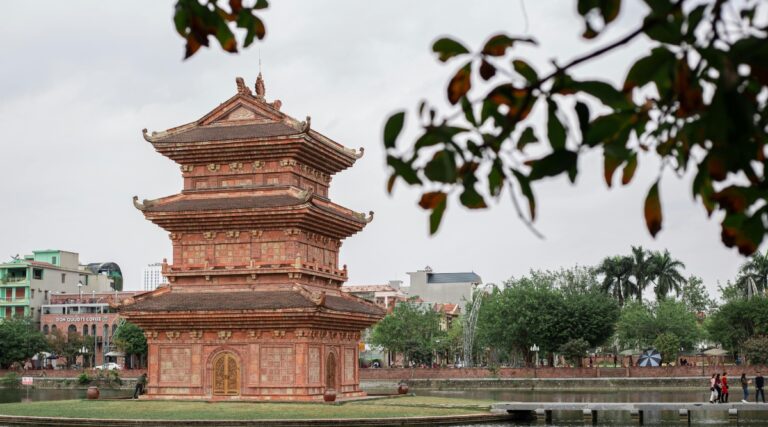 Ninh Binh is one of the easiest Northern Vietnam stops to combine with Hanoi because the transfer is relatively short. The main planning decision is whether you use it as a long day trip or stay overnight so Trang An/Tam Coc and Mua Cave do not all compete for the same few hours.Ninh Binh uses limestone scenery very differently from Ha Long Bay. Trang An and Tam Coc are small-boat river routes through karst landscapes, while the surrounding countryside adds cycling, temples and viewpoints.Trang An is the more structured UNESCO-listed boat route, while Tam Coc offers a different river-and-rice-field setting. Mua Cave adds a steep stair climb to a high viewpoint over the Ngo Dong River, so include it only when the traveller is comfortable with the climb and the weather suits an exposed viewpoint. Rice-field colour changes through the agricultural season, so do not plan the whole visit around one fixed month.
Ha Giang – Mountain loop and longer road travel

Mai Chau – Valley serenity and cycling
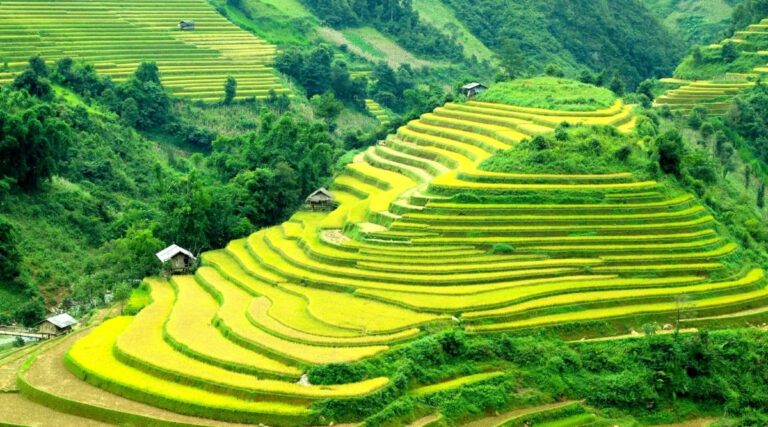 Mai Chau offers a gentler valley-based route than Ha Giang. Cycling, village stays and shorter road movements can make it easier to fit into a slower family or couple itinerary.Mai Chau can suit families and couples who want countryside time without a multi-day mountain circuit. Cycling routes, village walks and local workshops vary by base and operator, so choose the activity mix around mobility, weather and how much time you want outside the hotel.A Mai Chau stay can combine cycling or walking with a village-based hotel or homestay, but the exact route should follow the traveller’s comfort and current weather. Local meals such as cơm lam can add regional context without turning the visit into a fixed cultural-performance checklist.
Pu Luong – Rice terraces, village stays and slower walking
Pu Luong works best when you want a rural mountain stay without building the whole trip around a long road loop. Rice terraces, village-based lodges, waterfalls and walking routes make it a useful two- or three-night countryside chapter between Hanoi, Mai Chau and Ninh Binh when the transfer sequence fits.The main decision is not whether Pu Luong is “better than Sapa”. The two places use the trip differently. Pu Luong suits a lodge-based stay with shorter village or terrace walks; Sapa has a larger tourism base, higher-elevation scenery and a broader trekking network. Use the Pu Luong guide for base selection, walking difficulty and onward connections rather than adding it as a token one-night stop.Mu Cang Chai – Terraces worth the road time when the season matters
Mu Cang Chai is a more seasonal choice than most places on this list. The road journey is longer than a simple Hanoi countryside break, so it makes the most sense when rice terraces, mountain photography or a slower northwest route are central to the trip rather than an extra stop added between unrelated destinations.Terrace colour changes with the farming cycle and weather, so avoid treating one calendar week as guaranteed “golden season”. Build enough flexibility into the route to enjoy viewpoints, village roads and short walks even when the fields do not match a perfect promotional image. If cultural context matters, the ethnic groups in Northern Vietnam guide gives a better frame for understanding the communities you may encounter without reducing the area to costume or photography stops.Ba Be Lake and Ba Be National park
Ba Be is a slower lake-and-national-park extension for travellers who are willing to spend more road time beyond the main Hanoi–Ninh Binh–Ha Long circuit.Choose Ba Be when lake scenery, forest time and a quieter rural stay matter more than adding another major city or mountain loop. Boat routes, trails and waterfall access depend on local conditions, so confirm the current programme and weather before fixing the day.Boat time, cave stops and village accommodation can be combined, but the exact programme varies with conditions and the chosen base. Treat a homestay as accommodation and an opportunity for respectful interaction, not as a promise of an unchanged or staged version of local life.Cao Bang and Ban Gioc waterfall
Cao Bang is a long-road extension in the far northeast near the Chinese border. It works best when Ban Gioc, karst scenery and the wider Cao Bang route are important enough to justify the extra transfer time.Ban Gioc Waterfall is the main draw, while Pac Bo and Nguom Ngao Cave can add historical and karst context when the itinerary has enough time. Treat them as parts of a multi-day northeast route rather than as quick additions from Hanoi.Waterfall appearance, river level, visibility and road conditions vary with recent weather. If photography or water volume is important, check current conditions close to the trip rather than relying on a fixed month rule.Cat Ba Island and Cat Ba National Park
 Cat Ba can work as an island base for travellers who want Lan Ha Bay plus a national-park layer rather than a cruise-only stay.Hiking, kayaking and bay trips can all fit a Cat Ba stay, but the useful mix depends on weather, trail access, boat operation and the traveller’s activity level. Compare it with an overnight cruise by the kind of days you want, not by assuming one format is inherently better.Cat Ba National Park is important habitat for the critically endangered Cat Ba langur. Wildlife sightings are not guaranteed, so the park should be planned around conservation, landscape and hiking rather than a promised animal encounter. Trail, beach and boat choices should follow current weather and access conditions.
How to plan a Northern Vietnam trip?
Northern Vietnam is easiest to plan by road time rather than straight-line distance. Hanoi, Ninh Binh and Ha Long Bay form the compact core; Sapa and Ha Giang add much longer mountain transfers; Ba Be and Cao Bang belong in a separate northeast extension.With about 7–10 days, choose the compact core plus one mountain section rather than trying to cover every northern highlight. The North Vietnam 7–10 day itinerary compares those route shapes in more detail. With 10–14 days, a longer mountain or northeast route becomes more realistic, but the order should follow actual transfer times, road conditions and the traveller’s tolerance for consecutive driving days.| Time available | A route shape that usually works | What to avoid |
|---|---|---|
| 4–5 days | Hanoi plus one compact branch such as Ninh Binh or Ha Long Bay, or one dedicated mountain stay if that is the whole priority. | Trying to combine coast, terraces and a remote road loop in the same short trip. |
| 6–8 days | Hanoi + two connected stops, or the compact Hanoi–Ninh Binh–Ha Long route with enough time to stay overnight. | Adding both Sapa and Ha Giang simply because both are famous mountain names. |
| 9–12 days | Three or four stops can work when the sequence reduces backtracking; one slower mountain or countryside section fits more comfortably. | Stacking every northern highlight into consecutive transfer days. |
| 13+ days | A northeast extension such as Ba Be/Cao Bang, or a deeper northwest route through places such as Sapa, Mu Cang Chai, Mai Chau or Pu Luong becomes easier to justify. | Keeping remote stops that add road time but do not match the trip’s main interests. |
Choose fewer Northern Vietnam stops and give them enough time
The strongest routes are not always the ones with the most pins on the map. If your trip starts and ends in Hanoi, a proper night in Ninh Binh or a less rushed mountain stay usually adds more value than another destination squeezed in just to make the itinerary look bigger.To compare the North with the rest of the country, return to the Vietnam Destinations planning hub.If you want help turning your available days into that kind of route, see our Vietnam Tour Packages.
Recommended Tours


5D4N DELIGHT DANANG TOUR (DANANG – BA NA HILL FRENCH VILLAGE – HOI AN – HUE CITY) (SEAT IN COACH)
HotelCruiseFlightsTour
from


Group Tour
Phu Quoc Island 4 Days 3 Nights Group Tour
HotelFlightsTour
Phu Quoc Arrival - Grand World Tour - VinWonders Phu Quoc - Duong Dong Night Market - Sun World Hon Thom - Kiss Bridge - Phu Quoc Departure
3 Nights 4 Days from

Private
Phu Quoc 5D4N With Grand World
HotelTour
Phu Quoc - Grand World - Hon Thom Cable Car - 4 Island Tour - Aquatopia Water Park - Vin Wonders Theme Park - Vin Safari - Kiss Of The Sea Show
5 Days 4 Nights from

4D3N HIGHLIGHT OF MIDDLE OF VIETNAM (SEAT IN COACH)
HotelCruiseFlightsTour
from


4 Days 3 Nights from

Private Tour
Vietnam And Cambodia Discovery 18D17N
HotelCruiseFlightsTour
Hanoi - Ha Giang (The Far North) - Halong Bay - Hoi An - Hue - Ho Chi Minh City - Mekong Delta - Siem Reap (Angkor)
18 Days 17 Nights from