

How the main Central Vietnam destinations fit together
| Route | Useful time | Why it works | Planning note |
| Da Nang + Hoi An | 3–5 nights | Airport, beach, heritage and food with short road links | Often works with one hotel base if you want fewer moves. |
| Hue + Da Nang + Hoi An | 5–7 nights | Imperial history + coast + Ancient Town | Use Hai Van Pass as part of the transfer instead of a separate sightseeing day. |
| Core + Phong Nha | 6–8 nights | Heritage core + caves and national-park time | Phong Nha needs its own transfer and activity day; do not treat it as a quick Da Nang side trip. |
| Quy Nhon + Phu Yen | 4–7 nights | Quieter coastal corridor with city, peninsula, Cham heritage and longer road-trip days | Give the two destinations different jobs: Quy Nhon for city/peninsula/Cham; Phu Yen for north–south coastal road days. |
| Nha Trang + Da Lat | 4–6 nights | City-beach or resort coast paired with a cooler highland stay | Protect the coast-to-highlands transfer and avoid scheduling full sightseeing programmes at both ends of the same travel day. |
Why Central Vietnam?
Central Vietnam is useful because several very different experiences sit within manageable travel distances: imperial Hue, beach-and-city Da Nang, heritage-focused Hoi An, and farther south the Nha Trang–Da Lat pairing. The region can therefore be a compact standalone trip or the middle section of a longer north-to-south itinerary.A common planning mistake is assuming every Central Vietnam stop needs a separate hotel. In many cases, one Da Nang or Hoi An base is enough for part of the route; Hue deserves a separate stay when its history matters, while Nha Trang and Da Lat require a bigger commitment of time.Overview of top destinations in Central Vietnam
The main Central Vietnam stops solve different trip needs. Hue, Da Nang and Hoi An form the compact heritage-and-coast core; Phong Nha adds caves and national-park time; Nha Trang and Da Lat extend the journey farther south for a coast-and-highlands pairing; Quy Nhon and Phu Yen suit travellers who want a quieter coastal section. Use the list below to decide which role each stop should play rather than treating every place as compulsory.- Hue: Former imperial capital; use it when heritage depth deserves its own stay.
- Da Nang: Beach-city and transport base for the compact central core.
- Hoi An: Ancient Town, food, tailoring and slower evening time.
- Phong Nha: Cave and national-park extension that needs its own transfer and activity plan.
- Nha Trang: City-beach base with resort and water-activity options.
- Da Lat: Highland contrast with cafés, countryside and outdoor days.
- Quy Nhon / Phu Yen: Longer coastal extension for travellers willing to allocate the extra road time.
- My Son Sanctuary: The Champa ruins, best for religious history and photography.
South-central coast and highlands: do not treat it as one base
City base + Phuong Mai peninsula
Longer north–south coastal road days
Larger beach city + island activities
Highland contrast + countryside days
Planning logic: these stops form a longer corridor south of the Hue–Da Nang–Hoi An core. Choose only the sections that justify the transfer time.
Hue
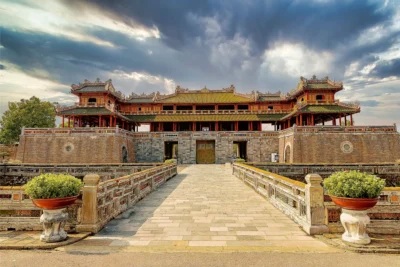
 Hue was the national capital of the Nguyen Dynasty from 1802 to 1945. For trip planning, the city works as a heritage stop built around the Citadel, royal tombs, the Perfume River and regional food rather than as a quick side trip from Da Nang.Hue’s main role in a Central Vietnam route is the imperial heritage layer. The Citadel and royal tombs need different amounts of time, while market food and regional noodle dishes give the stop a different character from nearby Da Nang and Hoi An.The Imperial Citadel and the royal tombs create different kinds of heritage time; Minh Mang and Khai Dinh are two contrasting options, but the number of tombs should follow the time available. Bún bò Huế is strongly associated with the city and worth trying if it interests you; recipes and seasoning vary by shop. Weather in Hue changes across the year, so use the forecast, heat and rain risk to shape outdoor heritage days instead of treating one long season as universally best.
Da Nang
 Da Nang is the main beach-city and transport hub in the compact Central Vietnam core. The airport, urban hotels and coast sit relatively close together, which can reduce hotel changes when the route also includes Hoi An or Hue.Da Nang combines city services, a long beachfront and road access toward the Marble Mountains, Hoi An and Hue. Use it as the base when airport access, beach time and flexible day trips matter; use Hoi An or Hue instead when evening atmosphere or heritage depth matters more than transport convenience.Dragon Bridge can be an evening stop when its current show schedule fits the itinerary; check the latest timetable rather than fixing dinner around a legacy schedule. Ba Na Hills is a full attraction day rather than a necessary family stop, while the Marble Mountains add caves, viewpoints and religious sites closer to the city. Choose between them by time and interest instead of treating all three as required icons.
READ MORE: Best beaches in Da Nang
Hoi An
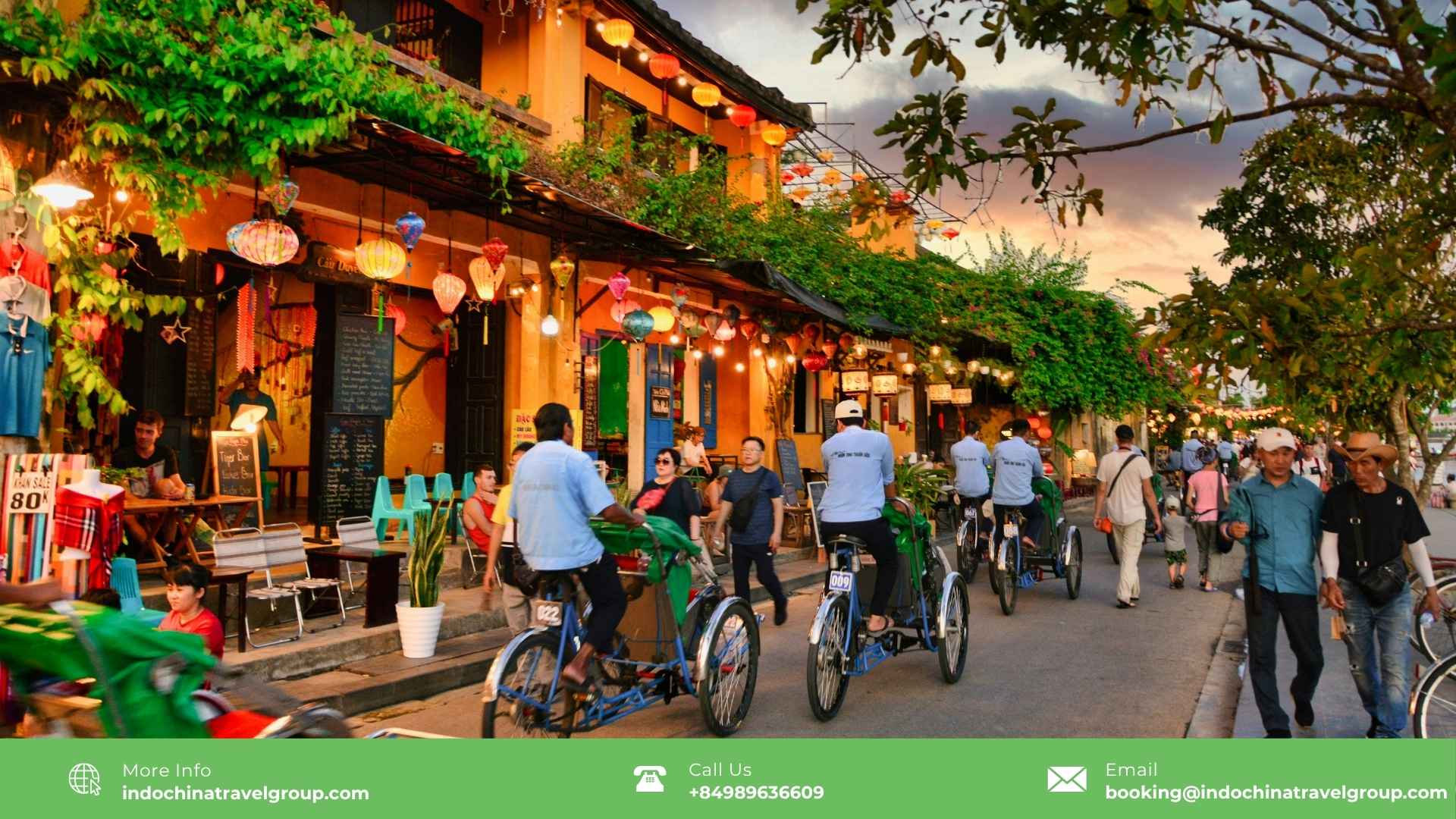
Phong Nha
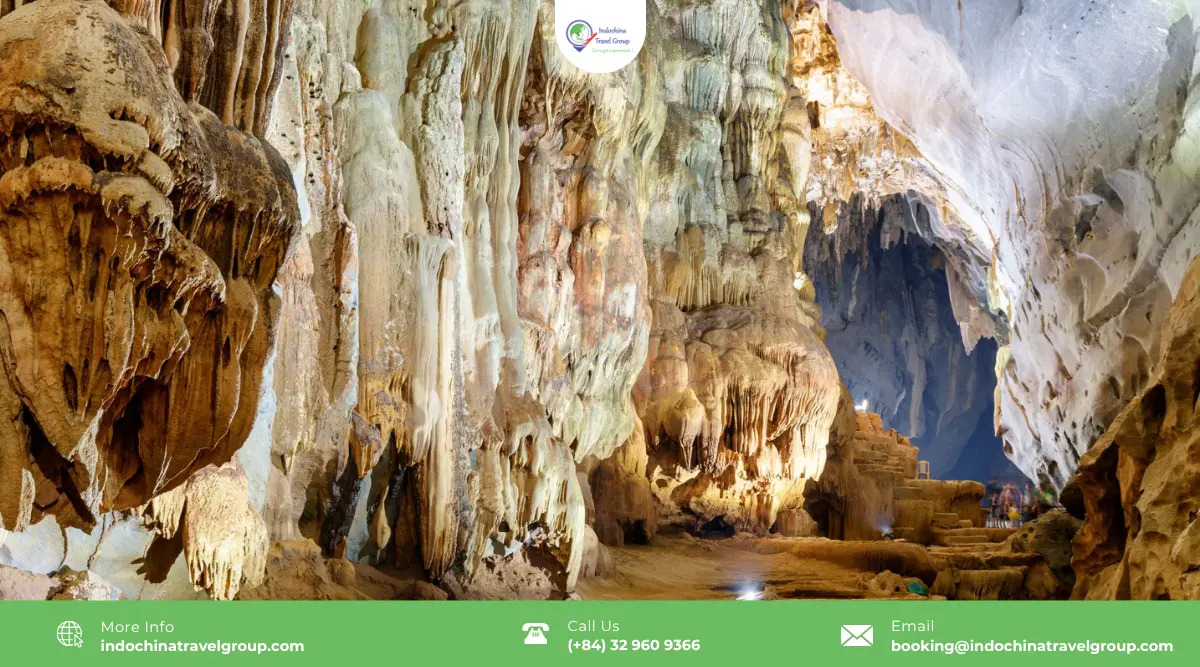 Phong Nha is a separate cave-and-national-park stop rather than an extension of the beach route. It needs its own transfer and works best when the cave or outdoor activity is chosen before the hotel and number of nights.The area ranges from easier show-cave visits to specialist expeditions. Paradise Cave and Phong Nha Cave suit many first-time visitors, while Dark Cave adds activity elements such as ziplining or swimming. Son Doong and other multi-day expeditions belong in a separate planning category because access, operator availability, fitness requirements and cost are very different.Choose the cave day by walking level, water exposure and the amount of adventure the traveller actually wants. Rainfall and river levels can affect access and outdoor programmes, so confirm the current operating conditions for the specific activity rather than relying on a generic seasonal rule.
Nha Trang
 Nha Trang extends the Central Vietnam route into a more beach-focused section. The practical decision is whether you want a central city-beach base, a boat or island day, or a slower resort stay around the wider coast.Use our Nha Trang travel guide to compare the central beachfront, Cam Ranh resort coast, cultural stops and water-based activities before deciding how many nights the coast needs.Boat and snorkelling days depend on current sea conditions and the operator’s route, so we keep them flexible. Mud-bath complexes add a slower wellness option, while Po Nagar Cham Towers gives the stay a historical and religious layer that is useful when the trip should be more than beach time.
Da Lat
 Da Lat shifts the route from the coast into the Central Highlands. Its elevation creates cooler conditions, but the main planning difference is practical: city sights sit close together while waterfalls, farms and outdoor activities require more road time.Use our Da Lat travel guide to choose between a compact city-and-café stay, a countryside and waterfall route, or a slower hotel-led highland stay.Architecture, coffee, farms, waterfalls and outdoor activities all compete for time here. Group city sights together, then give countryside or adventure activities their own day so the itinerary does not spend the whole stay driving in and out of town.
Quy Nhon and Phu Yen
Quy Nhon and Phu Yen form a quieter coastal extension south of the main Hue–Da Nang–Hoi An core. Quy Nhon works as the easier city base, with a clear peninsula day and Cham heritage, while Phu Yen is more spread out and usually needs a north-versus-south road plan.Quy Nhon combines the city seafront, Ky Co/Eo Gio and Banh It towers. Nearby Phu Yen works differently: Tuy Hoa is the practical centre, while Ganh Da Dia, O Loan, Bai Mon and Vung Ro sit across longer coastal-road days. Give either destination enough nights for its geography rather than adding both as quick beach detours.My Son Sanctuary
 My Son is a major Champa religious site in a valley west of Hoi An. The surviving temple groups and archaeological remains show several centuries of Champa religious architecture and make the site useful when the traveller wants more historical depth than the coastal cities alone provide.Its UNESCO status reflects the cultural and architectural importance of the sanctuary. For trip planning, the useful question is whether Champa history justifies the road time from Hoi An or Da Nang, not whether My Son needs to be compared with another Southeast Asian monument.My Son fits naturally from Hoi An or Da Nang when Champa history matters to the trip. Earlier departures can reduce heat and crowds, but the exact timing should follow opening hours, weather and the rest of the day rather than a fixed 7:00 AM rule.
Scenic routes and coastal drives: Hai Van Pass
The road between Hue and Da Nang gives you a practical route choice: use the Hai Van Pass when scenery and daylight are worth the extra road time, or use the tunnel when the transfer itself needs to be more direct.The Hai Van Pass can be folded into the Hue–Da Nang transfer instead of becoming a separate excursion. Weather, visibility, vehicle choice and the amount of time available should decide whether the pass or the tunnel fits the day better.Conditions can differ noticeably across the pass, so a clear forecast in one city does not guarantee the same visibility on the road. If the pass is part of a transfer, keep enough buffer for viewpoint stops without making the onward hotel check-in or evening plan too tight.How to plan a Central Vietnam trip?
- Day 1-2: Fly into Hue, explore the Citadel and tombs.
- Day 3: Drive the Hai Van Pass to Da Nang/Hoi An.
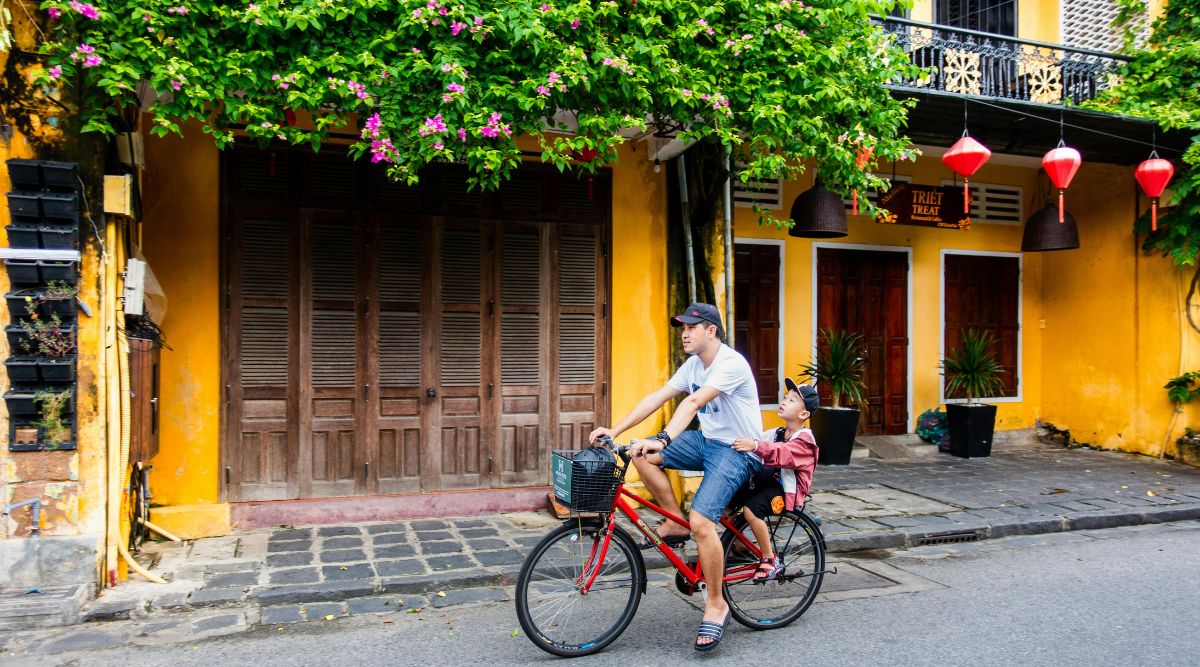
- Day 4-6: Settle in Hoi An for lanterns, tailoring, and My Son.
- Day 7-9: Continue south only if the extra transfer earns its place. Use the current flight, rail or road schedule to choose between Da Lat and Nha Trang rather than assuming one fixed connection.
Choose the Central Vietnam section that earns its place
A Central Vietnam route works best when each stop has a clear role: Hue for heritage, Da Nang or Hoi An as the compact coast-and-city core, Phong Nha for caves and outdoor time, and the southern extensions only when the itinerary has enough nights for them.To compare Central Vietnam with the North and South, return to the Vietnam Destinations planning hub.Once that route shape is clear, continue to our Vietnam Tour Packages for bookable options.
Recommended Tours




Group Tour
Hanoi – Sapa – DaNang 8 Days 7 Nights
Hanoi - City Tour - Sapa- Cat Cat Village - Moana Cafe - Fansipan - Muong Hoa Train - Ninh Binh - Tam Coc - Halong Bay - Da Nang - Hoi An Ancient Town - Bana Hills - Golden Bridge

Group Tour
Vietnam – Joining Group Tour 12 Days
Ha Noi City Tour - Ninh Binh - Halong Bay Overnight On Cruise - Hue - Hoi An Eco Tour - Ho Chi Minh City - Cu Chi Tunnels - Mekong Delta


5D4N DISCOVER HANOI – HALONG (DAY CRUISE) – TAM COC (SEAT IN COACH)


Group Tour
Hanoi – Ho Chi Minh – Siem Reap 8D7N
Hanoi - Ninh Binh - Halong Bay Overnight On Cruise - Ho Chi Minh - Cu Chi Tunnels - Siem Reap - Angkor Wat Full Day