Hoi An Travel Guide: Old Town, Beach, Where to Stay & Trip Planning
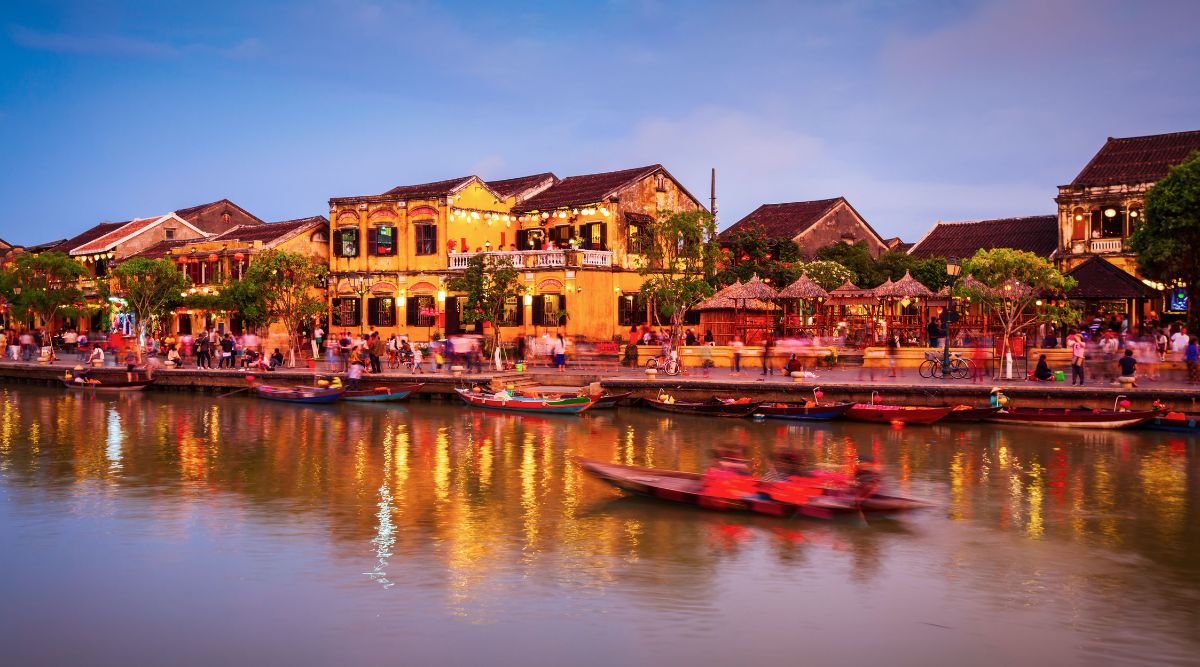
Hoi An looks simple on a map, but the hotel base changes the whole stay. Staying near the Ancient Town keeps evenings and food walkable; An Bang puts the beach outside your door; the rice-field area creates a quieter middle ground. Choose the base first, then add the activities that still make sense from that location.Hoi An is built around the Ancient Town, with countryside and beach time forming separate layers of the stay.
Where should you stay in Hoi An?
Base
Best for
Trade-off
Planning note
Ancient Town / edge
First visit, food, evening walks
Busier around peak hours
Best when Hoi An is a short 2–3 night stop and you want most things on foot.
An Bang Beach
Beach time, families, slower stays
Need a short ride into the heritage area
Works better when the beach is a real part of the trip, not just one afternoon.
Rice-field / Cam Chau area
Quiet mornings, cycling, balanced stay
Not directly in the Old Town or on the beach
A useful compromise for travellers who want calm but still easy access to both sides.
Hoi An at a glance: old town, countryside and beach
Hoi An’s historic centre is compact, but the wider destination includes riverfront neighbourhoods, rice fields and the coast. That is why “Hoi An” can mean a very different trip depending on where you stay.For a first visit, protect at least one evening in the Ancient Town rather than turning Hoi An into a daytime excursion from Da Nang. If the stay is longer, the beach or countryside can take a bigger role. Two to four nights is a useful planning range, but the right split depends on whether heritage, food, tailoring, cycling or beach time matters most.
Best time to visit Hoi An: weather, walking and beach time
Hoi An weather changes both the heritage walk and the beach side of the trip. Use the season to decide how much outdoor time to protect and how much flexibility the itinerary needs, especially during the wetter months.February to April is often comfortable for walking and cycling. During the wetter part of the year, heavy rain and local flooding can disrupt streets and activities, so we keep more buffer in the plan and check current conditions rather than treating rain as part of the attraction.To help you plan your travel dates more precisely, here is a breakdown of what to expect throughout the year:
February to May: Often a comfortable period for walking, cycling and combining the Ancient Town with beach or countryside time, but heat and rain still vary by week.
June to August: Hotter conditions can make long midday walks uncomfortable. Use earlier or later hours for the heritage core and keep beach or indoor time flexible around the actual forecast.
September to January: The wetter period. Heavy rain and flooding are possible, particularly in the later months of the year, so accommodation access, walking routes and day trips may need to change at short notice.
Where to stay in Hoi An: Ancient Town, countryside or beach
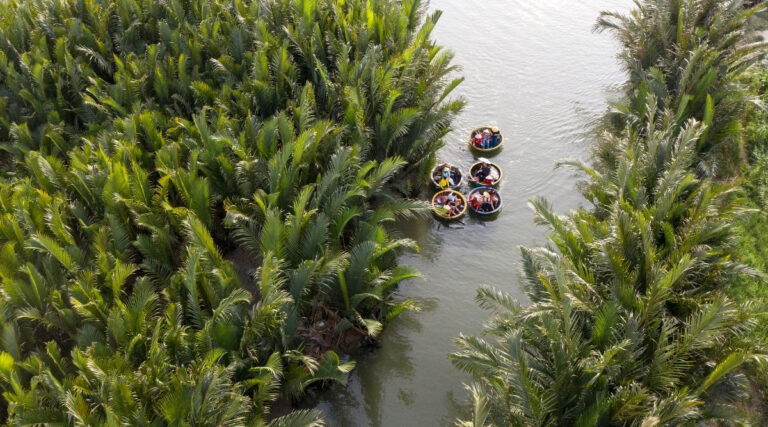
Hoi An is small, but the atmosphere varies significantly depending on where you lay your head. From the bustling riverfront to the quiet vegetable gardens and the sandy shores, your choice of neighborhood will define your daily pace.Cam Thanh CoconutWhere should you stay? For a short first visit, staying in or just outside the Ancient Town keeps evenings easy on foot. Cam Chau or Cam Thanh works better when quiet mornings and rice-field surroundings matter, while An Bang makes sense when beach time is part of the trip rather than a single excursion.For most stays, three bases cover the main planning choices:
Ancient Town / edge: Best when you want evenings, food and heritage sights within walking distance. The trade-off is a busier setting at peak times.
Cam Chau / Cam Thanh countryside: Useful when quieter mornings, cycling and more space matter. Check the exact location because travel time to the Ancient Town and beach varies by property.
An Bang Beach: Works when beach time is a real part of the stay. You will need a short transfer for Ancient Town evenings, so it is less convenient if heritage sightseeing is the main priority.
Hoi An Ancient Town: what to include in a heritage walk
The Old Town is a dense concentration of merchant houses, assembly halls, temples and museums. The Ancient Town uses heritage-entry tickets for selected listed sites, and the available combinations can change. Check the current ticket type at the official counters rather than building the day around one fixed package.The Japanese Covered Bridge, historic merchant houses such as Tan Ky and Duc An, and the Fujian (Phuc Kien) Assembly Hall each add a different layer to the Ancient Town’s trading history. Build the walk around a small number of sites that explain those layers rather than trying to enter every listed building:
The Japanese Covered Bridge: One of the best-known symbols of Hoi An’s historic trading community. Its major restoration was completed in 2024, and current access is managed as part of the Ancient Town heritage-visit system.
Ancient Merchant Houses: Tan Ky House is a useful example of the mixed architectural influences found in Hoi An’s historic merchant houses. Look at the walls; you can see the high-water marks from previous floods, some reaching nearly to the ceiling!
Assembly Halls: Phuc Kien Assembly Hall is one of the major historic halls in the Ancient Town and reflects the role of Fujianese merchant communities in Hoi An’s trading history.
Ba Mu Temple Gate: A decorative gate and reflection-pool stop that can fit naturally into an Ancient Town walk when you are already nearby; it does not need a separate cross-town detour.
What to do in Hoi An beyond the Ancient Town
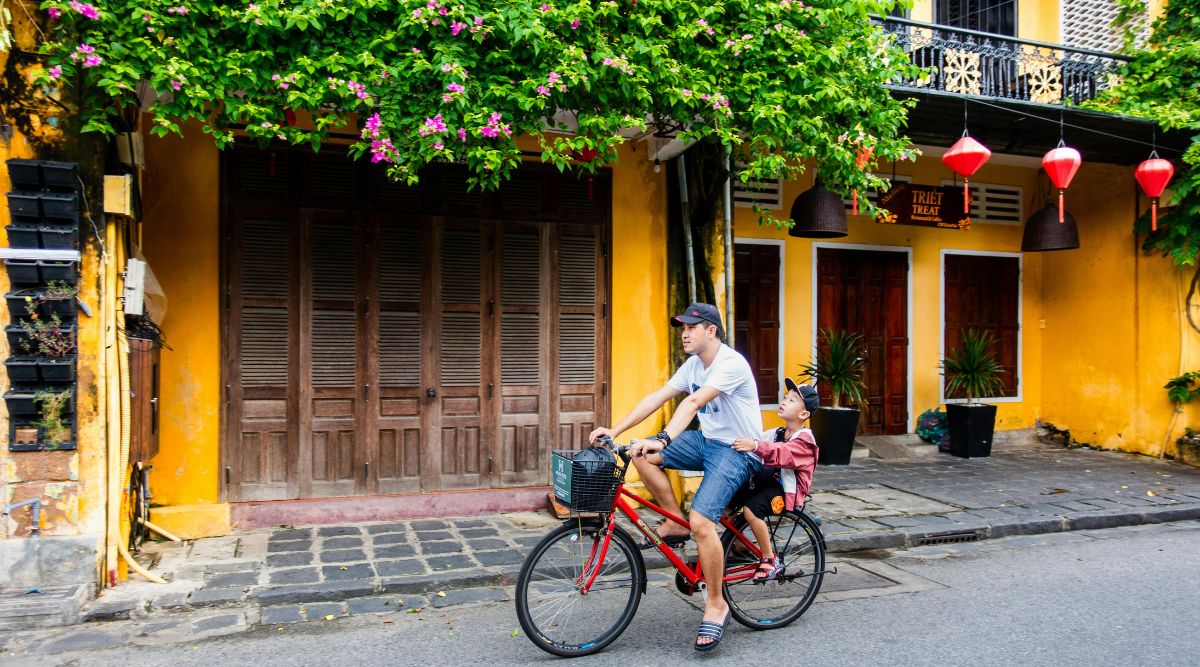
Hoi An supports more hands-on activities than most short stays can comfortably fit. Choose them by the reason for visiting and leave enough room for the Ancient Town itself rather than stacking every experience into the same day.Riding bike around Hoi An Ancient TownHoi An offers more activities than most travellers need in one stay. Choose a few that match the reason for coming: an evening walk in the Ancient Town, tailoring when there is enough time for fittings, a cooking experience, countryside cycling or a beach day. Large shows and basket-boat activities are optional, not compulsory parts of every visit.
Tailoring: If tailoring matters to you, start early in the stay so there is time for at least one fitting and adjustment. Bring reference photos and agree on fabric, price and delivery timing before the work begins.
Hoai River evenings: A short boat ride or lantern activity can fit naturally into an evening already spent in the Ancient Town. The river becomes busy at peak times, so treat the activity as optional rather than as a requirement for a Hoi An stay.
Cam Thanh countryside: Cam Thanh can add a coconut-waterway or basket-boat activity to the stay. Treat it as an optional tourism experience and compare operator format, crowd levels and transfer time before adding it.
Large evening shows: Hoi An Memories is one option for travellers who want a staged evening performance. Treat it as an optional entertainment choice rather than a required part of a heritage visit.
Food and drink in Hoi An
Hoi An’s trading history is reflected in a food scene that is different from both Da Nang and Hue. We use the meal plan to add local context without turning every dish into a compulsory stop:
Cao Lau: Thick, chewy noodles are commonly served with pork, greens and crisp rice elements. Recipes and preparation methods vary, and stories about specific water or ash sources are better treated as local culinary tradition than a requirement for every bowl.
Banh Mi: Hoi An has several well-known shops as well as smaller local options. Queue length, opening time and your route through town matter more than treating one shop as the only correct choice.
White Rose Dumplings (Bánh Bao Bánh Vạc): A Hoi An specialty made with translucent wrappers and a savoury filling, commonly served as a light dish or part of a wider meal.
Herbal and tea drinks: Popular drink stops can become busy in the evening. Treat them as an optional break during the heritage walk rather than something worth reorganising the whole route around.
An Bang Beach and Cham Islands: when to add the coast
Hoi An’s heritage core sits close enough to the coast that beach time can be added without changing the whole regional route. If the town feels hot or busy, the coast can provide a slower afternoon or a separate beach day. When planning your nature extensions, consider these two options:
An Bang Beach: An Bang works well when you want beach time without changing hotels. Cafés and restaurants line parts of the beach, but opening hours and individual venues change, so choose the area and sea conditions first rather than travelling for one named business.
Cham Islands: The islands sit offshore from Hoi An and are part of the Cu Lao Cham–Hoi An biosphere reserve. Boat schedules, crossing time and water activities depend on sea conditions and the operator, so confirm the current programme before treating this as a fixed half-day or full-day excursion.
Day trips from Hoi An: My Son, Da Nang and countryside
Hoi An can work as a base for several Central Vietnam excursions, but each one uses a different amount of road time. Choose one according to the traveller’s interests rather than treating the town as a launch point for every nearby attraction:Cham Island
My Son Sanctuary: A UNESCO site with Champa temple remains that needs its own road time from Hoi An. Earlier departures can reduce heat and crowds, but the exact timing should follow current opening hours, weather and the rest of the day’s route.
Da Nang & Ba Na Hills: Use this as a separate city or mountain-excursion day rather than trying to combine it with a full Hoi An heritage day. Travel time and the amount of time you want at Ba Na should decide whether it fits.
Tra Que: This farming area can add a countryside and food-growing layer to the trip. Workshops and hands-on activities vary by provider, so treat them as optional experiences rather than a fixed part of every visit.
Practical tips for visiting Hoi An
The practical issues in Hoi An are mostly about pedestrian hours, heat, temple etiquette and transport access around the heritage zone. Check posted local rules and the actual conditions on the day rather than relying on one fixed set of “local tips”:
Pedestrian hours: The Ancient Town uses pedestrian and restricted-vehicle periods that can change. Check the posted hours locally if your hotel pickup or vehicle access needs to cross the heritage zone.
Heat and hydration: Carry drinking water and reduce long outdoor walks in the hottest part of the day. Street drinks can be part of the food experience, but choose vendors and ice according to your own food-safety comfort level.
Etiquette: Follow the posted rules at assembly halls, temples and historic houses. Keep voices low in religious spaces, dress appropriately for the site and respect any photography restrictions.
Bargaining: Ask whether a price is fixed before negotiating. Bargaining may be normal for some market or souvenir purchases, while restaurants and clearly marked retail prices are generally treated differently; keep the exchange polite and walk away if the price does not suit you.
How to spend 2–3 days in Hoi An
With two or three days, choose one main heritage block, one slower countryside or beach block, and only then add a separate excursion if the trip still has room. The structure below is a planning example rather than a fixed programme:Banh Xeo Hoi An
Day 1: Ancient Town and evening atmosphere.
Morning: Heritage walk (Japanese Bridge, Tan Ky House, Fujian Hall).
Lunch: Choose a nearby local lunch that fits the walking route rather than crossing town for one famous address.
Afternoon: Tailor fittings and a coffee-shop crawl.
Evening: Riverside dinner and a lantern boat ride.
Day 2: Countryside and beach.
Morning: Bike ride to Tra Que Herb Village and a basket boat tour in Cam Thanh.
Lunch: Countryside cooking class.
Afternoon: Relax at An Bang Beach.
Evening: Keep the evening flexible for the Ancient Town, riverside time or an optional staged performance.
Day 3: My Son or another heritage extension.
Morning: Half-day trip to My Son Sanctuary.
Afternoon: Last-minute souvenir shopping or a photography tour.
Choose Hoi An by the kind of stay you want
Hoi An works best when the Ancient Town is treated as the centre of a slower stay rather than a checklist stop. The useful choice is whether you want only the heritage core or enough time to add tailoring, countryside or beach without compressing everything into one day.Hoi An rewards a slower schedule because the difference between a rushed day trip and a two- or three-night stay is mostly what happens outside the headline sights: an early market, a quiet riverside morning, a proper tailor fitting or time at the beach.Use our Central Vietnam route guide to compare Hoi An with Da Nang, Hue and the longer regional extensions after deciding whether Hoi An should be a day trip or an overnight base.For wider route choices, compare our Vietnam Tour Packages.