Hue Travel Guide: Imperial City, Royal Tombs & Trip Planning
Hue works best when imperial history deserves its own time rather than becoming a quick Citadel stop between Da Nang and the next destination. The major sights look close on a map, but the Citadel, royal tombs and Perfume River area use different parts of the day. Decide first whether Hue deserves an overnight stay, then build the heritage route around that decision.Hue planning revolves around the imperial core, royal tombs and the Perfume River rather than one compact attraction zone.
How many days do you need in Hue?
Time
What fits well
What to avoid
1 day
Citadel + one royal tomb + river / pagoda stop
Trying to visit every major tomb before driving on to Hoi An the same evening.
2 days
Citadel, 2–3 tombs, food, riverfront and a slower evening
Using both days only for monuments without any time in the city itself.
Adding distant side trips that turn Hue into another transfer hub.
Hue at a glance: imperial capital and heritage city
Hue was the Nguyen Dynasty capital from 1802 to 1945, and the city still revolves around the Citadel, royal tombs, pagodas and the Perfume River. From an itinerary point of view, the important difference from Hoi An or Da Nang is that Hue’s major sights are spread out enough that rushing between them can make the day feel like a sequence of transfers.For most first visits, one full day is the minimum if Hue matters to you; two days gives the route much better balance. When Hue is combined with Da Nang or Hoi An, treat the Hai Van transfer as part of the experience rather than as empty road time.
Best time to visit Hue: heat, rain and outdoor sightseeing
Hue’s weather matters because the Citadel, tombs and pagodas all involve substantial outdoor time. The city has a later wet season than many other parts of Vietnam, so plan sightseeing around heat, rain and walking comfort rather than around a romantic idea of the weather.February to April is often a comfortable starting point for heritage sightseeing. From late summer into the wet season, heavy rain and occasional flooding can affect outdoor plans, while the hottest months require earlier starts and more shade. We keep tomb and Citadel timing flexible when the forecast is unstable:
Spring (February to April): Often comfortable for longer heritage days, but rain and temperature still vary. Festival and performance calendars change, so check the current programme if a specific event matters to your trip.
Summer (May to August): Hot conditions can make long outdoor heritage visits tiring. Use earlier or later hours for the Citadel and tombs, and keep the middle of the day flexible around the actual forecast.
Wetter months: Persistent rain and occasional flooding can make tomb visits, walking and road transfers less predictable. Keep weather-sensitive sightseeing adjustable and avoid tying important outdoor stops to one fixed afternoon.
Where to stay in Hue: south bank, Citadel side or riverside
Where you stay changes how much transport you need between the riverfront, Citadel and tombs. The south bank is convenient for restaurants and evening walks; the Citadel side is better when early heritage sightseeing matters; quieter riverside or garden properties make more sense when the stay itself is part of the experience.For a short first visit, choose the base by evening convenience and the first sightseeing stop of the next morning rather than by hotel style alone.
South bank / city centre: Practical for restaurants, the riverfront and evening activity, with straightforward access to transport for the tombs.
Citadel side: Better when you want an early start at the Imperial City and a quieter evening than the main south-bank hotel area.
Quieter riverside or garden stays: Useful when atmosphere matters more than walking to restaurants; check transfer time before choosing one for a short visit.
Main Hue sights and how to combine them
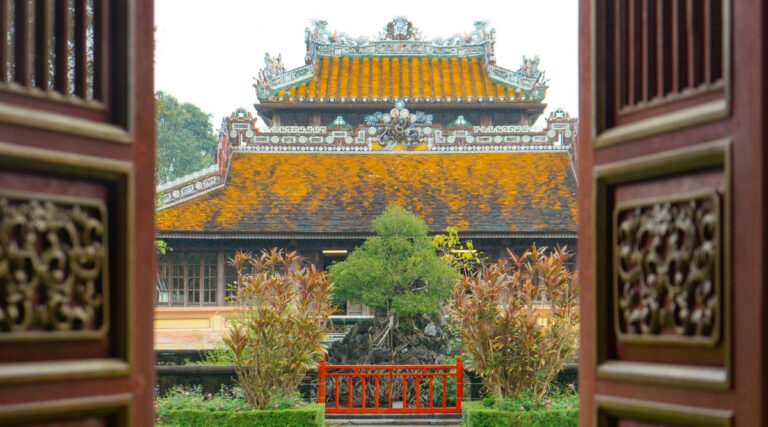
Hue’s main sights are spread between the Citadel, the river and royal tombs outside the centre. Plan them by geography and energy level rather than treating every monument as compulsory. A first day normally needs one strong historical anchor, then enough time for one or two additional stops without turning the afternoon into a long series of car rides.Hue – Forbidden Purple City
The Imperial Citadel and Forbidden Purple City
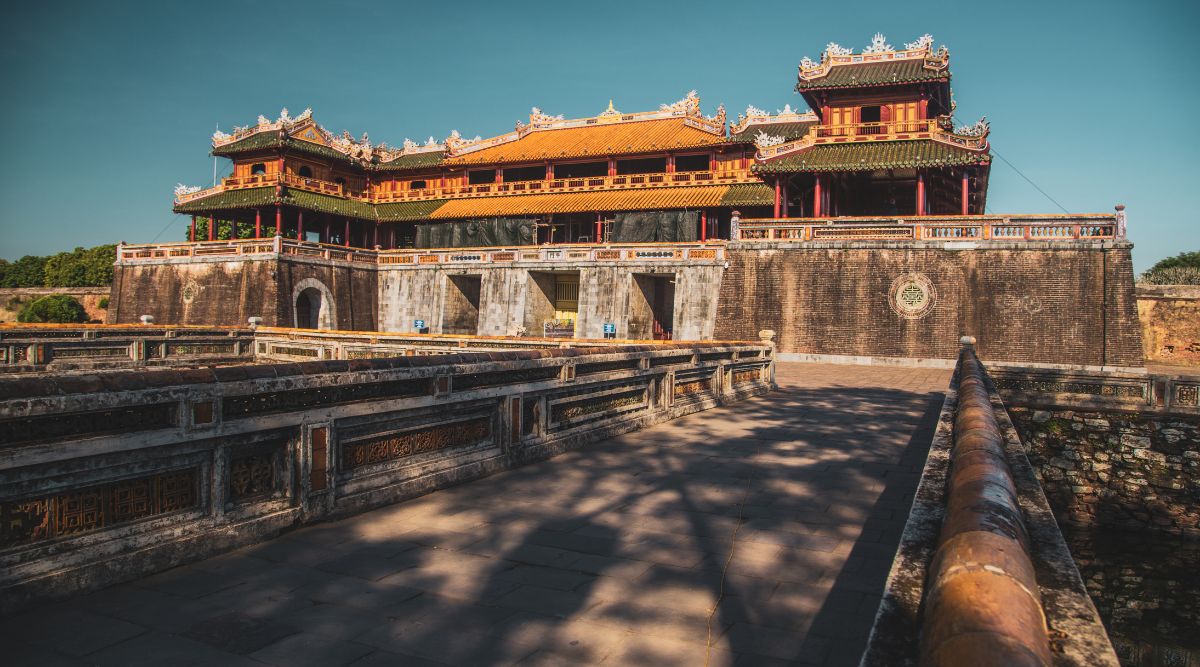
The Citadel is the main historical anchor of a first Hue visit and needs a substantial walking block rather than a quick photo stop. Entering through Ngo Mon leads into a large complex of ceremonial spaces, palaces, gates and restored structures associated with the Nguyen Dynasty. Prioritise the areas that matter most to you and leave enough time for heat, rain and walking rather than trying to cover every section in one pass.
The Royal Tombs: Landscapes of the afterlife
Several Nguyen emperors developed their tomb complexes during their lifetimes, and the sites combine memorial architecture with landscaped grounds, pavilions and ceremonial spaces.
Minh Mang Tomb: A strong choice when you want a formal, highly ordered landscape with a substantial amount of walking.
Tu Duc Tomb: Better for travellers interested in landscaped grounds and the relationship between the emperor’s life, poetry and retreat architecture.
Khai Dinh Tomb: More compact but visually dense, with a very different mix of Vietnamese and European decorative influences.
Thien Mu Pagoda (Heavenly Lady Pagoda)
Thien Mu Pagoda is one of Hue’s best-known religious sites and fits naturally with a Perfume River or Citadel-side route. The visit combines the riverside setting, pagoda architecture and historical displays, but it should still be treated as an active religious site: dress appropriately, keep a respectful tone and allow enough time to visit without turning it into a quick photo stop.
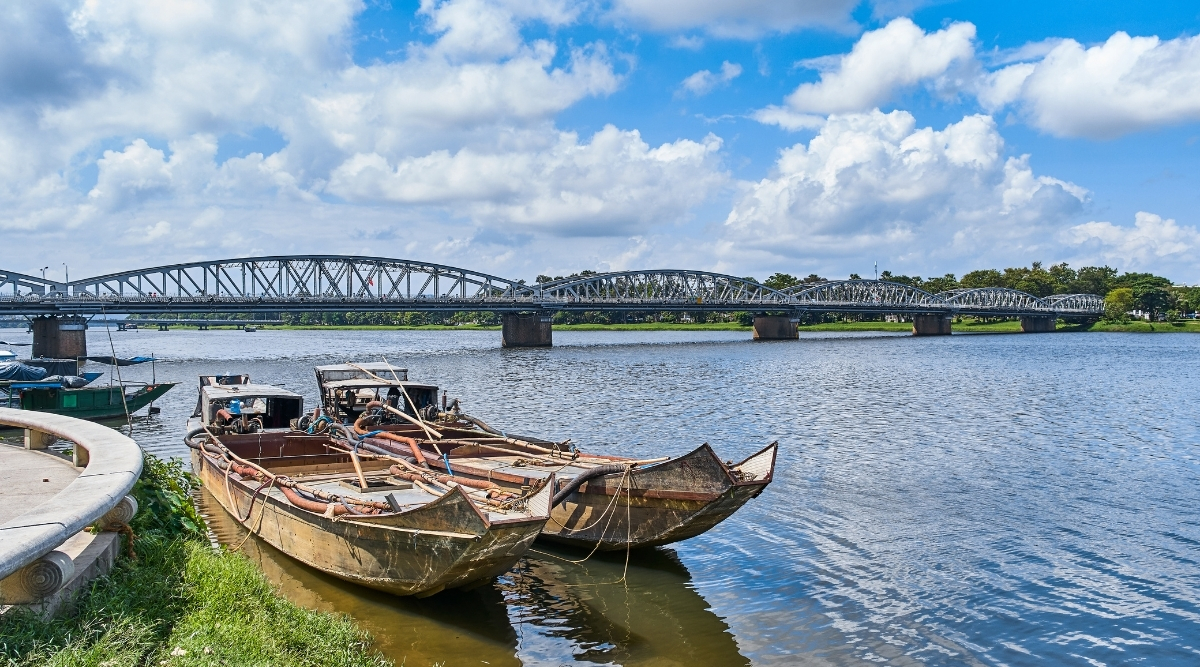
The Perfume River (Sông Hương)
The Perfume River helps connect the Citadel side, the south-bank city centre and several heritage stops. A short boat trip can be a useful slower break between monuments, but it is optional; whether it fits depends on weather, daylight and how much time you already have on the road that day.Perfume River Hue
Extra Hue experiences beyond the main heritage sites
Once the main heritage stops are covered, choose extra experiences by pace and location rather than adding activities just to fill the day:
Cycling in Thuy Bieu Village: This village is famous for its “Thanh Tra” (a type of pomelo). You can cycle through ancient houses, participate in a local cooking class, and enjoy a herbal foot soak.
Evening walk around Trang Tien Bridge: The bridge and riverfront can fit a relaxed evening after a heritage-heavy day. Lighting and riverside activity vary by date, so treat this as flexible city time rather than a timed attraction.
Dong Ba Market: A useful central market stop for local food, household goods and regional products. Go when a market visit genuinely fits the route, keep valuables secure in crowded aisles and check prices before buying rather than treating the market as a compulsory sightseeing stop.
What to eat in Hue
Hue has a deep food tradition shaped by both court cuisine and everyday local cooking. Use meals to add context to the heritage day without turning every famous dish into a compulsory stop:
Bun Bo Hue: A local noodle soup built around a fragrant, savoury broth with lemongrass and other seasonings. Choose the restaurant by cleanliness, location and your preferred spice level rather than by a crowd heuristic alone.
Com Hen (clam rice): A local dish combining rice, small clams, herbs and crunchy toppings, often served with a spicy component that can be adjusted to taste.
Savory Rice Cakes (Bánh Bèo, Nậm, Lọc): These are usually eaten as snacks. They are delicate, steamed, and topped with dried shrimp and scallion oil.
Salt coffee (Cà Phê Muối): A modern Hue coffee style combining coffee with a lightly salted creamy layer. It works well as a café stop between heritage visits rather than a separate destination in the itinerary.
Where to go after Hue: Da Nang, Quang Tri or Phong Nha?
Hue connects naturally with the rest of Central Vietnam, but the next stop changes how the final day should work. If you are continuing south, use the Da Nang travel guide to decide whether the Hai Van route belongs inside the transfer rather than treating it as a separate excursion:
Quang Tri historical route: Vinh Moc Tunnels and the Hien Luong–Ben Hai area can form a separate history-focused day north of Hue. If you are continuing farther north rather than returning to Hue, use our Phong Nha travel guide to decide whether the national park should become the next overnight stop.
Hai Van Pass toward Da Nang: The pass can turn the southbound transfer into a scenic road segment when weather, daylight and vehicle choice are suitable. The tunnel is the more direct option, so choose between them by the day’s priorities rather than treating the pass as compulsory.
Lap An Lagoon: Near Lang Co, the lagoon can add a quieter landscape stop to the southbound road day. Use it when the route has enough daylight and you want a meal or photography break rather than treating it as compulsory.
Practical tips for visiting Hue
The small planning details matter in Hue because the Citadel is walkable but the royal tombs sit outside the centre. Before finalising the day, check the weather, transport between monuments and how much walking you actually want:
Transport: Walking works for parts of the central area, but the main royal tombs require a separate road transfer. Use a taxi, app-based car or private vehicle when you want predictable timing between monuments.
Tickets: Heritage ticket combinations and opening arrangements can change. Check the current official option against the exact monuments you plan to visit rather than assuming one combo is always the best value.
Heat and hydration: Carry drinking water and protect the hottest part of the day when the forecast is severe, especially on long outdoor walks through the Citadel or tomb grounds.
Etiquette: At temples, pagodas and ceremonial spaces, follow posted dress, photography and access rules. Keep a quieter tone in active religious or memorial areas and remove hats or footwear where the site requests it.
How to spend 1–3 days in Hue
With one day, keep the plan to one major heritage anchor plus a small number of additional stops. With two days, separate the Citadel from the tomb-heavy day so walking and road time do not compete. A third day only makes sense when food, countryside or a separate historical excursion is important to you.Hue Imperial
Day 1: Citadel and central Hue:
Morning: Give the Imperial Citadel the main walking block of the day and adjust the pace for heat, rain and how much of the complex you want to see.
Lunch: Keep the meal close to the central route rather than crossing the city for one specific address.
Afternoon: Add Dong Ba Market, the museum or another central stop only if the Citadel has not already used most of the day’s energy.
Evening: Use the riverfront, a short boat trip or a food-focused evening according to weather and interest rather than fixing the day around a sunset departure.
Day 2: Royal tombs and riverside heritage:
Morning: Choose two royal tombs that offer different experiences rather than trying to cover every major site.
Lunch: Use a meal stop that fits the tomb route or the Thuy Bieu side of the city.
Afternoon: Add Thien Mu Pagoda, Thuy Bieu or another river-side stop according to geography and remaining time.
Evening: Keep the final evening flexible for local food, the riverfront or an early night before the next transfer.
Choose Hue by how much imperial history you want in the route
Hue works best when the itinerary leaves enough time for both the Imperial City and the tomb landscape rather than compressing the city into a photo stop between Da Nang and the next destination. If you have two days, separate the Citadel-heavy day from the tomb-heavy day and use the riverfront or food stops to slow the pace between them.Compare how Hue fits with Da Nang, Hoi An and Phong Nha in our Central Vietnam route guide before choosing the wider itinerary.For bookable routes that include Hue inside a wider Vietnam trip, compare our Vietnam Tour Packages.