Nha Trang Travel Guide: Beaches, Where to Stay & Coastal Trip Planning
Nha Trang can play two very different roles in a Vietnam trip: a city-beach stop where restaurants and the seafront are close together, or a resort stay where most of the time is spent around Cam Ranh or an island property. We choose between those first because it changes airport transfers, day-trip logistics and how much city sightseeing is realistic.
Nha Trang works as three different coastal bases
Central Nha Trang
Beach, food and city sights Best for a mixed first visit
Island / boat days
Hon Mun and water activities Keep plans flexible for sea conditions
Cam Ranh coast
Resort-led, slower stay Accept longer city transfers
Route logic: choose the base first, then decide how much city sightseeing, boat time or resort time the itinerary can realistically support.
Which Nha Trang stay fits your itinerary?
Trip style
Time
Best for
Planning note
City beach stay
2–3 nights
Beach, food, Po Nagar, mud baths
Easy when you want restaurants and sightseeing close to the hotel.
Island / boat activities
3 nights+
Snorkelling, boat days, water activities
Sea conditions matter; keep boat plans flexible when weather is uncertain.
Cam Ranh resort
3–5 nights
Families, couples, slower resort time
Do not assume a Cam Ranh resort is “in Nha Trang city”; transfers change the daily plan.
Nha Trang + Da Lat
4–6 nights total
Coast + cooler highlands
The road transfer is part of the trip; give both destinations enough time to justify the move.
Nha Trang at a glance: city beach, islands and resort coast
Nha Trang combines an urban beachfront, Cham heritage, nearby islands and a wider resort coast extending toward Cam Ranh. That means two hotels both marketed as “Nha Trang” can create very different trips depending on how far they sit from the city centre.When we plan Nha Trang, we choose the base around the traveller’s priority first: walkable city beach and food, boat activities, or a resort stay with fewer daily transfers. If the route also includes Da Lat, we treat the highland transfer as a real section of the itinerary rather than squeezing it between two full sightseeing days.
Best time to visit Nha Trang
Nha Trang’s beach and island plans depend more on the actual sea and weather conditions than on a single “best month” label. The seasonal pattern also differs from Hue and Hoi An, so we check Nha Trang separately rather than applying one Central Vietnam forecast to the whole route.Drier months are usually easier for combining city beach time with boat or island activities. During wetter or rougher periods, sea conditions can affect departures, swimming or snorkelling, so we keep water-based days flexible and confirm the operator’s current plan close to departure.Hotter months call for earlier sightseeing and more beach or indoor time around midday. If snorkelling or diving is important, use the current marine forecast and operator advice rather than assuming visibility from the calendar alone.
Getting to and around Nha Trang
Cam Ranh International Airport is the main air gateway for Nha Trang, while the city also sits on the north–south rail corridor. We choose the arrival mode by the wider route and hotel location, because a Cam Ranh resort and a central Nha Trang hotel create very different transfer times.For central stays, taxis and app-based cars are practical for most city movements. Island activities use their own port and boat arrangements, so confirm the departure point before choosing a hotel or assuming every boat day begins near Tran Phu Beach.The train can work well when Nha Trang is part of a longer coastal route. Once you are settled, the central beachfront and city sights are relatively easy to connect, while mud baths, Doc Let and other outlying stops need more road time. Protect that transfer time instead of stacking them into a beach day.
Where to stay in Nha Trang?
Nha Trang has three very different accommodation patterns. The base should follow the type of stay you actually want:
Tran Phu beachfront: Best when walkable beach access, restaurants and central city convenience matter more than resort seclusion.
North Nha Trang / Hon Chong side: Better when you want a quieter city base with easier access to Po Nagar and mud-bath areas. The trade-off is less immediate access to the busiest Tran Phu restaurant and nightlife zone.
Cam Ranh resort coast: Better for a slower resort stay. Treat it as a different base from central Nha Trang because city dinners and sightseeing require a longer transfer.
Central / inland streets: Useful when markets, local food and value matter more than stepping directly onto the beach.
Main Nha Trang sights and how to balance them with beach time
A Nha Trang stay does not need a sightseeing stop every day. When the beach or resort is the main reason for coming, we normally choose one or two cultural sights and leave the rest of the schedule open. If the city itself matters more, the heritage sites and markets can take a larger role.
Beaches and Bays
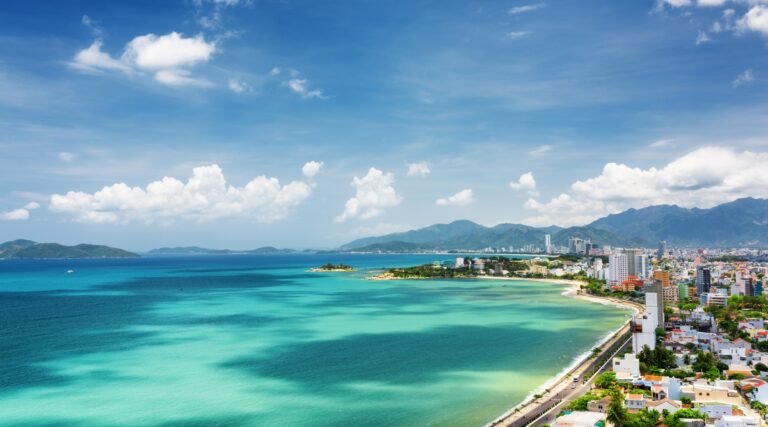
The central beachfront is the easiest coastal section to combine with a city stay.
Tran Phu is the easiest beach to combine with a city stay because hotels, restaurants and transport sit close to the waterfront. Bai Dai and Doc Let create a different day because they require more road time and a separate plan. Choose them when a quieter beach is the point of the excursion rather than as automatic add-ons to a central Nha Trang stay.
Islands and water-based activities
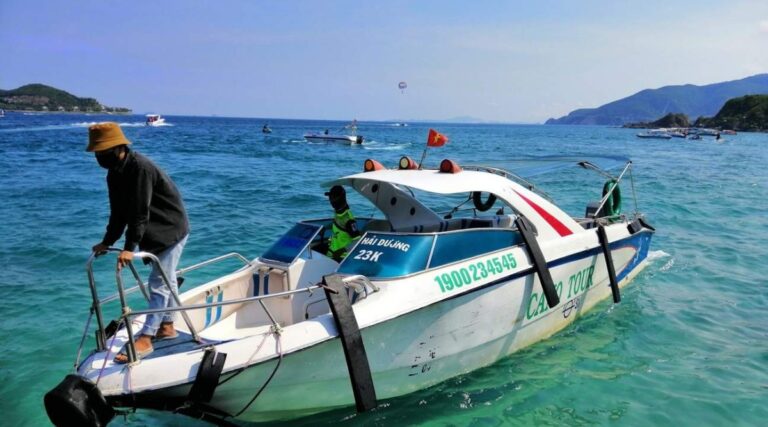
Boat routes are weather- and operator-dependent, so the exact island programme should stay flexible.
Island and boat trips can be worthwhile when sea conditions are good and water activities are a real priority. Hon Mun is one of the better-known marine stops, but the exact route and activity suitability depend on the operator and weather. For families, Hon Tre attractions are an option rather than a compulsory part of Nha Trang; include them only when the children’s ages and the hotel location make the extra transfer worthwhile.
Cultural and historical sites
Po Nagar adds a Cham heritage layer to an otherwise beach-led Nha Trang stay.
Po Nagar Cham Towers add an important historical layer to a beach-focused trip and remain an active religious site, so dress and behaviour should reflect that. Long Son Pagoda is another city stop that involves steps and outdoor time; use it when heritage matters rather than treating both religious sites as compulsory.
Wellness and water activities in Nha Trang
Beyond the beach and heritage stops, Nha Trang has wellness and water-based activities that can fill a half day or more. We choose them by the traveller’s pace, swimming confidence and current weather rather than treating them as required experiences.Mud-bath complexes around the city are useful when you want a slower wellness block between sightseeing or beach days. Treat any health or skin benefit as a personal wellness claim rather than a reason to book. For evenings, markets can add food and local atmosphere without needing a separate full-day plan.
Food and drink in Nha Trang
Nha Trang’s food is strongly shaped by the coast. We usually build meals around local fish noodle soup, grilled pork rolls and seafood without treating one restaurant or dish as the only “correct” experience:
Bun ca: Fish noodle soup is an easy local breakfast or lunch option; recipes vary by stall, especially in the fish cakes and toppings.
Nem nuong Ninh Hoa: Grilled pork sausage is served with rice paper, herbs, vegetables and dipping sauce; the exact accompaniments vary by restaurant.
Seafood: Ask for the price, unit and preparation method before ordering, especially when fish or shellfish is priced by weight. Preparation varies by restaurant, so confirm sauces, seasoning and cooking style if you have dietary preferences.
Practical tips for visiting Nha Trang
The practical checks are simple: keep some VND for small vendors, use a clearly priced transport option, dress respectfully at religious sites, and let current sea or beach warnings override the planned schedule:
Beach safety: Sea conditions can change quickly. Follow the posted swimming zones, flags and lifeguard instructions on the day rather than relying on how the beach looked earlier.
Bargaining: At markets, ask politely whether the price is negotiable; fixed-price shops and restaurants should be treated as fixed.
Budget planning: The biggest cost swing is usually the base and activity mix. A city stay with taxis and one shared boat day behaves very differently from a Cam Ranh resort, private transfer and multiple water activities, so compare the whole daily plan rather than the room rate alone.
Photography: If photos matter, use softer morning or late-afternoon light when it fits the heritage visit, but do not let a photo time override worship activity or site rules.
How to spend 3–5 days in Nha Trang
Use these as planning examples rather than fixed programmes. The main decision is how much of the stay belongs to the city beach, one water-based day and one cultural or wellness block:
3 days: city beach, one water day and one heritage or wellness block
Day 1: Arrive and check-in. Spend the afternoon on Tran Phu Beach and enjoy a seafood BBQ dinner.
Day 2: Use a boat or island day only if current sea conditions and the operator’s route are suitable; otherwise keep a flexible city or wellness alternative.
Day 3: Morning visit to Po Nagar Cham Towers and Long Son Pagoda. Afternoon relaxation at Thap Ba Mud Baths before departure.
A slower 5-day Nha Trang stay
Days 1–3: Keep one city-and-beach day, one weather-dependent water day and one heritage or wellness block, with the sea day moved if conditions are poor.
Day 4: Use a resort, Hon Tre attraction or slower beach day only if that is a real priority for the group; otherwise keep the day flexible for the city, wellness or another coastal activity.
Day 5: Add an inland nature stop such as Ba Ho only when weather, trail conditions and transfer time make it sensible; otherwise protect the final day for a slower beach or resort block.
FAQs
What are the top things to do in Nha Trang in 3–5 days? Build the stay around one city-and-heritage block, one beach or boat block when sea conditions allow, and one slower wellness or resort block if it fits the traveller. Add Ba Ho or another inland stop only when weather, trail conditions and transfer time justify it.
Is Nha Trang worth visiting for a beach‑and‑resort stay compared to other Vietnamese coasts? Nha Trang suits travellers who want a beach stay with city restaurants, cultural sights and easy access to water-based activities. A quieter resort coast, an island stay or another Vietnamese beach destination may fit better when seclusion matters more than city convenience.
What is the best time of year to visit Nha Trang (dry season vs rainy season)? Drier months are usually easier for beach and boat planning, but no month guarantees calm sea conditions. Check the marine forecast and operator notice close to the day of travel.
How do you get to Nha Trang from Da Nang, Hoi An, or Ho Chi Minh City (plane, train, bus)? The useful choice depends on your origin and wider route. Flights reduce long overland time, trains work well on the north–south coastal route, and buses or private road transfers can fit shorter regional connections. Check the actual schedule before fixing the first activity after arrival.
Where is the best place to stay in Nha Trang (Tran Phu Beach vs city center vs spa‑areas)? Use Tran Phu for the easiest beach-and-city combination, the north side for a quieter base closer to Po Nagar and mud-bath areas, and Cam Ranh when the resort itself is the priority. Choose by daily movement rather than hotel category alone.
Are there good day‑trip island‑hopping tours (Hon Mun, Hon Tằm, Monkey Island, Yen Island)? Island-hopping is common, but routes, departure points and snorkelling stops vary by operator and sea conditions. Choose the trip by current route, safety arrangements and the activity you actually want rather than by one compulsory island.
What are must‑visit attractions (Tran Phu Beach, Po Nagar Cham Towers, Long Son Pagoda, Nha Trang Cathedral, mud‑baths)? They cover different sides of the destination, but you do not need all of them. Pick the cultural, beach and wellness stops that match the reason for your stay.
Are there good snorkeling or diving sites near Nha Trang (Hon Mun, Moray Beach)? Hon Mun is one of the better-known marine areas, but the useful choice depends on current visibility, access rules and the operator’s actual dive or snorkelling route.
What local food must I try in Nha Trang (bun ca, nem nuong Ninh Hoa, grilled seafood, night‑market snacks)? Bun ca, nem nuong Ninh Hoa and seafood are useful starting points, but choose meals by your preferences and dietary needs rather than treating any dish as compulsory.
Are there good night markets and food‑stalls in Nha Trang (Dam Market, night market, Xom Moi)? Yes, the Nha Trang Night Market is convenient for souvenirs, while Xom Moi can be useful for travellers who want a more local market-and-food setting.
What is the best way to get around Nha Trang (motorbike, taxi, Grab, speedboat tours)? App-based cars and taxis are practical for most visitors. Only use a motorbike when you are properly licensed, insured, experienced and comfortable with local traffic and weather conditions.
Are there good spa and mud‑bath experiences near Nha Trang (Thap Ba hot springs)? Several mud-bath complexes operate around Nha Trang. Compare location, facilities, current opening arrangements and the type of experience you want rather than treating one property as the default choice.
When does Quy Nhon fit better than Nha Trang? Choose it when a quieter city base, the Phuong Mai coast and Cham heritage matter more than a large resort-and-activity ecosystem.
When does Phu Yen fit better? Choose it when you want a road-trip style coast built around Tuy Hoa, Ganh Da Dia and separate north/south coastal days rather than a compact city-beach stay.
Choose Nha Trang by the base you want
Nha Trang works best when the base matches the reason for the stay. Use central Nha Trang when beach, food and city access matter; use the wider resort coast when the hotel and slower pace are the priority. If Da Lat follows, protect the highland transfer instead of treating it as unused time between two full sightseeing days.If Nha Trang is part of a longer south-central route, the next decision is what should follow the coast. Continue to the Da Lat travel guide when you want a cooler highland contrast, or compare Quy Nhon and Phu Yen when the trip should stay coastal.Use the Central Vietnam route guide when you need to compare those route shapes side by side. Once the sequence is clear, the Vietnam Tour Packages page is the handoff for bookable itineraries.