

Hanoi Old Quarter at a glance
The Old Quarter is Hanoi’s historic commercial core: a dense network of streets between Hoan Kiem Lake, Dong Xuan Market and the eastern edge of the old city. Its guild-street history still shapes many street names, but today’s district mixes homes, shops, cafés, markets, temples and tourism services rather than functioning as a preserved craft village.
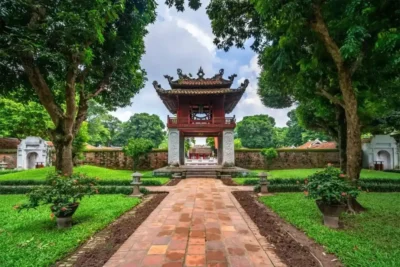
For trip planning, the useful role of the Old Quarter is simple: it is the easiest base for walking access to Hoan Kiem Lake, food, markets and evening street life. It does not replace the rest of Hanoi. The Ho Chi Minh complex, Temple of Literature, West Lake and several museums sit outside this compact core.
| Time in the Old Quarter | What fits | Planning note |
| Half day | Lake + several guild streets + one food or market stop | Keep the route compact and avoid crossing the district repeatedly. |
| Full day | Historic streets + temple/market + food + evening walk | Use a proper break in the hottest or busiest part of the day. |
| 2+ days in Hanoi | Old Quarter on one block, wider Hanoi on another | Do not spend the whole city stay inside the historic core. |
Boundaries and layout of the Old Quarter
The Old Quarter is easier to explore when Hoan Kiem Lake, Dong Xuan Market and the main north–south walking streets are used as orientation points. You do not need to memorise every historic street name before starting; choose one compact direction and let the next stop follow naturally from it. The familiar “36 streets” idea is best understood as a reference to the quarter’s historic guild-and-trading pattern rather than a strict modern boundary. Many street names beginning with “Hang” still reflect goods or crafts historically associated with the area, even though today’s shops and residents are much more mixed.For practical orientation, use Hoan Kiem Lake on the south side, Dong Xuan Market toward the north and Phung Hung on the west as useful reference points. The modern district is mixed: some streets still show traces of older trading specialisations, while others have changed completely. Treat the historic names as context for the walk, not as a promise that each street still sells one traditional product.
Landmarks and local-life stops
The Old Quarter works best when you combine one or two historical anchors with the street network itself. You do not need every temple, gate and market in one walk.
Hoan Kiem Lake and Ngoc Son Temple
Hoan Kiem Lake is the easiest orientation point for a first visit. Ngoc Son Temple sits on an island reached by the red Huc Bridge and fits naturally into a walk around the lake. Early morning can be lively with local exercise, but there is no need to arrive at a fixed hour for the area to be worthwhile.
Historical temples, gates and merchant houses
Bach Ma Temple, O Quan Chuong gate and the heritage house at 87 Ma May each add a different layer: religious history, the old city boundary and merchant-house architecture. Pick the stops that match the route instead of treating all three as compulsory.
Markets and local-life areas

Dong Xuan is the main covered market in this part of Hanoi and is useful for understanding the trading role of the district. Smaller produce and street markets around the northern Old Quarter change through the day, so use them as part of the walk rather than travelling for a promise of an “authentic” market experience.
Streets and areas to explore
The street names still hint at the quarter’s trading history, but the modern mix changes block by block. Instead of chasing a fixed “best street” list, choose a small group that fits the direction you are already walking.

- Hang Gai: useful for silk, galleries and a more polished retail street close to the lake.
- Hang Ma: visually distinctive around festival and decoration seasons, with merchandise changing through the year.
- Hang Bac: retains links to jewellery and metalwork within a busy commercial street.
- Phung Hung: sits on the western side of the historic core and can be paired with the railway arches and nearby market streets.
Food and drink in the Old Quarter
Food fits naturally into an Old Quarter walk because breakfast shops, noodle specialists, cafés and snack vendors are spread across the district. The useful approach is to choose by meal type and location rather than treating one address as mandatory.
- Phở: a common breakfast or light meal; broth and condiments vary by shop.
- Bún chả: works well as a proper lunch with grilled pork, rice noodles, herbs and dipping sauce.
- Egg coffee: available at many central cafés and useful as a seated break between walking blocks.
- Bún bò Nam Bộ and other dry noodle dishes: useful when you want a lighter bowl without another broth-based meal.
For a fuller dish-by-dish plan, use our Best Food in Hanoi guide.
Old Quarter evening and night-market planning
The Old Quarter becomes busier in the evening as food streets, pedestrian areas and shopping activity overlap. Weekend market and pedestrian arrangements can change with city management, holidays and events, so check the current schedule instead of building the whole evening around a fixed closing time.
If the night market is operating, use it as one part of the evening rather than the sole reason to visit the district. Food, people-watching and a lake walk can be combined without needing to cover the full market route from end to end.
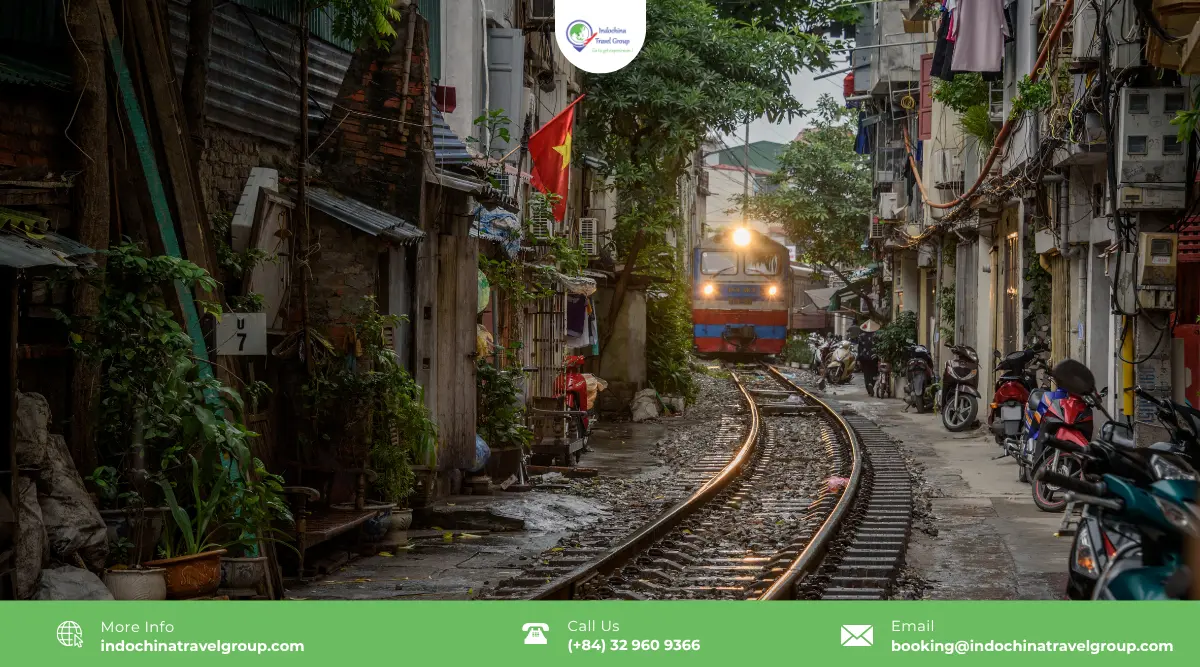
Train Street is separate from the night market and should remain conditional. It is an active railway corridor; access rules and permitted viewing areas can change, so follow current local restrictions and do not plan on standing on the tracks.
Walking routes through the Old Quarter
The Old Quarter is compact enough to explore on foot, but route shape matters because busy junctions, markets and food stops slow the pace. A guided walk can add historical context; an independent walk works well when you group streets by direction instead of zig-zagging across the district.
| Route block | Useful stops | Why it works |
| Lake + heritage | Hoan Kiem, Ngoc Son, Ma May | Compact first orientation with history and café time. |
| Guild streets + market | Hang Bac, Hang Ma, Dong Xuan | Shows the trading structure without crossing the whole district repeatedly. |
| Food + evening | One speciality meal, coffee, pedestrian/night-market area if operating | Lets the evening remain flexible around current street closures and crowd levels. |
A full day can combine two of these blocks with a proper lunch or café break. If the group only has a few hours, choose one block and leave the rest for another Hanoi day rather than forcing a fixed hourly checklist.
Practical tips for exploring the Hanoi Old Quarter

- Road crossings: use marked crossings, signals, pedestrian refuges or calmer junctions where available. Traffic behaviour varies, so do not rely on a rule that vehicles will automatically move around you.
- Walking pace: allow extra time for narrow pavements, parked motorbikes, market activity and busy intersections.
- Cash and payments: carry some Vietnamese dong for smaller vendors; cafés and larger shops may offer additional payment methods.
- Temple etiquette: dress respectfully and follow the instructions posted at the specific religious site. Shoe or hat rules vary by space.
- Maps: save the hotel location and a few key landmarks offline so a wrong turn does not become a long detour.
How to explore the Old Quarter without overloading the walk
The Old Quarter works better as a walking area than a checklist. Two or three connected streets, a market and a food stop usually create a more coherent block than zig-zagging across the district for every famous address. Morning and evening feel different, so choose the time by the kind of street life, food or market activity you want rather than by a fixed sightseeing script.If Hanoi is one stop in a wider itinerary, keep this page focused on the historic core and use our Hanoi Travel Guide for the rest of the city.
For route planning beyond Hanoi, use the Northern Vietnam route guide to decide whether the next section should be Ninh Binh, Ha Long Bay, Sapa, Ha Giang or a slower countryside route.
Recommended Tours

Group Tour
Hanoi – Sapa – DaNang 8 Days 7 Nights
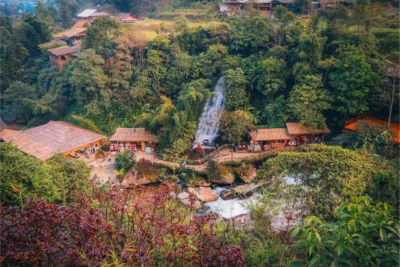
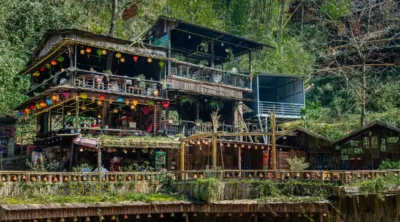
Hanoi - City Tour - Sapa- Cat Cat Village - Moana Cafe - Fansipan - Muong Hoa Train - Ninh Binh - Tam Coc - Halong Bay - Da Nang - Hoi An Ancient Town - Bana Hills - Golden Bridge

Group Tour
Vietnam – Joining Group Tour 12 Days
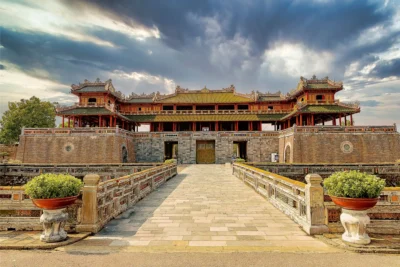
Ha Noi City Tour - Ninh Binh - Halong Bay Overnight On Cruise - Hue - Hoi An Eco Tour - Ho Chi Minh City - Cu Chi Tunnels - Mekong Delta
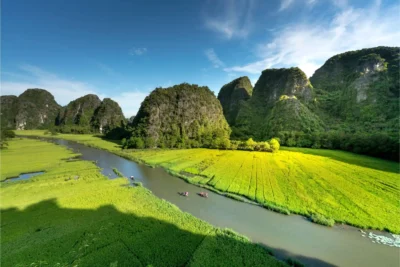
5D4N DISCOVER HANOI – HALONG (DAY CRUISE) – TAM COC (SEAT IN COACH)

Group Tour
Hanoi – Ho Chi Minh – Siem Reap 8D7N
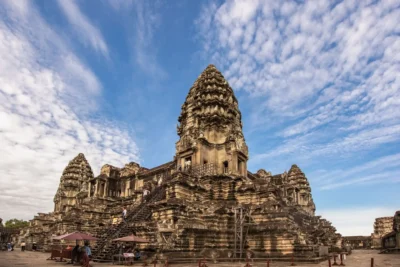
Hanoi - Ninh Binh - Halong Bay Overnight On Cruise - Ho Chi Minh - Cu Chi Tunnels - Siem Reap - Angkor Wat Full Day