

What food should you try in Hanoi? A useful first shortlist is phở, bún chả, chả cá, bánh cuốn, xôi xéo, bún thang, bún ốc and cà phê trứng. You do not need all eight in one day; breakfast, one proper lunch, a café break and dinner near the final sightseeing area make a more realistic food plan.
Hanoi food at a glance
Hanoi cooking includes clear noodle broths, grilled pork, sticky rice, rice rolls, fish dishes, coffee and market snacks, but there is no single flavour profile that every shop follows. Recipes change by family, neighbourhood and meal type, so treat “Hanoi style” as a useful pattern rather than one fixed recipe.
For a first food day, a simple structure usually works well: one breakfast dish, one proper lunch, coffee or a light snack in the afternoon, then dinner near the part of the city you already plan to explore. That avoids spending the whole day crossing Hanoi just to reach famous addresses.
| Meal window | Useful choices | Planning note |
| Breakfast | Phở, xôi, cháo, bánh cuốn | Choose close to the first sightseeing zone rather than crossing the city for one famous shop. |
| Lunch | Bún chả, chả cá, bún đậu, noodle soups | Give speciality dishes enough seated time instead of squeezing them between attractions. |
| Afternoon | Coffee, bánh mì, nộm, lighter snacks | Use the stop as a walking break and keep the route compact. |
| Dinner | Shared dishes, grilled food, noodles | Finish near the final neighbourhood of the day to reduce unnecessary transfers. |
Specialist shops with steady turnover can be useful places to compare, but popularity is not a food-safety guarantee and does not mean the venue will suit every traveller. If hygiene, spice level, dietary restrictions or seating comfort matter, check those details before ordering instead of treating crowd size as a quality certificate.
Hanoi breakfast and morning dishes
Breakfast is an important part of Hanoi’s daily food rhythm, with noodle soups, sticky rice, porridge and steamed rice rolls all common morning choices. Which one fits best depends on how much time you have and whether you want a seated meal or something quick before sightseeing.
Phở bò or phở gà

Phở is one of Hanoi’s best-known breakfast options, but broth, herbs and condiments vary widely by shop. Beef and chicken versions are both common. Rather than travelling across the city for one famous bowl, compare specialist shops near the area you are already visiting and choose one that fits the route and your comfort with the setup.
Sticky rice
Xôi works well when you want something quick and filling. Xôi xéo commonly combines sticky rice with mung bean and fried shallots, while chicken or pork-based versions are more substantial. Toppings and portion size vary, so order by appetite rather than by a fixed “must-have” combination.
Rice porridge
Cháo is a lighter option, especially on cooler mornings or when a traveller wants a softer meal. Pork-rib porridge, chicken porridge and other versions are widely available; fried dough, pepper, herbs and other toppings depend on the shop.
Steamed rice rolls
Bánh cuốn uses thin steamed rice sheets, often filled with minced pork and wood-ear mushroom and served with dipping sauce, herbs and sometimes Vietnamese sausage. It is a good breakfast or light lunch when you want something less broth-heavy than phở.
Hanoi lunch dishes
Lunch is where Hanoi’s food choices become broader. Grilled pork, tofu and noodles, fish dishes and clear noodle soups all work well, but the useful decision is whether the group wants one speciality meal or a table with several shared components.
Bún chả

Bún chả combines grilled pork, rice vermicelli, herbs and dipping sauce. Portion size, sweetness and the balance between patties and sliced pork vary by shop. It works especially well at lunch because many specialist kitchens prepare the grill continuously through the midday period.
Bún đậu mắm tôm
Bún đậu mắm tôm is a shared plate built around rice vermicelli, fried tofu, herbs and fermented shrimp paste, often with additional pork or sausage. The shrimp paste is assertive, so travellers who are unsure can ask for a milder dipping sauce instead of treating the traditional condiment as compulsory.
Chả cá

Chả cá centres on fish cooked with turmeric, dill and spring onion, usually eaten with rice noodles, herbs and sauce. It is a more involved seated meal than a quick noodle breakfast, so give it a proper lunch or dinner slot rather than squeezing it between attractions.
Bún thang, bún riêu and bún ốc

Bún thang is a lighter Hanoi noodle soup commonly built around chicken, egg and Vietnamese sausage. Bún riêu moves toward a tomato-led broth with crab-based components, while bún ốc uses rice vermicelli and snails in a tangy tomato-based broth, with the exact toppings varying by shop. These are useful choices when you want a Hanoi noodle meal without simply repeating phở.
Snacks and lighter Hanoi food stops
Afternoon food works best as a flexible layer around the sightseeing plan. A sandwich, glass-noodle dish, salad or market snack can fill a gap without turning the day into a continuous food crawl.
Bánh mì

Hanoi bánh mì ranges from simple pâté-led versions to sandwiches with pork, sausage, egg or other fillings. Bread, filling ratio and condiments vary widely, so choose by appetite and freshness rather than expecting one standard Hanoi recipe.
Miến dishes
Miến uses mung-bean glass noodles and appears in both broth and dry-mixed dishes. Eel, chicken and other toppings are common. It can work well for travellers who want a lighter noodle texture than rice noodles.
Nộm bò khô
Nộm bò khô combines shredded green papaya, carrot, dried beef, peanuts and a sweet-sour dressing. It works well as a shared snack near central Hanoi, especially when the group wants something lighter between larger meals.
Coffee and local drinks
Coffee is useful as a pacing tool in Hanoi: it gives the itinerary a natural break between walking blocks and lets the group slow down without adding another attraction. For brewing methods, drink styles and café formats beyond Hanoi, use the Vietnamese Coffee Culture Guide.
Egg coffee

Egg coffee combines coffee with a rich egg-yolk and condensed-milk foam. It is now available at many cafés around central Hanoi, so there is little need to cross the city for one address unless the venue itself matters to the traveller.
Phin coffee and other drinks
Black phin coffee, coffee with condensed milk, iced tea, sugarcane juice and soy milk are all easy to find. Sweetness, ice level and roast style vary by venue, so ask for adjustments when needed rather than assuming one nationwide recipe.
Where to fit food into a Hanoi day
Old Quarter and Hoan Kiem: the easiest area for a first food-focused walk because breakfast, lunch, coffee and market snacks can be combined with central sightseeing on foot. Use our Hanoi Old Quarter Guide when the street layout itself is part of the plan.
Dong Xuan and the northern Old Quarter: useful for market context and simple street-food stops, but visit for the wider market area rather than one fixed stall.

West Lake and newer districts: better when the group wants cafés, longer seated meals or a break from the density of the Old Quarter. This is a different food-and-city rhythm rather than a substitute for the historic core.
Practical ordering and food-safety checks
- Prices: ask the price before ordering when it is not displayed, especially for seafood, shared plates or items sold by weight.
- Payment: carry some Vietnamese dong for small vendors; larger restaurants may also accept cards or local QR payments.
- Dietary needs: communicate allergies or ingredient restrictions clearly. Broths, sauces and fillings can contain fish sauce, shrimp paste, peanuts or other ingredients that are not obvious from the dish name.
- Hygiene: choose places where food is being prepared continuously, ingredients look fresh and the eating area is reasonably clean. Personal comfort matters more than proving that a stall is “local enough.”
- Pacing: one or two food stops between sightseeing blocks is usually more enjoyable than trying to collect every famous dish in one day.
For a broader street-food overview beyond Hanoi, see our Vietnamese Street Food Guide.
Build the Hanoi food day around meals and neighbourhoods
A good Hanoi food day follows the city you are already visiting: breakfast near the first sightseeing zone, a proper lunch, coffee when the walking pace needs a break, and dinner close to the final stop. Use our Hanoi Travel Guide for the wider city plan.
Once the city and route are clear, compare our Vietnam Tour Packages if you want the food layer built into a broader itinerary.

Recommended Tours

Group Tour
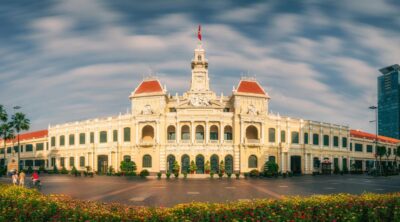
Hanoi – Sapa – Danang – Ho Chi Minh 10D9N
Hanoi - Sapa - Fansipan Peak - Ninh Binh - Halong Bay Overnight On Cruise - Danang - Hoi An Ancient Town - Bana Hills - Golden Bridge - Ho Chi Minh - Cu Chi Tunnels - Mekong Delta


Private Tour
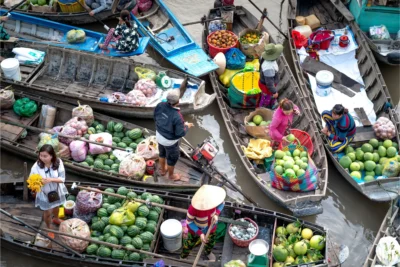
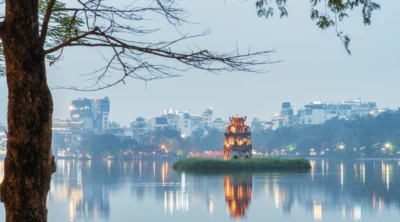
Ho Chi Minh – Cu Chi Tunnels – Mekong Delta 4D3N
Ho Chi Minh - Cu Chi Tunnels - Mekong Delta

Private Tour
Vietnam Highlights 7 Days 6 Nights Tour
Hanoi Arrival - Hanoi City Tour - Ha Long Bay Day Cruise - Fly to Da Nang - Coconut Village - Hoi An Ancient Town - Ba Na Hills - Golden Bridge - Fly to Ho Chi Minh City - Cu Chi Tunnels - Mekong Delta - Departure


5D4N DELIGHT DANANG TOUR (DANANG – BA NA HILL FRENCH VILLAGE – HOI AN – HUE CITY) (SEAT IN COACH)

Private Tour
Vietnam Panorama Discovery 16D15N
Ho Chi Minh - Cu Chi Tunnels - Mekong Delta Tour - Can Tho - Da Lat - Nha Trang - Hoi An - Da Nang - Hue - Hanoi - Halong Bay Overnight On Cruise