
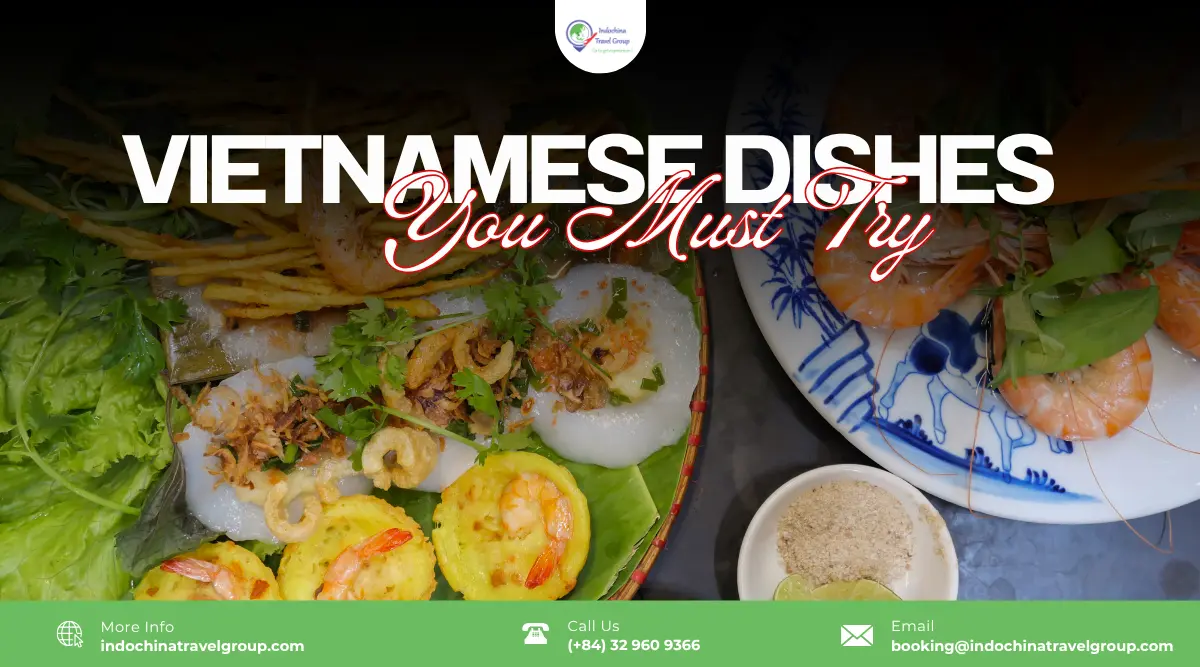
Use dish families to make the menu easier to read
Vietnamese cooking includes noodle soups, dry noodle dishes, rice plates, breads, pancakes, rolls, salads, braises, grilled foods, snacks and desserts. Herbs, fish sauce, rice products and fresh vegetables appear often, but there is no single national formula that defines every dish or region.
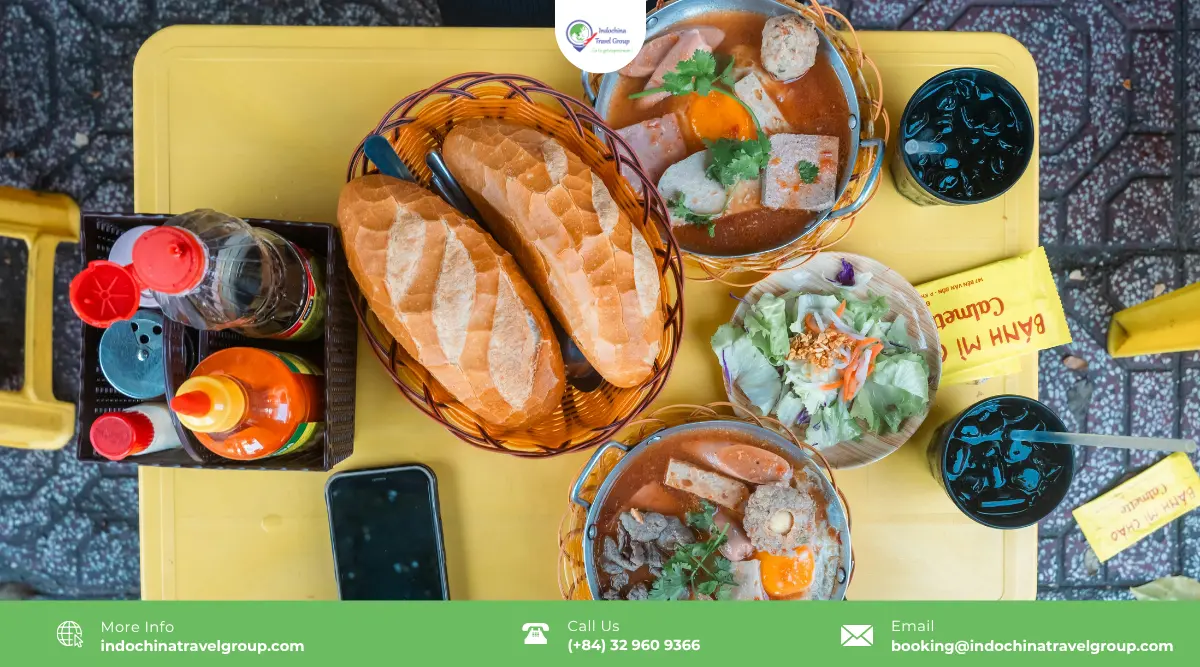
For travellers, the useful approach is to choose a few dishes from different categories and regions rather than trying to complete a national checklist. A Hanoi stay, a Hue stop and several days in Ho Chi Minh City will naturally expose you to different dishes without needing to chase every famous name in every city.
Representative dishes to recognise on the route
You do not need to try every famous dish to understand the food landscape. A few representative examples make menus easier to navigate and leave room for regional discoveries later in the trip.
Noodle soups
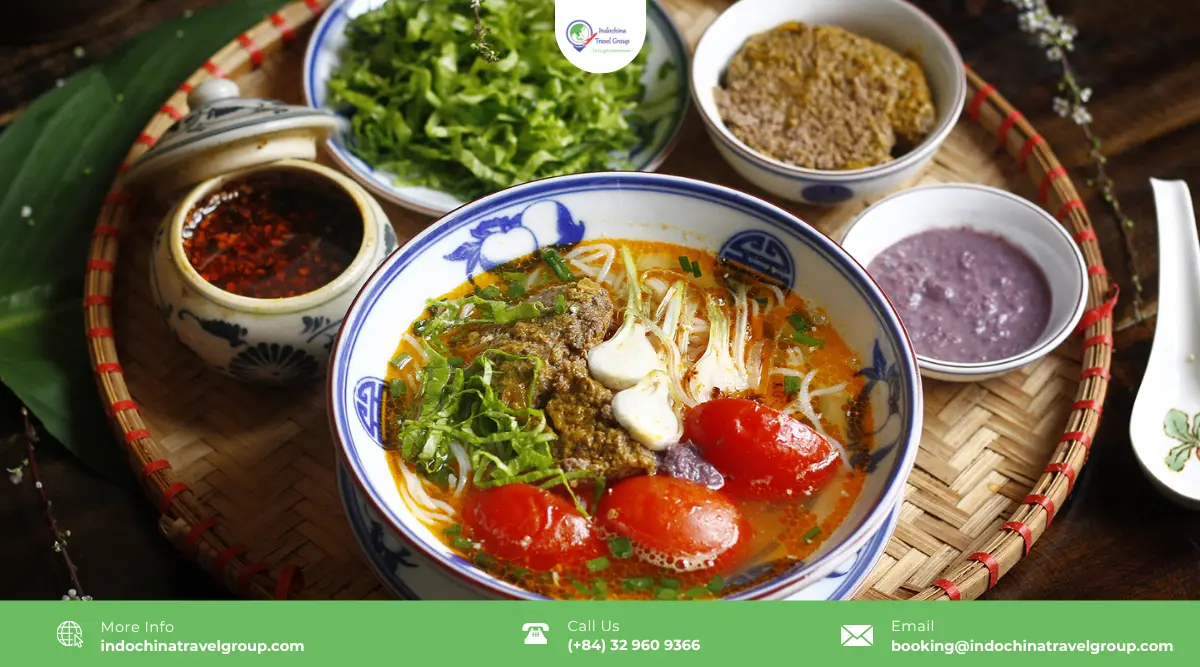
- Phở: rice-noodle soup served in many regional and house styles. Broth, garnishes and condiments vary by city and vendor.
- Bún bò Huế: a central-Vietnam noodle soup commonly associated with Hue, often using lemongrass and a richer, spicier broth profile.
- Bún riêu: vermicelli soup commonly built around tomato and crab-based components, with recipes varying widely by region and shop.
Breads, pancakes and rolls
- Bánh mì: Vietnamese baguette sandwiches with fillings that can include pâté, meats, eggs, pickles, herbs or vegetarian alternatives.
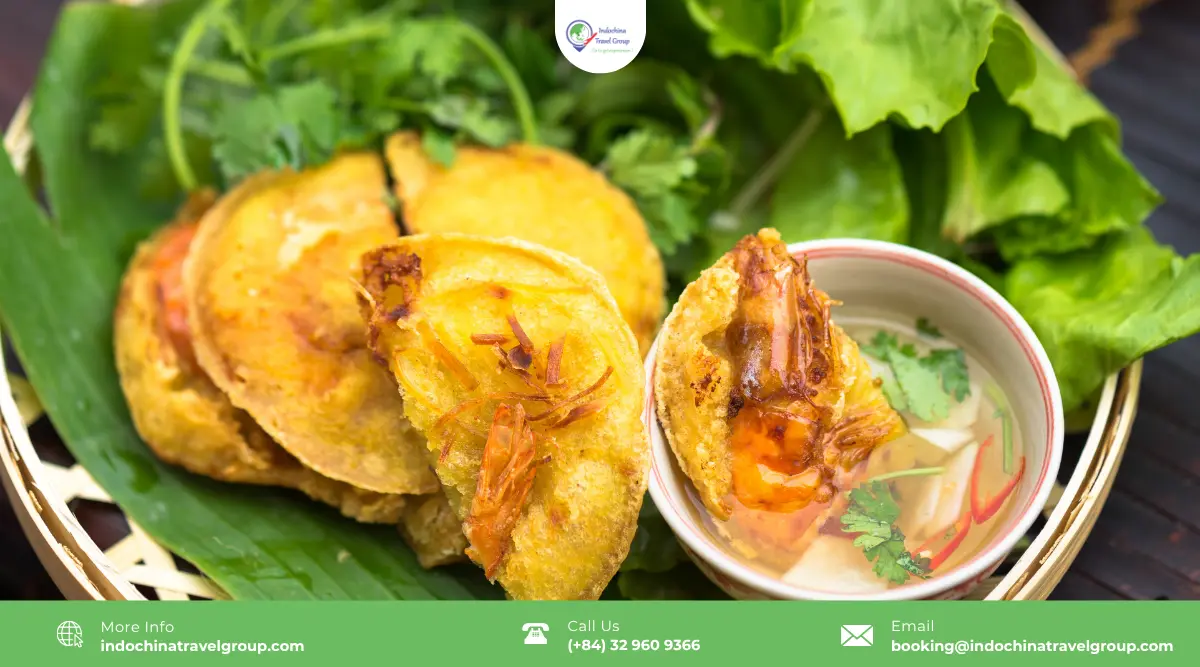
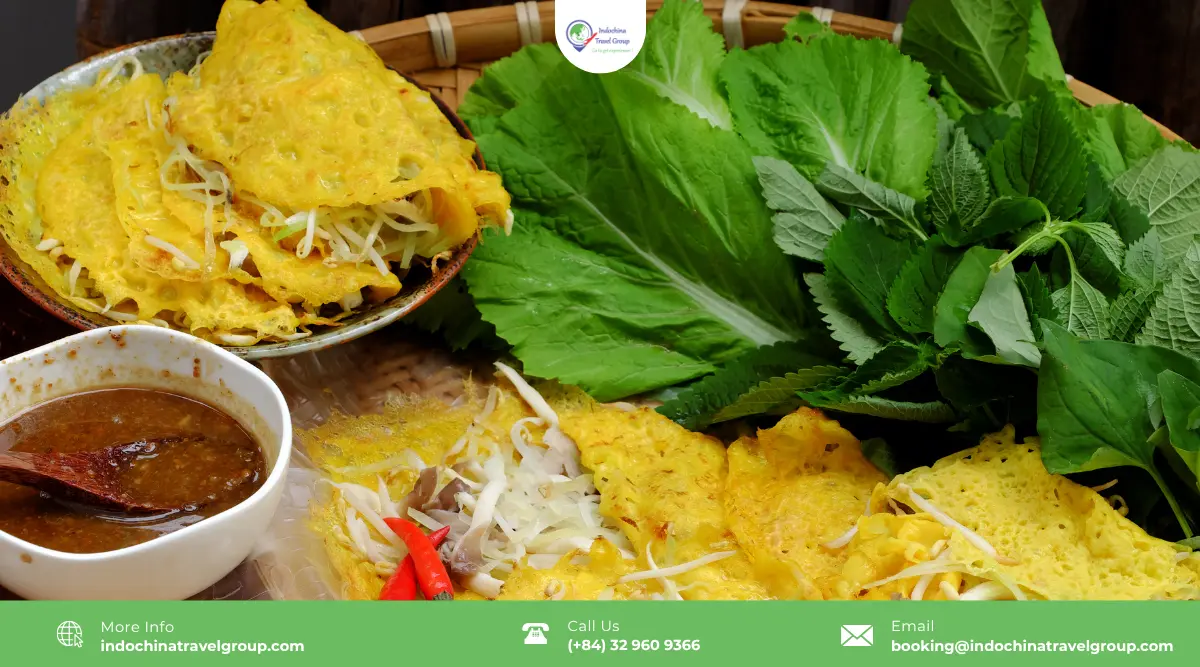
- Bánh xèo: a crisp rice-batter pancake usually eaten with herbs and dipping sauce; size, filling and wrapping style vary by region.
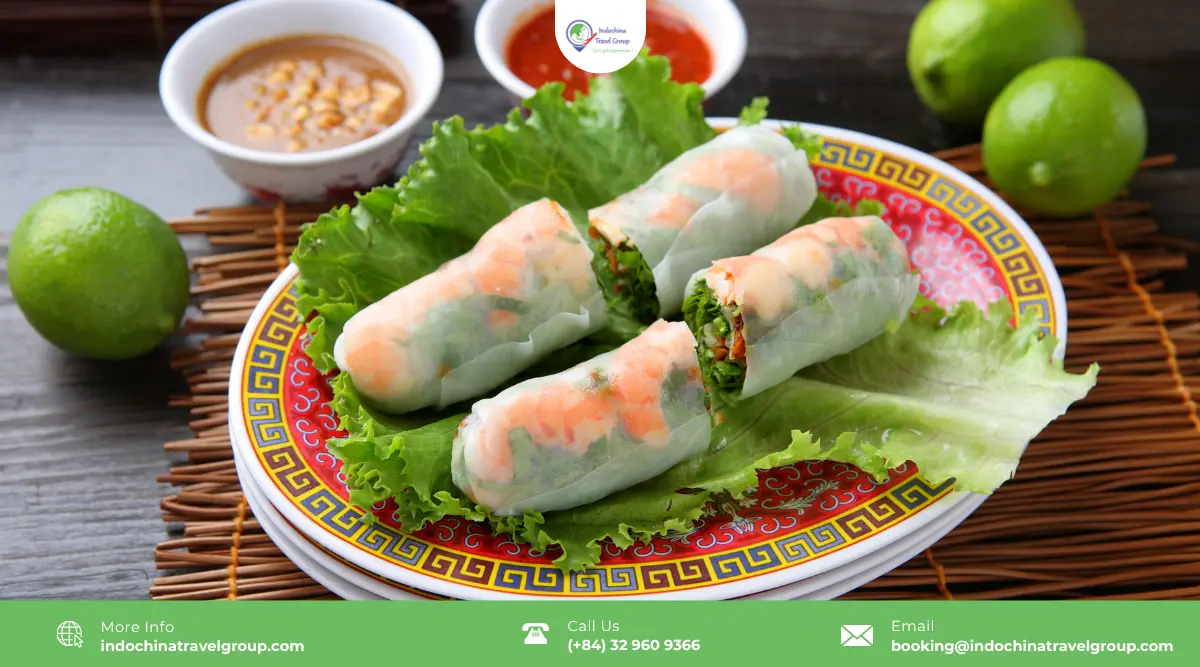
- Gỏi cuốn: fresh rice-paper rolls with herbs, noodles and fillings such as shrimp, pork or tofu depending on the venue.
Rice meals
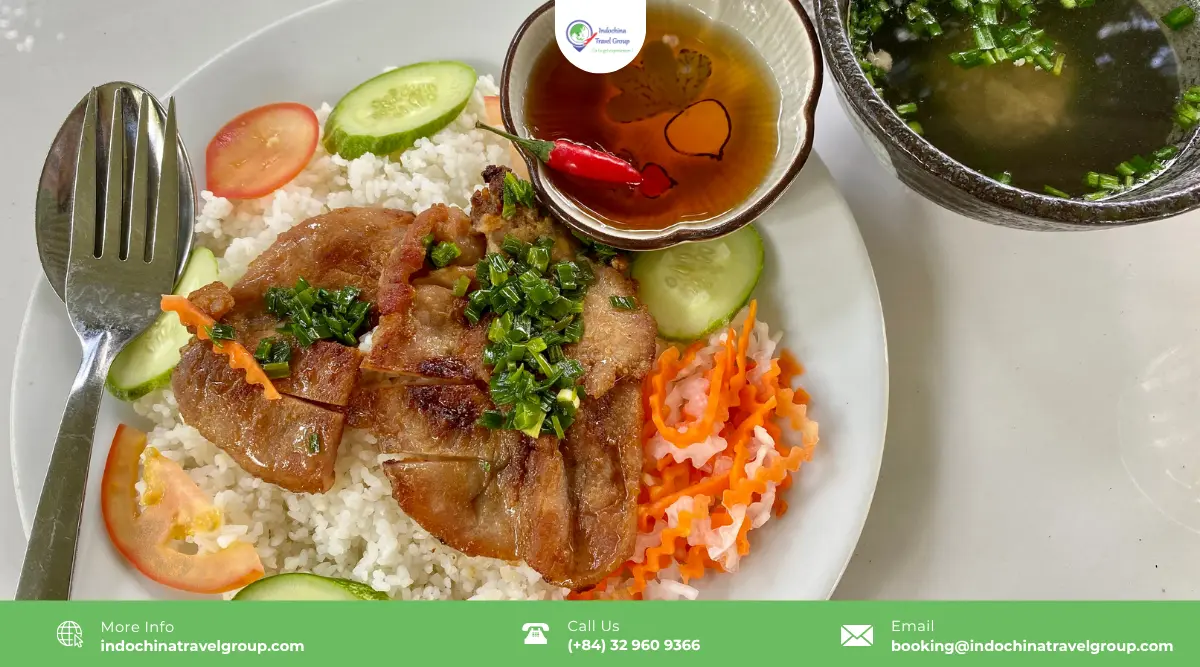
- Cơm tấm: broken-rice plate strongly associated with southern Vietnam, often served with grilled meat, egg or other accompaniments.
- Cơm bình dân: a rice-meal format where diners choose from prepared dishes and sides. It is useful for groups because different people can build different plates.
Let the route introduce regional dishes naturally
Regional variation matters, but it is more accurate to follow specific dishes and cities than to describe entire regions with one flavour profile.
- Hanoi: bún chả, chả cá, bánh cuốn and northern phở are useful examples when the route already includes the capital.
- Hue: bún bò Huế and smaller savoury cakes add a different central-Vietnam food layer alongside the city’s imperial history.
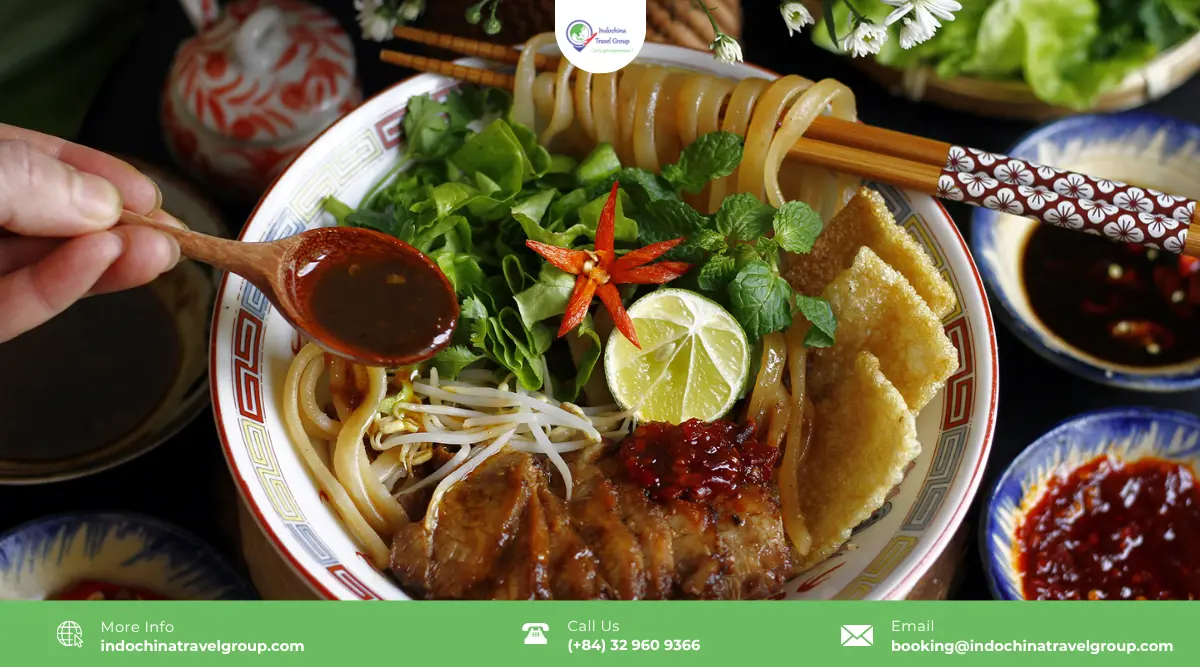
- Hoi An / Da Nang: cao lầu, mì Quảng and bánh xèo can be explored without treating one recipe as the only “authentic” version.
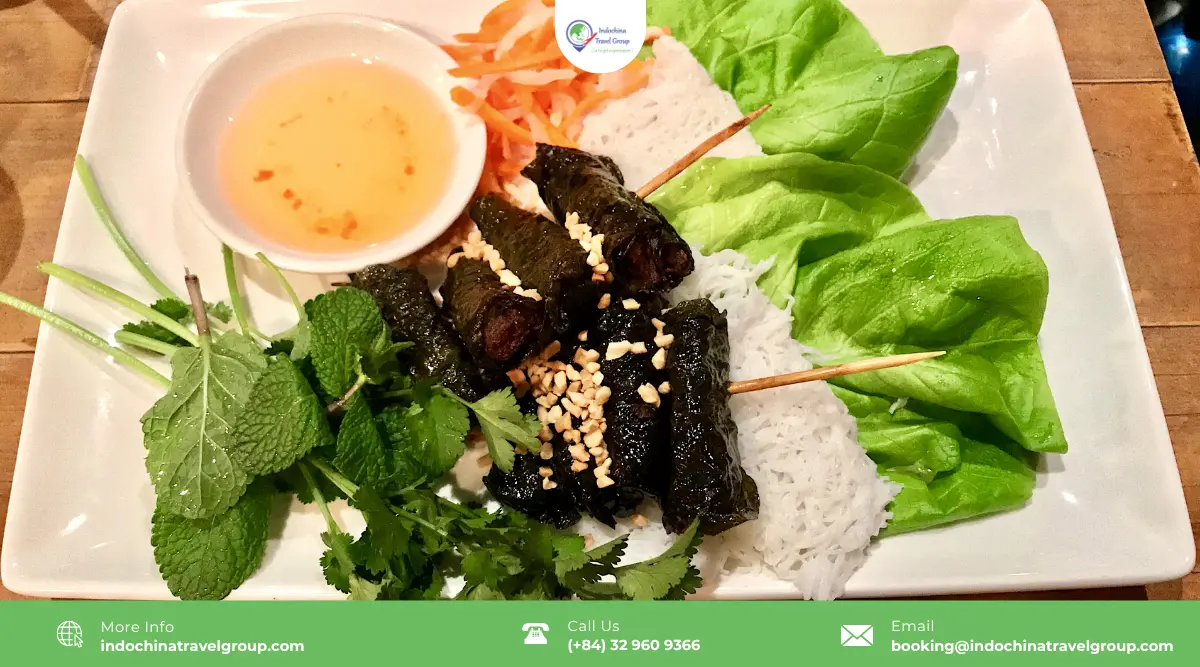
- Ho Chi Minh City: cơm tấm, hủ tiếu, bò lá lốt and many southern or migrant food traditions appear across different districts.
- Mekong Delta: river fish, fruit, coconut and province-specific dishes become more relevant when the itinerary already goes into the delta.
Use city food guides for deeper dish and restaurant decisions. This national page should help you recognise the dish families and regional associations, not rank every city.
Choose the eating setting separately from the dish
The same dish may appear at a street stall, market counter, small specialist shop or full restaurant. Venue format affects comfort, menu breadth, ordering and how easily ingredients can be discussed, but it does not automatically determine quality.
For the street-food layer—venue cues, ordering, payment and hygiene limits—use the Street Food in Vietnam guide. Choose restaurants or specialist shops when seating, allergy communication, air conditioning or a wider menu matters more than the street setting.
Keep ordering practical
You do not need a national “eat like a local” script. Follow the venue in front of you: some places bring utensils and condiments to the table, some use self-service stations, and payment may happen at the table, counter or on the way out.
Simple phrases such as tính tiền (bill, please) or pointing clearly to a menu item can help. For current payment options, ask the venue rather than assuming a stall is cash-only or that foreign cards or local QR systems will work.
Dietary needs change which dishes and venues are practical
Ăn chay is a useful vegetarian term, but vegetarian, vegan and allergy requirements still need ingredient-level confirmation. Fish sauce, shrimp paste, peanuts, egg, dairy or shared cooking equipment may appear even when the visible dish looks compatible with a restriction.
Travellers with severe allergies or strict cross-contact requirements should prioritise venues where staff can discuss ingredients and preparation clearly. A dedicated vegetarian restaurant may simplify some diets, but “chay” does not automatically answer every vegan or allergy question.
Choose a few dishes that fit the places you are already visiting
A useful Vietnam food plan is not a checklist of compulsory dishes. Pick a few representative foods in each region, try them in settings that suit the group, and let destination-specific food guides handle the deeper restaurant or neighbourhood decisions.
If you want to move from tasting to learning, use the Cooking Classes in Vietnam guide. If the wider route is still undecided, return to Things to Do in Vietnam before adding more food stops.

Recommended Tours

Group Tour
Hanoi – Sapa – Danang – Ho Chi Minh 10D9N
Hanoi - Sapa - Fansipan Peak - Ninh Binh - Halong Bay Overnight On Cruise - Danang - Hoi An Ancient Town - Bana Hills - Golden Bridge - Ho Chi Minh - Cu Chi Tunnels - Mekong Delta

Private Tour
Ho Chi Minh – Cu Chi Tunnels – Mekong Delta 4D3N
Ho Chi Minh - Cu Chi Tunnels - Mekong Delta
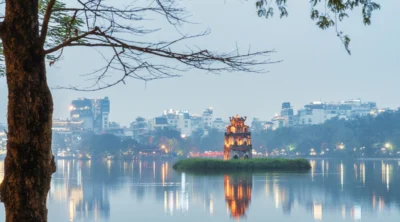

Private Tour
Vietnam Highlights 7 Days 6 Nights Tour
Hanoi Arrival - Hanoi City Tour - Ha Long Bay Day Cruise - Fly to Da Nang - Coconut Village - Hoi An Ancient Town - Ba Na Hills - Golden Bridge - Fly to Ho Chi Minh City - Cu Chi Tunnels - Mekong Delta - Departure

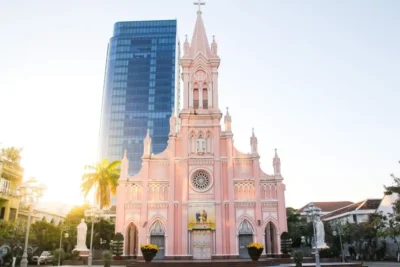
5D4N DELIGHT DANANG TOUR (DANANG – BA NA HILL FRENCH VILLAGE – HOI AN – HUE CITY) (SEAT IN COACH)

Private Tour
Vietnam Panorama Discovery 16D15N
Ho Chi Minh - Cu Chi Tunnels - Mekong Delta Tour - Can Tho - Da Lat - Nha Trang - Hoi An - Da Nang - Hue - Hanoi - Halong Bay Overnight On Cruise