

What should you eat in Ho Chi Minh City? A practical first shortlist is cơm tấm, hủ tiếu, bánh mì, ốc, bò lá lốt, bánh xèo, bún thịt nướng and chè. Cơm tấm and hủ tiếu are especially useful starting points because both are closely tied to everyday Saigon eating; the rest can be added around the neighbourhoods already on your itinerary.
Ho Chi Minh City food scene at a glance
Saigon food is easier to understand by meal setting and neighbourhood than by a single “southern flavour” formula. Street stalls, family-run shops, markets, cafés and full-service restaurants all overlap across the city, and the same dish can taste noticeably different from one neighbourhood to another. Recipes reflect many regional and community influences, so avoid treating sweetness, herbs or one sauce style as a rule for the whole city.For travellers, the practical difference is flexibility. Breakfast can be a noodle or rice shop near the hotel, lunch may fit around the historical core or Cholon, and dinner can move toward District 4 or another neighbourhood known for evening food. Rather than crossing the city for every famous dish, plan meals around where the day already takes you.Morning noodle shops, lunchtime rice stalls, afternoon cafés and evening seafood or grill streets create different food windows through the day. Busy local places can be a useful signal, but queues and parked motorbikes are not a quality guarantee. Check what is being cooked, how ingredients are handled, whether prices are clear and whether the location fits the rest of your route.Main dishes to look for in Ho Chi Minh City
A few dishes appear repeatedly across the city, but they are better treated as starting points than a checklist. What matters is understanding what is on the plate, when the dish fits the day and whether you want a quick street-side meal or a slower sit-down version.Rice-based plate
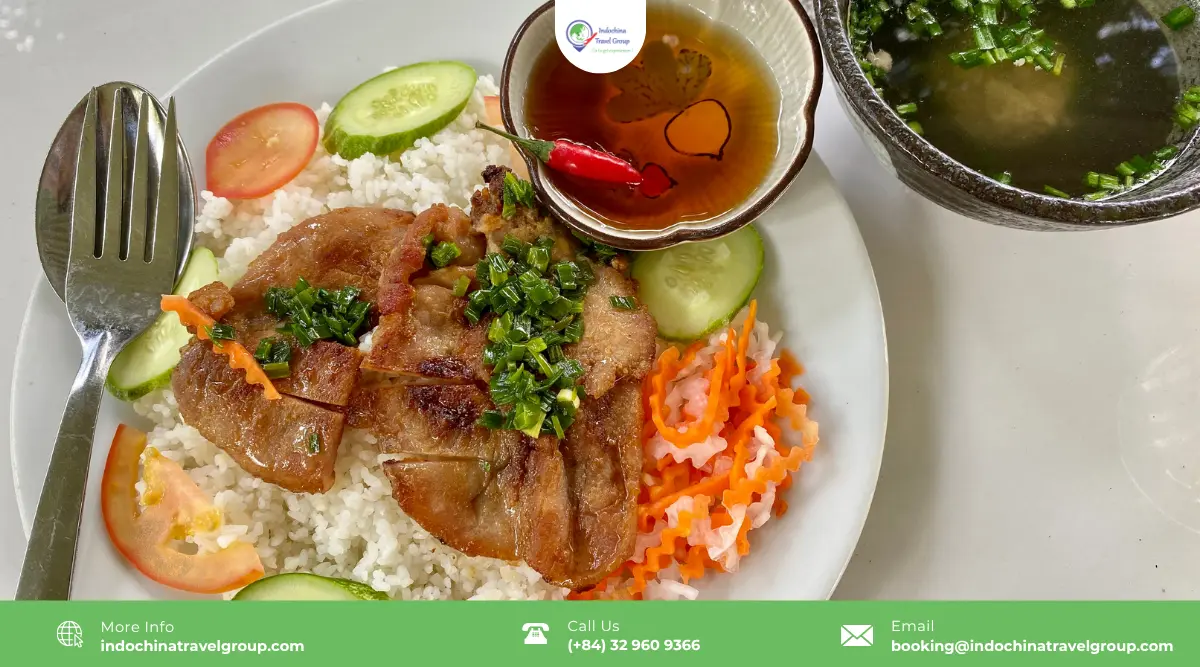
Cơm tấm (broken rice) is strongly associated with Ho Chi Minh City and is easy to find from breakfast through lunch and dinner. Its origins are tied to broken rice grains, but today it is served across a wide range of casual shops and street-side eateries.A common plate combines grilled pork chop (sườn), shredded pork skin (bì) or egg-and-meat cake (chả), often with a fried egg, pickles and a fish-sauce dressing. Portions and combinations vary by shop, so order the components you actually want rather than assuming there is one “authentic” plate.Cơm bình dân shops are useful when a group wants different dishes at the same meal. Many operate as point-and-choose counters with braised meats, tofu, fish, vegetables and soups; the exact selection changes through the day.Hủ tiếu and rice-vermicelli bowls
Hủ tiếu is one of the most useful noodle dishes to prioritise in Ho Chi Minh City. It can be served as a clear-broth soup or as a dry noodle bowl with broth on the side, with toppings varying by shop. Hủ tiếu Nam Vang commonly combines pork and seafood elements, but there is no need to look for one fixed topping list before ordering.
Phở is also easy to find in the city, while bún thịt nướng offers a dry rice-vermicelli option with grilled pork, herbs, pickles and fish-sauce dressing; some versions add chả giò and peanuts. If you only have room for one Saigon-focused noodle meal, hủ tiếu adds more local contrast than treating phở as the default everywhere in Vietnam.
Signature Saigon-style specialties
Bò lá lốt is a useful evening dish when the group wants grilled food that can be shared. Seasoned beef is wrapped in piper lolot leaves and grilled, then commonly served with rice paper, noodles, herbs and dipping sauce; accompaniments vary by shop.Southern bánh xèo is often larger and thinner than many central-Vietnam versions. The crisp rice-flour and turmeric pancake may include pork, shrimp and bean sprouts, then be eaten with leaves, herbs and dipping sauce. Size, filling and the accompanying greens vary by shop, so treat this as a broad regional style rather than one fixed recipe.Snacks and street-side food

Street-side eating works best when it fills the gaps between larger meals rather than becoming a checklist of famous stalls. Bánh mì, gỏi cuốn, grilled skewers and ốc can all fit, but preparation and accompaniments vary by vendor.
For bánh mì, fillings may include pâté, cold cuts, grilled meat, pickles, cucumber and herbs. Gỏi cuốn usually combines rice paper, herbs, noodles and a protein with dipping sauce. In the evening, seafood and snail stalls can become a full meal, so check prices and portion sizes before ordering several plates.
Busy markets and food streets can be useful for variety, but choose the stop by hygiene, clear pricing and where the day already takes you—not because one stall is described online as the “only” place to try a dish.
Drinks and café breaks in Saigon

Cà phê sữa đá is an easy afternoon café break, but strength and sweetness vary by shop. Ask for less condensed milk if you want a less sweet drink. For the broader decision on phin coffee, drink styles and café formats across Vietnam, use the Vietnamese Coffee Culture Guide.
Nước mía is pressed sugarcane juice, often served over ice and sometimes with citrus. Fruit juices, tea and bottled drinks are also common around markets and neighbourhood streets. Choose the drink that fits the meal and the rest of the day rather than treating one beverage as essential.
Where food fits by neighbourhood
Ho Chi Minh City is too large for one “food district” to solve every meal. The practical approach is to eat near the part of the city you are already visiting:
| Area | Useful for | Planning note |
| District 1 / central core | Easy first meals, cafés, markets and mixed restaurant choices | Convenient around sightseeing, but do not assume central location means better food. |
| Cholon / District 5 | Chinese-Vietnamese food, noodles, rice dishes and market context | Best paired with a Cholon sightseeing block rather than a separate cross-city meal trip. |
| District 4 | Evening seafood, ốc and grill-style meals | Busy evening streets can be noisy and crowded; check prices before ordering by weight. |
| District 3 / Phu Nhuan | Neighbourhood cafés and broad everyday dining | Useful when your hotel or route already brings you outside the main tourist core. |
| District 10 / Ho Thi Ky area | Evening snacks, street-food variety and market atmosphere | Pair the food stop with the area itself rather than crossing the city for a single dish; stall mix and operating times change. |
A practical Saigon food day

A full food day works better when each meal follows the route instead of forcing six restaurant stops across the city:
| Meal window | Possible dish | How to plan it |
| Breakfast | Phở, hủ tiếu or bánh mì | Choose a shop near the hotel or first sightseeing area. |
| Lunch | Cơm tấm or bún thịt nướng | Use a straightforward rice or noodle meal near the next stop. |
| Afternoon | Cà phê sữa đá or a light snack | Use the café break as recovery time rather than another cross-city destination. |
| Dinner | Ốc, seafood, bò lá lốt or grill dishes | Choose one evening neighbourhood and stay there for the meal. |
Practical ordering and dining tips in Ho Chi Minh City
 Small eateries in Ho Chi Minh City vary widely in seating, service and payment style. Some use low stools and shared tables; others work like ordinary restaurants. Follow the setup in front of you, keep bags secure near busy streets and ask if you are unsure whether to order at the counter or at the table.Condiments may include chilli, fish sauce, lime, herbs or pickled vegetables, but the exact setup depends on the dish and shop. Taste the food first, then adjust it to your preference rather than assuming every bowl or plate should be heavily customised.When you are ready to leave, “Tính tiền” means “bill, please”. Payment methods vary: many small stalls still prefer cash, while larger shops and restaurants may also accept cards or local QR payments. Carry some Vietnamese dong rather than assuming one method will work everywhere.
If the wider Vietnam route also includes the capital, use the Hanoi food guide for that city’s meal and neighbourhood layer rather than carrying Saigon dish assumptions into the north.
Build the Saigon food day around districts and meal times
A food day in Ho Chi Minh City works best when meals follow the neighbourhoods you already plan to visit. Use this page to choose dishes and meal styles, then use the Ho Chi Minh City destination guide for the broader decisions about hotel area, sightseeing time, traffic and day trips.
Recommended Tours


Group Tour
Hanoi – Sapa – DaNang 8 Days 7 Nights
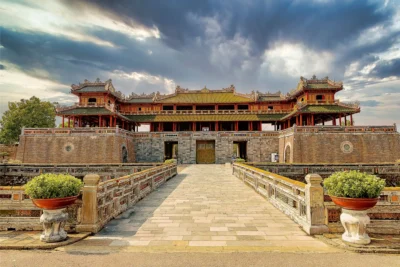
Hanoi - City Tour - Sapa- Cat Cat Village - Moana Cafe - Fansipan - Muong Hoa Train - Ninh Binh - Tam Coc - Halong Bay - Da Nang - Hoi An Ancient Town - Bana Hills - Golden Bridge

Group Tour
Vietnam – Joining Group Tour 12 Days
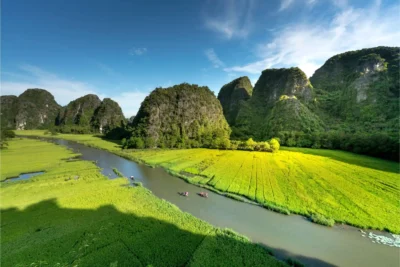
Ha Noi City Tour - Ninh Binh - Halong Bay Overnight On Cruise - Hue - Hoi An Eco Tour - Ho Chi Minh City - Cu Chi Tunnels - Mekong Delta
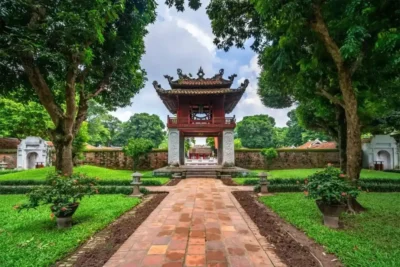
5D4N DISCOVER HANOI – HALONG (DAY CRUISE) – TAM COC (SEAT IN COACH)

Group Tour
Hanoi – Ho Chi Minh – Siem Reap 8D7N
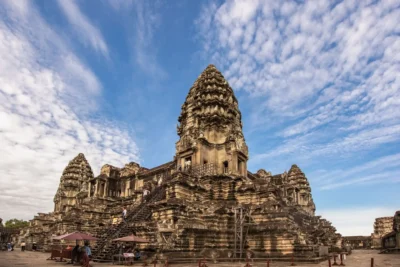
Hanoi - Ninh Binh - Halong Bay Overnight On Cruise - Ho Chi Minh - Cu Chi Tunnels - Siem Reap - Angkor Wat Full Day