
Choose the cave type before choosing the number of nights. A boat-led show cave, a walking cave, an activity cave and a guided expedition create different demands on time, fitness, water comfort, weather flexibility and booking. Start with the traveller and the cave format, then let that choice decide whether Phong Nha needs one cave day, two different activity blocks or a longer expedition-led stay. If you are comparing protected areas across Vietnam rather than planning Phong Nha specifically, use the Vietnam National Parks guide.
Four-step choice: 1) cave format, 2) physical and water demands, 3) current access/weather risk, 4) arrival/departure timing. Only then decide the number of nights.

Which Phong Nha experience fits your trip?
| Experience | Typical commitment | Planning reality |
| Phong Nha Cave boat visit | Half day | Good for a lighter sightseeing day; access depends on river and operating conditions. |
| Paradise Cave | Half day | More walking and stairs than the boat cave; combine it with only one other substantial stop. |
| Dark Cave / activity-based visit | Half to full day | Fitness, age, weather and the operator’s current activity rules matter more than the cave name alone. |
| Guided expedition | 1 day to several days | Use an authorized specialist and check the current route, fitness and seasonal requirements before booking. |
How many nights do you need in Phong Nha?
For many first visits, two nights is a practical baseline because it protects one proper cave day without forcing both arrival and departure transfers into the same sightseeing block. One night can work when transport timing is unusually clean and you only want one accessible cave; add a third night when a second cave style, a specialist activity or more weather flexibility genuinely earns the extra stay.
1 night
Works mainly as a short stop when arrival timing is favourable and you are happy choosing one accessible cave experience. It leaves little room for weather changes or a second substantial activity.
2 nights
A strong first-visit shape: protect one full cave day, then use the remaining half-day for Phong Nha Cave, a lighter nature activity or a relaxed arrival/departure block.
3 nights or more
Better when you want different cave styles, a countryside day or a guided adventure trek. Multi-day expeditions should set the stay length first because their fixed departure, fitness and recovery needs are more important than a generic sightseeing schedule.
Do not count only the cave hours. Dong Hoi connections, hotel check-in, operator meeting times and weather buffers can turn a nominally short activity into most of a usable day.
Phong Nha at a glance: town, national park and cave choices
Phong Nha is the main visitor base for Phong Nha–Ke Bang National Park. UNESCO first inscribed the site in 2003, expanded its World Heritage criteria in 2015, and in 2025 approved the transboundary World Heritage property with Hin Nam No National Park in Laos. In 2026, UNESCO also listed Phong Nha–Ke Bang as a Biosphere Reserve. See the current World Heritage record and Biosphere Reserve record for the protected-area context.For trip planning, the important distinction is between the town, the national park and the individual cave experiences. Phong Nha Cave is a relatively accessible river-and-boat visit; Paradise Cave involves more walking; activity caves add physical requirements; and restricted expeditions have their own operators, seasons and booking conditions.That means the useful question is not how many caves you can collect. It is which one or two experiences fit your time, mobility, comfort with water or trekking, and the weather conditions during your stay.Best time to visit Phong Nha: weather and cave access
Weather affects more than comfort in Phong Nha because river levels, trail conditions and individual attraction operations can change after heavy rain. Drier months are often easier for cave and outdoor planning, while the wetter period needs more flexibility and a current access check before you commit to a specific cave day.Use the season as a first filter, then check current access conditions:- Drier months: Usually the easiest period for combining caves, cycling and outdoor activities, but individual attractions can still change their schedule or access conditions.
- Wetter months: Heavy rain can raise river levels and affect boat caves, roads or outdoor activities. We check current park and operator notices rather than assuming a cave will run because it appears on the itinerary.
- Cooler transition months: Walking can feel more comfortable, but rain, damp trails and operator schedules still matter. Treat technical cave tours as separate products with their own seasonal requirements.
Phong Nha Cave itself: What to expect
Phong Nha Cave is the easiest way to understand why the river matters to the destination. The visit begins by boat from the town-side river system, so water level and current operating conditions are part of the experience rather than a background detail.Allow a substantial half-day block rather than planning the cave as a quick stop between transfers. The exact boat sequence, time inside and visitor route can change with operations, so check the current ticket and boat arrangement on the day instead of relying on a fixed minute-by-minute description.Phong Nha Cave is a useful lower-intensity introduction to the national park when a traveller wants a boat-led cave experience rather than a more physical activity. It can also fit an arrival or departure day, but only when transport timing leaves enough buffer for the current boat operation.How the main Phong Nha cave experiences differ
The main cave names solve different trip needs. Paradise Cave is a walking-based show-cave visit, Dark Cave is activity-led, and multi-day expedition caves are separate products with much higher time, fitness and booking commitments.- Paradise Cave (Thien Duong): A dry-cave visit with a substantial walking component and stairs. Choose it when formations are the priority and everyone in the group is comfortable with the access route.
- Dark Cave (Hang Tối): An activity-focused option that can involve water, kayaking, zipline or mud-based activities depending on the current programme. Check age, fitness, swimming and equipment requirements before treating it as a standard cave visit.
- Son Doong, Hang En and other expeditions: Treat these as specialist trips rather than extensions of a normal sightseeing day. Duration, cost, fitness standards, season and availability are route-specific and should be checked with the authorized operator before the wider Vietnam itinerary is fixed.
How to reach Phong Nha and choose the right gateway
 Phong Nha is now part of Quang Tri Province following Vietnam’s 2025 provincial reorganisation. Dong Hoi remains the main rail and airport gateway for many visitors, while Phong Nha town is the practical base for the national park. Choose the connection by arrival time and the first cave plan rather than treating the transfer as a sightseeing day:
- By train: Long-distance trains stop at Dong Hoi, followed by a road transfer to Phong Nha. Check the actual train arrival against hotel check-in and the next day’s cave start time before choosing an overnight service.
- By road: A private or shared road transfer can connect Phong Nha with Hue and other Central Vietnam stops. Travel time varies with the route, traffic and pickup point, so protect enough buffer before any fixed cave departure.
- Where to stay: Phong Nha town is convenient for restaurants, boat access and tour pickups. Riverside or countryside stays can be quieter, but check the distance to the departure point before choosing them for an early-start cave day.
Verify the activity behind the cave name
A cave name is not enough to understand the day. Before paying, check what participants actually do and what can change with conditions.
- Physical demand: walking distance, stairs, uneven ground, swimming, kayaking, climbing or other activity components.
- Participant rules: current age, fitness, swimming, mobility or health requirements set for that specific programme.
- Equipment: what the operator supplies and what you must bring yourself.
- Access: whether the route is a public attraction or a restricted programme requiring an authorised operator or specific permission.
- Weather fallback: what happens if river level, trail condition or park safety rules change the route or cancel the activity.
That verification matters more than choosing the most dramatic cave name. Tell the operator about relevant mobility, health or swimming limitations before confirming an activity-led or expedition route.
Booking, permits and guides
Access rules differ by cave. Public show caves use their current ticket or boat arrangements, while restricted adventure routes and expeditions require authorized operators and route-specific booking conditions.For a simple cave visit, check the current attraction ticketing and operating notice close to the travel date. For specialist expeditions, use the authorized operator for that route and follow its current availability, fitness, equipment and booking requirements. These conditions can change, so do not plan a major expedition from a fixed lead-time rule alone.Before paying, confirm who actually operates the cave activity, what is included, the cancellation terms, the equipment supplied and what happens if weather or park conditions change the route. A low headline price is not useful if the operator, access permission or safety responsibilities are unclear.How to plan a day based on your interests
 The useful way to build the stay is to choose one main cave experience per substantial block of the day and leave enough room for transport, weather and recovery:
- Short first day: Use Phong Nha Cave only when the arrival time leaves enough buffer for the current boat operation; otherwise keep the afternoon local.
- Full cave day: Choose either a substantial walking cave plus a lighter second stop, or one activity-led cave programme. Do not assume Paradise and Dark Cave should always be stacked together.
- Extra day: Use it for a nature or countryside activity only if that adds something different from the cave days; otherwise protect it for a specialist tour or a slower transfer.
Do not add a night just to fill the time
Above-ground countryside, forest or riverside time can be useful as a recovery block or weather fallback, but it should not force an extra night by itself. Give the extra night to Phong Nha when it protects a cave or expedition you genuinely want, creates a sensible weather buffer, or fits a slower Central Vietnam route. If the trip is mainly about comparing protected landscapes rather than cave access, return to the Vietnam National Parks guide.
Gear and what to pack for your journey
What you pack should follow the exact activity. A show-cave visit needs different gear from a wet cave or multi-day trek:- Footwear: Use footwear with useful grip for wet or uneven surfaces. For technical or multi-day routes, follow the operator’s specific footwear requirement rather than relying on normal sightseeing shoes.
- Sun and rain protection: Carry what matches the forecast and the amount of outdoor travel around the cave. Follow the operator’s environmental rules for any product used near water or inside protected areas.
- Technical gear: Do not assume you need to bring specialist equipment. For adventure routes, confirm what the operator supplies and what personal items you are expected to carry.
- Water protection: If the day involves boats, kayaking or wet-cave activities, protect electronics and documents according to the operator’s storage setup.
Safety, health and cave etiquette
Cave and national-park rules exist to protect both visitors and fragile formations. Treat the route instructions as part of the activity rather than as optional etiquette.Stay on the permitted route, do not touch cave formations, and follow the guide or site staff. For wet or adventure activities, be clear about swimming ability, mobility, medical limitations and any concern about confined spaces before departure.Weather can also change an apparently simple cave day. If the park, attraction or authorized operator changes the route for river level, trail condition or safety, adjust the itinerary rather than trying to preserve the original checklist.Let the cave choice decide the stay length
Phong Nha works best when the cave choice matches the traveller rather than the most famous name. For a lighter stay, one show cave and one nature or countryside block can be enough; for an expedition-led trip, let the expedition dates, fitness requirements and recovery time shape the wider Vietnam route.Use our Central Vietnam route guide to decide whether Phong Nha belongs inside a Hue–Da Nang–Hoi An trip or needs its own longer extension.For bookable routes that include Phong Nha inside a longer trip, compare our Vietnam Tour Packages.Planning a Phong Nha cave stop?
We usually start with the cave activity rather than a fixed number of nights. A boat-led visit, a walking cave and a guided expedition have very different fitness, weather and transfer requirements. If Phong Nha is part of a longer trip, see how it connects with the Central Vietnam route before choosing hotels or adding another destination.
Tell ITG your travel dates, arrival/departure cities, group size, cave interests, walking or water comfort and usable nights. Our Vietnam-based team can check licensed activity suppliers and transport arrangements and provide a written itinerary and quotation; availability, permits and weather-dependent access must be reconfirmed.

Recommended Tours

Private Tour
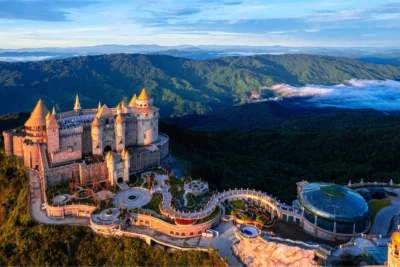
Vietnam Highlights 7 Days 6 Nights Tour
Hanoi Arrival - Hanoi City Tour - Ha Long Bay Day Cruise - Fly to Da Nang - Coconut Village - Hoi An Ancient Town - Ba Na Hills - Golden Bridge - Fly to Ho Chi Minh City - Cu Chi Tunnels - Mekong Delta - Departure
Private Tour
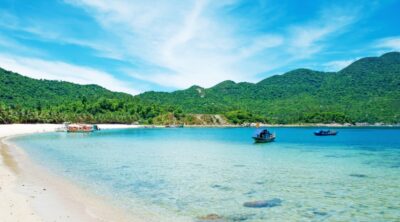
Danang – Cham Island – Hoian – Bana 5D4N
Da Nang - Cham Island - Hoi An Ancient Town - Bana Hills
Hanoi, Ha Long Overnight Cruise, Sapa Train & Tam Coc 7D6N Group Tour

Group Tour
Vietnam & Laos 9D8N Group Tour: Hanoi, Ha Long & Luang Prabang
Hanoi - Halong Bay Overnight On Cruise - Vientaine - Xieng Khouang - Luang Prabang - Pakou Caves