

Quick shortlist: choose Phong Nha when caves are the main reason for the stop; Cuc Phuong for forest and conservation context beside a Ninh Binh route; Cat Tien for lowland forest, birding and wildlife interpretation; Bach Ma for a mountain-and-waterfall day from a Central Vietnam route; and Ba Be when lake, forest and a slower northern stay are the priority.
What does a national park add to your Vietnam route?
Vietnam’s national parks protect very different ecosystems, including tropical forest, limestone karst, wetlands, montane habitats and coastal or marine areas. For travellers, that means the right park depends on the activity and route: caving in Phong Nha, lake and forest time in Ba Be, primate conservation in Cuc Phuong, highland trekking near Da Lat or island nature in Phu Quoc and Con Dao.National parks are worth adding when they provide something the city or beach sections of the trip do not: a cave programme, a forest walk, wildlife interpretation, a lake or river route, or a protected coastal landscape. Some parks work as day trips; others need a dedicated transfer and overnight base.The practical trade-off is time. A park day can replace urban sightseeing, beach time or a transfer window, so treat it as a route decision rather than an automatic add-on. The payoff is a different pace and landscape, but only when access, weather and the chosen activity justify the extra travel.Compare parks by activity, route fit and time cost
A national-park list is only useful when it helps eliminate the wrong options. Start with the activity you actually want—caves, forest walking, wildlife interpretation, lakes, mountain views or island nature—then compare transfer time, physical effort and how much of the itinerary the park would replace.
Use four filters: activity → transfer time → fitness/access needs → current weather and park access. A famous park is still the wrong choice if it adds a long detour for an experience already covered elsewhere in the trip.
For a first trip, one well-placed protected area is often enough. Add a second only when it gives the route a genuinely different landscape or activity rather than another name on the map.
| Park / reserve | Best fit | Route role |
| Phong Nha-Ke Bang | Caves and karst | Dedicated Central Vietnam nature stop; often needs its own nights |
| Cuc Phuong | Forest and conservation context | Natural extension of a Ninh Binh route |
| Ba Be | Lake, forest and rural pace | Separate northern detour when that landscape is a priority |
| Cat Tien | Lowland forest, birding and wildlife interpretation | Southern overnight or long nature stop |
| Bach Ma | Mountain forest and waterfalls | Full-day nature layer from Hue/Da Nang route |
| Cat Ba | Forest walking with island/karst context | Add-on to an existing Cat Ba/Lan Ha Bay stay |
| Bidoup Nui Ba | Highland forest and trekking | Active extension of a Da Lat stay |
| Phu Quoc / Con Dao | Island forest and marine conservation context | Nature layer inside an island trip, not a separate mainland detour |
Caves, lakes and forests solve different trip needs
The parks and reserves below are deliberately not ranked by region alone. Compare them by the experience they add to the route: Phong Nha for cave-led travel, Ba Be for lake-and-forest time, Cuc Phuong for forest and conservation context, and Van Long as a wetland reserve that can complement a Ninh Binh stay.
Phong Nha – Ke Bang National Park (Quang Tri)
 Phong Nha-Ke Bang is the cave-led choice in this comparison. Show caves, more active cave trips and specialist expeditions require very different time, fitness and booking commitments. If Phong Nha is already a serious contender, use the Phong Nha Travel Guide to choose the cave type, number of nights and transport; here, compare it with the other protected areas by what it adds to the wider route.
Ba Be National Park (Thai Nguyen)
 Ba Be works when the trip needs lake, forest and a slower rural stop rather than another cave- or coast-led destination. Boat trips, forest walks and village stays can all be part of the visit, but the exact route, water conditions and overnight format should be checked for the travel dates. Choose it because that lake-and-forest combination fits the northern route, not as a generic “quieter Ha Long Bay” substitute.
Cuc Phuong National Park (Ninh Binh)
 Cuc Phuong is Vietnam’s oldest national park and works well when a Northern Vietnam route already includes Ninh Binh. Forest walks, conservation centres and seasonal butterfly activity can all be part of the visit, but the exact trail and wildlife experience depend on weather, opening arrangements and how much time the traveller wants outside the main karst-and-river sights.
Van Long Nature Reserve (Ninh Binh Adjacent)
 Van Long is a wetland nature reserve rather than a national park and can add a quieter boat-and-karst section to a Ninh Binh stay. Delacour’s langur occurs in the wider reserve, but wildlife sightings are never guaranteed; treat conservation context as part of the visit rather than promising a specific animal encounter.
Mountain and highland parks add a different kind of nature day
Central Vietnam and the highlands offer forest, mountain and waterfall landscapes that can contrast with the coastal route. The main decision is whether the park adds enough walking, altitude or forest time to justify the transfer and weather sensitivity.
Bidoup Nui Ba National Park (Lam Dong)
 Near Da Lat, Bidoup Nui Ba adds a highland forest and trekking layer to a trip that might otherwise focus on the city, cafés and waterfalls. Longer walks need more fitness and weather planning than a normal Da Lat sightseeing day, so confirm the route, guide requirement and transfer time before adding it.
Southern forest parks work when wildlife and lowland forest are the point
Southern mainland parks can add lowland forest, wetland and wildlife interpretation to a route that might otherwise stay urban or delta-focused. The useful comparison is not “city versus jungle”, but how much transfer time and walking effort the wildlife or forest programme deserves.
Cat Tien National Park (Dong Nai)
 Cat Tien works best when lowland forest, birding or wildlife interpretation deserves an overnight stop or a long nature day. Trails, wetland access and wildlife programmes vary by current park operations, season and guide arrangement, so do not treat one distance, night-safari format or animal sighting as guaranteed. Choose it when the forest programme itself is worth the transfer from Ho Chi Minh City or the southern route.
Yok Don National Park (Dak Lak)
 Yok Don adds dry deciduous forest and a different Central Highlands ecosystem to the list. Elephant-observation programmes have been developed as alternatives to riding, but programme format, animal access and current operating arrangements should be checked directly for the travel dates. Choose Yok Don when the dry-forest and conservation context justifies the detour, not because an elephant encounter can be guaranteed.
Island parks add forest and marine context to a beach stay
Vietnam’s protected areas also extend to islands and marine ecosystems. These parks can add forest, mangrove, reef or wildlife context to an island stay, but access and activities should follow current park rules, weather and conservation restrictions.Phu Quoc National Park (An Giang)
 The northern part of the island includes protected forest and coastal ecosystems. Short walks, forest roads and nature stops can complement a beach-led stay, but access and activity suitability vary by season and local conditions. Use the Phu Quoc Travel Guide to decide whether the park belongs in a wider island itinerary rather than adding it automatically to a resort stay.
Con Dao National Park (Ho Chi Minh)
Con Dao combines protected forest, marine areas and important sea-turtle nesting habitat. Turtle-related activities are seasonal and controlled, so use authorised programmes and current park guidance rather than treating nesting or release events as guaranteed wildlife encounters. Snorkelling and boat conditions also vary by site and weather, so avoid ranking the archipelago against Nha Trang or Phu Quoc from one fixed standard.Parks that fit coastal and island routes
Some protected areas combine forest, limestone and marine ecosystems. They fit a north-to-south itinerary only when the activity adds something different from the cruise, beach or city sections already in the route.Cat Ba National Park (Hai Phong)
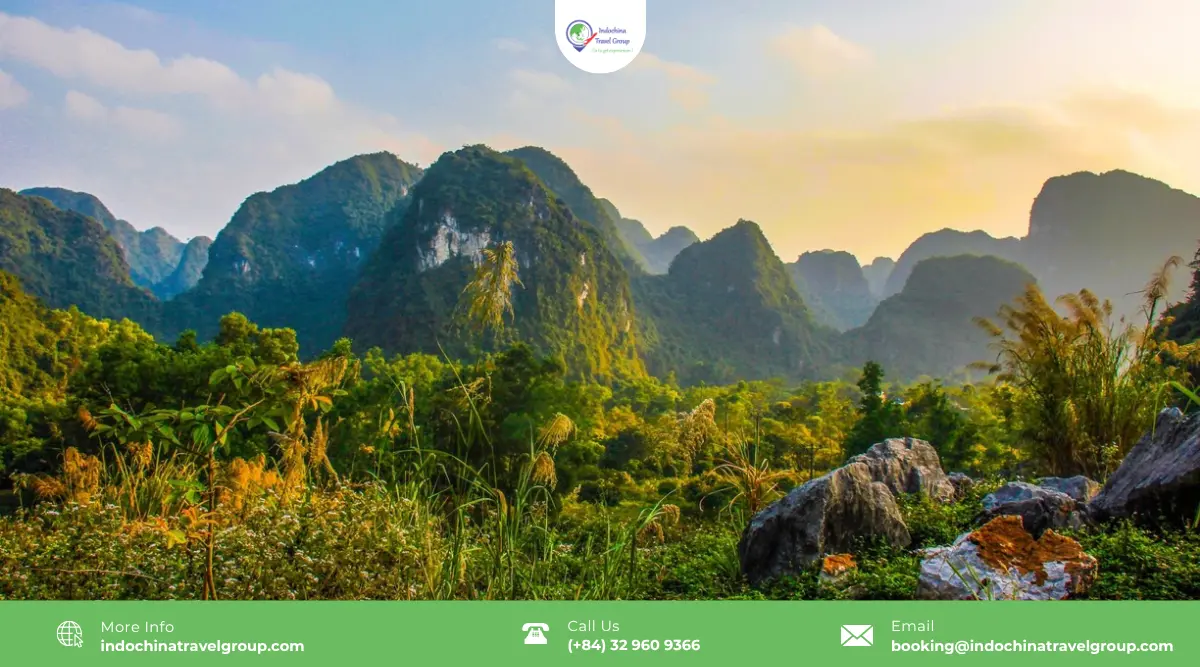 Cat Ba National Park adds forest walking and inland karst to an island stay that might otherwise focus on Lan Ha Bay or coastal scenery. Ngu Lam and other walking routes can provide viewpoints when visibility and trail conditions are suitable, but route difficulty and access should be checked for the day. The park also protects habitat for the critically endangered Cat Ba langur; treat that as conservation context rather than a promise of seeing the animal.
Bach Ma National Park (Hue)
Bach Ma adds a mountain-forest day to a Hue or Da Nang route. Viewpoints, forest walks and waterfall areas depend on weather, road access and the chosen trail, so the park works best when travellers have a full daylight window rather than treating it as a quick stop between cities.If the park choice changes the sequence of overnight bases, use the Vietnam itinerary guide to place that nature stop inside the wider route rather than adding it as a detached excursion.
Choose the park from the activity you actually want
Different protected areas solve different activity needs, and the same park can offer both easy and demanding options. Use the activity as a filter before comparing individual park names:
Caves
Choose Phong Nha when caves are the main reason for adding a protected-area stop. Use the Phong Nha Travel Guide when you need to compare cave type, fitness level and number of nights.
Forest walking and wildlife context
Cuc Phuong, Cat Tien, Bach Ma and other forest parks differ in trail length, access, guide requirements and wildlife probability. Compare the current programme rather than expecting a guaranteed sighting.
Lakes, rivers and wetlands
Ba Be and wetland reserves such as Van Long add boat or water-based landscape time. Water level, weather and local operating conditions matter as much as the park name.
Island and coastal nature
Phu Quoc, Con Dao and Cat Ba can add forest, marine or coastal context to an island stay, but they should not automatically replace the beach or cruise role already in the itinerary.
Four other parks worth considering when the route fits
The main comparison above covers the parks most useful for a broad first shortlist. A few others become strong choices when the itinerary already passes through the right area or the activity is unusually important to you:
Ba Vi
A practical mountain-and-forest day when the route is based in Hanoi and you want nature without adding another overnight stop. It is a route-efficient choice rather than a substitute for the deeper forest or wildlife programmes elsewhere.
Hoang Lien
Relevant when high-altitude trekking around Sapa and the Fansipan massif is already a major trip goal. Trail choice, weather, guide arrangements and fitness matter more here than simply adding another national-park name; use the Sapa trekking guide for the detailed walking decision.
Tram Chim
A Mekong wetland option when birdlife and seasonal floodplain ecology are the point of the visit. Water levels and bird activity change through the year, so check current conditions rather than expecting one fixed wildlife experience.
Nui Chua
A contrasting south-central landscape with dry forest, rocky hills and coastal context. It suits travellers who genuinely want heat-exposed trekking or a semi-arid ecosystem, not those simply looking for an easy beach add-on.
When is the best time for a national park visit?
Season matters, but the useful window depends on the park and activity rather than one national calendar.In Central Vietnam, heavy rain, storms and river conditions can affect caves, mountain roads and trails; in island parks, wind and sea state matter as much as rainfall; in northern forests, wet periods can make walking routes muddy or slippery.Use seasonal patterns for the first decision, then check the current forecast, park notices and operator status for the exact dates before fixing a cave, trek, wildlife or boat day.Once the park is chosen, move from comparison into the relevant destination or activity guide for the detailed route, number of nights and booking decisions.
Check permits, guides and access before choosing the park day
National parks use different ticketing, guide and access rules, and these can change by trail or activity. Check the official park or authorised operator information for the exact route you plan to use.For specialist caves, deep-forest routes or multi-day expeditions, confirm the required guide, permit, meeting point and booking lead time before fixing hotels or onward transfers. For easier day visits, the main checks are opening hours, transport, weather and how long the chosen trail or boat route actually takes.Specialist caves, deep-forest routes and controlled wildlife programmes need advance booking and may have limited capacity. Use authorised operators or park-approved guides where required, and check the current ticketing and payment options before departure. Carrying some Vietnamese dong is still useful for small local services in areas where card payment is limited.Pack for the activity, not for a generic jungle trip
 Pack for the exact activity rather than for a generic “jungle trip.” Vietnam’s heat, humidity, rain and trail conditions vary widely by park and season.Quick-dry clothing, suitable footwear, sun protection, drinking water and insect protection cover many day walks. Cave, river and wet-weather routes may also need a headlamp, dry bag or footwear specified by the operator.For longer forest walks, ask the guide whether gaiters or leech socks are useful for current conditions. On island and coastal routes, use suitable sun protection and follow local guidance for marine activities rather than assuming one packing list fits every park.
If high-altitude walking is the main activity rather than a general park visit, move to the Sapa trekking guide for trail difficulty, guide choice and overnight-format decisions.
Conservation, etiquette and responsible travel
Protected areas have their own access, wildlife, cave and trail rules. Treat those rules as part of the itinerary, not as optional advice.Stay on permitted trails, do not feed or approach wildlife, keep noise low around animals and carry out litter. Local guides and community-run services can support local income when they are genuinely part of the park’s tourism system, but do not assume every homestay or tour directly funds conservation.In caves, avoid touching formations unless the operator explicitly allows contact in that area. For wildlife encounters, keep distance and follow ranger or guide instructions rather than trying to improve a photograph.Choose the park that adds a different experience to the route
The right national park is the one that fits the route and the traveller’s activity level without forcing an extra transfer for the sake of adding another name. Use the linked destination guides to decide where the park belongs in the wider trip, then compare Vietnam Tour Packages only after the route shape is clear.
Recommended Tours


5D4N DELIGHT DANANG TOUR (DANANG – BA NA HILL FRENCH VILLAGE – HOI AN – HUE CITY) (SEAT IN COACH)


Group Tour
Phu Quoc Island 4 Days 3 Nights Group Tour
Phu Quoc Arrival - Grand World Tour - VinWonders Phu Quoc - Duong Dong Night Market - Sun World Hon Thom - Kiss Bridge - Phu Quoc Departure

Private
Phu Quoc 5D4N With Grand World
Phu Quoc - Grand World - Hon Thom Cable Car - 4 Island Tour - Aquatopia Water Park - Vin Wonders Theme Park - Vin Safari - Kiss Of The Sea Show

4D3N HIGHLIGHT OF MIDDLE OF VIETNAM (SEAT IN COACH)


Private Tour
Vietnam And Cambodia Discovery 18D17N
Hanoi - Ha Giang (The Far North) - Halong Bay - Hoi An - Hue - Ho Chi Minh City - Mekong Delta - Siem Reap (Angkor)