

Choose the trek from the walking conditions, not the route name. A short walk near Sapa town, a full day through Muong Hoa Valley and a multi-day trek all create different demands, and the same path can become materially harder after rain. Start with the group’s comfortable walking time, current trail surface and finish/return plan; then choose the route. Treat Fansipan on foot as a separate mountain trek rather than an extension of an ordinary valley walk.
Four-step check: 1) walking hours, 2) trail surface and forecast, 3) ascent/descent and group ability, 4) where the walk finishes and how you return. Only after those four are clear should the village or trail name decide the booking.

When does trekking make sense in a Sapa trip?
Sapa works for trekking because the town sits beside the Muong Hoa Valley and a wider network of mountain and village routes. The useful decision is not whether Sapa is a “must” for hikers, but how much walking should carry the trip.
| Trek role | Good fit | Main trade-off |
| Short village walk | First visit, mixed sightseeing, limited walking time | Less distance and fewer remote sections |
| Full-day valley trek | Walking is a main activity and you still want a Sapa-town hotel | Weather and trail surface matter more |
| Multi-day trek | You want several walking days and an overnight outside town | More luggage, route logistics and variable homestay standards |
Muong Hoa Valley, terraced farmland and the Hoang Lien landscape create the setting, but these are lived-in communities as well as trekking routes. Village visits should therefore be planned around access, local guidance and respectful behaviour rather than marketed as access to an “authentic” private life.
When to trek in Sapa: plan around trail conditions, not one “best month”
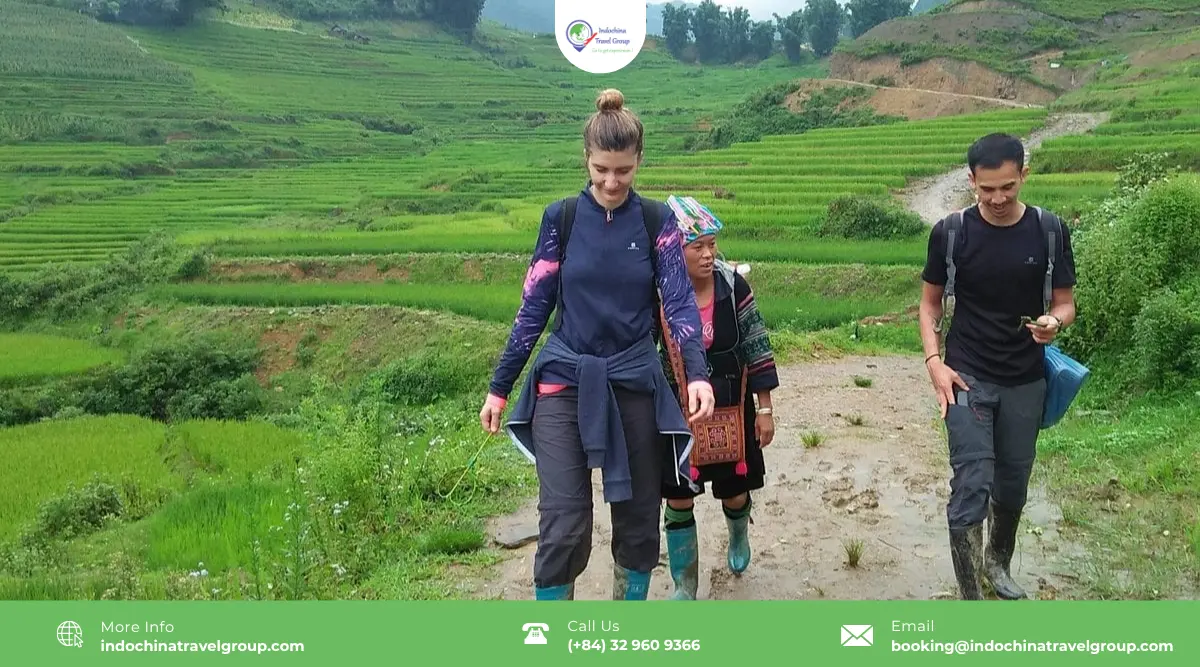
Sapa’s elevation means rain, fog, heat and visibility can change the walking experience quickly. Vietnam Tourism identifies roughly March–May and September–November as useful seasonal planning windows for Sapa, but that is only a baseline. The actual trek should still follow the short-range forecast, recent rainfall and current trail condition rather than a month label.
- Spring: often milder for walking, with changing terrace and planting conditions. Fog or rain can still affect views and mud.
- Summer: greener landscapes and warmer temperatures come with a higher chance of heavy rain and slippery trails. Keep the route flexible.
- Autumn: terrace colour and generally drier periods can make walking attractive, but harvest timing and weather vary by year.
- Winter: colder weather, fog and lower visibility can make high or exposed routes less comfortable. Shorter valley walks may be a better fit on poor-weather days.
Instead of choosing the longest trek for a “good” month, choose a route that can be shortened, lowered or moved when conditions change.
Day hike or multi-day trek?
| Format | Useful when | What to plan for |
| Half-day / short walk | You want village and valley context without making trekking the whole trip | Simple footwear, pickup point and weather buffer |
| Full-day trek | Walking is a main activity but you want to return to a Sapa-town hotel | Lunch, elevation change, trail surface and return transport |
| 2–3 day trek | You want several walking days and an overnight outside town | Light luggage, accommodation standard, guide logistics and weather contingency |
Multi-day does not automatically mean “more authentic”. The better format is the one that matches walking fitness, accommodation expectations and the amount of mountain time you can protect.
Choosing a Sapa trekking route
There is no single “best trail”. Choose by walking time, terrain, current trail condition and whether you want to return to Sapa town or finish in a village:
| Route shape | Difficulty | Best fit |
| Cat Cat from Sapa town | Easier | A shorter first walk when convenience matters more than a long trekking day |
| Y Linh Ho → Lao Chai → Ta Van | Easy–moderate in dry conditions; harder after rain | The classic full-day Muong Hoa Valley route for first-time trekkers |
| Ta Phin area | Easy–moderate depending on the chosen path | An alternative village direction when you do not want to repeat the standard valley corridor |
| Ta Van → Giang Ta Chai / deeper valley sections | Moderate | A longer day or an overnight-style trek with more mixed trail surface |
| Hoang Lien / Fansipan on foot | Harder mountain trekking | Travellers who specifically want the summit or a demanding mountain day rather than a normal village walk |
Do not build the itinerary around a “secret trail” promise. Paths cross working farmland and community areas, and access can change. A route that is quiet one week can be busy, muddy or unsuitable the next.
Guided or independent trekking?
Independent walking can work on clear public routes close to town, but a guide becomes more useful when the trail is unmarked, the day crosses several villages, weather is uncertain or transport needs to be coordinated at the finish.
| Choose | When it makes sense | What to verify |
| Independent walk | Short, clearly mapped route with straightforward return transport | Access, weather, offline map and daylight |
| Local guide | Longer valley route, mixed trail surface or community context matters | Guide identity, route, inclusions, language and pickup/finish point |
| Organised multi-day trek | Overnight accommodation and baggage/transport logistics are part of the trek | Accommodation standard, meals, luggage transfer, cancellation/weather plan |
How to book a guide or trek
Look for a clear operator or guide identity, a written route and transparent inclusions. For multi-day trips, confirm where you sleep, what bedding and bathroom setup to expect, whether luggage is carried or stored, and what happens if weather changes the planned trail.
Booking lead time depends on season and group size; there is no universal “2–4 week” rule. For a fixed-date multi-day trek, earlier confirmation gives more accommodation and guide choice. For a simple day walk, local booking may still be practical when availability is good.
What to pack for a Sapa trek

Keep this section trek-specific. For the rest of your luggage, documents and general Vietnam packing, use our Vietnam packing guide.
- Footwear: use shoes you have already worn and that suit the expected mud, steps and uneven ground.
- Layers: carry a light warm layer and rain protection because temperature, wind and rain can change within the day.
- Sun/rain protection: hat, sunscreen and a compact rain layer are useful on exposed routes.
- Water and small essentials: carry enough for the planned walking time and keep some Vietnamese dong for small local purchases where card payment may not be available.
- Small daypack: keep the load light; multi-day luggage should be agreed with the guide/operator before departure.
Safety, weather and trail conditions
Trail surface is the main variable. Rain can turn farm paths, stone steps and steep descents muddy or slippery, while fog can reduce views and make route-finding harder. Before a weather-sensitive trek, check the Lao Cai provincial weather and disaster-information system as well as the short-range forecast. The province launched this official system in 2026 to consolidate rainfall, forecasts and disaster warnings; it is more useful for a near-term trail decision than relying on a seasonal chart alone.
- Check the short-range forecast and route condition before leaving.
- Use a shorter or lower route when rain, fog or trail damage makes the planned path unsuitable.
- Protect enough daylight for the return or pickup point.
- On remote or less clearly marked routes, use a guide or operator who can explain the current access and contingency plan.
- Do not assume the same route remains suitable simply because it worked earlier in the trip.
Responsible trekking through village and farm areas
Sapa trekking routes pass through working farms, villages and community spaces. Treat them as lived-in places, not outdoor sets created for visitors. If you want more context on the Hmong, Dao, Giay and other communities encountered across Northern Vietnam, read our Northern Vietnam ethnic minority cultures guide rather than expecting one trek to explain an entire community.
- Ask before photographing people closely or entering private areas.
- Follow the host’s instructions at homestays rather than assuming one universal house rule.
- Stay on the agreed path where possible and avoid walking through planted areas merely for a photo.
- If you buy textiles or crafts, ask about who made the item instead of assuming every product is locally handmade.
How much trekking time should you protect?
| Time | What it should achieve | What to avoid |
| 1 day | Use one clear Muong Hoa or village route with a defined start and pickup/return point. Keep enough flexibility to shorten the walk if rain or mud slows the group. | Adding a second distant valley merely to increase the number of village names. |
| 2 days / 1 overnight | Walk farther through the valley, stay outside Sapa town and continue to a second finish point the next day. Confirm bedding, bathroom setup, meals and main-luggage arrangements first. | Treating the homestay as a label without checking what the overnight experience actually includes. |
| 3 days | Use the extra day only when trekking is a major purpose of the Sapa stay, ideally adding different terrain or village areas. | Stretching the same valley walk into more days simply because the itinerary has time available. |
Choose the trek that fits the walking conditions
A good Sapa trek is the one that matches your walking fitness, the weather and the number of days you can protect for the mountains. If trekking is the main purpose of the trip, leave enough margin for trail conditions instead of forcing a fixed distance because it appeared in the original plan.
If Sapa is part of a wider trip, compare the transfer time and mountain-night trade-offs in our Northern Vietnam route guide. Decide how many mountain nights the route can genuinely support before adding more trekking distance.
Plan a Sapa walk around the route, not the other way round
Indochina Travel Group can review a private Sapa extension with a locally appropriate walking route, guide, overnight base and luggage transfer where those services can be confirmed. Compare the Vietnam private-tour formats or send your travel dates, walking comfort, group ages, accommodation needs and Hanoi connection for a written itinerary and quotation. Trekking conditions, guide availability and homestay facilities vary; do not assume they are included in a standard tour.

Recommended Tours


Private Tour
Vietnam Highlights 7 Days 6 Nights Tour
Hanoi Arrival - Hanoi City Tour - Ha Long Bay Day Cruise - Fly to Da Nang - Coconut Village - Hoi An Ancient Town - Ba Na Hills - Golden Bridge - Fly to Ho Chi Minh City - Cu Chi Tunnels - Mekong Delta - Departure

Private Tour
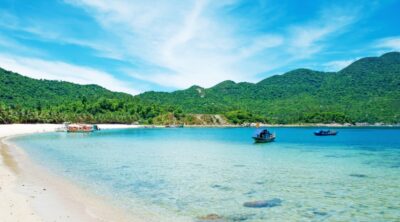
Danang – Cham Island – Hoian – Bana 5D4N
Da Nang - Cham Island - Hoi An Ancient Town - Bana Hills
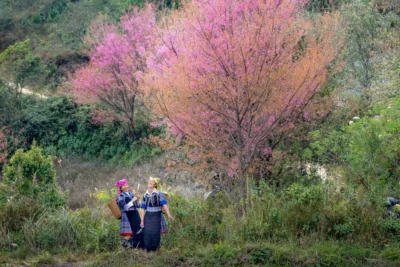
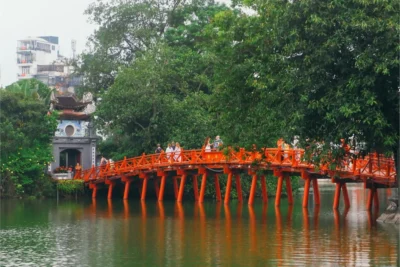
Hanoi, Ha Long Overnight Cruise, Sapa Train & Tam Coc 7D6N Group Tour
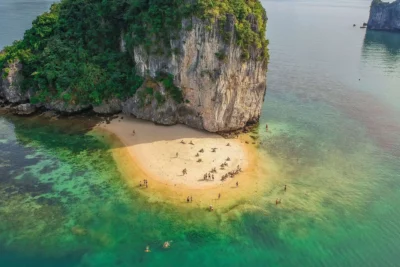

Group Tour
Vietnam & Laos 9D8N Group Tour: Hanoi, Ha Long & Luang Prabang
Hanoi - Halong Bay Overnight On Cruise - Vientaine - Xieng Khouang - Luang Prabang - Pakou Caves