Sapa Travel Guide: Best Time, Villages, Fansipan & Where to Stay
Sapa works very differently depending on what you actually want from the mountains. Some travellers want Fansipan and a comfortable hotel in town; others want village walks, rice terraces and a night away from the main centre. Those are very different trips even though both are called “Sapa.” Choose the base and walking level first, then add only the activities that still fit comfortably. For a wider Northern Vietnam route, see the Northern Vietnam guide.Sapa planning starts with the relationship between the mountain town, Muong Hoa Valley and the surrounding villages.
Which kind of Sapa trip fits you?
Trip style
Best for
Typical time
What to prioritise
Town + Fansipan
First visit, lower walking load
2 days
Fansipan, town, one short valley stop; avoid forcing a long trek into the same day.
Village day walk
Scenery + local life without a homestay
2–3 days
One proper valley walk, then keep another half-day free for weather or Fansipan.
Homestay trek
Travellers who want walking to be the main experience
3 days+
Use our Sapa trekking guide to choose trail length, village stay and difficulty.
Scenic mountain stay
Couples, families or slower travellers
2–3 nights
Choose a valley-facing hotel, short village visits and fewer transfers rather than building the trip around trekking.
Three practical Sapa trip shapes
Comfort-first
Hanoi → Sapa town → Fansipan → short village stop → Hanoi
Works when walking is not the main purpose of the trip.
Walking-first
Hanoi → Sapa → valley walk → village / homestay → Sapa
Keep Fansipan flexible so poor visibility does not dictate the whole schedule.
Slow mountain stay
Hanoi → valley lodge → short walks / free time → Sapa or onward
Useful for couples, families or travellers who want scenery without a trekking-heavy itinerary.
Sapa at a glance: mountain town, valleys and villages
Sapa is a mountain town in Lao Cai Province and a base for Fansipan, Muong Hoa Valley and village routes in the surrounding highlands. What matters for itinerary design is whether you want to stay mainly in town, spend the day walking in the valley, or make the villages and trekking the main reason for coming.When our Hanoi team plans Sapa, hotel location and walking level come before the attraction list. A town hotel makes Fansipan and restaurants easy; a valley stay changes the evening atmosphere and puts you closer to some walking routes. The surrounding area is home to Hmong, Dao, Giay and other communities, so village visits should be planned respectfully and around real local life rather than treated as staged cultural stops.
Best time to visit Sapa: views, rice terraces and trekking
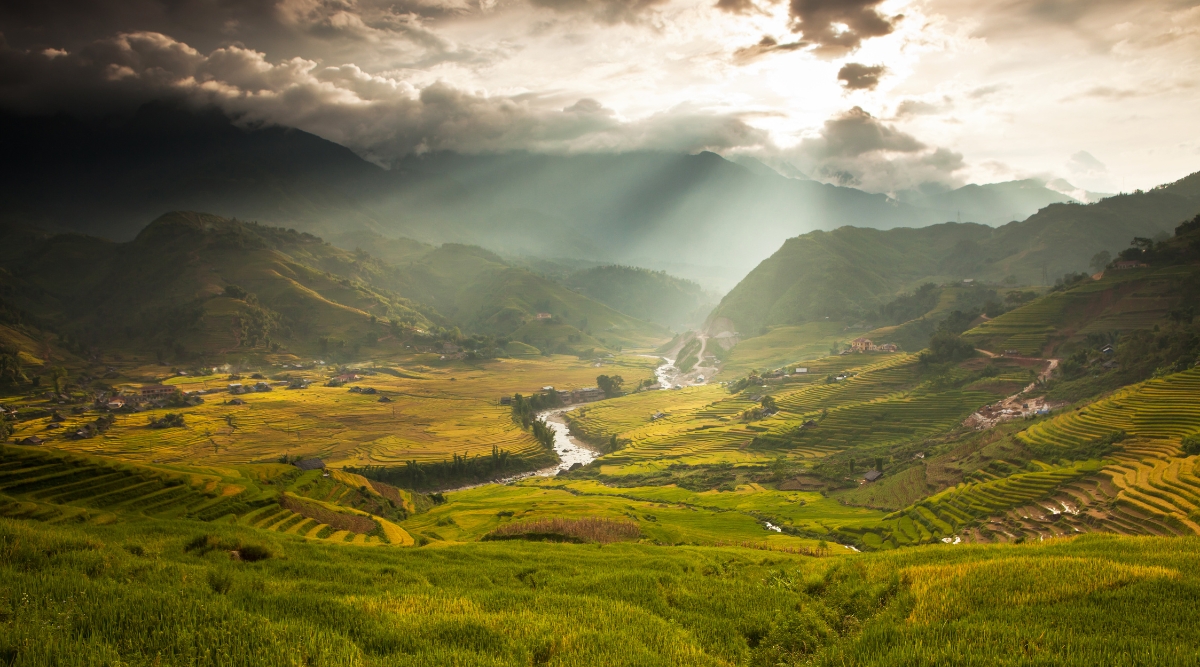
Sapa weather changes quickly, so we do not choose travel dates by one “best month” alone. For some guests the priority is clear mountain views; for others it is rice-terrace colour or comfortable walking weather. We also leave more flexibility in the plan during foggier or wetter periods, because Fansipan and a valley trek are both much less rewarding when visibility collapses.The Beauty of SapaSapa does not have one reliable “best season” for every kind of trip. September and October are popular for mature rice terraces, while April and May often bring comfortable walking conditions and clearer skies. Rain, fog and visibility can still change quickly in the mountains, so we keep Fansipan and longer walks flexible rather than promising a view from the calendar alone:
September to October: A useful window when rice colour is a priority, although harvest timing varies by field, elevation and year.
April to May: Often comfortable for walking, with spring growth and periods of clearer weather. Terrace conditions depend on the local planting schedule rather than a fixed date.
June to August: Warmer and wetter, with a higher chance of muddy trails and short-notice route changes. We shorten or change a walk when rain makes the footing poor rather than treating the planned trail as fixed.
November to March: Expect colder mountain weather and periods of fog. Visibility at Fansipan and across the valleys can be limited, so warm layers matter more than trying to force every viewpoint into the schedule.
Getting to Sapa from Hanoi: road, train or private transfer
The Hanoi–Sapa transfer is long enough to shape the first and last day of the mountain section. Road transport reaches Sapa town directly in roughly five to six hours in normal conditions; the overnight train ends in Lao Cai, followed by another road transfer up to Sapa. We choose between them by sleep quality, arrival timing, luggage and what you plan to do on the first day.There are three practical choices for most international travellers: a shuttle or limousine to Sapa town, an overnight train to Lao Cai plus the mountain transfer, or a private car. None is automatically “best”; the useful comparison is where you sleep, where you are dropped, and how much energy you want left for the first mountain day:
Overnight train to Lao Cai: Useful when you prefer to travel overnight, but the train does not reach Sapa itself. You still need the road transfer from Lao Cai after arrival, and sleep quality in a moving cabin varies from traveller to traveller.
Shuttle / limousine: Usually the simplest direct connection from Hanoi to Sapa town, often around five to six hours in normal conditions. Confirm the actual pickup and drop-off because a valley lodge may still require another local transfer.
Private car: Gives families or small groups more control over departure time, luggage and stops. It does not make the mountain journey short, so we still avoid scheduling a demanding trek immediately after arrival.
Where to stay in Sapa: Town or valley?
Hotel location changes the trip more than the star rating alone. Staying in town makes restaurants, Fansipan and evening logistics easier. A valley or village stay gives you a quieter setting and puts some walking routes closer to the door, but usually adds transfer time when you want to return to town. We normally choose between these bases before looking at individual hotels:Sapa Town
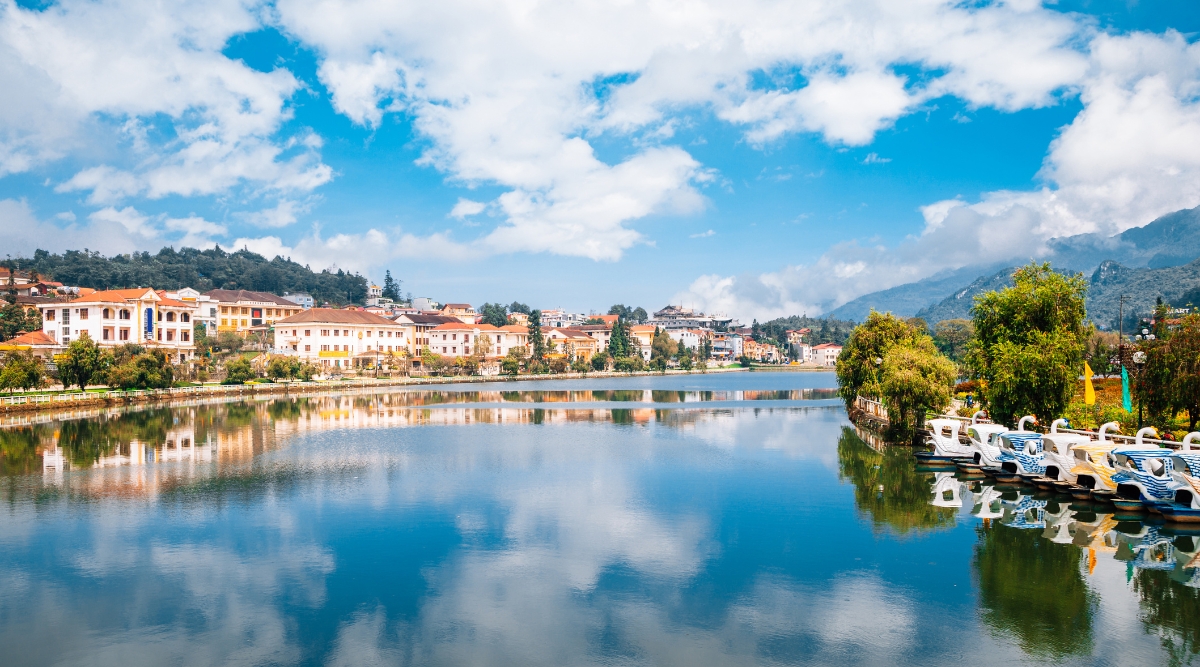
Sapa town centre: Practical when you want easy access to restaurants, the Fansipan transport system and a wide choice of hotels. The trade-off is a busier setting than the surrounding valleys.
Village and valley stays: Accommodation ranges from simple homestays to private rooms and small lodges. Check whether the property is actually in the village or valley you want to walk in, and what transfer is needed back to Sapa town.
Mountain lodges: A good fit when the setting itself is part of the stay. They can reduce town access, so we compare view, road time and included transport before choosing one.
Top things to see and do in Sapa
Sapa can work as a trekking destination, a mountain stay or a shorter town-and-Fansipan stop. We do not assume every traveller wants the same walking load, and even the cable-car visit still involves altitude, weather and some walking around the summit complex. These are the main experiences we compare before building the days:Cat Cat Village
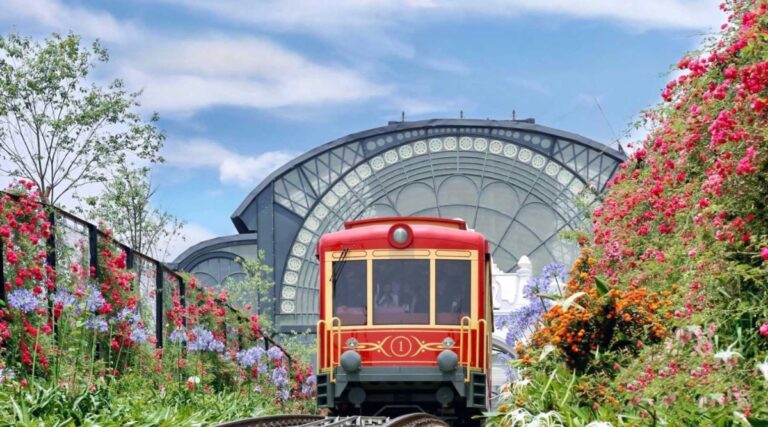
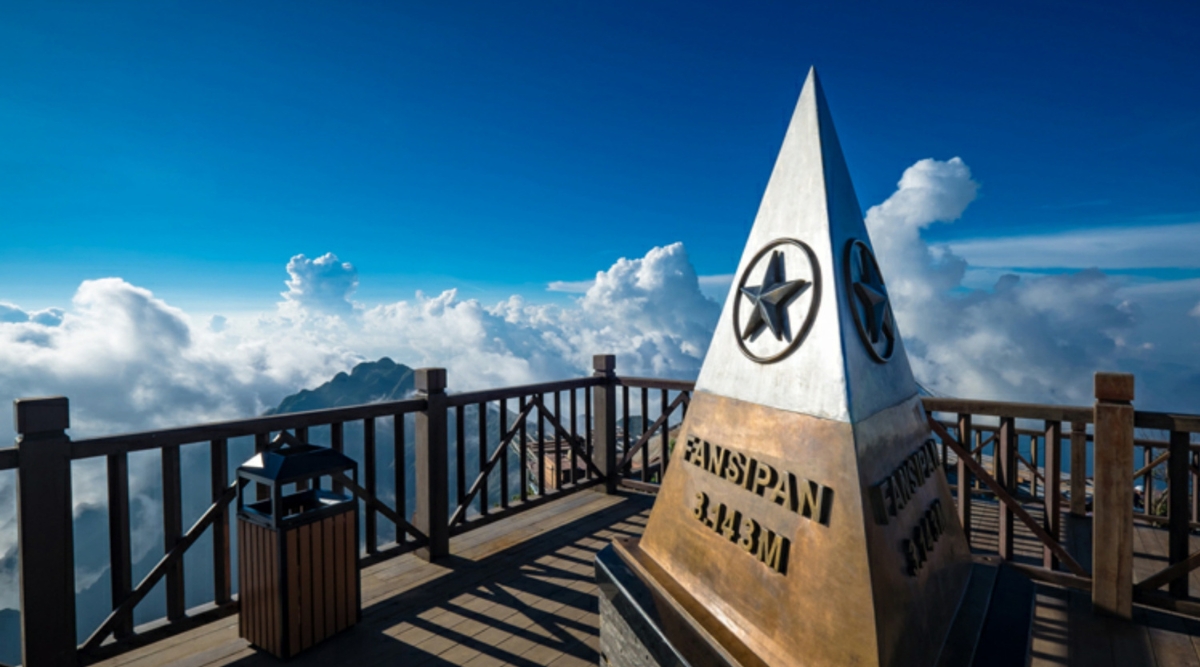
Mount Fansipan: The 3,143m summit is reached by a cable-car journey of about 15 minutes, followed by the upper mountain complex and additional walking or rail options. Visibility can change quickly, and operating hours or maintenance periods can change too, so we check the current cable-car schedule before fixing the day around the summit.
Fansipan summit, where visibility can change quickly with mountain weather
Muong Hoa Valley: One of the main landscapes for village walks and rice-terrace views. The right route depends on trail condition, walking level and where you are staying rather than one fixed “must-do” path.
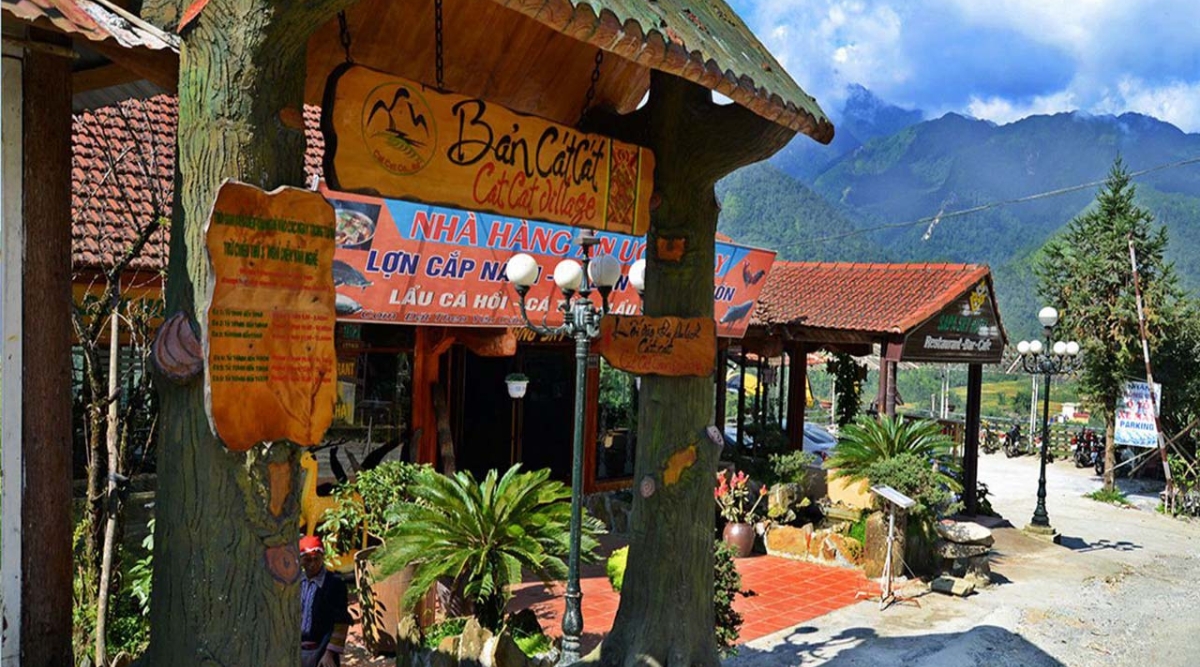
Cat Cat Village: Close to Sapa town and easy to include without a full trekking day. It is a heavily visited tourism site, so we use it when convenience matters and choose longer valley routes when travellers want a less staged walking experience.
Markets: Bac Ha is a Sunday market and requires a separate road trip from Sapa, so we only add it when the weekly timing and the rest of the itinerary justify the extra travel. Evening events in Sapa can change, so we do not build a trip around a fixed “Love Market” programme without checking locally.
How much trekking belongs in your Sapa trip?
Trekking can be a major reason to visit Sapa, but this destination guide only needs to help you decide how much walking belongs in the stay. A short valley walk, a full-day trek and a multi-day route with a village overnight create very different demands on the itinerary.
Walking role
Better fit
Next step
Short village walk
First visit, limited time or mixed sightseeing
Keep a town hotel and choose a route close to the existing Sapa plan
Full-day trek
Walking is one of the main activities
Compare Muong Hoa routes, difficulty and current trail conditions
Multi-day trek / homestay
Trekking is the main reason for coming
Choose the trail, guide and overnight format before fixing the rest of the Sapa schedule
For named routes such as Y Linh Ho–Lao Chai–Ta Van, Ta Phin, Giang Ta Chai, Fansipan on foot, difficulty, guide choice, weather adjustments and homestay logistics, continue to the dedicated Sapa trekking guide.
Village stays and homestays in Sapa
A “homestay” can mean very different things in Sapa: a room in a family-run house, a small guesthouse in a village, or a more polished lodge using the homestay label. We check who operates the property, privacy, bathroom setup, meal arrangements and how much interaction with the host family is actually part of the stay.A village stay can add context to Sapa when the accommodation is genuinely connected to the local community and the expectations are clear. Some stays include cooking, textile demonstrations or a Red Dao herbal bath; others function more like small guesthouses. We prefer to check who operates the property and what the experience actually includes rather than assuming every homestay works the same way.
Shared meals: Some family-run stays invite guests to eat with the household or help prepare food; others serve meals more like a guesthouse. We confirm the format rather than presenting one dinner style as the authentic Sapa experience.
Red Dao herbal bath: A traditional bathing experience offered by some local operators and homestays. Treat it as a cultural and relaxation experience, not as medical treatment.
Responsible tourism: Prefer arrangements where the local guide, host or operator is clearly identified and the activity does not depend on staged access to private life. Ask how guiding, meals and accommodation are organised if local economic benefit matters to your choice.
Food and drink in Sapa
Sapa’s cooler climate changes what you see on the table compared with Hanoi or southern Vietnam. Hotpots, grilled dishes and mountain vegetables suit the evenings particularly well. Rather than building the trip around a list of “must-eats,” these are the foods we would look for when they fit naturally into the stay:
Salmon or sturgeon hotpot: Common on Sapa menus and well suited to colder evenings, usually served with vegetables and herbs.
Thang Co: A traditional highland stew associated with Hmong food culture and commonly seen around markets and local restaurants. Recipes and ingredients vary, so ask what is in the version being served if you have dietary restrictions or simply want to know what you are ordering.
Grilled skewers: Evening grills around town are an easy casual meal after a walking day, with vegetables, meat and other small items cooked over charcoal.
Day-trip and side-trip ideas from Sapa
If you have a fourth day, Sapa can support a longer valley stay or a separate side trip. We would not automatically use that day to add another distant mountain destination.
Bac Ha Market: A Sunday market that requires a separate road journey from Sapa. We add it when the weekly timing works and the traveller is interested enough in the market to justify the extra transfer, rather than treating it as an automatic Sapa day trip.
Ha Giang: This is not a quick side trip from Sapa. The road connection is long enough that we treat Ha Giang as a separate mountain section of the itinerary, usually with several days of its own.
How to spend 2–4 days in Sapa
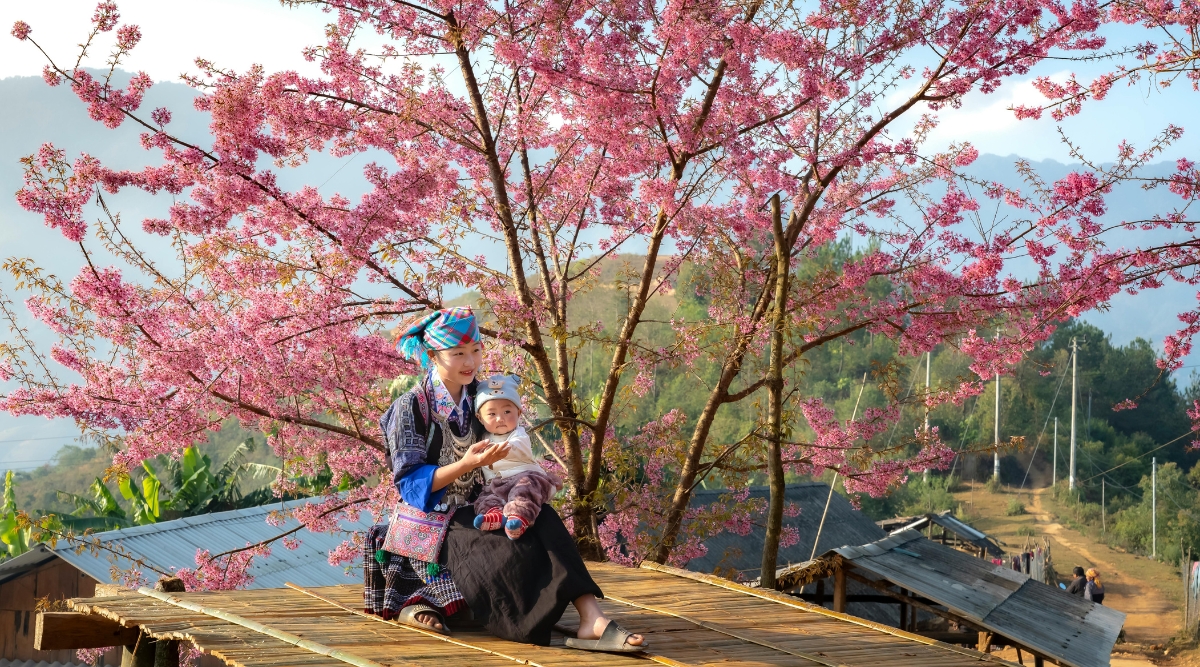
Sapa in springWe would not use the same Sapa itinerary for every traveller. With two days, choose whether Fansipan or a proper valley walk is the priority instead of forcing both into a rushed schedule. With three days, there is more room for a village stay or a second walking day. A fourth day is useful only if you genuinely want a slower mountain stay or a separate side trip.
2-day Sapa: choose one main priority:
Day 1: Arrive from Hanoi, settle in and use the afternoon for Fansipan or a light town/valley activity depending on arrival time and visibility.
Day 2: Choose one proper valley walk matched to fitness and trail conditions, then return to Hanoi without forcing an unnecessarily long route before the transfer.
3-day Sapa: add a village or second walking day:
Day 1: Arrive, visit Silver Waterfall and Love Waterfall.
Day 2: Trek to Lao Chai, overnight in a Ta Van Homestay.
Day 3: Trek through bamboo forest to Giang Ta Chai, return to Sapa and back to Hanoi.
4-day Sapa: slower mountains or a separate side trip:
Days 1-3: Deep immersion trek.
Day 4: Day trip to Bac Ha Sunday Market before heading to Lao Cai for the overnight train.
How Sapa changes the pace of a Northern Vietnam route
Current overland services commonly take roughly 5–8 hours.
Use a separate transfer block and avoid starting a demanding Ha Giang mountain-road day immediately after the journey.
Sapa → Ninh Binh / Ha Long
This moves you back from the mountains toward the Red River Delta and adds another substantial travel day.
On shorter trips, choosing fewer northern regions usually gives a better rhythm than stacking all three into consecutive transfers.
Where Sapa fits in a Northern Vietnam route
Sapa deserves at least enough time to enjoy the mountain setting after the long transfer from Hanoi. If you only have a week in Northern Vietnam, adding Sapa usually means removing something else rather than squeezing it between Ninh Binh and Ha Long Bay. For travellers who mainly want trekking, use the trekking decision framework above to choose trail length, village stay and difficulty before adding more sightseeing.
Example route: a Hanoi–Ha Long–Sapa trip is already movement-heavy; adding Ninh Binh makes the northern section noticeably busier. Use the comparison above to decide how much transfer time you actually want before looking at specific departures.
For bookable options across different trip lengths, compare our Vietnam Tour Packages.