

Quick orientation: Sapa routes may include Hmong, Dao, Giay and Tay communities; Ha Giang includes Hmong, Dao, Tay, Nung, Lo Lo and others depending on the district; Cao Bang and Ba Be often bring Tay, Nung and Dao contexts into the trip; Mai Chau and Pu Luong are strongly associated with Thai and Muong communities. These are route-level patterns, not rules about how any individual person dresses, works or lives.
| Common route | Cultural context you may encounter | Useful traveller lens |
|---|---|---|
| Sapa and Lao Cai | Hmong, Dao, Giay, Tay and other communities depending on the valley. | Use trekking, markets, textiles and homestays as place-specific experiences rather than assuming every village offers the same culture. |
| Ha Giang | Hmong, Dao, Tay, Nung, Lo Lo and other communities across different districts. | Road routes cross several cultural areas; let the exact stop, market or guide explain the local context. |
| Cao Bang and Ba Be | Tay, Nung, Dao and other communities. | Markets, stilt-house settlements, farming and local music traditions vary by locality. |
| Mai Chau and Pu Luong | Thai and Muong communities are important parts of the regional context. | Village stays, weaving, food and architecture are best understood through the specific host or settlement, not a generic ethnic label. |
Start with living communities, not a picture of the past
Geography has influenced settlement, farming and transport across the northern mountains, but culture is not fixed by altitude or ethnicity. Education, migration, trade, tourism, technology, religion and family choices continue to change how people live, dress, work and use language.
For travellers, cultural context is most useful when it explains a place already on the route: why housing differs between valleys, why one market serves several communities, how textile production relates to local materials, or why a festival matters to participants. It is less useful when it turns people into an “authenticity” checklist.
Choose the route first, then use cultural context to understand the places you pass through. The Sapa, Ha Giang and Pu Luong guides cover route, nights and transport in more detail.
Vietnam’s ethnic diversity is broader than one northern route
Vietnam officially recognises 54 ethnic groups: the Kinh majority and 53 minority groups. Many minority communities live across northern mountain and midland provinces, but they are not confined to one “frontier” zone and should not be described as owners of a single highland landscape.
The Vietnam Museum of Ethnology groups languages in Vietnam into five broad language families. That classification can help explain linguistic relationships, but it does not predict a person’s occupation, house type, clothing, religion or personality. Those vary by locality, subgroup, household and contemporary circumstances.
Ha Giang is a useful example: different communities live across plateau, valley and mountain settings, while markets, roads, schools and tourism connect places that older descriptions sometimes present as isolated. Use geography as context, not as a shortcut for defining people.
READ MORE: Trekking in Sapa: Routes, Difficulty, Guides & Homestays
Use community examples without turning them into stereotypes
No short guide can represent every Hmong, Dao, Thai, Tay, Nung, Ha Nhi or other community in Northern Vietnam. The examples below are useful as route context, not as a claim that all members of a group dress, farm, worship or live in the same way.
Hmong communities: textiles, markets and different local groups

Hmong communities live in several northern provinces, including Lao Cai and Ha Giang, and include local groups with different clothing and textile traditions. Hemp, indigo, embroidery and wax-resist techniques can be part of craft practice in some places. A workshop or market can introduce those techniques, but one garment should not be interpreted as a complete biography of the person wearing it.
Dao communities: clothing, ritual life and herbal-bath tourism
Dao communities also include multiple local groups with different clothing, religious and household practices. In parts of the Sapa region, herbal baths are offered by some Red Dao households and tourism businesses. They can be approached as a local bathing and relaxation practice; avoid turning them into a medical claim or a compulsory “Dao experience”.
Thai communities: stilt-house traditions and changing valley life

Thai communities are present in areas including Mai Chau, Son La and Dien Bien. Stilt-house architecture, weaving, dance and agricultural traditions can provide cultural context in some villages, but hospitality, ceremonies and clothing should never be presented as automatic performances available to every visitor.
Tay and Nung communities: language, music, markets and regional livelihoods
Tay and Nung communities are widely represented in northern provinces. Then practice, often accompanied by the tính lute, is one important cultural form associated with Tay, Nung and Thai communities, while market trade, farming, craft production and contemporary employment vary widely by locality. Use specific place-based interpretation rather than labels such as “cultural bridge” or “master artisans”.
Ha Nhi communities: earthen architecture in specific highland areas
In some highland areas such as Y Ty, earthen houses associated with Ha Nhi communities are an important response to local climate, materials and settlement history. House form varies, and contemporary homes and lifestyles continue to change; travellers should not treat these villages as preserved architectural exhibits.
READ MORE: Best places to visit in Northern Vietnam
Textiles are living craft practices, not identity labels
Clothing and textiles can reflect community, locality, age, occasion, personal taste and changing fashion, but visual details should not be used to guess an individual’s identity or social status. Everyday clothing also changes over time and may differ from garments used for festivals, weddings, markets or tourism demonstrations.
Hemp, cotton, indigo, embroidery, appliqué and wax-resist techniques appear in different northern craft traditions, but not every group or household uses the same materials or methods. Ask who made an item and how it was produced rather than assuming every patterned textile is locally handmade.
Lung Tam is one place where travellers may encounter hemp processing and weaving through workshops or cooperatives. Treat a demonstration as an introduction to one current craft practice, not as a complete explanation of an ethnic group’s identity.
House forms reflect place, materials and changing needs
Stilt houses, earthen walls, timber structures and newer concrete homes can all appear across Northern Vietnam. House form is shaped by climate, available materials, land, family needs, local building practice and changing incomes rather than one permanent ethnic template.
In some Thai and Tay areas, stilt-house traditions remain important; in parts of the northwest, earthen houses are associated with communities including the Ha Nhi. The reasons for a building form can include climate, drainage, materials, household use and local custom, and they vary from place to place.
Details such as room layout, stairs, roof form and altar placement can carry local meaning, but those meanings should be explained by a host, guide or reliable local source rather than generalised across every household. A homestay is still a current home or accommodation business, not a preserved architectural exhibit.
Festivals and beliefs need place-specific context

Religious and spiritual practices vary between communities, villages and households. Ancestor-related practices, local ritual traditions, Buddhism, Christianity and other beliefs can coexist, so there is no single “highland spiritual calendar”.
Festivals such as Long Tong or Gau Tao can be important in particular communities and locations, but dates, scale, ritual content and public access vary. If a festival matters to the trip, confirm the current local schedule and whether visitors are welcome rather than building the route around a generic annual description.
Attend as a guest, not as if the event were a performance staged for travellers. Follow local instructions around photography, ritual spaces, alcohol, offerings and participation.
Farming and daily life vary by valley, household and season
Rice terraces around places such as Sapa and Mu Cang Chai reflect long-term adaptation to steep terrain, water management and seasonal farming. Other areas rely more on maize, wet-rice fields, livestock, forestry, wage work, tourism, trade or combinations of these activities.
Do not describe daily life as uniformly “simple” or assume one meal, crop or drink represents an entire community. Food, work and household routines vary with income, market access, religion, generation and locality just as they do elsewhere.
If a host offers food or rice/corn alcohol, follow the host’s cues and your own preferences. A respectful visit does not require drinking alcohol or performing a memorised gesture that may not apply in that household.
Weekly markets are working regional spaces
Markets such as Bac Ha or Meo Vac can bring together food, livestock, household goods, clothing, transport and social contact across a wider area. Their role differs by place and changes over time, so avoid claims that a market is the “only” time a community meets or that everyone attends for the same reason.
For travellers, the useful perspective is to treat the market as an active local space first, not as a staged cultural attraction. Observe how the market works before treating clothing, trade or conversation as material for photographs.
If Bac Ha Market is part of the route, check the current market day and operating rhythm before fixing departure time. Earlier hours may be busier with local trade, but the experience changes by season and week. Keep photography respectful, ask permission for close portraits, and avoid treating clothing or market activity as a performance arranged for visitors.How can travelers ethically encounter ethnic minority cultures?
 Responsible travel starts by treating villages, homes, markets and religious spaces as places where people live and work, not as open-access attractions.Ask before taking close portraits or entering private spaces, follow the host or guide’s instructions, and choose local guides, accommodation or craft producers when they fit the route. Buying directly from a maker can support local income, but the traveller should still compare quality and price without assuming every product or homestay is community-run.Avoid handing out sweets, gifts or cash directly to children. If you want to support a community project, use a transparent local organisation, cooperative or school programme that can explain how contributions are managed. A local guide can also help visitors understand what is appropriate in the specific village or market they are visiting.
Let the northern route decide which cultural context matters

Different parts of Northern Vietnam bring different communities, languages, markets, craft traditions and landscapes into the trip. Choose the destination for the wider route first, then use cultural interpretation to understand the place rather than choosing a village as a human attraction.
- Sapa: trekking and village routes can include Hmong, Dao and other community contexts depending on the exact valley.
- Ha Giang: a multi-day road route crosses areas with several communities and market systems; choose the driving route first, then add markets, villages or craft stops that fit it naturally.
- Pu Luong and Mai Chau: Thai and Muong community context can sit beside terrace, valley and lodge-based nature stays.
- Ba Be, Cao Bang, Dien Bien and Yen Bai: each needs more specific route planning before a market, village or craft stop becomes meaningful.
For a short trip, choose one area and leave enough time for context. For a longer trip, combine regions only when transfer time still leaves room for normal travel rather than collecting villages or ethnic labels.
Use cultural context to understand the place, not to collect difference
A stronger Northern Vietnam itinerary leaves enough time to understand the setting instead of treating cultural difference as another attraction to collect. Choose the route by transfer time, walking level and the type of market, craft, village or guided interpretation that genuinely fits the stop.
For route planning, compare the Northern Vietnam guide, then move into the individual Sapa, Ha Giang or Pu Luong guide when one of those areas becomes a real overnight stop. For other experience types across the country, return to Things to Do in Vietnam.

Recommended Tours



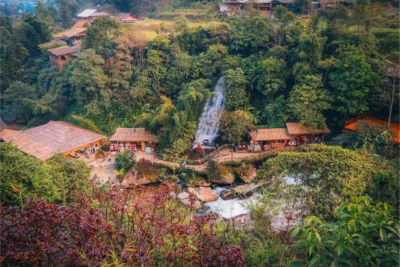
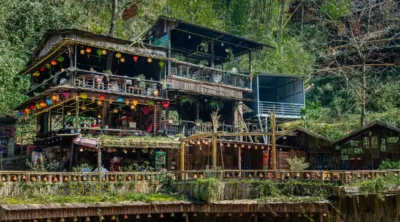
Group Tour
Hanoi – Sapa – DaNang 8 Days 7 Nights
Hanoi - City Tour - Sapa- Cat Cat Village - Moana Cafe - Fansipan - Muong Hoa Train - Ninh Binh - Tam Coc - Halong Bay - Da Nang - Hoi An Ancient Town - Bana Hills - Golden Bridge
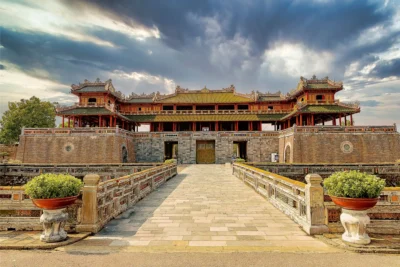

Group Tour
Vietnam – Joining Group Tour 12 Days
Ha Noi City Tour - Ninh Binh - Halong Bay Overnight On Cruise - Hue - Hoi An Eco Tour - Ho Chi Minh City - Cu Chi Tunnels - Mekong Delta

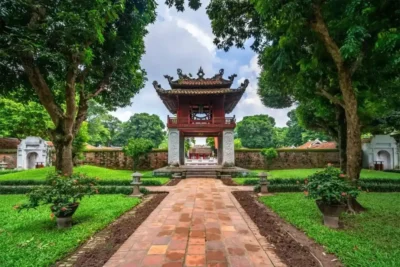
5D4N DISCOVER HANOI – HALONG (DAY CRUISE) – TAM COC (SEAT IN COACH)

Group Tour
Hanoi – Ho Chi Minh – Siem Reap 8D7N
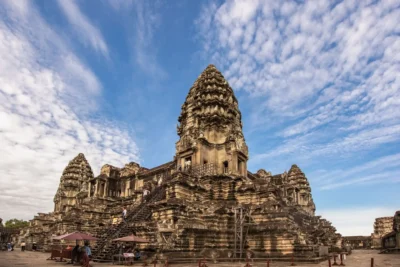
Hanoi - Ninh Binh - Halong Bay Overnight On Cruise - Ho Chi Minh - Cu Chi Tunnels - Siem Reap - Angkor Wat Full Day