

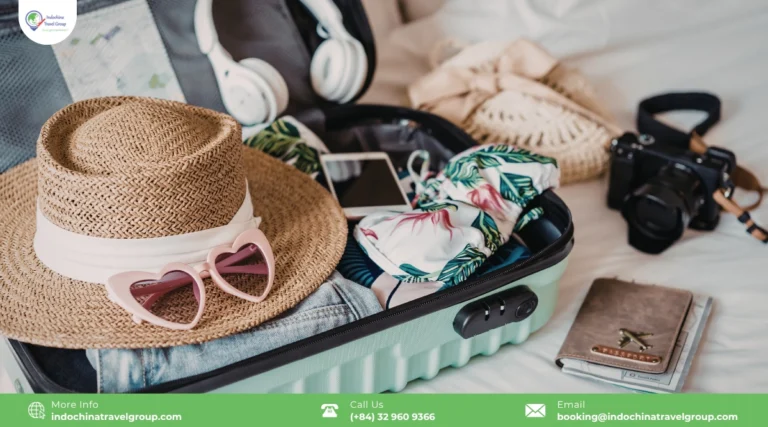
Quick Vietnam packing checklist
- Lightweight, breathable everyday clothes
- One modest outfit covering shoulders and knees for temples and religious sites
- Light rain layer or compact umbrella
- Warm layer for Northern Vietnam or highland destinations when conditions require it
- Comfortable walking shoes plus sandals or easy slip-on footwear
- Sun protection and insect repellent suitable for you
- Your regular medication in original packaging, with supporting documents where required
- Phone charger, suitable plug adapter and power bank carried according to airline rules
- Passport, travel insurance details and offline copies of important bookings
Pack for the region and month, not for “Vietnam” as one climate
Vietnam stretches across several climate zones. Northern Vietnam can be cool or cold in winter and much cooler in mountain areas; Central Vietnam has its own wet-season pattern; Southern Vietnam stays warm for most of the year but can have heavy tropical rain.
Before packing, check the weather for the actual cities on your route. If the trip crosses North, Central and South, use light layers that can be combined rather than packing a separate wardrobe for every stop. The Vietnam weather by month guide is the better place to check regional seasonality before you decide which layers belong in the bag.
| Route type | Add to the basic list | Usually unnecessary |
|---|---|---|
| City-focused trip | Comfortable walking shoes, light rain protection, modest outfit for religious sites | Heavy hiking gear unless a specific excursion needs it |
| Northern mountains / highlands | Warm layer, grippier footwear and weather protection matched to the forecast | Beach-only clothing as the main wardrobe |
| Coast / islands | Swimwear, sun protection, sandals and a light cover-up | Bulky cold-weather layers unless another part of the route requires them |
| North–Central–South route | Layerable clothes that can handle different temperatures and rain patterns | A separate full wardrobe for each region |
Laundry is widely available in tourist areas, so most travellers do not need to pack one complete outfit for every day of a long trip.
What to wear and what to pack for Vietnam?
Clothing should match the forecast, the amount of walking and any religious or formal sites on the itinerary. Lightweight layers work for many trips, but mountain areas and cooler periods can need an extra warm layer.For most routes, start with breathable everyday clothes and one outfit that covers shoulders and knees when a temple or religious site requires it. Add rain protection, warmer layers or trekking clothing only when the actual route calls for them.READ MORE: Vietnam Travel Guide: Everything You Need to Know Before You Go
Core everyday clothes for most regions
For your daily explorations, we recommend items that can transition from a morning market visit to a sunset dinner by the lake.- Tops: Bring 2–4 moisture-wicking t-shirts. Choose quick-drying shirts that are comfortable in heat and easy to layer. A lightweight long-sleeve shirt can also help with sun, cooler air-conditioning or insects.
- Bottoms: Pack lightweight trousers, shorts or skirts that suit the walking level and the sites you plan to visit. Carry at least one option that meets the dress rules of temples or religious spaces.
- Modesty and temples: Carry at least one light outfit that covers shoulders and knees for religious or formal sites. A light scarf or wrap can be useful as a backup, but check the dress requirements of the places on your itinerary.
Outer layers and climate add-ons
- Rain: bring a light packable rain shell or compact umbrella. For very wet days, locally available ponchos can be useful, especially when you need to protect a daypack as well as clothing.
- Cooler North and highlands: check the forecast for Hanoi, Sapa, Ha Giang, Da Lat or other elevated areas. A fleece or light insulated layer can be useful when temperatures drop.
- Strong sun: add a hat, sunglasses and the sun protection you normally tolerate well.
Swimwear and beach-resort clothes
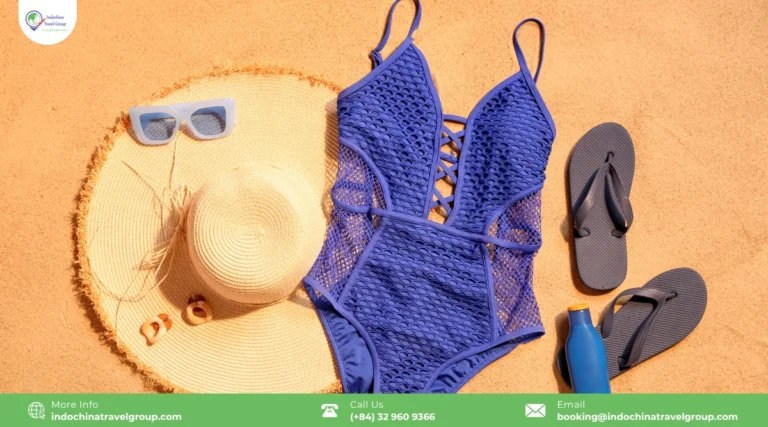 For beach or resort days, pack enough swimwear for the number of water days and add a light cover-up if you expect to move between the beach, hotel and restaurants.
- Beachwear: 1 – 2 swimsuits or sets of swim-shorts are plenty. A breezy cover-up or sarong is great for moving from the sand to a beachfront cafe.
- Night-out attire: You don’t need a suit or a gown. One simple smart-casual outfit is enough for most city restaurants or hotel venues. Check any specific dress code only when the booking requires it.
Which shoes should you pack for Vietnam?
- Primary walking shoes: comfortable sneakers or trail shoes with useful grip for wet pavements, steps and long city days.
- Sandals or easy slip-ons: convenient for beach stays and places where footwear is removed.
- Trekking footwear: choose this only when the actual route includes muddy, steep or technical walking. A normal sightseeing trip does not require heavy hiking boots.
Footwear should match the activity, not the destination name. A traveller visiting Sapa town by vehicle needs different shoes from someone doing a multi-hour mountain trek.
Health and personal-care items

Bring the products and medication you rely on rather than assuming the same brand or formulation will be easy to find locally.
- Your regular prescription medication in original packaging
- Copies of prescriptions or medical documentation where relevant
- Sun protection and insect repellent suitable for your skin and itinerary
- Basic personal-care items you strongly prefer to use from home
- A small first-aid kit appropriate to your planned activities
For prescription, controlled or specialist medicines, check current Vietnamese entry rules and your airline requirements before travel. Do not rely on a packing article as medical or medication-import advice. If the route includes trekking, motorbike riding, diving or other activities, also compare the exclusions in your Vietnam travel insurance before deciding what medical or safety gear you need to carry yourself.
Tech, documents and security essentials in a Vietnam packing list
Pack the technology you actually rely on and keep important travel information available offline in case mobile data is weak or unavailable:- Adapter: Socket types vary by property, so a compact universal travel adapter is the simplest choice when you are unsure what your hotels provide.
- Power bank: Choose a power-bank capacity that fits your normal phone use and confirm the airline’s cabin-baggage rules for batteries before flying.
- Connectivity: A local SIM or eSIM can be convenient, but coverage and activation options vary. Save hotel addresses, tickets and key contacts offline, and use the Vietnam SIM and eSIM guide for device, registration and coverage decisions.
- Document security: Keep your passport, payment methods and important documents secure, and carry only what you need for the day.
- Water protection: A simple resealable bag or waterproof pouch can help keep a phone or documents dry on boat days or during heavy rain.
Gear and extras for specific Vietnam activities
Extra gear should follow the activity rather than the destination name. A city-only trip needs very little specialist equipment, while trekking, boat days or longer outdoor routes may justify a few extra items.- Hiking/Trekking: For a Sapa trek, use a comfortable daypack, suitable footwear and weather protection matched to the route length and conditions.
- Water adventures: For boat or kayaking days, a small waterproof pouch or dry bag can protect electronics and documents from spray or rain.
- Urban commute: A foldable, lightweight backpack is great for carrying your souvenirs and water bottle while wandering Hanoi’s 36 streets.
Seasonal and regional packing adjustments
 How should you adjust your bag based on your destination?
- The North (Hanoi/Sapa/Halong): Cooler periods can require a fleece, light insulated layer or warmer sleepwear, especially at elevation. Check Hanoi and mountain destinations separately.
- The Center (Hoi An/Da Nang): Heavy-rain periods on the Central coast call for quick-drying footwear and a light rain layer. Check the forecast for the actual cities and dates rather than relying on one fixed wet-season label.
- The South (Saigon/Delta/Islands): Lightweight clothing works for most southern lowland days, but still plan for strong sun, air-conditioned interiors and tropical rain.
READ MORE: Is Vietnam Safe For Tourists?
What can you buy locally, and what is better brought from home?
Convenience stores, supermarkets, pharmacies and clothing shops are common in major tourist cities, so you do not need to carry every basic consumable for the full trip. Availability becomes less predictable in rural and remote areas.
Usually easy to buy locally
- Basic toiletries and drinks
- Simple clothing and rain ponchos
- Snacks and everyday travel consumables
Better brought from home when important to you
- Prescription medication and specialist health products
- Specific skincare, cosmetics or allergy-sensitive products
- Corrective lenses, specialist eyewear or other hard-to-replace personal items
- Any product where you need an exact brand, size or formulation
Typical “one‑bag” or “carry‑on‑only” setups for Vietnam
 A carry-on-only setup works when the route has regular laundry access and the traveller is comfortable repeating clothes. Build the list around the airline’s current cabin-size, weight, battery and liquid rules rather than one universal formula.Example light-packing setup:
- 5 sets of underwear and socks.
- 3 breathable t-shirts + 1 nice shirt/blouse.
- 1 pair of long lightweight pants + 1 pair of shorts.
- 1 swimsuit.
- 1 light jacket (worn on the plane).
- 1 pair of sneakers (worn) + 1 pair of sandals (packed).
- Toiletries packed to the airline and airport rules for your flights.
- Passport, payment methods, charger and any permitted power bank.
Final check: pack for your actual itinerary
The most useful Vietnam packing list is the one built from your route. Check the forecast for each region, identify any temple visits, beach days or trekking, then remove anything that does not serve those activities. For most trips, lightweight layers, practical footwear, rain protection and a small set of reliable personal items are more useful than a heavily packed suitcase.
Recommended Tours
Group Tour
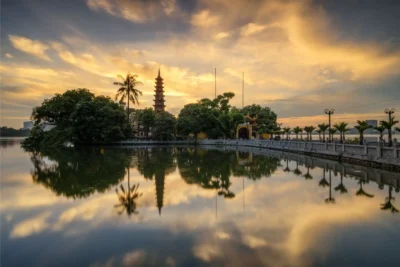
Hanoi – Danang – Ho Chi Minh – Siem Reap 11D10N
Hanoi - Ninh Binh - Halong Bay Overnight On Cruise - Danang - Hoi An Ancient Town - Bana Hills - Golden Bridge - Ho Chi Minh - Cu Chi Tunnels - Siem Reap - Angkor Wat

Group Tour
Hanoi, Ha Long Bay, Da Nang & Hoi An 5 Days 4 Nights Tour
Hanoi Arrival - Hanoi City Tour - Ha Long Bay Day Cruise - Fly to Da Nang - Coconut Jungle - Hoi An Ancient Town - Ba Na Hills - Golden Bridge - Departure
Private Tour
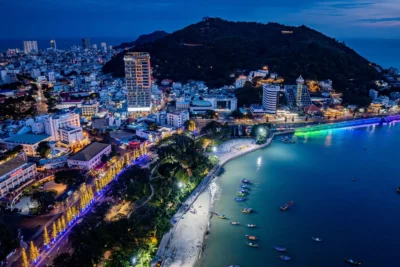
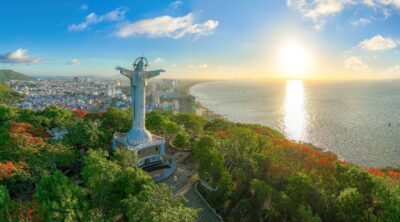
Ho Chi Minh – Cu Chi Tunnels – Vung Tau Beach 4D3N
Ho Chi Minh - Cu Chi Tunnels - Vung Tau
Private Tour
Vietnam And Cambodia Discovery 18D17N
Hanoi - Ha Giang (The Far North) - Halong Bay - Hoi An - Hue - Ho Chi Minh City - Mekong Delta - Siem Reap (Angkor)
Private Tour
Ho Chi Minh City - Mekong Delta - Hoi An - Hue - Hanoi - Sapa - Halong Bay