
Phu Quoc is widely marketed as Vietnam’s largest island and a sandy‑paradise beach destination with a mix of white‑sand beaches, island‑hopping boat tours, luxury resorts, wildlife parks, and a lively night‑market scene in Duong Dong. Guides built around the keywords “phu quoc travel guide, phu quoc island vietnam” usually frame it as a relax‑and‑unwind add‑on to Hanoi or HCMC, with a strong focus on where to stay, when to visit, and how to combine beaches, water‑sports, Vinpearl‑style attractions, and local‑food culture. Whether you are looking for a romantic sunset, a family adventure at a theme park, or a deep dive into local history, this Phu Quoc Island Guide is designed to be your definitive resource. If you are ready to explore the best of what our island has to offer, I invite you to browse our professionally curated Vietnam Tour Packages to see how we can make your island dreams a reality.

Phu Quoc at a glance

Phu Quoc is the largest island in Vietnam, nestled in the Gulf of Thailand within the Kiên Giang Province. Often referred to as “Pearl Island” due to its history of pearl farming, it is a teardrop-shaped paradise roughly 45 kilometers from north to south. It is unique because it offers a “dual-personality” experience: half of the island is protected National Park land with dense jungle, while the shorelines are increasingly dotted with some of the most sophisticated luxury resorts in Southeast Asia.

Phu Quoc is Vietnam’s premier island destination, known for its vast white-sand beaches, protected national forests, and a rapidly growing infrastructure of luxury tourism. It is the ideal spot for travelers seeking a mix of high-end relaxation, outdoor adventure, and family-friendly entertainment.

When ITG talks to our guests about phu quoc island vietnam, ITG always emphasizes its scale. It is not just a beach, it is a full-scale destination. You have the bustling central hub of Duong Dong, the quiet, high-end “Resort Row” of Long Beach, and the amusement-heavy North. In 2026, the island has become a masterclass in “Managed Resilience,” balancing the preservation of its reefs with the demands of modern travelers. Typically, a stay of 3 to 5 nights is the “sweet spot” to experience the beaches, the night market, and at least one day of island-hopping or nature trekking.

Best time to visit

Weather is the most important factor in planning your island getaway. Because Phu Quoc is in the far south, it has a distinct tropical monsoon climate that differs significantly from Hanoi or even Da Nang. Understanding the “Dry” vs. the “Wet” season is critical to ensuring you get those postcard-perfect blue water views. If you are following a phu quoc travel guide for a trip, keep these nuances in mind:

  • The dry season (November – March): This is the peak. The water is at its clearest, making it perfect for snorkeling and diving. This is also the time when the famous sunsets at Sunset Town are most consistent.
  • The shoulder season (April – June): It gets hotter and more humid, but the island is lush and green. This is a great time for “Flashpackers” to find luxury deals.
  • The rainy season (July – October): While it doesn’t rain all day, the seas can be rough. If your main goal is island-hopping by speedboat, avoid these months as many tours are weather-dependent.

Getting there: Flights and the visa-free edge of Phu Quoc island

Logistically, Phu Quoc is one of the easiest places in Vietnam to visit. Phu Quoc International Airport (PQC) is modern and efficient, receiving dozens of domestic flights daily from Hanoi and Ho Chi Minh City, as well as an increasing number of direct international charters from places like Korea, Central Europe, and Southeast Asian hubs.

Most travelers reach the island via a short 1-hour flight from Ho Chi Minh City or a 2-hour flight from Hanoi. One of the island’s biggest advantages is its 30-day visa-free policy for many nationalities, provided they stay exclusively on Phu Quoc.

The visa-free stay has been a game-changer. If you are flying directly to Phu Quoc from abroad (or transiting through a Vietnamese international airport without leaving the terminal), many nationalities can stay for up to 30 days without a pre-arranged visa. Once on the island, getting around is a breeze. Scooter rentals are the most popular method for independent souls (around 150,000–200,000 VND per day), while Grab and local taxis are ubiquitous for families and those who prefer air-conditioned comfort.

Where to stay?

The island is divided into distinct zones, and where you choose to stay will dictate the “vibe” of your holiday. As an organizer, we always ask our guests: “Do you want to be near the action, or do you want to forget the world exists? To simplify your choice, here is a breakdown of the regions:

  • Long Beach (Bãi Dài): This is the “Gold Coast” of Phu Quoc. You’ll find the InterContinental, Regent, and other top-tier names. It’s perfect for sunset views and high-end dining.
  • Duong Dong Town: This is the island’s “downtown.” Stay here if you want to be within walking distance of the Night Market and local “hidden gem” cafes.
  • The South (Sunset Town / Sao Beach): This area has been transformed into a Mediterranean-style village. It’s the gateway to the cable car and the best snorkeling islands.
  • The North (Vinpearl Area): This is “Amusement HQ.” If you are traveling with children who want to visit the Safari or VinWonders every day, this is your zone.

Top beaches and water activities in this Phu Quoc Travel guide

The primary reason anyone visits Phu Quoc island is the water. The island boasts some of the most diverse beach conditions in the country, from the calm, shallow bays of the east to the long, sunset-facing stretches of the west. If you are building your “must-do” list, these are the highlights:

  • Sao Beach (Bãi Sao): Famous for its powdery white sand and leaning palm trees. It is the quintessential tropical photo spot.
  • Starfish Beach (Rạch Vẹm): Located in the north, this beach is famous for the red starfish in the shallows. Local Tip: Please do not lift the starfish out of the water; they are very fragile!
  • Island Hopping: Take a speedboat to Hon Thom, Hon May Rut, and Hon Mong Tay. These southern islands offer the clearest water for snorkeling and often include a beach BBQ lunch.
  • Diving: For certified divers, the north and south of the island offer several reefs teeming with small tropical fish and macro-life.

Vinpearl-style attractions and modern shows

Phu Quoc is no longer just a nature destination, it is an entertainment powerhouse. The massive investments by groups like Vingroup and Sun Group have created a “Disney-esque” atmosphere in parts of the island, which is a massive draw for families and social media influencers.

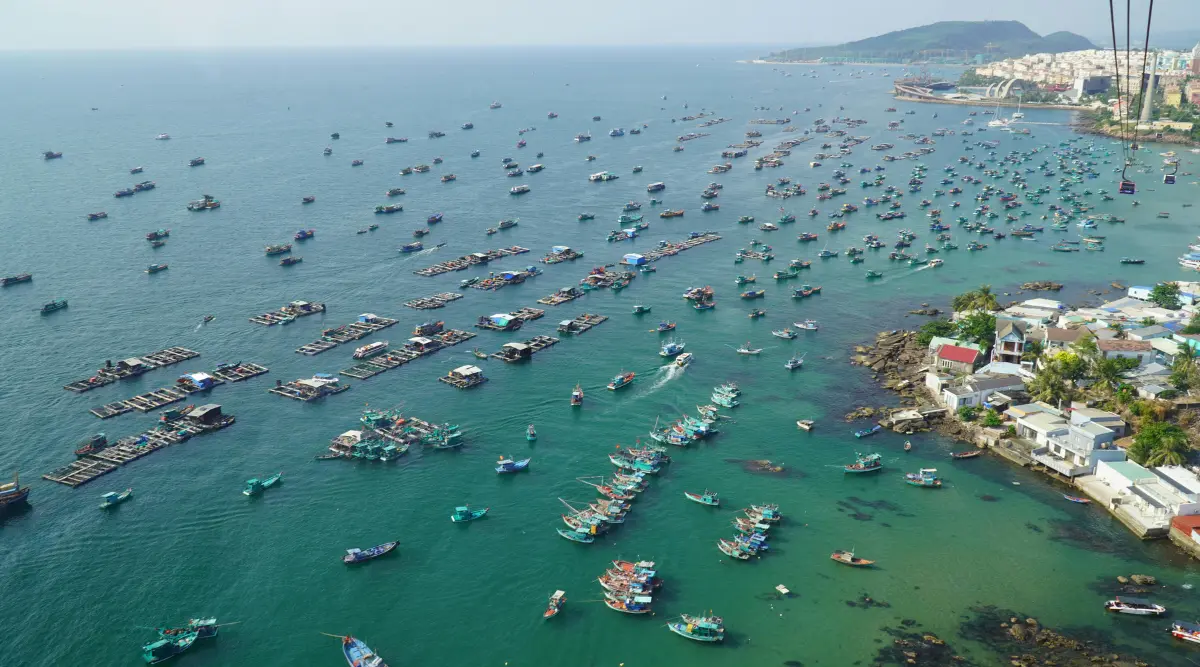
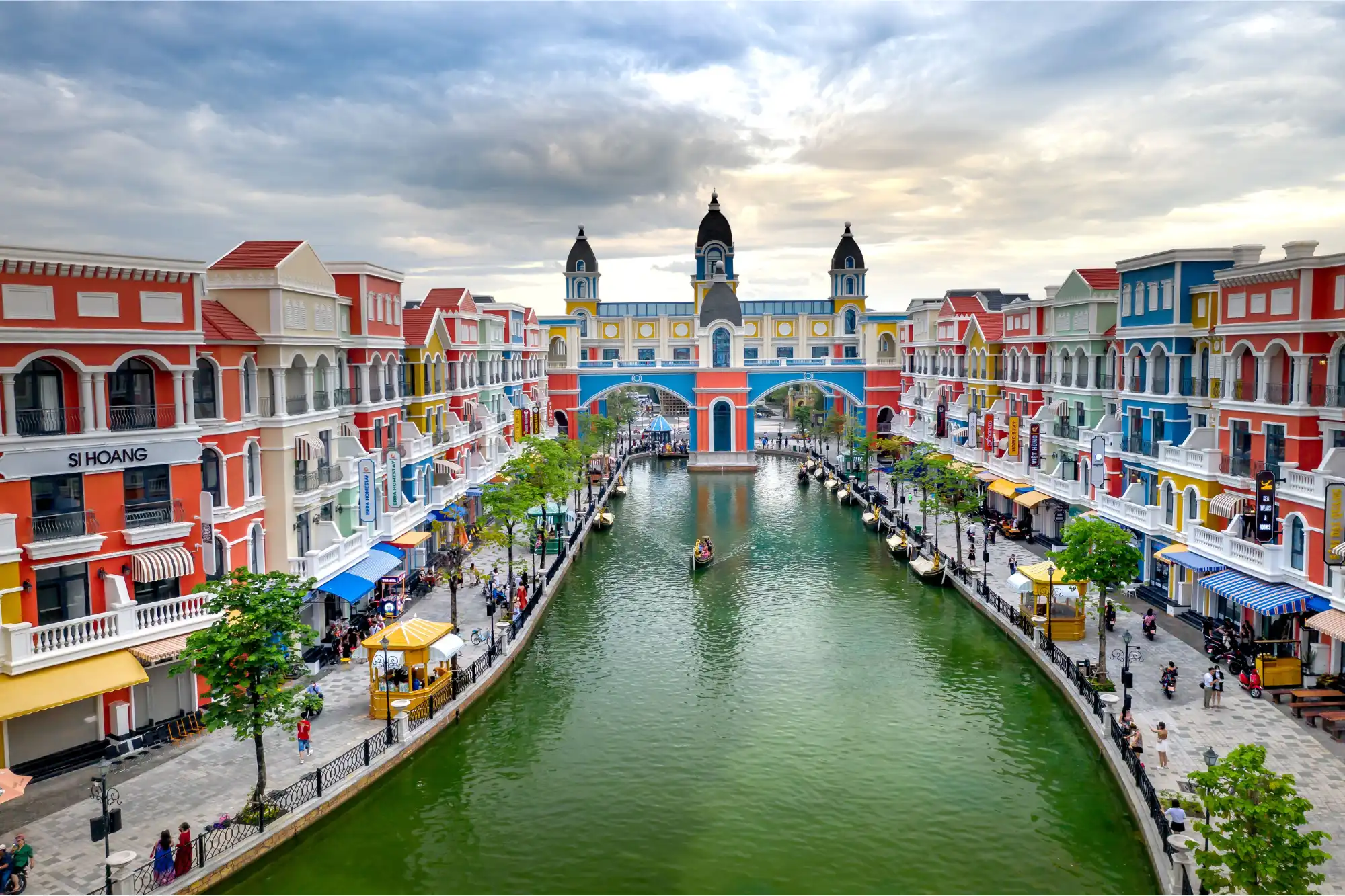
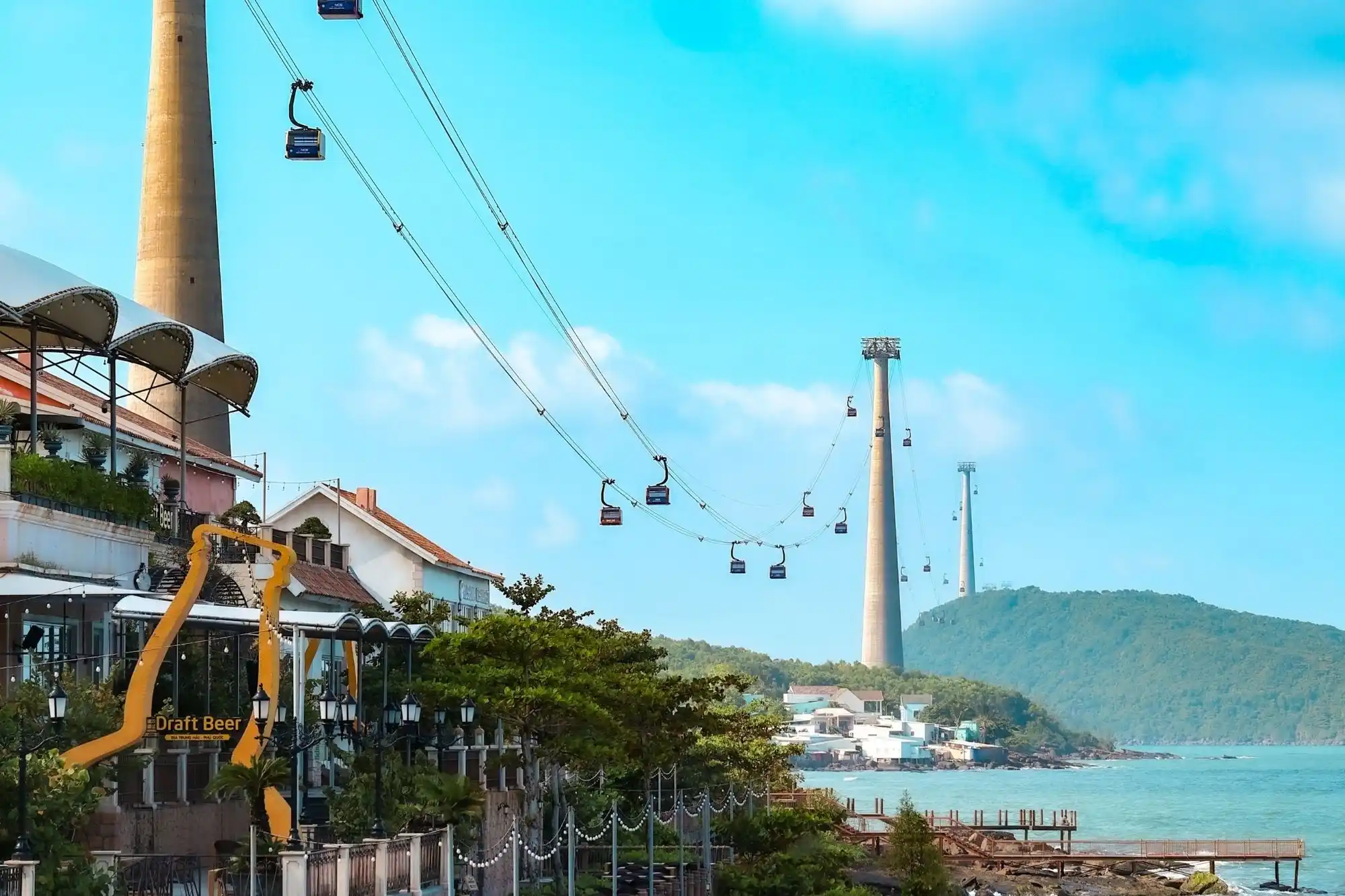
One of the most impressive feats is the Hon Thom Cable Car, which remains one of the longest over-sea cable cars in the world. The 15-minute ride provides a bird’s-eye view of the fishing fleets and turquoise waters that is worth the ticket price alone. In the North, Grand World offers a “Venice in Vietnam” experience with canals, gondolas, and the Teddy Bear Museum, all culminating in the nightly “Symphony of the Sea” water and light show.

Nature, culture and local-life experiences

Beyond the glitter of the new resorts, the “Old Phu Quoc” still exists. For travelers who want to understand the island’s heritage, there are several stops that provide a somber and fascinating look at its past and its industries.

We always encourage our guests at Indochina Travel Group to visit a Fish Sauce Factory (Nhà Thùng). Phu Quoc produces what is arguably the best fish sauce in the world, fermented in giant wooden vats. Similarly, the Pepper Farms offer a chance to see how this spice is grown and harvested – the black pepper here is incredibly aromatic. For a history lesson, the Phu Quoc Prison (Coconut Tree Prison) is a moving memorial to the revolutionaries who were held here during the war.

Food and drink: Savoring the Pearl of the Gulf

Eating in Phu Quoc is a celebration of the sea. Because it is an island, the seafood is as fresh as it gets. The culinary scene has expanded from simple street stalls to Michelin-recognized fine dining, but the soul of the island’s food remains in its night markets.

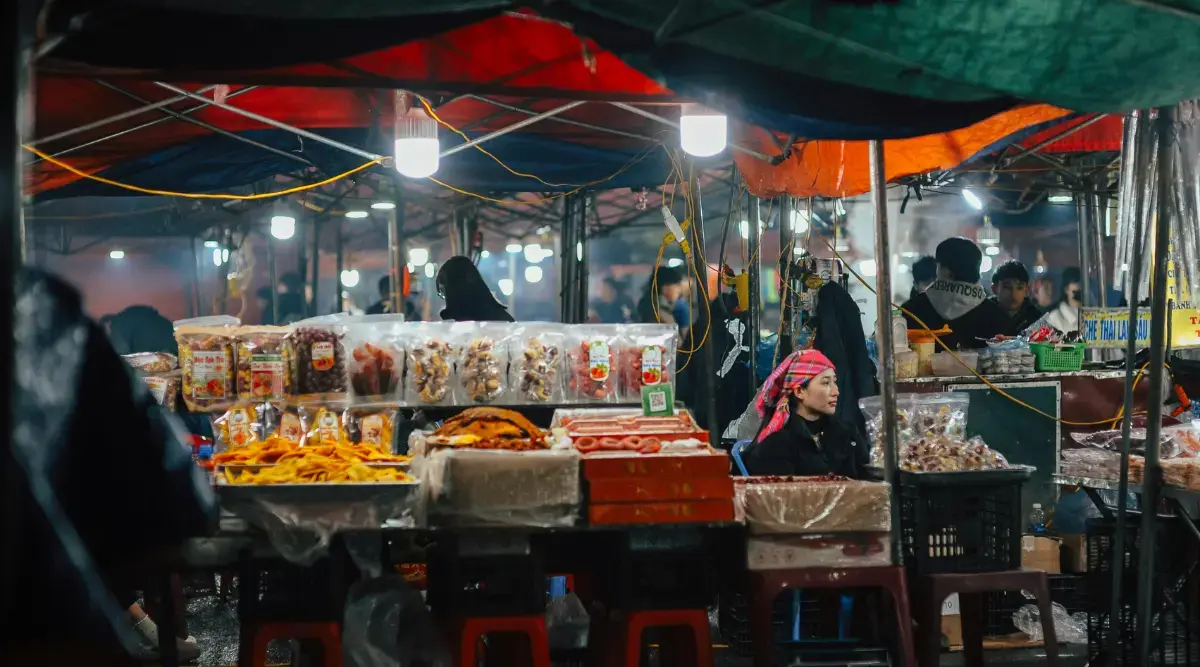
When you visit the Night Market in Duong Dong, look for the stalls with the most locals. You can pick out live fish, sea urchins, and scallops, which are then grilled with spring onion oil and peanuts. For a morning meal, find a bowl of Bún Quậy – the noodles are made on the spot, and you stir your own dipping sauce to match your spice preference. It is a messy, delicious, and authentic island experience.

Sunset-focused spots

In Phu Quoc, the sunset is not just a time of day, it is an event. Because the island’s main tourist stretch faces west, you are treated to a spectacular light show every evening.

If you want a traditional experience, head to Dinh Cau Temple. This rock-outcrop shrine is where fishermen still pray for a safe journey. At dusk, the pier is filled with locals and tourists alike watching the sun vanish into the Gulf of Thailand. For a more romantic, curated vibe, Sunset Town (Địa Trung Hải) offers Italian-style piazzas and the “Kiss Bridge,” which was specifically designed so that the sun sets perfectly between its two spans on specific days of the year.

3 – 5 day sample itineraries for Phu Quoc Island

A 3-day trip focuses on the highlights of the South and the Night Market, while a 5-day trip allows for a deep dive into the North’s safaris, theme parks, and the untamed National Park forest.

The “classic 3-day” itinerary

  • Day 1: Arrive, check into Long Beach, sunset at Dinh Cau, and dinner at the Night Market.
  • Day 2: Full-day speedboat tour to the Southern Islets (snorkeling, BBQ lunch, and Hon Thom cable car).
  • Day 3: Morning visit to the Pepper Farm and Fish Sauce factory, followed by an afternoon at Sao Beach before departure.

The “ultimate 5-day” explorer

  • Days 1 – 3: Follow the 3-day highlights.
  • Day 4: Head North. Visit Vinpearl Safari in the morning and spend the afternoon/evening at Grand World for the shows.
  • Day 5: A quiet morning hike in the National Park or a visit to Starfish Beach, followed by final souvenir shopping in Duong Dong.

Practical tips for a flawless island stay

Success in Phu Quoc requires a balance of safety and spontaneity. Use Grab for reliable transport, respect the marine environment, and always carry cash for the night markets, even though resorts accept cards.

Here are our “pro-tips”:

  • Scooter safety: The roads are much better now, but truck traffic can be heavy. Only rent a scooter if you are an experienced rider.
  • Environmental responsibility: Our reefs are recovering. Please use reef-safe sunscreen and never touch or stand on the coral during your snorkeling tours.
  • Budgeting: While luxury is available, you can eat like a king for $10 at the Night Market. Indochina Travel Group always recommends a mix of both!
  • Hydration: The island sun is intense. Drink more water than you think you need, and don’t forget your hat!

FAQs

  • What are the top things to do in Phu Quoc in 3–5 days?
    Focus on island-hopping in the south, the Hon Thom cable car, the Duong Dong Night Market, and at least one cultural stop like the Pepper Farm or the Prison.
  • Is Phu Quoc safe for tourists, especially for solo or first‑time visitors?
    Extremely. Violent crime is virtually non-existent. Like any tourist hub, watch for “tourist pricing” in some markets, but generally, the island is very welcoming.
  • What is the best time of year to visit Phu Quoc?
    November to March for the best weather. Avoid July to September if you want to ensure your boat tours aren’t canceled due to rain.
  • How do you get to Phu Quoc Island from Hanoi or Ho Chi Minh City?
    Flying is the only practical way. There are dozens of daily 1-2 hour flights from both cities.
  • Where is the best place to stay in Phu Quoc?
    Long Beach for luxury/convenience, Duong Dong for local life, and Sunset Town for romance and views.
  • Are there good day‑trip boat tours from Phu Quoc?
    Yes! Speedboat tours to the An Thoi archipelago (4 islands) are the most popular and highly recommended.
  • Is it better to rent a scooter or use taxis/Grab on the island?
    Use Grab for comfort and safety at night. Rent a scooter for exploring the quiet roads of the North or the National Park during the day.
  • What are the must‑visit beaches?
    Sao Beach (white sand), Starfish Beach (nature), and Long Beach (sunsets).
  • Are VinWonders, Vinpearl Safari, and the cable car worth it for families?
    Absolutely. They are world-class facilities and provide an excellent break from the beach for children.
  • Is the Phu Quoc Night Market safe and worth visiting?
    Yes, it is very safe. It’s crowded, but that’s part of the fun. It’s the best place to sample local street food.
  • What local food must I try in Phu Quoc?
    Grilled sea urchin, herring salad (Gỏi cá trích), and stirred noodles (Bún Quậy).
  • Are there good hiking or nature options?
    Yes, the Phu Quoc National Park has several trekking trails, and the Tranh Stream waterfall is a great light hike.
  • Can I visit Phu Quoc as a visa‑free stop on a multi‑country trip?
    Yes, provided you fly directly into the island and do not leave for the mainland, you can enjoy a 30-day visa exemption.

Conclusion

Phu Quoc is a destination that rewards the curious and calms the hurried. Over our many years of experience, I have seen people arrive stressed and leave with the “island glow.” Whether you are standing on the Kiss Bridge or snorkeling in a hidden cove, Phu Quoc has a way of making the rest of the world disappear. At Indochina Travel Group, we are ready to be your local heartbeat on the ground. Let us take the stress out of your logistics so you can focus on the memories. I invite you to explore our Vietnam Tour Packages and let us help you plan the perfect escape to the Pearl Island.