Da Lat Travel Guide: Where to Stay, Nature & Highland Trip Planning
When we plan Da Lat, we first decide what role the highlands should play in the wider trip. Some travellers want two cool-weather nights between coastal or southern stops; couples may want a slower stay; others come specifically for waterfalls, hiking or canyoning. Those are different itineraries even though the destination is the same.
Da Lat works as three different kinds of stay
City + cafés
Lake, market and architecture Best for a short highland stop
Countryside + waterfalls
Longer road days outside town Best with a separate outdoor day
Slow highland stay
Resort, views and quieter pacing Best when the hotel setting matters
Route logic: decide whether Da Lat is a short climate change, an outdoor destination or a slower highland stay before choosing the hotel and daily driving pattern.
What kind of Da Lat stay fits your trip?
Trip style
Time
What fits well
Planning note
City + café stay
2 nights
Central market, cafés, gardens, light sightseeing
Good when Da Lat is a change of climate rather than the main trip focus.
Nature + waterfalls
3 nights
City plus waterfalls, countryside or outdoor activities
Leave enough time for road transfers outside the centre; do not stack several distant sites into one day.
Slow / couple stay
3–4 nights
Views, cafés, countryside, relaxed hotel time
Useful for honeymoon or slower routes when hotel time, views and café stops matter as much as sightseeing.
Da Lat + Nha Trang
4–6 nights total
Highlands + coast
Treat the road transfer as a real travel day and avoid forcing a full sightseeing programme at both ends.
Da Lat at a glance: highland city, countryside and outdoor trips
Da Lat sits in Vietnam’s Central Highlands and feels different from the country’s lowland cities because of its elevation, cooler conditions, pine landscape and agricultural surroundings. From an itinerary point of view, the city centre is only one part of the destination; many waterfalls, farms and outdoor experiences require road time outside town.When our team builds a Da Lat stay, hotel location and daily driving come before the attraction list. A central hotel works well for cafés, market evenings and short stays; a resort or countryside property makes more sense when quiet time is part of the reason for coming. If the trip continues to Nha Trang, we protect the coast-to-highlands transfer as a real part of the itinerary. For other onward routes, we use the same rule: do not place a full sightseeing day immediately on both sides of a long transfer.
Best time to visit Da Lat
Da Lat’s elevation gives it cooler conditions than the nearby coast, but the useful planning question is how much rain and outdoor time your trip can absorb. Drier months are usually easier for walking, countryside drives and outdoor activities; wetter periods need more flexibility around waterfalls, trails and road conditions.If a flower festival or seasonal event matters to you, check the current programme for that year rather than planning around an assumed recurring date. Even outside the coolest months, evenings can feel noticeably cooler than Vietnam’s coastal cities, so pack an adjustable layer and check the forecast for the specific stay.
Getting to and around Da Lat
Da Lat is far enough from Ho Chi Minh City that the transfer deserves its own planning. The headline distance does not tell you how the road, flight timing or airport transfer will affect the rest of the day, so we decide the transport mode before fixing sightseeing on either side.Road and bus travel can work well when Da Lat is part of a longer overland route, while flights use Lien Khuong Airport south of the city and still require an airport transfer. Around the centre, walking is useful near Xuan Huong Lake and the market; waterfalls, farms and other outlying stops need a separate road plan. Choose a taxi, app-based car or private vehicle when mountain roads, rain or fog make self-driving a poor fit.
Where to stay in Da Lat?
Where you stay changes how much driving the trip needs. A central base suits short stays and evening access; hillside or countryside properties make more sense when quiet time and the hotel setting are part of the reason for visiting.We categorize the options into three main experiences:
Central heritage / city hotels: Useful for first visits when the lake, market, cafés and city sights need to stay easy to reach. Check the exact street and slope, because a hotel that looks central on a map can still involve a steep walk back from the market.
Boutique homestays: Hillside and neighbourhood stays can give you a quieter base with home-cooked breakfasts and more time outside the central hotel zone.
Lakeside or countryside resorts: Better when the property, views and slower pace matter more than walking into the centre each evening. If you are sensitive to cooler nights, confirm the room’s heating or bedding setup rather than assuming every property handles temperature the same way.
Main Da Lat sights and how to group them
Da Lat’s city sights and countryside attractions create very different days. We usually keep the central lake, market, architecture and cafés together, then give waterfalls or countryside stops their own road time. That avoids spending the day zig-zagging in and out of town.
Lake-side and city-center highlights
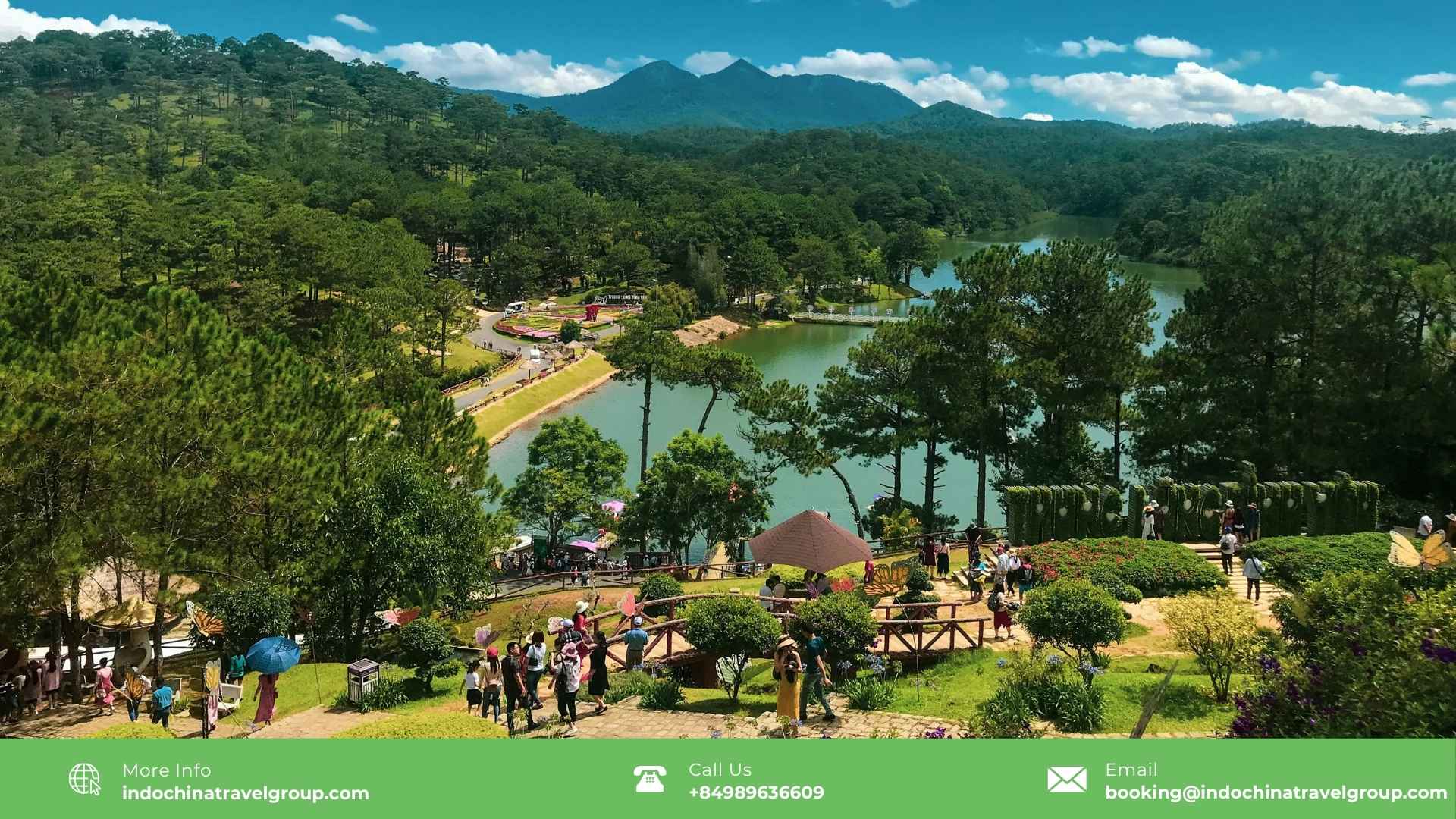
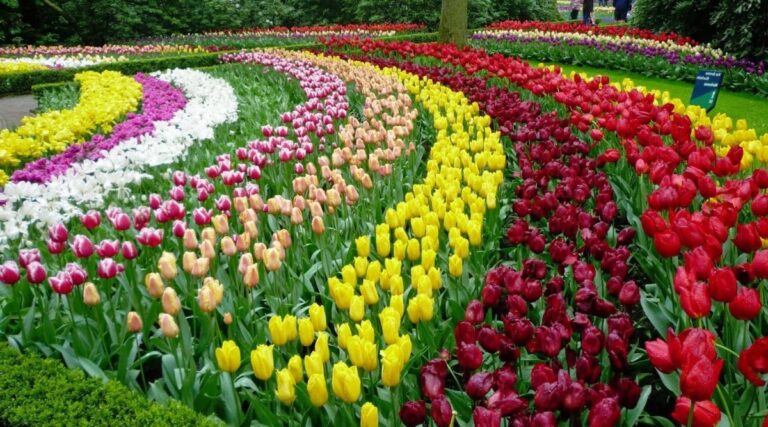
Da Lat’s gardens and central sights work best as a lighter city block between longer countryside or waterfall days.
Xuan Huong Lake, Lam Vien Square and the central market can be grouped into the same city block of the itinerary. They work well on an arrival day or between longer countryside excursions because they do not require a separate long transfer.
Nature and outdoor sites
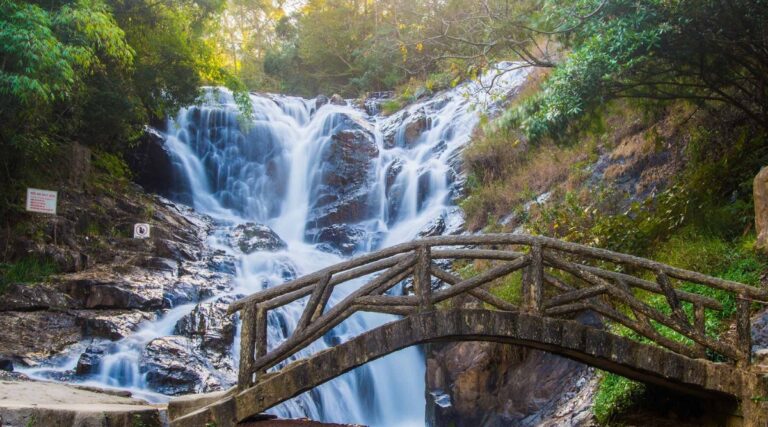
Datanla is one of the easier waterfall stops to combine with a Da Lat stay, but road time and activity queues still matter.
Datanla, Pongour and Lang Biang create different outdoor days. Datanla is easier to combine with the city; Pongour needs more road time; Lang Biang depends on the type of viewpoint or outdoor activity you want. Weather and trail or attraction conditions should decide the final choice rather than trying to fit all three into one stay.
Pagodas and temples: The spiritual highlands
Linh Phuoc Pagoda is known for its dense mosaic decoration using glass, porcelain and ceramic pieces. Truc Lam Zen Monastery offers a very different atmosphere, with a quieter religious setting near Tuyen Lam Lake. Choose between them by interest and route rather than treating both as required stops.
Quirky and fun-focused spots
Crazy House, flower gardens and farm visits add a more playful side to the city. Use them when architecture, gardens or photography matter to the traveller; they are optional contrasts to the lake, cafés and outdoor countryside rather than compulsory Da Lat icons.
Outdoor activities in Da Lat: coffee farms, canyoning and hiking
Coffee farms and outdoor activities can add context beyond the city sights. A coffee visit makes sense when agriculture and local production are part of the traveller’s interest. Canyoning is a specialist activity involving water, height and technical movement, so use an appropriate operator and check current weather, age, fitness and equipment requirements before booking.
Food and drink in Da Lat
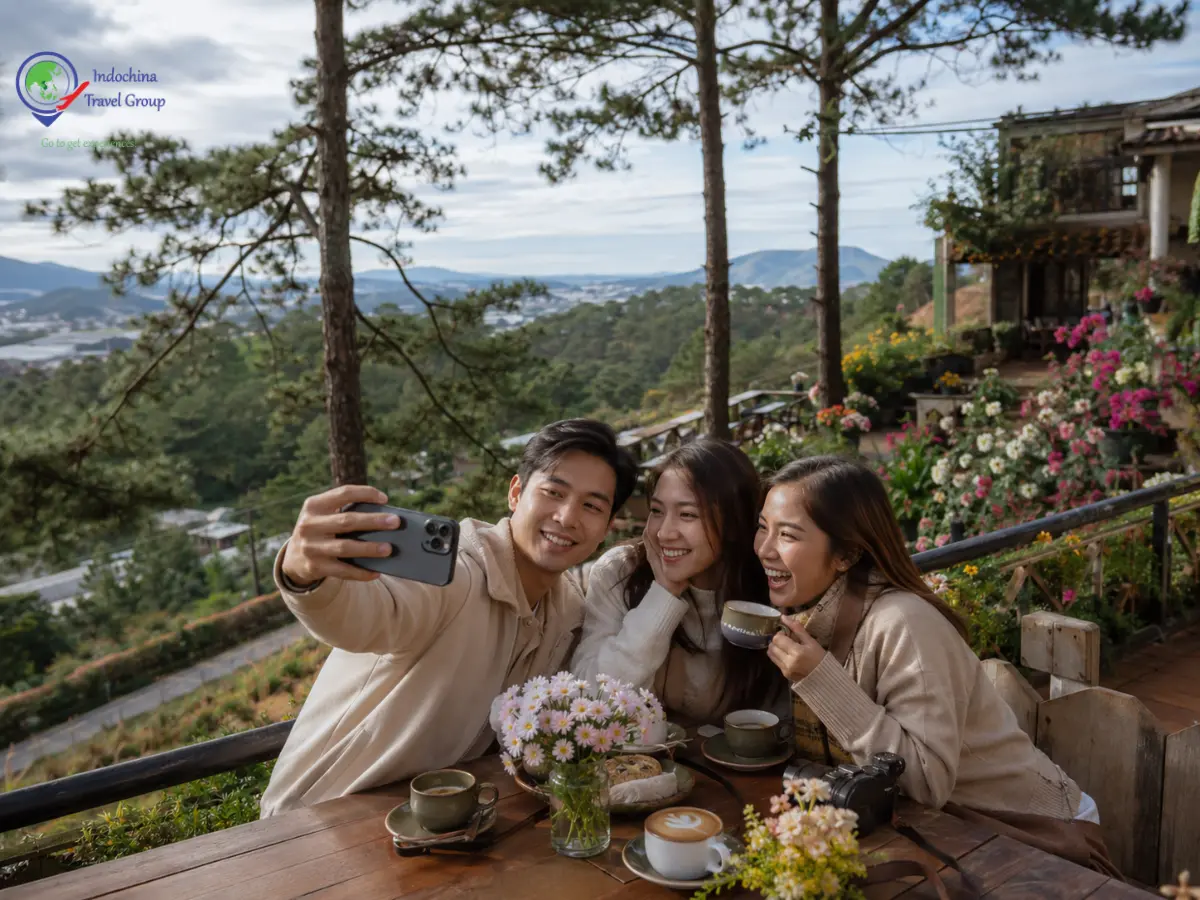
Cafés are part of Da Lat’s slower city rhythm, especially on cooler or weather-flexible afternoons.
Da Lat’s cooler climate and surrounding agriculture shape a different food rhythm from the coast. Warm snacks, market food, coffee and locally grown produce fit naturally into the day without turning the meal plan into another attraction checklist:
Banh Can: These small, crispy rounds are cooked in clay molds and served with a savory meatball dipping sauce.
Grilled corn and sweet potato: Found throughout the night market, these are simple cold-weather snacks that suit Da Lat’s cooler evenings.
Dairy treats: Da Lat is famous for its fresh milk and yogurt. Try the warm soy milk served with a side of pastry at any street stall.
Fruit specialties: Fresh and preserved fruit are common around markets and shops. Choose seasonal produce and check the source or packaging when buying items to carry onward.
Practical tips for visiting Da Lat
The practical checks are mostly about temperature change, hills and weather. Pack adjustable layers, keep some cash for small vendors, dress respectfully at religious sites and avoid building the day around self-driving if rain, fog or mountain roads are outside your comfort level:
Road safety: Only self-drive when you are properly licensed, insured and experienced on steep or wet roads. In poor visibility or rain, use a taxi, app-based car or private vehicle instead.
Budget planning: The main cost difference usually comes from how many out-of-town days you add. A central city stay with short taxi rides is a different trip from private countryside transfers, canyoning or multiple waterfall days, so compare the whole route rather than the room rate alone.
Etiquette: At pagodas and religious sites, follow posted dress, footwear and photography rules rather than applying one city-wide etiquette assumption.
Bargaining: At markets, ask politely whether a price is negotiable; treat clearly marked or fixed-price items as fixed.
How to spend 2–4 days in Da Lat
Use these as planning examples rather than fixed programmes. The key is to separate the compact city block from the longer waterfall, countryside or outdoor days so road time does not dominate the stay:
2 days: city centre plus one outdoor area
Day 1: Morning walk around Xuan Huong Lake, visit the Old Railway Station and Linh Phuoc Pagoda. Evening at the Night Market.
Day 2: Morning coaster ride at Datanla Falls, visit the Crazy House for lunch, and a sunset coffee at a cafe overlooking the pine valley.
4 days: city, countryside and one slower day
Days 1–2: Keep one day mainly in the centre and one day for a waterfall or countryside area, instead of crossing the city several times.
Day 3: Use a separate countryside day for coffee-growing areas, farms or a farther waterfall, choosing stops that sit in the same direction.
Day 4: Keep one slower block around Tuyen Lam, Truc Lam or the hotel base, then leave enough margin for the onward road or airport transfer.
FAQs
What are the top things to do in Da Lat in 2–4 days? Use the central lake and market as one city block, then add one or two countryside or outdoor days according to your interests. Coffee farms and canyoning are optional and suit very different travellers.
Is Da Lat suitable for couples, families, or solo travelers? Da Lat can work for couples, families or solo travellers, but the right plan changes by mobility, transport comfort and the type of outdoor activity you want.
Is Da Lat safe for tourists, including motorbike riders? Use normal travel precautions in the city. The more specific planning issue is road safety: hills, rain and fog can make self-driving a poor choice even for travellers who are comfortable in urban traffic.
What is the best time of year to visit Da Lat (spring vs rainy season)? Drier months are usually easier for walking and countryside drives; wetter months bring greener landscapes but require more flexibility. Check the actual forecast and attraction conditions for the dates you are visiting.
How do you get to Da Lat from Ho Chi Minh City, Nha Trang, or Mui Ne? Da Lat can be reached by air or road depending on the origin. From Nha Trang or other nearby regions, road time varies with the route, traffic and pickup point, so confirm the actual transfer before fixing sightseeing at either end.
Where is the best place to stay in Da Lat (city center vs lakeside vs outskirts)? Use the centre for evening access and shorter city stays; use Tuyen Lam or countryside areas when quiet surroundings matter more than walking to the market. Check the exact transfer time rather than choosing by area label alone.
Are there good day trips from Da Lat (Tuyen Lam Lake, Elephant Falls, Datanla, Lang Biang)? They are spread in different directions and do not all belong in the same day. Group stops by geography and current road or attraction conditions so the trip does not become a series of transfers.
What are must‑visit attractions (Crazy House, Datanla Falls, Xuan Huong Lake, Lam Vien Square, pagodas)? They cover different sides of Da Lat, but none is compulsory. Choose the city, architecture, nature and religious stops that fit your interests and available road time.
What local food must I try in Da Lat (bánh căn, strawberry‑sweets, coffee, night‑market snacks)? Banh can, grilled rice paper, warm soy milk and locally grown fruit are useful starting points, but choose by your taste and dietary needs rather than treating any item as compulsory.
Are there coffee-farm and agricultural visits near Da Lat? Yes. Coffee-growing areas and farm visits can fit a countryside day, but opening hours, visitor access and hands-on activities vary, so confirm the specific farm before building the route around it.
What are good outdoor‑activity options (hiking, canyoning, motorbike tours, Mario‑kart‑style track)? Outdoor options range from guided canyoning and hiking to activity attractions. Choose by current operating conditions, weather, age and fitness requirements rather than by a fixed ranking.
How cold is Da Lat and what should I pack (layers, jacket, rain‑gear)? Evenings can feel much cooler than the coast. Pack adjustable layers and add rain protection when the forecast calls for it rather than relying on one fixed temperature or rainy-season rule.
Choose Da Lat by the kind of days you want
Da Lat works best when the city and countryside are planned as different types of day. The centre gives you markets, cafés and architecture with less transport; waterfalls, farms and outdoor activities need their own road time and more flexibility when rain or fog affects the hills.If Da Lat is part of a longer route, decide whether the next leg should return to the coast or continue toward another inland section. Use the Nha Trang travel guide for the most direct coast-and-highlands pairing, or compare Quy Nhon and Phu Yen when you want a quieter south-central coast after the highlands.Use the Central Vietnam route guide for the wider route comparison. Once the sequence is clear, the Vietnam Tour Packages page is the handoff for bookable itineraries.