

Best beaches in Vietnam at a glance: choose My Khe / Da Nang for city convenience and Hoi An access; Nha Trang for a full beach-city base and boat activities; An Bang / Hoi An for heritage plus beach; Phu Quoc for a multi-night island-resort finish; Quy Nhon / Phu Yen for a quieter road-based coast; Mui Ne for dunes and wind sports; Con Dao for a quieter nature-and-history island; or Cat Ba / Lan Ha Bay for karst scenery, hiking and kayaking.
If you are still deciding whether a beach belongs in the trip at all—or whether culture, food or nature should take more of the available days—start with our Things to Do in Vietnam guide, then return here once the coast has a clear role.

Why beach planning in Vietnam needs a regional view
Weather and sea conditions do not move in one national pattern. A month that works well for one coast can be wet, windy or rough on another, and even within a generally favourable season the marine forecast can change individual boat or swimming days.
For a first comparison, separate the trip into practical roles: city-front beach, heritage + coast, resort-led stay, wind-sport coast, or island/nature extension. That role should decide the destination before the hotel or social-media image does.
This guide compares those coast types. Once one fits your trip, open that destination guide for hotel areas, transport, trip length and the non-beach parts of the stay.
Structure the coast by trip role
- Central heritage coast: Da Nang and Hoi An work when beach time needs to sit beside heritage, food and a major airport.
- South-central coast: Quy Nhon, Phu Yen and Nha Trang need more route planning. Quy Nhon has a clearer city-plus-peninsula pattern, Phu Yen is more dispersed, and Nha Trang offers the largest city-resort layer.
- Southern mainland: Mui Ne / Phan Thiet and Vung Tau are road-accessible coastal extensions from the south, but each uses meaningful transfer time.
- Island and nature extensions: Phu Quoc, Con Dao and Cat Ba / Lan Ha Bay add another transport leg, so they work best when the itinerary has enough nights to justify the move.
City-front and heritage-linked beaches
These are the easiest choices when beach time must coexist with restaurants, sightseeing and straightforward transport.
My Khe Beach, Da Nang
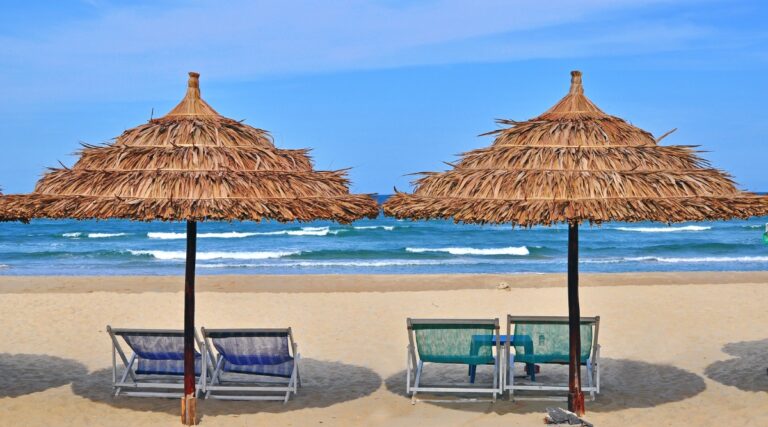
Da Nang is the practical city-beach option in the compact Central Vietnam core. My Khe works well when the group wants beach time without giving up airport access, city restaurants or easy road links to Hoi An. Swimming and surf suitability should follow the day’s flags and sea conditions.
Nha Trang Beach / Tran Phu
Nha Trang suits travellers who want a city-front beach with restaurants, cultural sights and organised water activities close to the hotel base. Choose the exact area by whether the stay is city-led, resort-led or boat-activity-led.
An Bang Beach, Hoi An
Hoi An works differently: An Bang is a beach extension to an Ancient Town stay rather than a full city-beach destination. It is useful when you want a slower afternoon or one separate beach day without moving hotels.
Quieter south-central coastal routes
Quy Nhon works as a city-plus-peninsula destination with a separate south-coast branch.
Phu Yen is more dispersed, with the main coastal stops spread north and south of Tuy Hoa, so it needs more road planning.
Choose these areas when you have enough nights for road-based coastal days and are comfortable with fewer walk-out-the-door attractions than Da Nang or Nha Trang. Sea conditions still decide whether boat-led or swimming activities should run on the planned day.
Southern mainland beach extensions
Mui Ne / Phan Thiet and Vung Tau are road-accessible coastal options from Southern Vietnam, but neither should be treated as a quick beach detour without counting transfer time.
Mui Ne / Phan Thiet
Mui Ne is useful when wind sports, dunes or a resort-led mainland stay matter. Wind conditions vary by season and day, so kite-surfing or other water sports should be planned around the actual forecast and operator advice rather than assumed from the destination name.
Vung Tau and Ho Coc
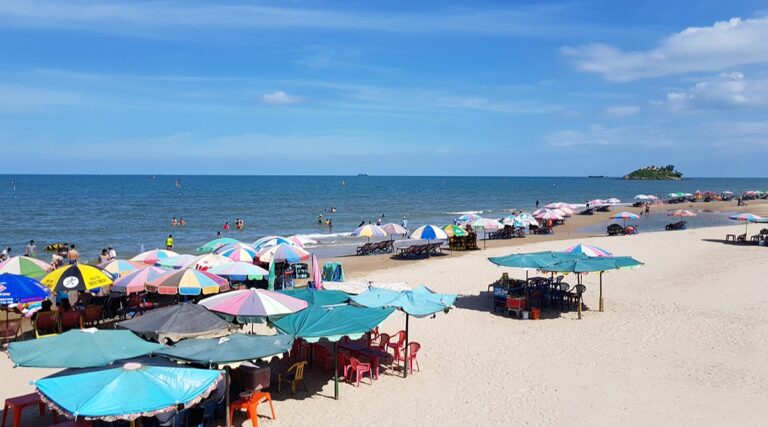
Vung Tau works as a busier coastal-city break with straightforward road access from Ho Chi Minh City. Ho Coc and nearby resort areas suit travellers who prefer a quieter mainland coast and are comfortable with fewer city services close to the hotel.
Phu Quoc: island resort and beach extension
Phu Quoc works when the itinerary has enough nights to justify another flight or ferry, hotel change and island transfer. The island has several distinct hotel zones, so “Phu Quoc beach” is not one interchangeable experience.
Bai Sao
Bai Sao can work as a south-island beach day, but sand condition, water clarity, access and crowd levels vary. Treat it as one option within a south-coast day rather than a guaranteed postcard stop.
Long Beach / Bãi Trường
Long Beach (Bãi Trường) runs along the west coast near Duong Dong and is one of the most practical areas for first or shorter stays because hotels, dining and airport access are relatively convenient. Do not confuse it with Bãi Dài, a separate northwestern beach area associated with the island’s northern resort and attraction zone.
Choose the hotel area around the wider island plan: Long Beach / Duong Dong for convenience, the south for An Thoi and Hon Thom plans, or the north when northern attractions and resorts are the priority.
Island and nature-led beach extensions
Con Dao / Con Son Island
Con Dao combines beach time with prison-history sites, protected landscapes and marine activities. It suits travellers who want a quieter island stay and are comfortable with fewer transport and accommodation choices than Phu Quoc. Flight or ferry schedules, weather and conservation rules should be checked for the actual dates.
Cat Ba Island and Lan Ha Bay
Cat Ba offers an island base with access to Lan Ha Bay plus hiking and national-park activities. It is useful when you want more land-based activity than a cruise-only plan. Kayaking, boat routes and beach stops depend on current weather and operating conditions; compare the wider bay route with our Ha Long Bay travel guide.
Ly Son and Quan Lan can also suit more specialised island routes, but they require additional transport planning and should not be treated as easy substitutes for a mainland city beach.
Compare Vietnam beach areas by trip role
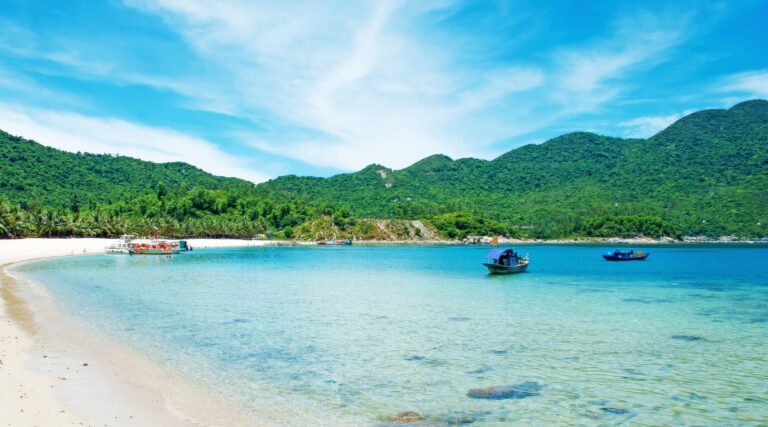
| Beach / area | Trip role | Works well when | Main trade-off |
| My Khe / Da Nang | City beach + airport/heritage access | You want beach time beside city services and short links to Hoi An | Swimming and surf conditions still vary by day |
| Nha Trang | City-resort coast + boat activities | You want beach, restaurants and organised water activities in one base | Marine activities depend on sea conditions and operator schedules |
| An Bang / Hoi An | Heritage + beach | The Ancient Town is the main reason for the stay and beach time is secondary | It is not the same kind of city-resort base as Da Nang or Nha Trang |
| Quy Nhon / Phu Yen | Road-based coastal route | You have enough nights for peninsula, bay or north/south coastal days | More driver/road time and fewer walkable all-in-one resort zones |
| Mui Ne / Phan Thiet | Mainland resort + wind-sport coast | You want dunes, wind sports or a road-accessible southern beach stay | Wind and sea conditions change by season and day |
| Phu Quoc | Island resort finish | You can give the island several nights after the extra flight/ferry and hotel move | Hotel zone strongly changes transfer time and beach access |
| Con Dao | History + nature island | You want a quieter specialist island stay | Fewer transport/accommodation choices; weather and schedules matter more |
| Cat Ba / Lan Ha Bay | Bay + island activity | You want hiking, kayaking or island time alongside karst scenery | Boat routes and outdoor activities are weather-dependent |
Seasonality: choose the coast after fixing your travel dates
There is no single nationwide “beach season” for Vietnam. The central coast, southern mainland, islands and northern bay area respond differently to monsoon patterns, storms, wind and short-range sea conditions.
- Central coast: rain, storms and rougher seas can become more important later in the year, but exact timing varies. Use the monthly pattern only as a first filter, then check the forecast and local beach conditions closer to the date.
- South and Phu Quoc: drier months are often easier for beach and boat planning, while wetter or windier periods need more flexibility. Even in a generally favourable season, a marine day can still change at short notice.
- Cat Ba / northern bay area: cooler periods, fog, visibility and wind can affect how a beach-or-bay day feels. Cruise and boat operation should follow the current local notice.
If the trip crosses several coasts, do not force one destination simply because a generic “best month” chart says it should work. Choose the coast that fits the dates, then keep one land-based fallback for any boat-led day.
How to choose the right beach area
- Need airport + city convenience: Da Nang or Nha Trang are easier starting points.
- Need heritage first, beach second: Hoi An with An Bang is a cleaner fit than moving to a separate resort city.
- Want a quieter road-based coast: Quy Nhon or Phu Yen work when the itinerary can absorb the driving.
- Want a mainland resort with dunes or wind sports: consider Mui Ne / Phan Thiet and check the current wind/sea pattern.
- Want a multi-night island finish: Phu Quoc is the simplest large-island option; Con Dao is a more specialist history-and-nature choice.
- Want bay scenery plus hiking/kayaking: Cat Ba / Lan Ha Bay fits better than a conventional resort-beach brief.
Sample beach-route shapes
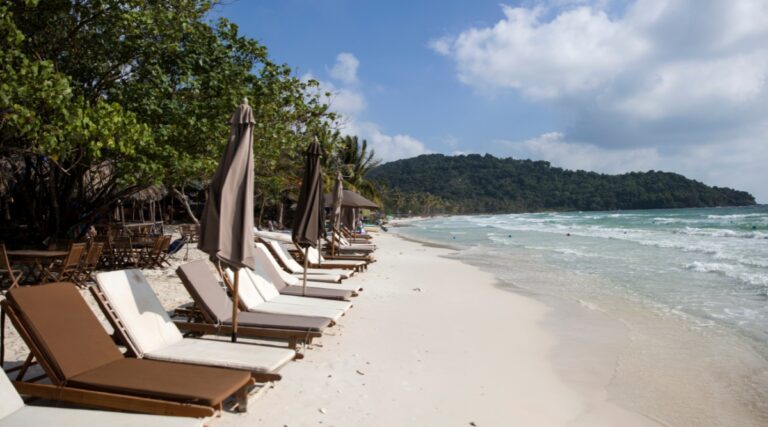
5–7 nights: compact Central coast
Base around Da Nang / Hoi An, then add either Nha Trang or a slower Quy Nhon / Phu Yen section if transport and flight times justify the move. Trying to cover Da Nang, Hoi An, Nha Trang and Mui Ne in one week usually turns a beach trip into a transfer trip.
5–7 nights: southern city + island finish
Use Ho Chi Minh City plus Phu Quoc or Con Dao. Do not assume a direct island-to-island connection will operate on the dates you need; actual flight/ferry schedules should decide the sequence.
7–10 nights: south-central road coast
- Nha Trang: use as the larger city-beach or resort base at the southern end of the corridor.
- Phu Yen: give the route enough daylight for north- and south-coast road days.
- Quy Nhon: use the city as the practical base for peninsula and south-coast branches.
This corridor works when road days are part of the trip and each base has enough nights to avoid repeated one-night check-ins.
Practical checks before each beach or boat day
- Check posted swimming warnings, local closures and sea conditions on the day.
- Confirm boat, diving or snorkeling operation with the provider when the activity is weather-dependent.
- Use appropriate sun protection, shade and drinking water for long outdoor days.
- Use suitable footwear on rocky or reef-adjacent areas and avoid standing on or touching coral.
- Save booking details and operator contacts offline before remote drives or boat trips.
- Keep a land-based fallback when one sea day is important to the itinerary.
Conclusion
The useful way to choose a Vietnam beach is by route role + travel dates + hotel base + transfer tolerance, not by a national ranking. Once you know which coast fits, use the destination guide for the detailed decision on where to stay, how many nights to give it and what to pair with the beach.
If you already know the coast and want ITG to handle the wider route, compare our Vietnam Tour Packages.

Recommended Tours


5D4N DELIGHT DANANG TOUR (DANANG – BA NA HILL FRENCH VILLAGE – HOI AN – HUE CITY) (SEAT IN COACH)


Group Tour
Phu Quoc Island 4 Days 3 Nights Group Tour
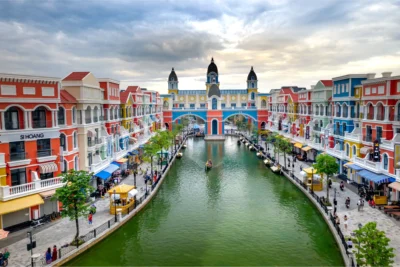
Phu Quoc Arrival - Grand World Tour - VinWonders Phu Quoc - Duong Dong Night Market - Sun World Hon Thom - Kiss Bridge - Phu Quoc Departure
Private
Phu Quoc 5D4N With Grand World
Phu Quoc - Grand World - Hon Thom Cable Car - 4 Island Tour - Aquatopia Water Park - Vin Wonders Theme Park - Vin Safari - Kiss Of The Sea Show

4D3N HIGHLIGHT OF MIDDLE OF VIETNAM (SEAT IN COACH)




Private Tour
Vietnam And Cambodia Discovery 18D17N
Hanoi - Ha Giang (The Far North) - Halong Bay - Hoi An - Hue - Ho Chi Minh City - Mekong Delta - Siem Reap (Angkor)