

How the main South Vietnam routes fit together
| Route | Useful time | Best for | Planning note |
| Ho Chi Minh City | 2–3 nights | History, food, city life | Do not use every city day for excursions; leave time for Saigon itself. |
| HCMC + Mekong Delta | 3–5 nights total | City + rural/river contrast | A day trip works when time is short; stay overnight when the Delta is a real trip priority. |
| HCMC + Phu Quoc | 5–7 nights total | City + beach finish | Give Phu Quoc at least several nights so the extra flight and hotel change are worthwhile. |
| HCMC + Mekong + Phu Quoc | 7–10+ nights | Full southern route | Keep the Delta compact if beach time is more important, or reduce Phu Quoc if river travel is the focus. |
Why choose South Vietnam?
Southern Vietnam combines a large city gateway, river-delta travel and island or coastal extensions. The region works especially well when you want strong contrasts without crossing the whole country, but the itinerary still needs realistic transfer days.The route should follow what carries the trip. If food, history and nightlife matter most, keep more time in Ho Chi Minh City. If river life is the priority, spend a night in the Delta. If the trip needs a slower finish, Phu Quoc deserves enough nights to function as a proper beach stay rather than a rushed add-on.Ho Chi Minh City
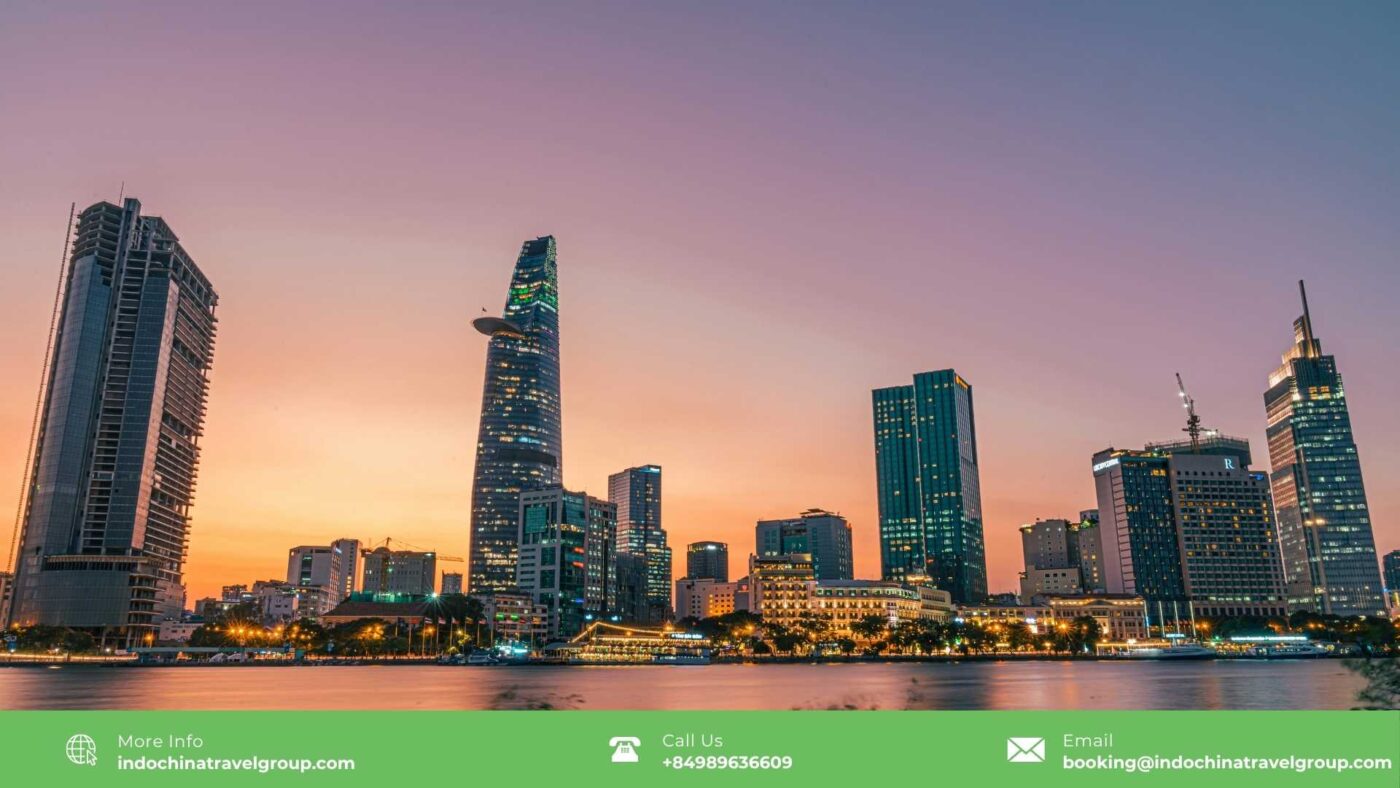
Cu Chi Tunnels
 Cu Chi is a historical excursion northwest of Ho Chi Minh City. The site adds wartime context that is different from the museums in the city, but the practical question is whether a half-day or longer excursion fits without sacrificing the city time you actually want.The visit covers tunnel systems, living and support areas, and the way the network was used during wartime. Travellers who are uncomfortable with confined spaces should know that entering the crawl sections is optional.Cu Chi works best when it has a clear role in the itinerary. It can be paired with a city stay, but stacking Cu Chi and a full Mekong day into a short two-night HCMC stop usually makes the city feel rushed.
Mekong Delta

Can Tho
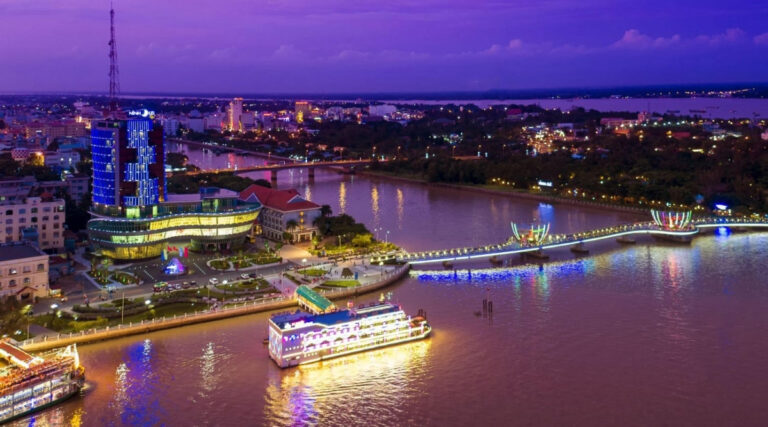 Can Tho is the most practical overnight base for travellers who want an early river departure without returning to Ho Chi Minh City the same day. It also gives the Delta section of the trip its own evening rather than treating the region only as a daytime excursion.Cai Rang is the main reason many visitors choose Can Tho, but the market should be planned around current operating patterns rather than old assumptions about how busy it will be. Staying in the city keeps the early start realistic and leaves room for riverside food, local roads and nearby orchards.For Cai Rang, an early departure can make it easier to see river activity, but timing should still be confirmed locally because trading patterns change. A smaller boat can make the experience easier to pace, especially when the rest of the day continues toward Chau Doc or back toward Ho Chi Minh City.
Chau Doc
Chau Doc sits near the Cambodian border and works differently from the shorter Delta routes around My Tho or Ben Tre. It is most useful when the itinerary continues deeper into the Delta or toward Phnom Penh rather than when the traveller only has one day outside Ho Chi Minh City.Sam Mountain, local religious sites and river communities give Chau Doc a different role from Can Tho. It can also function as a border-route base for travellers continuing toward Phnom Penh by river, subject to current transport schedules and entry requirements.If Chau Doc is included, give it a clear route purpose: religious and cultural sites, a deeper Delta night, or a cross-border continuation. Adding it to a short HCMC–Mekong trip only because it is on a destination list usually creates more transfer than value.Mui Ne and Phan Thiet
Mui Ne and Phan Thiet add a mainland coast option to the southern route. The dunes, fishing areas and wind sports give the stay a different character from Phu Quoc, but the road transfer from Ho Chi Minh City needs to be treated as part of the itinerary rather than as a quick side trip.The area is known for wind sports, the White and Red Sand Dunes and a long resort coastline. It fits travellers who prefer a road-accessible beach stop and who are comfortable giving at least a couple of nights to the coast rather than returning to HCMC immediately.If the dunes are a priority, an early start can reduce heat and fit better with the rest of the day. Fairy Stream and other local stops can be added around the same area, but there is little value in rushing back to Ho Chi Minh City on the same schedule simply to save a night.Phu Quoc
 Phu Quoc is the main island extension in this southern cluster. The practical decision is not whether the island has enough attractions; it is whether the route has enough nights to justify another flight or ferry, hotel change and transfer.Where you stay matters more than a long attraction list. Long Beach and Duong Dong suit a first or shorter stay; the north makes more sense for the large family attractions; the south works better for Hon Thom, An Thoi and south-coast resort time.Avoid crossing repeatedly between the far north and far south of the island. Choose the hotel area around the main purpose of the stay, then use the Phu Quoc beach guide only when you need the supporting beach-level detail.
Con Dao
Con Dao is a different island choice from Phu Quoc. It combines prison history, national-park landscapes and a quieter stay, but flight or ferry schedules and a smaller tourism base make it less interchangeable with Phu Quoc than a beach photo might suggest.The archipelago is known for prison-history sites, protected landscapes and marine activities. It suits travellers who want a slower island stay and are comfortable with fewer transport and accommodation choices than a larger resort island.A Con Dao stay can combine historical sites, national-park walks and marine activities, but those activities depend on weather, sea conditions and current conservation rules. Check the actual operating conditions for your dates rather than assuming a single month guarantees calm water.Which southern coast or island extension fits the route?
| Extension | Route role | Works well when | Main trade-off |
| Mui Ne / Phan Thiet | Mainland coast | You want dunes, wind sports or a beach stay without adding an island flight | The road transfer still uses a meaningful part of the day |
| Phu Quoc | Resort-island finish | Beach and resort time are an important part of the trip | Another flight or ferry, hotel change and island transfer need enough nights to justify them |
| Con Dao | History + nature island | You prefer a quieter stay with prison-history sites, protected landscapes and marine activities | Fewer transport and accommodation choices; weather and schedules matter more |
| Vung Tau | Short mainland coastal break | You want a simple coastal change of scene from Ho Chi Minh City | It feels more like a coastal city break than a dedicated resort-island stay |
Vung Tau: a mainland coastal break from Ho Chi Minh City
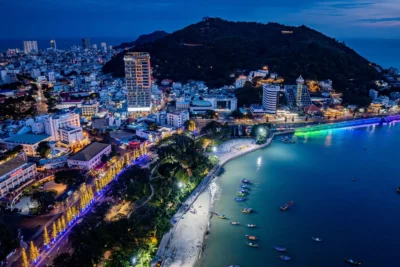
Vung Tau works when the trip needs a coastal change of scene without adding an island flight. The main planning trade-off is the road time from Ho Chi Minh City versus simply keeping another city day.The city has beachfront areas, a lighthouse and the large Christ statue on Nho Mountain. Use Vung Tau for a short mainland-coast stay rather than as a substitute for Phu Quoc or Con Dao, and check traffic or weekend demand before fixing the transfer.Ben Tre: a compact Mekong Delta route
Ben Tre offers a rural Delta setting built around canals, orchards and coconut-growing areas. It can fit a shorter route from Ho Chi Minh City without requiring the deeper overnight pattern used for Can Tho or Chau Doc.Choose Ben Tre when river and countryside time matter more than another city or beach day. The exact boat, road and workshop sequence varies by operator, so compare the actual programme rather than treating every Ben Tre day trip as the same experience.How to plan a South Vietnam trip effectively?
Southern Vietnam is easier to plan when you decide what should carry the trip: city time, the Delta, or a coast/island finish. The main risk is not missing an attraction; it is losing too much of a short itinerary to repeated transfers.With about 5–6 days, keep the route compact around Ho Chi Minh City and one Delta layer. Around 7–10 days, Phu Quoc or a mainland coast stay becomes easier to justify. Longer trips can add a deeper Delta base or a second coastal stop, but only when the extra check-in and transfer support the traveller’s priorities.A route that often works in practice is:- Start in Ho Chi Minh City: give the city its own time before adding excursions.
- Add the Mekong: choose a day trip for contrast or an overnight stay when Can Tho, Cai Rang or a deeper Delta route really matters.
- Add an island or coast only with enough nights: Phu Quoc, Con Dao or Mui Ne should feel like a real stay, not a final transfer squeezed in before departure.
COMPARE REGIONS: Vietnam Destinations planning hub
Build Southern Vietnam around the nights that matter most
A good South Vietnam route is less about collecting destinations and more about deciding where the nights should go. Keep Ho Chi Minh City as a real stay, decide whether the Mekong is a day trip or an overnight layer, and only add Phu Quoc, Con Dao or Mui Ne when the coast has enough time to justify the transfer.Once that route shape is clear, compare bookable options in our Vietnam Tour Packages rather than using a package list to decide the geography for you.
Recommended Tours

Group Tour
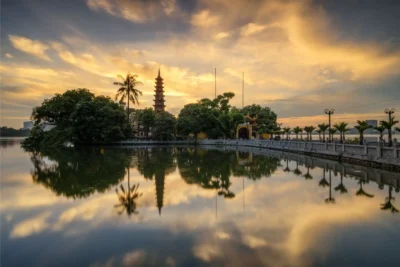
Hanoi – Danang – Ho Chi Minh – Siem Reap 11D10N
Hanoi - Ninh Binh - Halong Bay Overnight On Cruise - Danang - Hoi An Ancient Town - Bana Hills - Golden Bridge - Ho Chi Minh - Cu Chi Tunnels - Siem Reap - Angkor Wat


Group Tour
Hanoi, Ha Long Bay, Da Nang & Hoi An 5 Days 4 Nights Tour
Hanoi Arrival - Hanoi City Tour - Ha Long Bay Day Cruise - Fly to Da Nang - Coconut Jungle - Hoi An Ancient Town - Ba Na Hills - Golden Bridge - Departure

Private Tour
Ho Chi Minh – Cu Chi Tunnels – Vung Tau Beach 4D3N
Ho Chi Minh - Cu Chi Tunnels - Vung Tau

Private Tour
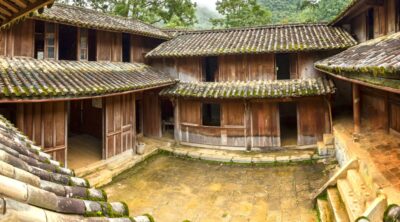
Vietnam And Cambodia Discovery 18D17N
Hanoi - Ha Giang (The Far North) - Halong Bay - Hoi An - Hue - Ho Chi Minh City - Mekong Delta - Siem Reap (Angkor)


Private Tour
Ho Chi Minh City - Mekong Delta - Hoi An - Hue - Hanoi - Sapa - Halong Bay