Mekong Delta Travel Guide: Day Trip, Overnight & Route Planning
The first Mekong Delta decision is whether you want a day outside Ho Chi Minh City or whether the Delta itself should become a real part of the trip. Those two choices create very different routes, overnight needs and travel times.

How much time should you give the Mekong Delta?
| Trip style | Time | Best for | Planning note |
| Day trip from HCMC | 1 day | First taste of canals, orchards and rural life | Keep the route focused; long transfers can dominate a one-day trip. |
| One overnight | 2 days / 1 night | Travellers who want quieter morning hours and more distance from the city | This is where the Delta starts to feel like a destination rather than an excursion. |
| Longer Delta route | 3–4 days | Can Tho, deeper rural areas or onward southern travel | Useful only when the Delta is a main trip theme; otherwise it can consume too much of a first Vietnam itinerary. |
Mekong Delta at a glance
The Delta is not one single town. It is a large network of cities, canals, orchards and agricultural areas spread across Southern Vietnam. For itinerary planning,
Ho Chi Minh City is the usual gateway, but the quality of the experience depends on how far you travel and whether you stay overnight.
Best time to visit the Mekong Delta
The Mekong Delta can be visited across the year, but rain, heat, river levels and road conditions change how comfortable different activities feel. We use the actual route and current conditions rather than one “best month” label, especially when the plan includes cycling, long boat sections or deeper rural roads.For a short day trip, the practical question is whether the road-and-boat plan still leaves enough useful time in the Delta. For overnight routes, seasonality matters more because the itinerary can include earlier river departures, longer road sections and more time outdoors:
- The drier months, roughly December to April, often make cycling and road transfers easier, but heat and local weather still matter.
- Fruit availability changes by crop and province through the wetter months, so ask what is actually in season rather than planning the whole trip around one fixed fruit window.
- During the higher-water period in parts of the Delta, some landscapes and activities change with river levels. Conditions vary by province and year, so check the actual route before treating the season as a fixed photography window.
Getting to and around the Mekong Delta
Most travelers begin their journey in Ho Chi Minh City (Saigon). The transition from the skyscrapers of District 1 to the coconut groves of the Delta is surprisingly quick, but the mode of transport changes the moment you reach the riverbank. How do you reach the Delta and move between its islands? The logistics of the Delta are best handled in three stages:
- The overland link: High-quality vans or private cars take you from your hotel in HCMC to the pier.
- The motorboat hub: Large wooden boats take you across the wide branches of the Mekong (like the Tien or Hau rivers) to reach the various islands.
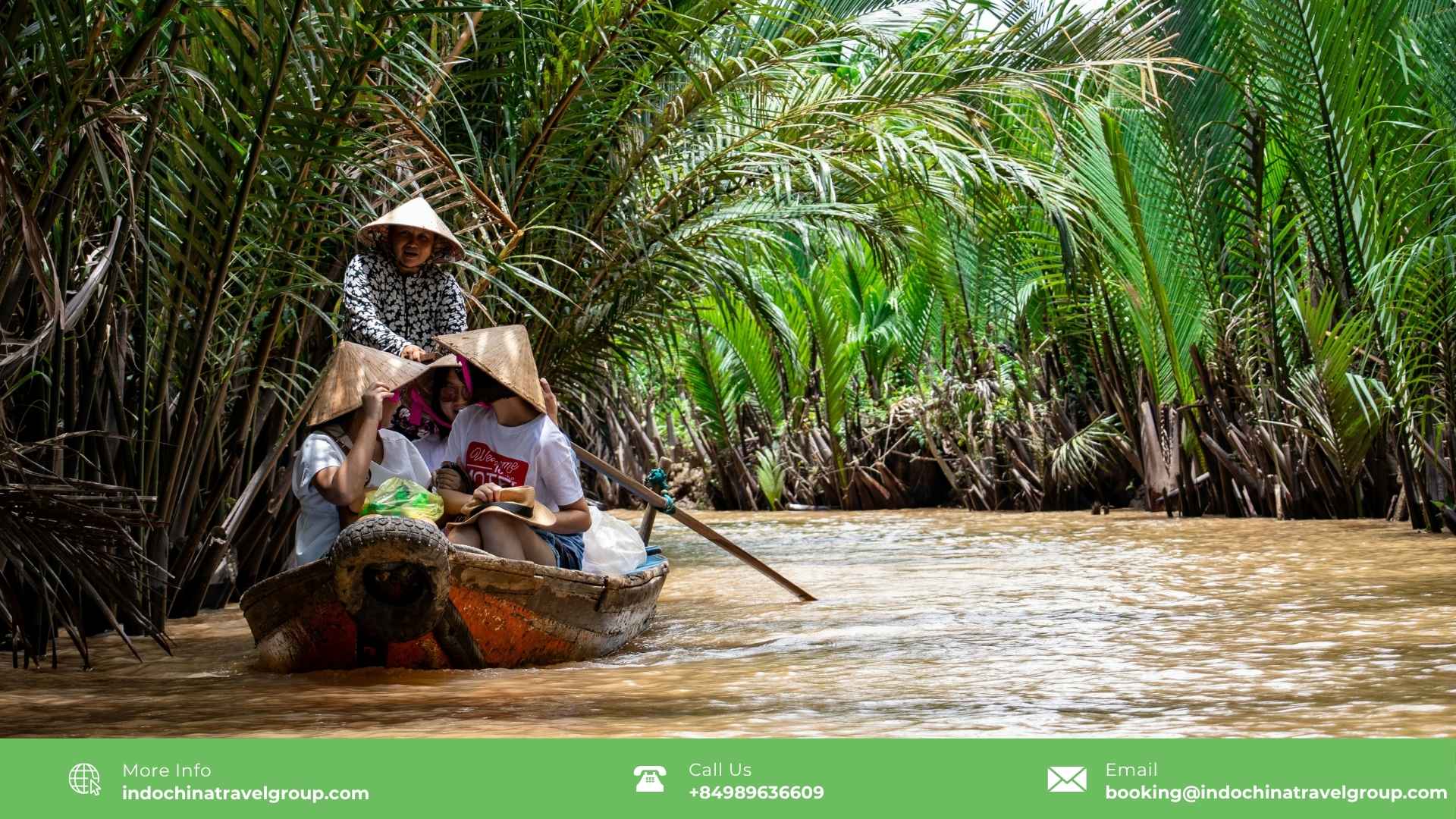
- The sampan experience: A small hand-rowed boat can take you into narrower canals that larger motorboats cannot use. It works best as one part of the route rather than as a staged “must-do” moment.
For multi-day trips, we often use a combination of private cars to move between major cities like Can Tho and Chau Doc, while reserving the boat trips for the actual sightseeing segments.
Top regions and towns to visit
The Mekong Delta is not a single destination, it is a collection of provinces, each with its own “specialty.” Which towns should you prioritize? My Tho is one of the easiest gateways for day-trippers; Ben Tre suits travellers who want a quieter coconut-growing area; Can Tho works as a base for a deeper overnight stay; and Chau Doc makes more sense on longer routes toward the Cambodian border.To provide a clear picture of these hubs, we have detailed their unique attributes below:
- My Tho: One of the easiest gateways for a day trip from Ho Chi Minh City. It can be combined with river crossings, Vinh Trang Pagoda and nearby island or orchard stops, but the exact programme varies by operator and should not be treated as one fixed circuit.
- Ben Tre: Useful for travellers who want a coconut-growing landscape, smaller waterways and a compact rural route from Ho Chi Minh City.
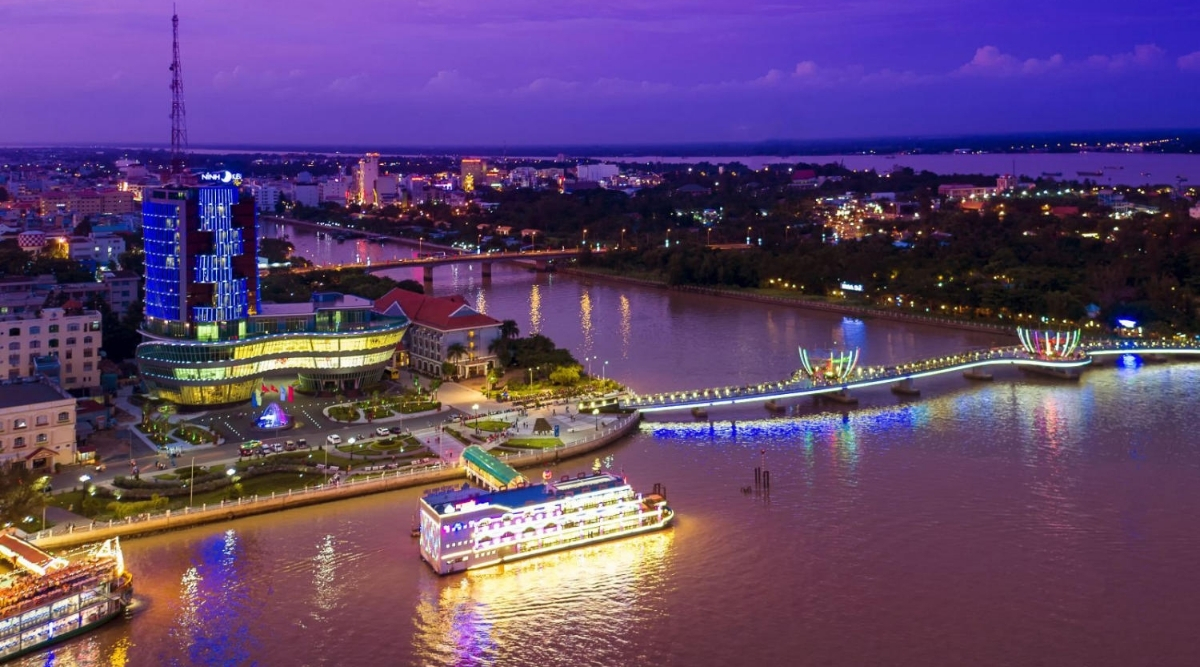
- Can Tho: The main overnight base for travellers who want an early river departure for Cai Rang and more time in the Delta.
- Chau Doc: A border-region base that can fit longer Delta routes, religious sites and onward travel toward Cambodia, subject to current transport and entry arrangements.

Top things to do
Activities depend on the base and trip length. A short Ben Tre route may focus on canals and rural roads, while Can Tho makes more sense when early river activity is important. Treat the examples below as route options rather than a compulsory checklist:
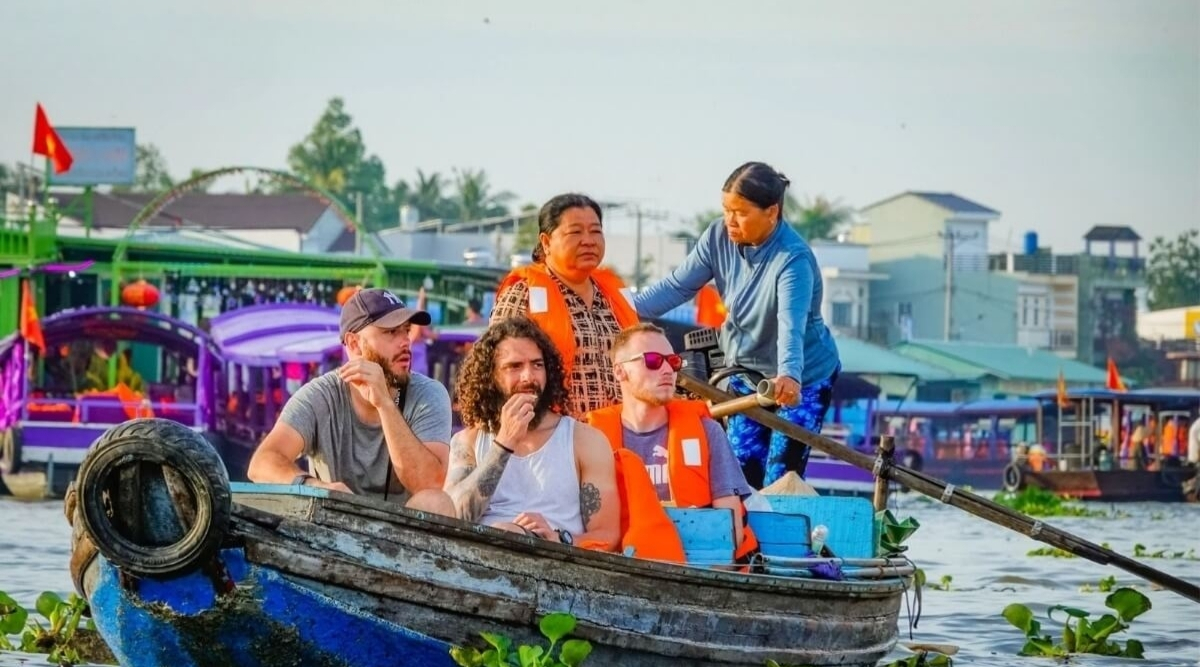
- Cai Rang floating market: Staying in Can Tho makes an early departure practical, but current trading activity and departure time should be confirmed locally because patterns change.
- Coconut Candy Workshops: In Ben Tre, you can watch the entire process of husk-to-candy, and even try the warm, freshly made sweets right off the production line.
- Tra Su cajuput forest: A nature stop that fits more naturally into a Chau Doc or deeper-Delta route than a short day trip from Ho Chi Minh City.
- Southern folk music (Đờn ca tài tử): Performances may be included on some routes, but quality and setting vary; treat them as one cultural layer rather than a required stop.
Food and drink in the Mekong Delta
Food in the Delta changes with the town, river system and growing area. Rather than building the itinerary around a fixed “must-eat” list, we use meals to add local context where they fit naturally into the route.Useful starting points include:
- Hu Tieu My Tho: A noodle soup with a slightly sweet broth, topped with pork, shrimp, and quail eggs. It is quite different from the Pho you find in the North.
- Banh Xeo (Southern style): These are giant, crispy rice flour pancakes filled with pork, shrimp, and bean sprouts, served with a mountain of fresh forest herbs.
- Tropical fruits: Depending on the season, you can try durian, mangosteen, dragon fruit, and rambutan. Pomelo is one of several fruits associated with the Delta, but variety and quality depend on season and growing area.
- Coconut specialties: From coconut-infused rice to coconut silkworm cakes, the versatility of this fruit is endless in provinces like Ben Tre.
Mekong Delta route examples by trip length
The useful question is how many days the Delta deserves relative to the rest of Southern Vietnam. A 1-day trip works when time is short and the route stays around My Tho or Ben Tre. A two-day route can add Can Tho and an early river departure. Three or four days gives room for Chau Doc or another deeper-Delta stop when that extra travel supports the trip.To help you visualize these journeys, we have outlined the typical flows below:
1 day: keep the Delta route compact
A one-day route works best when the programme stays close enough to Ho Chi Minh City that road time does not dominate the experience. My Tho and Ben Tre are common choices, but the exact boat stops, workshops and rural activities should follow the current operator route rather than a fixed departure-and-return script.
The 2-day essence (HCMC → Ben Tre → Can Tho)
A two-day route can use Ben Tre or another rural stop on Day 1, then overnight in Can Tho so an early river departure on Day 2 is realistic before returning toward Ho Chi Minh City.
4 days: use the extra time for a deeper Delta route
With four days, the route can continue beyond Can Tho toward Chau Doc or another western Delta base when the added road time supports the trip. Tra Su and the Sam Mountain area can fit this longer structure, but they should be planned as part of the regional route rather than added simply because another day is available.
Higher-comfort Mekong Delta routes: when the upgrade helps
The Delta also supports more comfortable private and boutique-style trips, but the value is not simply “luxury.” The useful upgrade is usually better transport timing, fewer mass-market stops and more control over how far into the region you travel.A higher-comfort Mekong route is useful when it improves timing, reduces repeated group stops or gives the traveller more control over the overnight base. The upgrade should solve a real logistics problem rather than simply adding a luxury label.
- Private road or boat transfer: Can improve timing on some routes, but compare the actual departure point, travel time and operator rather than assuming a boat is automatically faster.
- Hosted local stop: Orchards, workshops or historic houses can add context when the host arrangement is current and the visit is appropriate for the group; do not promise exclusivity.
- Overnight cruise: Useful when the boat itself is part of the stay. Verify the current route, cabin type, meals, boarding point and what happens if weather or river conditions change.
Practical tips for a Mekong Delta tour
Practical timing depends on the route. Early departures can make river activity easier to see around Can Tho, but floating-market activity changes over time and should be checked locally rather than tied to one fixed hour. Pack for heat and sun, and carry some Vietnamese dong because payment options vary between boats, small vendors and rural stops.To ensure your Mekong Delta guide is put to good use, follow these etiquette and safety tips:
- Dress modestly: When visiting temples like Vinh Trang, ensure your shoulders and knees are covered.
- Sun protection: Long boat and road days can mean extended sun exposure, so use suitable sunscreen, shade and protective clothing.
- Motion comfort: River and boat conditions vary by vessel, route and weather. If motion sickness is a concern, prepare according to your own needs and seek appropriate medical or pharmacist advice about medication rather than relying on one generic timing rule.
- Photography: Ask for permission before taking close-up photos of people in their homes or on small boats.
FAQs
- What is the best time to visit the Mekong Delta (dry season vs flood season)?
Drier months are often easier for cycling and road travel. Higher-water periods create different landscapes in parts of the Delta, but conditions vary by province and year.
- How long does a typical Mekong Delta tour from Ho Chi Minh City take?
A day trip usually uses most of the day once road or boat transfers are included. Multi-day routes vary by base, overnight stop and whether the trip continues toward Can Tho, Chau Doc or another part of the Delta.
- Are there good 1-day Mekong Delta tours from Saigon?
Yes. My Tho and Ben Tre are common choices because they are closer to Ho Chi Minh City than deeper Delta bases. Keep the programme focused so the day is not dominated by road time and staged stops.
- Which is better: My Tho–Ben Tre or Cai Rang Floating Market tour?
Choose My Tho–Ben Tre when a compact canals-and-rural route from Ho Chi Minh City matters most. Choose Can Tho and Cai Rang when an overnight base and early river activity justify the extra travel. Neither is automatically better; they solve different trip shapes.
- Is it safe to take a Mekong Delta boat tour (small sampan vs motorboat)?
Boat safety depends on the vessel, operator, weather and route. Use a reputable operator, wear the provided life jacket and follow crew instructions.
- Do you need to stay overnight in the Mekong Delta or can you do it as a day trip?
No. A day trip works for a compact first look. An overnight in Can Tho or another Delta base makes early river activity easier and gives the region more time, but floating-market activity itself should be checked close to the visit because it changes over time.
- Where should I stay in the Mekong Delta (My Tho, Ben Tre, Can Tho, Chau Doc)?
Can Tho is the easiest larger overnight base for early river activity and city services; Ben Tre suits a quieter canals-and-rural route; Chau Doc works better for longer western Delta routes, religious sites and onward border travel when current arrangements allow.
- How do you get around the Mekong Delta (boats, bicycles, motor‑vans)?
Use boats for waterways, bicycles only where the road and traveller’s confidence make sense, and cars or vans for longer transfers between major bases. The useful mix depends on the exact route rather than one standard transport pattern.
- What are the must‑see floating markets in the Mekong Delta (Cai Rang, Cai Be, etc.)?
Cai Rang is the most commonly planned floating-market stop from Can Tho. Activity at Cai Be and Long Xuyen can differ from older guidebook descriptions, so verify current operating patterns before routing around them.
- What food should I try in the Mekong Delta (hủ tiếu, coconut‑candy, fruit, local noodles)?
Hu Tieu My Tho, southern-style banh xeo, coconut products and seasonal fruit are useful starting points. What is actually worth trying depends on the town, season and dietary preferences, so use the local meal stops that fit the route rather than chasing a fixed checklist.
- Which Mekong Delta places fit a longer route beyond the common day-trip stops?
Tra Su, Soc Trang and Tram Chim can add forest, Khmer cultural context or birdlife, but they require more road time and make more sense in an overnight or multi-day route than in a rushed day trip.
- Are there higher-comfort Mekong Delta boat options from Ho Chi Minh City?
Boat products range from simple shared trips to smaller-group or higher-comfort services. Compare the actual route, vessel, transfer method and overnight format rather than assuming the word “luxury” describes the same experience across operators.
- Is the Mekong Delta suitable for families, seniors, or solo travelers?
It can work for families, seniors and solo travellers, but boat access, heat, walking tolerance and transfer length should be matched to the traveller rather than assuming one pace suits everyone.
- What should I pack for a Mekong Delta tour?
Use light clothing, sun and rain protection, some Vietnamese dong for smaller vendors, and any personal medication you normally need. For boat-heavy days, protect phones and documents from water and keep the bag small enough for frequent boarding.
Choose a day trip or an overnight Mekong Delta route
The biggest difference between Mekong itineraries is not the number of stops; it is how far you travel from
Ho Chi Minh City and whether you stay overnight. A day trip can work well when time is short. An overnight or multi-day route is better when the Delta itself is one of the reasons for the trip rather than a side excursion.
Use our South Vietnam route guide to compare a Mekong day trip, an overnight Delta section and a Phu Quoc extension before moving into commercial options.
Once the route shape is clear, see our Vietnam Tour Packages for bookable options.