
| If this is your priority | Use this as the first timing check |
|---|---|
| Multi-region first trip | Look first for dates that avoid stacking the highest weather risk across all regions; March–April can be a useful starting point, not a guarantee. |
| Northern mountains | Prioritise visibility, road or trail conditions and the landscape stage you want. |
| Central beach + heritage | Prioritise the Central coast’s drier window and current sea conditions. |
| Southern city + island | Prioritise the South’s drier period when beach or boat time matters. |
| Fixed travel dates | Choose the Vietnam region that fits those dates instead of forcing one pre-selected route. |

Why “best time” is region-based in Vietnam
Vietnam’s long shape, monsoon patterns and elevation differences create several climate zones rather than one national travel season. Compare the North, Central coast and South separately, then account for mountain destinations where temperature, fog and trail conditions can differ from nearby lowlands.There is no single “best” month because the same dates can produce very different conditions across the North, Central coast, highlands and South. Use broad seasonal patterns to narrow the dates, then check the specific destinations and activities in the route.The practical lesson is to pack and plan by region. Hanoi can feel cool in winter, Central Vietnam can be wet late in the year, and the South stays warmer but still has distinct wetter and drier periods. Use the regional sections below as a planning baseline, then check the short-range forecast before travel.READ MORE: Vietnam Travel Guide: Everything You Need to Know Before You Go
How to time a multi-region Vietnam trip
Some periods are easier than others for multi-region itineraries, but none removes the regional trade-offs. For a 10-to-14-day North-to-South trip, the useful goal is to avoid stacking the highest-risk weather periods for every region at once rather than chasing one “perfect” national window. March and April can be flexible for many multi-region trips, but conditions still vary by year and destination. Northern spring can be humid or drizzly, Central beaches may be easier than later storm-prone periods, and the South can already be hot. Later in the year, northern rice scenery and southern island conditions follow different calendars, so choose the route first and then match the dates to the experiences that matter most.
Best time to visit North Vietnam
Northern Vietnam has stronger seasonal changes than the South, with cooler winters, humid spring periods and hotter, wetter summer conditions. Mountain areas such as Sapa and Ha Giang can feel very different from Hanoi on the same dates because elevation changes temperature, fog and trail conditions.Spring and autumn can be easier for many walking and road-based itineraries, but they are not guaranteed “best windows.” Terrace colour, rainfall, visibility and mountain-road conditions vary by destination and year, so match the season to the actual route rather than the calendar label alone.In Hanoi, cooler autumn periods can be comfortable for walking, but individual days still vary. In Sapa, terrace colour depends on planting and harvest timing, which shifts by elevation and year. For Ha Long Bay, use seasonal patterns only as a starting point and confirm the marine forecast and cruise operation close to departure.For destination choices and transfer trade-offs beyond weather, compare the Northern Vietnam route guide.
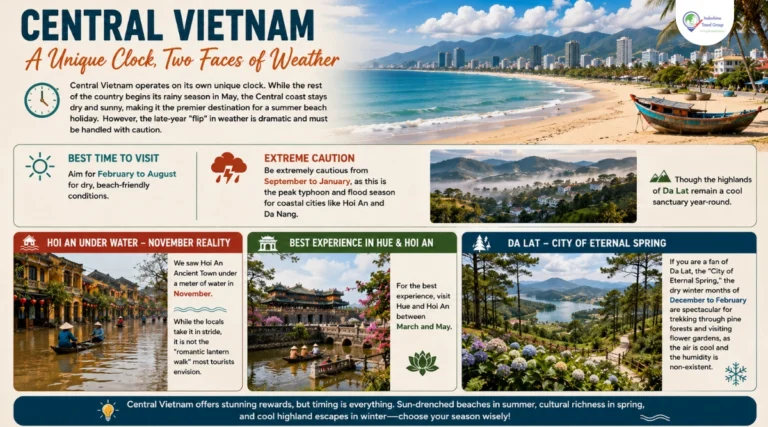
Best time to visit Central Vietnam
The Central coast follows a different rainfall pattern from much of the North and South, while Da Lat and the highlands add another elevation-driven pattern. Drier periods are generally easier for beach, heritage and road-based plans, but no month guarantees calm seas or rain-free days.
Hue, Da Nang and Hoi An should be planned with late-year rain and storm risk in mind, especially when the trip depends on beach time, Hai Van Pass views or tightly timed transfers. Da Lat should be treated separately because elevation changes temperature, cloud, rain and daily comfort compared with the coast.
The practical approach is to choose the Central route first, then check the seasonal pattern for the exact destinations in that route. For geography, hotel-base and transfer decisions, use the Central Vietnam route guide.
Best time to visit Southern Vietnam
Southern Vietnam stays warm through the year, with broader wetter and drier periods rather than a cold winter season. The drier months are often easier for city walking, Mekong road travel and island plans, but heat can be significant and short-range weather still matters.
Ho Chi Minh City and the Mekong Delta remain usable in wetter periods, but rainfall intensity and timing are not fixed. Build some flexibility into outdoor blocks instead of assuming every shower will be brief. For Phu Quoc or other island stays, sea conditions matter as much as rainfall because rough water can affect boats, swimming and offshore activities.
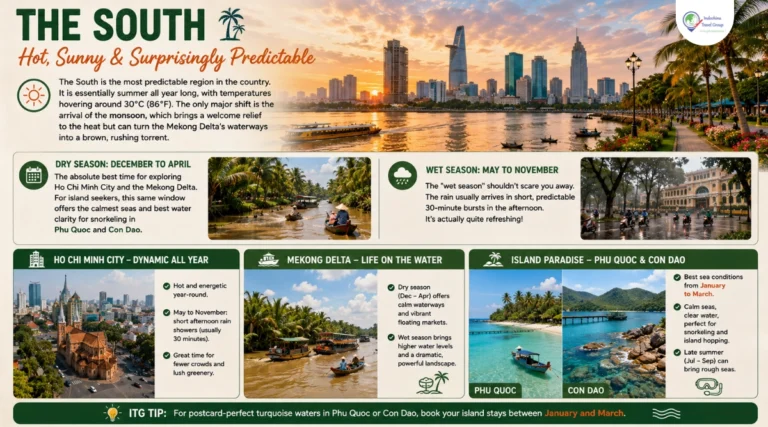
If the trip is mainly city + delta, one weather trade-off may be acceptable; if a beach finish is a major reason for travel, match the coast to the actual month before fixing the route. For destination sequencing, compare the South Vietnam route guide.
Need a month-by-month weather breakdown?
Keep this page for the decision about which region or activity should drive your travel dates. For January-to-December comparisons, use our Vietnam Weather by Month guide, which owns the monthly detail for the North, Central coast, highlands and South.
Once you know the likely conditions for your month, return to the route decision here: mountain visibility, beach and sea conditions, heat tolerance, rice scenery or festival timing should determine which part of Vietnam gets priority.
Best time for specific activities and experiences in Vietnam
Weather matters because different activities respond to different conditions. Trekking, boat trips, beach days and long road journeys should each be checked against the regional forecast and operating conditions rather than one generic season label.For trekking, start with the drier shoulder periods but still check trail conditions and visibility. Beach planning depends on the specific coast, while Ha Long Bay cruises should follow the current marine forecast and operator notices because departures can be affected outside any simple seasonal rule.If terrace colour matters in Sapa, check the planting or harvest stage for the specific year. Tet can change restaurant hours, transport demand and attraction schedules, so holiday timing needs separate operational planning. Hoi An’s monthly lantern activity should also be checked against the actual lunar calendar and weather rather than treated as a guaranteed clear-sky event.Vietnam travel season: Balancing crowds and prices
Timing also affects availability and price, but demand does not rise evenly across the country. Public holidays, school breaks, Tet, beach seasons and local events can tighten flights, trains and well-located hotels on particular routes, so availability should be checked against the exact destinations and dates rather than a single national “high season” label.- December–February: Demand can be strong in several major destinations, but the cooler north, central coast and southern beaches are operating under very different weather patterns.
- March–May: Often flexible for multi-region trips, though heat builds at different speeds and local holiday periods can still tighten availability.
- June–November: Rain, heat, storm exposure and domestic demand vary strongly by region, so route choice matters more than calling the whole period “low season.”
READ MORE: What To Pack For Vietnam Trip?
How to choose your “best time” by travel style?
 Not every traveller has the same priorities. A honeymooning couple looking for a private villa in Phu Quoc has different weather needs from someone planning a northern mountain itinerary. Couples comparing a wider romantic route can use our Vietnam honeymoon tours as a starting point, then match the route to the travel month.Choose the travel month by the experience that matters most. Mountain routes need visibility and workable road or trail conditions; beach trips depend on the specific coast and sea state; culture-led trips are more flexible but still need checks for heat, rain, public holidays and festival dates.
For northern mountain trips, we use the calendar as a starting point rather than a guarantee. Sapa planning depends on visibility, trail conditions and what you want from the rice terraces. Spring and autumn are often easier starting points, but harvest timing and mountain weather still vary by elevation and year.
Ha Giang needs a different check because current road conditions and the amount of mountain-road time matter as much as the month. For beach legs in Central or Southern Vietnam, compare the regional weather separately instead of assuming the same month works equally well across the country.
Conclusion
There is no single national weather window that is best for every Vietnam route. Choose the destinations first, then match the travel month to the experiences that matter most: mountain visibility, beach conditions, rice scenery, heat tolerance or festival timing. For a multi-region trip, the practical goal is to avoid stacking several high-risk weather periods into the same itinerary.If you already know your travel month and want to compare route options, use our Vietnam Tour Packages as the final planning hand-off.
Recommended Tours

Group Tour
Hanoi – Sapa – Danang – Ho Chi Minh 10D9N
Hanoi - Sapa - Fansipan Peak - Ninh Binh - Halong Bay Overnight On Cruise - Danang - Hoi An Ancient Town - Bana Hills - Golden Bridge - Ho Chi Minh - Cu Chi Tunnels - Mekong Delta



Private Tour
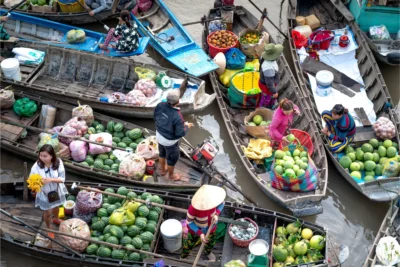
Ho Chi Minh – Cu Chi Tunnels – Mekong Delta 4D3N
Ho Chi Minh - Cu Chi Tunnels - Mekong Delta

Private Tour
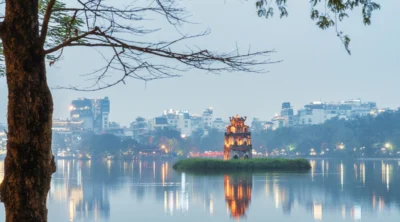
Vietnam Highlights 7 Days 6 Nights Tour
Hanoi Arrival - Hanoi City Tour - Ha Long Bay Day Cruise - Fly to Da Nang - Coconut Village - Hoi An Ancient Town - Ba Na Hills - Golden Bridge - Fly to Ho Chi Minh City - Cu Chi Tunnels - Mekong Delta - Departure


5D4N DELIGHT DANANG TOUR (DANANG – BA NA HILL FRENCH VILLAGE – HOI AN – HUE CITY) (SEAT IN COACH)


Private Tour
Vietnam Panorama Discovery 16D15N
Ho Chi Minh - Cu Chi Tunnels - Mekong Delta Tour - Can Tho - Da Lat - Nha Trang - Hoi An - Da Nang - Hue - Hanoi - Halong Bay Overnight On Cruise