

Seven days in Northern Vietnam is enough for one clear route; ten days gives you room for one meaningful extension. The easiest first trip is Hanoi + Ninh Binh + Ha Long Bay. If mountains matter more, use Sapa or Ha Giang as the priority rather than trying to add both to an already full week.
For a broader comparison of destinations before you choose the route, start with the best places to visit in Northern Vietnam.
What can you realistically fit into 7 or 10 days?
The difference between seven and ten days is not simply “three more attractions.” Those extra days change how much transfer time the trip can absorb without every morning becoming a checkout and every afternoon becoming another arrival.
| Available time | Route we would consider | What we would leave out |
| 7 days — city + karst | Hanoi + Ninh Binh + Ha Long Bay | Sapa and Ha Giang. This keeps the road pattern compact and gives the overnight cruise enough space. |
| 7 days — city + mountains | Hanoi + Sapa + one lower-travel-time stop | Do not force both Ha Long and Ha Giang into the same week. Choose the mountain experience deliberately. |
| 10 days — classic first trip | Hanoi + Ninh Binh + Ha Long + Sapa | Keep Ha Giang for a longer trip unless mountain-road travel is the main purpose. |
| 10 days — mountain priority | Hanoi + Sapa + Ha Giang | Usually drop Ha Long or Ninh Binh rather than stacking every Northern highlight together. |
ITG planning note: If your international flight arrives late on Day 1 or leaves early on the final day, count those as partial days. A “10-day trip” can easily contain only eight useful sightseeing days.
Two sample route shapes
7 days: compact North
- Days 1–2: Hanoi.
- Days 3–4: Ninh Binh, with one main boat route and time for the countryside.
- Days 5–6: Ha Long or Lan Ha Bay, ideally with the cruise format chosen around your departure plan.
- Day 7: Return to Hanoi and protect the international-flight buffer.
If Sapa is the priority, use it instead of one of the lower-North stops rather than adding another long transfer to the same week.
10 days: add one mountain direction
- Days 1–2: Hanoi.
- Days 3–4: Ninh Binh.
- Days 5–6: Ha Long or Lan Ha Bay.
- Days 7–9: Sapa, or reshape the trip around Ha Giang if mountain-road travel is the main purpose.
- Day 10: Return/flight buffer.
Do not treat Sapa and Ha Giang as interchangeable one-night add-ons. They use the extra days differently.
For trips that continue into Central or Southern Vietnam, return to the Vietnam itinerary guide rather than stretching a Northern route into a national one.
Choose between the compact route and a mountain-priority route
Start with Hanoi, then choose the rhythm

Hanoi is the natural anchor for most northern routes because the international airport, rail links and road transfers converge here. We normally protect the first night rather than sending a tired traveller straight onto another long transfer after landing.
With two nights in Hanoi, you have enough time for the Old Quarter, one or two major history stops and proper meals without turning the city into an airport layover. From there, choose one of two rhythms:
- Lower-road-time route: Hanoi → Ninh Binh → Ha Long Bay. Add Sapa only if the remaining days still allow a proper mountain stay.
- Mountain-priority route: Hanoi → Sapa and/or Ha Giang. In this version, Ha Long Bay or Ninh Binh may be the thing you remove, not squeeze in.
Option 1 — Hanoi, Ninh Binh and Ha Long Bay

This is the easier route to make work in seven days because Ninh Binh keeps the lower-North road pattern compact.
Ha Long Bay then fits as the cruise section of the same route rather than as a separate out-and-back trip.
For Ninh Binh, choose one main boat experience and one additional activity if you are only staying a day. For Ha Long Bay, decide whether the cruise is important enough to justify an overnight. We do not automatically prioritise Lan Ha, Ha Long or Bai Tu Long by name; the actual ship, boarding point, route and return time matter.
Option 2 — Add Sapa when mountain time is a priority

Sapa changes the rhythm of the trip because you are committing to a longer transfer from Hanoi. That can be worthwhile for rice terraces, village walking, Fansipan or a homestay, but we would not add it simply because it appears on a “Northern Vietnam highlights” list.
For a seven-day trip, Sapa is usually a choice, not a bonus. A city-and-mountain route can work very well, but then Ninh Binh or Ha Long may need to come out. With ten days, Sapa combines more comfortably with the lower-North route.
If walking is the main purpose, use our Sapa trekking guide. If you mainly want scenery and a comfortable mountain stay, the broader Sapa guide is the better starting point.
Ha Giang is a separate route choice, not a 3-day bolt-on
Ha Giang deserves several mountain-road days. If the trip already contains Hanoi, Ninh Binh, Ha Long and Sapa, adding Ha Giang to make the itinerary “more complete” usually makes it worse.
For a ten-day mountain-priority trip, one workable structure is Hanoi + Sapa + Ha Giang. Another is Hanoi + Ninh Binh + Ha Giang if you want one easy lowland stop before the longer road section. The right version depends on whether you want trekking, mountain-road scenery or a cruise to be the defining experience.
ITG planning note: We count the road days to and from Ha Giang as real travel days. We do not describe them as empty transfers and then fill the same day with an unrealistic sightseeing schedule.
Planning essentials: transport, luggage and cost drivers
In a 7–10 day Northern Vietnam trip, transport choices affect the route more than most travellers expect. A sleeper train, limousine van, private car and cruise transfer solve different problems; none is automatically “best” for every leg.
| Planning factor | Why it changes the trip |
| Arrival and departure times | A late Hanoi arrival can turn Day 1 into a recovery night rather than a sightseeing day. |
| Luggage | Frequent hotel changes, trains and mountain transfers are easier with lighter bags; large suitcases can make a busy route feel much harder. |
| Private vs shared transport | Private transfers buy timing control; shared services can reduce cost but usually give you less freedom over departure time and stops. |
| Hotel and cruise level | Accommodation and cruise cabin choice can move the total cost more than everyday food or local transport. |
| Mountain extensions | Sapa and especially Ha Giang add road or rail time, which affects both budget and the number of usable sightseeing days. |
For city transport and connectivity, use a reputable ride-hailing or taxi option and choose the SIM/eSIM that fits your device and coverage needs. We avoid building an itinerary around one app or one mobile provider because availability, pricing and network performance can change.
Budget note: Instead of using one daily USD figure for every traveller, compare the actual hotel standard, cruise cabin, private/shared transport and included activities in the quotation. Those are the components that usually change the trip cost most.
READ MORE: Vietnam Travel Guide – Everything you need to know before visiting Vietnam
How we would choose between the 7-day and 10-day versions
If you have seven usable days, pick a clear route identity: city + karst landscapes, or city + mountains. If you have ten, broaden the route only when the extra destination still leaves enough time to enjoy the places already included.
Our usual warning is simple: do not use the extra three days as permission to add both Sapa and Ha Giang to an already full Hanoi–Ninh Binh–Ha Long plan. The better itinerary is the one you can actually experience without spending every other day checking out, transferring and checking in again.
If you want ITG to build the route around your real flight times and preferred pace, compare our Vietnam Tour Packages.

Recommended Tours


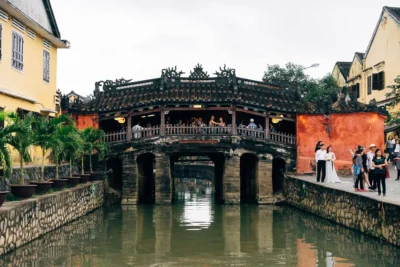
5D4N DELIGHT DANANG TOUR (DANANG – BA NA HILL FRENCH VILLAGE – HOI AN – HUE CITY) (SEAT IN COACH)

Group Tour
Phu Quoc Island 4 Days 3 Nights Group Tour
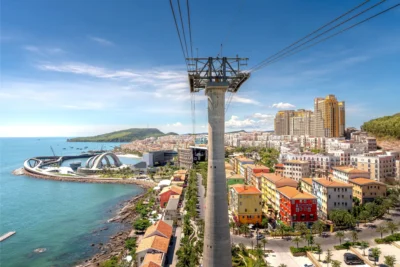
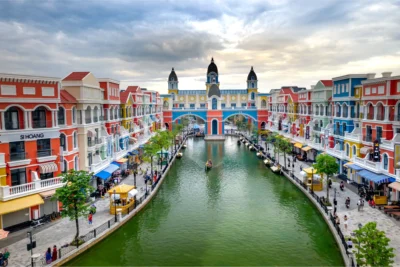
Phu Quoc Arrival - Grand World Tour - VinWonders Phu Quoc - Duong Dong Night Market - Sun World Hon Thom - Kiss Bridge - Phu Quoc Departure
Private
Phu Quoc 5D4N With Grand World
Phu Quoc - Grand World - Hon Thom Cable Car - 4 Island Tour - Aquatopia Water Park - Vin Wonders Theme Park - Vin Safari - Kiss Of The Sea Show

4D3N HIGHLIGHT OF MIDDLE OF VIETNAM (SEAT IN COACH)



Private Tour
Vietnam And Cambodia Discovery 18D17N
Hanoi - Ha Giang (The Far North) - Halong Bay - Hoi An - Hue - Ho Chi Minh City - Mekong Delta - Siem Reap (Angkor)