

Is Vietnam a good destination for Australian retirees?
Start With Comfort, Access and Transfer Load
 For a slower-paced trip, the most useful planning criteria are comfort, transfer length, hotel access, walking requirements and how much unstructured time the traveller wants. Vietnam offers a wide range of hotels, transport options and guided experiences, but the right choice depends on the actual route and mobility needs rather than on a generic “retiree” travel style.Compare the services that affect comfort directly—room access, vehicle type, luggage handling, private versus shared transport and the number of hotel changes—before deciding whether an upgrade is worth the cost.Vietnam offers heritage towns, beaches, river routes, resorts and food-focused city stays, but transfer times vary substantially. A route that looks compact on a map can still require flights, long road legs or hotel changes, so count those days before adding another region.
Which Vietnam Regions Fit a Slower-Paced Trip?
Vietnam covers a long north-to-south route with very different weather, terrain and transfer patterns. Choose regions by the traveller’s interests, walking requirements, season and transfer tolerance rather than treating any destination as automatically suitable because of age. If the travel month is flexible, use our best time to visit Vietnam from Australia guide to compare regional weather before you lock the route.Hanoi and Northern Vietnam
Hanoi can suit retirees who enjoy museums, heritage sites, food and slower neighbourhood time, but the Old Quarter can still be busy and uneven underfoot. Base and daily walking level matter as much as the attraction list.Hoan Kiem Lake, museums, the Old Quarter and a water-puppet performance can all fit a Hanoi stay, but choose the mix by walking comfort, interests and the amount of time the traveller wants to spend outdoors.Ninh Binh and Ha Long Bay can add limestone scenery with less continuous walking than a mountain trek, but boats, steps, boarding points and cruise access still vary. Check the exact activity and mobility requirements rather than assuming these destinations are automatically low-effort.Da Nang and Hoi An
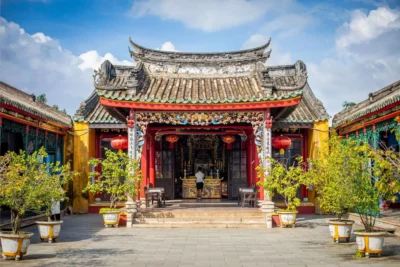
Central Vietnam can work well when heritage, food and beach time are priorities and the relatively short road links between Da Nang, Hoi An and nearby stops suit the traveller’s transfer tolerance.Da Nang offers a broad hotel range, beach access and major-city services, while Hoi An adds a more compact heritage stay nearby. Medical facilities, hotel accessibility and transport convenience should be checked against the traveller’s actual needs rather than assumed from the city label.Hoi An can add heritage streets, cafés and cultural workshops to a Central Vietnam stay, but pedestrian surfaces, heat and walking distance still vary. Pair it with beach or hotel downtime when that balance fits the traveller’s preferred pace.Ho Chi Minh City and Mekong Delta
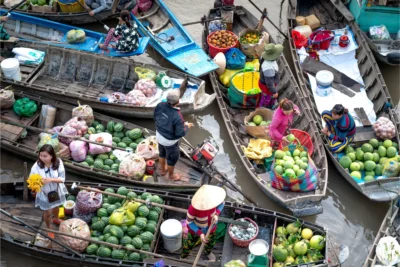
Southern Vietnam offers a more urban-and-river contrast than the Central route.Ho Chi Minh City combines museums, food, historic sites and a wide hotel range, but traffic, pavement conditions and distances between stops still affect how easy a day feels. Use vehicle transfers and shorter activity blocks when walking comfort is a priority.The Mekong Delta adds a different setting, but boat boarding, road transfers, steps and heat vary by programme. Check the exact excursion rather than assuming a river trip is automatically low-effort.Phu Quoc Island
Phu Quoc can work when resort time and a lower-movement finish are priorities. Check the extra flight or ferry, airport-to-hotel transfer, beach access, pool setup and the distance from the resort to any activities you want to include.It is most useful when the island itself is part of the holiday goal, not simply an extra stop added because more days are available.How Long Should a Slower-Paced Vietnam Trip Be?
There is no single ideal duration for a retiree or older traveller. Start with the usable days you actually have, then decide how many hotel changes, domestic flights and long road transfers you are comfortable adding.Which Tour Style Gives You the Right Amount of Flexibility?
 Tour style should be chosen around the amount of schedule control, social interaction and logistical support the traveller wants—not age alone.
If private arrangements fit those requirements, see our Private Vietnam Tours.
If you prefer a shared format, compare the actual schedule and service model on our Vietnam group tours page before choosing.
Health, mobility and medical care in Vietnam
Health and mobility planning matter for any traveller whose route depends on particular medical access, walking limits or medication needs.Smartraveller advises that medical facilities in Vietnam are generally below Australian standards. Private clinics are available in Hanoi, Ho Chi Minh City and Da Nang, but serious illness or injury may still require transfer or medical evacuation, and facilities can require payment before treatment.Before travelling, check that insurance covers overseas medical costs, relevant pre-existing conditions, planned activities and emergency evacuation. Keep insurer contacts and essential medical information accessible, and discuss personal medical needs with a qualified health professional rather than relying on a general travel article.Heat, humidity, air quality, stairs and long walking days can also affect comfort. Build the itinerary so rest periods and transport can be adjusted without losing the whole day when conditions or energy levels change.What Makes a Hotel Easier for a Slower-Paced Trip?
The useful hotel question is not whether a property markets itself as “senior-friendly”. Check the physical setup and location against the traveller’s actual mobility and comfort needs. Convenience can matter more than hotel category.- Hotels with elevators.
- Walk-in showers.
- Central locations.
- Easy vehicle access.
- Minimal walking requirements.
- Convenient access to major attractions.
Which Costs Change When You Prioritise Comfort?
Comfort-focused planning changes the mix of costs rather than creating one fixed “retiree budget”. The main variables are hotel location and room category, private versus shared transfers, the number of domestic travel sectors, cruise cabin choice, accessibility requests and the amount of free time built into the route. For AUD-to-VND conversion, cash, cards and ATM decisions, use our Vietnam currency guide for Australians; this section stays focused on which itinerary choices change the cost of comfort.A more convenient hotel or private transfer can be worth paying for when it removes a difficult walk, awkward connection or repeated transfer. In other cases, the standard option may already meet the traveller’s needs. Compare the service difference, not the label “luxury”.Use Comfort Requirements to Shape the Route
Instead of starting with a fixed retiree itinerary, identify the constraints that would make the trip easier or harder, then use those to shape the route.| Planning Need | What to Prioritise | What to Check Before Booking |
|---|---|---|
| Fewer hotel changes | One or two strong regional bases | Day-trip transfer times and whether the base still gives enough variety |
| Lower walking load | Central hotel, vehicle access and shorter activity blocks | Steps, uneven ground, boat boarding and distance from drop-off points |
| More rest time | Later starts and unstructured afternoons | Whether fixed cruise, train or group-tour times reduce that flexibility |
| Better medical access | More time in major cities or established visitor centres | Distance to appropriate care, insurance and evacuation arrangements |
| Social travel | Small-group or escorted options with a suitable pace | Group size, walking level, early starts and ability to skip activities |
Common Planning Mistakes on a Slower-Paced Trip

Frequently asked questions
Is Vietnam suitable for Australian retirees?
Vietnam can work well for a slower-paced trip when the route, hotel access, transfer length, medical planning and activity level fit the individual traveller. Check current official travel advice and do not rely on age alone to decide whether a destination or activity is suitable.For more detail, you can check our safety guide for Australian travellers.How many days should I spend in Vietnam?
There is no universal ideal duration. Use the number of usable days, preferred pace and tolerance for hotel changes to decide how many regions fit comfortably; longer trips do not need to add more stops automatically.Which region is easiest for a slower-paced trip?
No region is automatically the easiest. Central Vietnam can reduce transfer complexity for some routes, while Hanoi, the South or an island stay may fit others better. Choose by season, walking requirements, medical access and the experiences the traveller actually wants.Should I choose a private tour?
A private tour can be useful when you need flexible start times, specific vehicle or room arrangements, fewer hotel changes or easier adjustments during the trip. Small-group or independent travel can also work when their schedules and logistics fit the traveller’s needs.Is healthcare in Vietnam reliable?
Private medical clinics are available in major cities, but standards and capabilities vary and should not be assumed to match Australia. For serious illness or injury, contact your insurer promptly and follow current Smartraveller guidance.Build the Route Around the Traveller, Not the Age Label
A slower-paced Vietnam trip should be designed around the details that change comfort in practice: walking distance, stairs and boat access, hotel setup, transfer length, medical and insurance requirements, preferred start times and how much free time the traveller wants.One traveller may prefer several regions with private transfers; another may choose one compact base and more independent time. Neither is automatically the better “retiree itinerary”. The route is successful when its logistics match the individual.
Recommended Tours
Group Tour
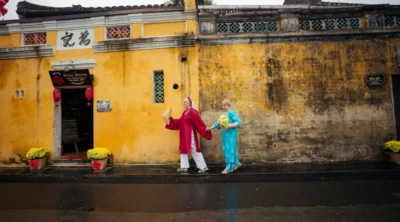
Da Nang, Hoi An & Phu Quoc 6 Days 5 Nights Tour
Da Nang Arrival - Coconut Basket Village - Hoi An Ancient Town - Ba Na Hills - Golden Bridge - Fly to Phu Quoc - Grand World - Sun World Hon Thom - Kiss Bridge - Vinpearl Safari - VinWonders - Phu Quoc Departure

Group Tour
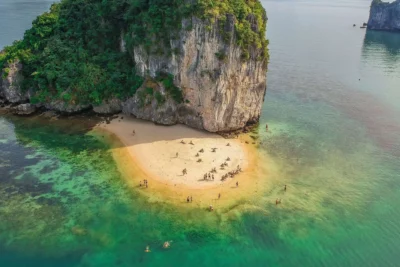
Hanoi - Halong Bay Overnight On Cruise - Vientaine - Xieng Khouang - Luang Prabang - Pakou Caves
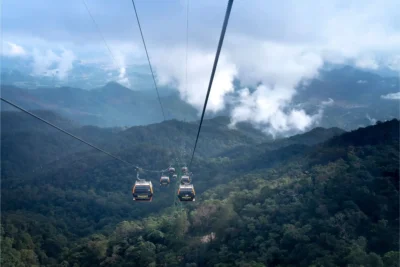
5D4N HANOI + SAPA VALLEY + SUN WORLD FANSIPAN LEGEND – LIMOUSINE VAN (SEAT IN COACH)

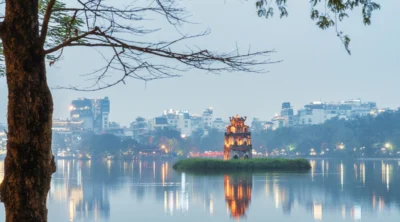
4D3N HIGHLIGHT OF MIDDLE OF VIETNAM (SEAT IN COACH)

Private Tour
Ho Chi Minh – Cu Chi Tunnels – Mekong Delta 4D3N
Ho Chi Minh - Cu Chi Tunnels - Mekong Delta