

Start With the Route, Not One “Best Month”
Vietnam spans several climate zones, so the same travel month can feel very different in Hanoi, Da Nang and Ho Chi Minh City. That gives Australian travellers more route options, but it also means a nationwide itinerary needs regional trade-offs rather than one seasonal label.How Vietnam’s Regional Weather Changes the Same Travel Month
- The North (Hanoi, Sapa, Ha Long Bay) experiences cold, misty winters from December to February and hot, humid summers from June to August.
- The Center (Da Nang, Hoi An, Hue) often has more beach-friendly periods in the first half of the year, while late-year rain and storm systems can disrupt coastal plans. Conditions still vary by month and year, so use the seasonal pattern as a guide rather than a guarantee.
- The South (Ho Chi Minh City, Mekong Delta, Phu Quoc) follows a clearer wet–dry pattern than the North, but rain intensity, sea conditions and heat still vary within each season. For island or boat plans, check the marine forecast as well as the monthly climate pattern.
Best time to visit Vietnam from Australia by region
 The most useful way to plan Vietnam weather is by region. Northern, Central and Southern Vietnam can experience very different conditions in the same month, so match the route to your dates instead of searching for one universal “best month.”
Northern Vietnam
Northern Vietnam has the widest seasonal swing in this itinerary. Cooler months can make city walking easier but may bring mist or cold mountain conditions; warmer months add heat and heavier rain. Rice-terrace appearance also changes through planting and harvest cycles, so check current crop timing if Sapa or another terrace area is a major reason for the trip.Central Vietnam
Central Vietnam often becomes easier for beach-and-heritage combinations during parts of the first half of the year, while late-year rain and tropical systems can create more disruption. Do not turn October or November into an automatic no-go rule; instead, give the route more flexibility and monitor forecasts closely when travelling in the wetter period.Southern Vietnam
Southern Vietnam follows a clearer wet–dry pattern, but individual days still vary. Drier periods can make city, Mekong and island planning easier, while wetter months need more flexibility around outdoor and boat activities. For Phu Quoc or other island time, use the marine forecast and operator status close to travel rather than assuming every day in the dry season will be calm.What Each Part of the Year Means for Your Route
 Use the calendar as a route-planning tool rather than a scorecard. Each period changes the balance between weather, crowd levels, availability and the activities that are most sensitive to conditions.
January to February: Tet season and cooler North
Tet can be one of the most interesting periods to visit Vietnam, but it is also one of the busiest for domestic travel. Southern Vietnam is often drier at this time, while Northern Vietnam can be cool, misty and changeable.- Watch for: Tet dates change each year and domestic demand can rise sharply around the holiday. If your trip overlaps Tet, identify essential flights, trains, cruises and hotels early rather than relying on a fixed booking rule.
March to April: One of the easier multi-region windows
March and April can work well for a multi-region journey because conditions are often more comfortable across several parts of the country at the same time. It is still not a weather guarantee: heat, rain and local conditions vary by region and year, so check the specific destinations on your route.May to August: Strong Central Vietnam beach potential
May to August can be a strong period for Central Vietnam beach-and-culture trips, especially around Da Nang, Hoi An and Nha Trang. It can also be hot and humid, and rainfall is still possible, so families should choose the route according to the specific month rather than assuming constant clear skies.September to November: Northern scenery, higher Central weather risk
Northern Vietnam can be rewarding in this period, particularly for mountain scenery and seasonal landscapes. Central Vietnam can face a higher risk of heavy rain, flooding and tropical storms, so build flexibility into routes that include Hoi An, Da Nang or Hue and check weather updates close to travel.December: South Vietnam and selected city routes
December often suits Southern Vietnam and Phu Quoc well, while Hanoi and Northern Vietnam can be cool. It can be a useful month for Australian summer-holiday travel, but the route should follow the regional weather rather than treating Vietnam as one climate zone.Which Activities Are Most Weather-Sensitive?
 The right seasonal window changes with the most weather-sensitive part of the trip. Beach time, cruises, trekking and city-focused itineraries do not all need the same conditions, so let the activities that matter most shape the trade-off.
Beaches
For beach-led trips, choose the coast by month rather than using one national beach season. Phu Quoc is often easier in the drier southern period; the Central coast follows a different calendar. Surf and swimming conditions should be checked against the short-range marine forecast, not assumed from the month alone.Cruises
Ha Long and Lan Ha cruises operate across different seasonal conditions. Cooler months can bring mist or lower visibility, while warmer periods can bring heat, rain or disruption. Choose the cruise month by comfort and route priorities, then let the short-range forecast decide outdoor and photography expectations.Culture and city trips
City and heritage trips are less weather-sensitive than beach or trekking itineraries, but heat, humidity and heavy rain still affect walking time. In Hanoi and Hue, build the day around shade, breaks and the actual forecast rather than choosing dates from one temperature rule.Weather Is Not the Only Seasonal Constraint
Festivals and holiday periods can change opening hours, transport demand and accommodation availability, so check them alongside the weather rather than treating them as a separate planning issue. For Australia-specific travel windows, use our Vietnam holiday calendar for Australians; if your dates are fixed, our when to book a Vietnam holiday from Australia guide covers timing and availability in more detail.How Different Trip Priorities Change the Best Window
Different trip priorities change which seasonal window is easier. Use the table as a decision aid rather than a fixed calendar.| Traveler Type | Often easier when | Why? |
| Beach Lovers | Depends on the chosen coast | Central and southern coasts follow different calendars; check sea state close to travel. |
| Cruise Travelers | Depends on cruise comfort and visibility | Visibility varies; compare comfort, mist, rain and disruption risk. |
| Culture and city travellers | Flexible; check the regional forecast | Heritage trips are flexible, but walking comfort still varies by region. |
| Families | Match school dates to the route | Family trips benefit more from simple transfers and weather-flexible days than one fixed month. |
| Value-focused travellers | Shoulder periods vary by region | Rates can soften outside peak periods, but value depends on weather and actual hotel demand. |
A Simple Way to Choose Your Travel Month
 Use a simple sequence to choose dates: identify the anchor region, compare its seasonal pattern, overlay the activities that are weather-sensitive, then check crowds, availability and cost. This keeps your Vietnam Itinerary from Australia tied to the route rather than a generic “best month.”
Check the Forecast, Availability and Route Together
Before you confirm the route, check the short-range forecast, transport and hotel availability, and whether the weather-sensitive parts of the trip still fit your dates. This matters more than trying to optimise the entire holiday around one nationwide weather rule.When Your Dates Are Fixed, Adjust the Route Instead
If your travel dates are fixed, do not force every region into the same itinerary. Compare the likely conditions in the places you are considering, keep the weather-sensitive activities that still fit, and change the route where another region offers a better match for that period.
Recommended Tours
Group Tour
Hanoi – Danang – Ho Chi Minh – Siem Reap 11D10N
Hanoi - Ninh Binh - Halong Bay Overnight On Cruise - Danang - Hoi An Ancient Town - Bana Hills - Golden Bridge - Ho Chi Minh - Cu Chi Tunnels - Siem Reap - Angkor Wat


Group Tour
Hanoi, Ha Long Bay, Da Nang & Hoi An 5 Days 4 Nights Tour
Hanoi Arrival - Hanoi City Tour - Ha Long Bay Day Cruise - Fly to Da Nang - Coconut Jungle - Hoi An Ancient Town - Ba Na Hills - Golden Bridge - Departure

Private Tour
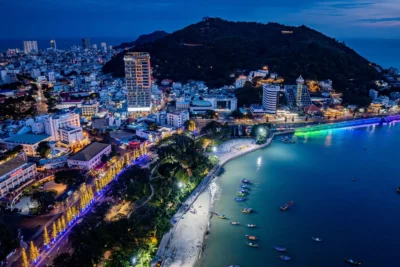
Ho Chi Minh – Cu Chi Tunnels – Vung Tau Beach 4D3N
Ho Chi Minh - Cu Chi Tunnels - Vung Tau


Private Tour
Vietnam And Cambodia Discovery 18D17N
Hanoi - Ha Giang (The Far North) - Halong Bay - Hoi An - Hue - Ho Chi Minh City - Mekong Delta - Siem Reap (Angkor)


Private Tour
Ho Chi Minh City - Mekong Delta - Hoi An - Hue - Hanoi - Sapa - Halong Bay