

Start With Your Arrival City and Usable Days
For itinerary planning, the important question is not simply which flight is cheapest. Your arrival city determines the most efficient direction of travel, and an early departure or late arrival can remove much of a sightseeing day. Confirm your international flights before locking the first and last days of the route.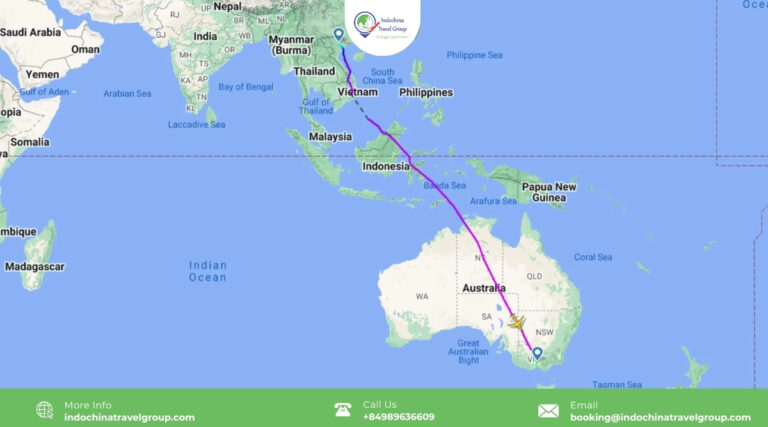
Use the Flight to Choose the Route Direction
Australia–Vietnam services vary by departure city, airline and travel date, so avoid building the itinerary around a route that may not operate on your dates. Compare the Vietnam arrival airport, arrival time and return airport first. If flying into Ho Chi Minh City and home from Hanoi — or the reverse — works well for your dates, that can reduce backtracking on a multi-region trip. For current route planning, use our flights from Australia to Vietnam guide.
READ MORE: Vietnam Itinerary – The Complete Guide
Match the Number of Regions to Your Usable Days
The number of usable days should determine how many regions you include. Adding another destination by shortening every other stay often creates more airport, road and hotel-change time than useful sightseeing:
- 9 – 10 days: Best for focusing on one primary region (North or South) plus one major highlight like Ha Long Bay.
- 11–14 days: Enough for a selective multi-region route when the number of hotel changes stays under control.
- 18 – 21 days: Gives you enough room to consider a separate mountain section such as Sapa or Ha Giang, or to add slower beach time, without forcing every region into consecutive transfer days.
Route direction matters less than route efficiency. Choose South-to-North or North-to-South according to your international flight options, Vietnam season and the places you actually want to prioritise. If an open-jaw ticket lets you arrive in Ho Chi Minh City and depart from Hanoi — or the reverse — it can reduce backtracking. If weather is likely to influence the route, compare the regional conditions in our best time to visit Vietnam from Australia guide.
A practical 10–14 day Vietnam itinerary from Australia
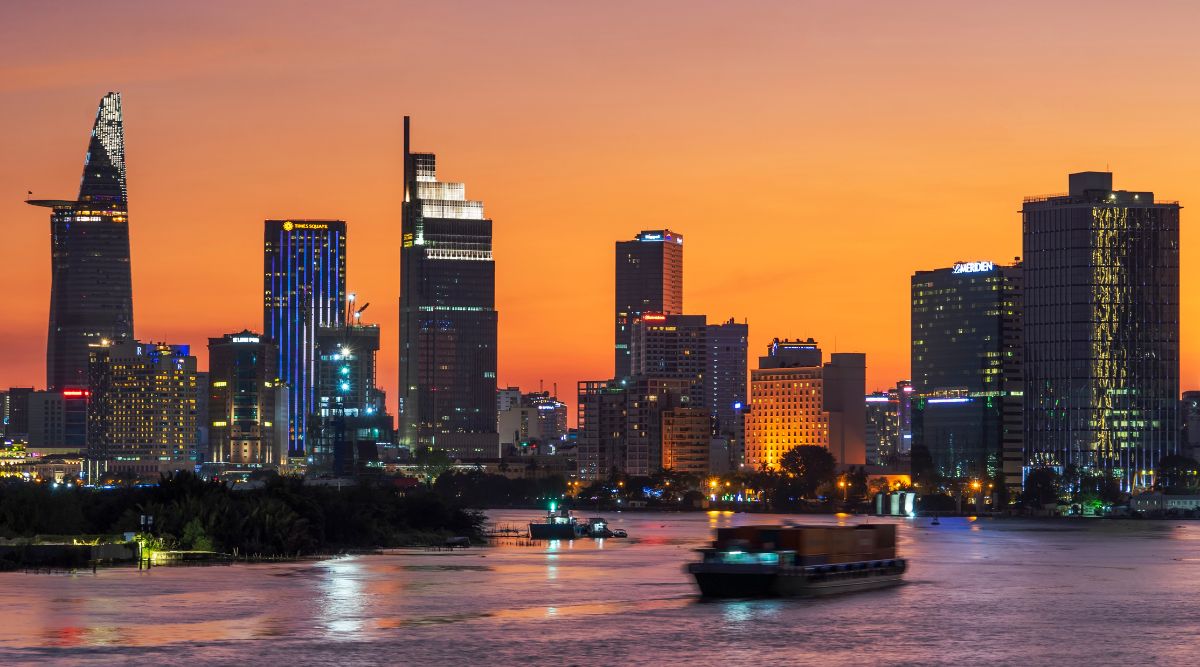
A 10–14 day first trip can cover more than one region, but the route should stay selective. The framework below shows one practical south-to-north flow. If your international flights work better in the opposite direction, the same route can be reversed.Days 1–4: Southern Vietnam — City Energy and History
Days 5–9: Central Vietnam — Heritage, Coast and Slower Afternoons
Hoi An is one of the easiest places to slow the itinerary down. Three to four nights in the Hoi An–Da Nang area gives enough room for heritage, beach time and unplanned afternoons without turning every day into a transfer. Hue can be added by road over the Hai Van Pass, but it is better left out when the extra movement would leave too little time in either city.If Ba Na Hills and the Golden Bridge are priorities, an early departure can reduce some of the busiest visitor periods. Confirm the operating schedule and weather close to the travel date, as mountain conditions can change quickly.Days 10–14: Northern Vietnam — Hanoi and One Major Extension
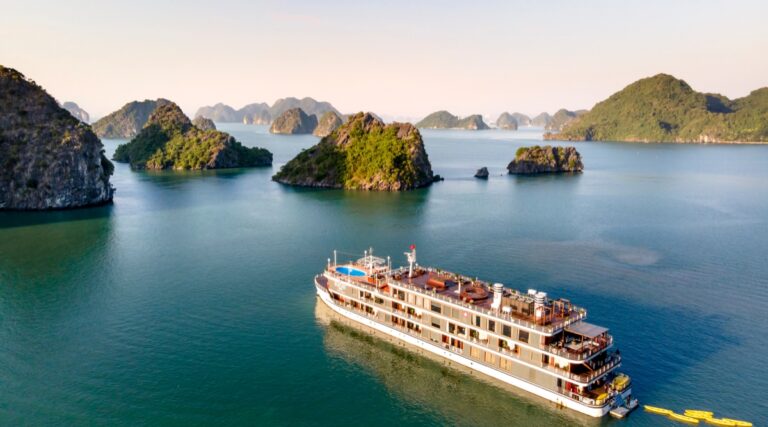
The final leg brings you to Hanoi, where food, neighbourhood walks and historic districts fit naturally around the larger day trips rather than needing a separate high-speed schedule.For Halong or Lan Ha Bay, choose the cruise by cabin standard, embarkation point and activities rather than assuming one bay is automatically better for every traveller. Ninh Binh adds a different land-based limestone landscape and works well when you want cycling or a Trang An boat trip without another domestic flight.READ MORE: Vietnam Travel Guide — practical planning articles for your next decision
Practical Details to Check Before You Lock the Itinerary
Once the route is taking shape, check the entry requirements and the cost drivers that can change how the trip works. These details should support the itinerary rather than take over the page, so use the specialist guides when you need deeper information.
Check Your Entry Permission Before Departure
Australian passport holders need valid entry permission before travelling to Vietnam. Vietnam’s official eVisa system can issue electronic visas for up to 90 days, with single- or multiple-entry options. Check the official Vietnam eVisa portal for current eligibility, fees, processing guidance and permitted entry points, then compare the details on the granted visa with your passport and travel dates before departure.
If you need the Australia-specific planning steps, use our Vietnam visa guide for Australians.
Keep the Budget Aligned With the Route
For an itinerary page, the useful budget question is not a fixed AUD-per-day estimate. The bigger variables are usually hotel category, number of hotel changes, domestic flights or trains, cruise standard, private versus shared transport and the travel dates themselves.
If two routes look similar, compare the services they require. A route with an extra domestic flight, one more hotel change and a premium overnight cruise can cost more even when the trip length is identical. For practical payment and exchange-rate planning, continue with our Vietnam currency guide for Australian travellers.
Before You Confirm the Route
- Count usable days after your international arrival and before your departure flight.
- Choose how many regions you can cover without turning too many days into transfers.
- Check whether an open-jaw flight can reduce backtracking.
- Compare regional weather for your actual travel month before fixing North, Central or South.
- Decide which domestic flights, trains or private transfers are worth the time they save.
- Verify your visa and passport details before paying for non-refundable services.
Independent Planning or an Organised Vietnam Tour?
Both approaches can work. The choice depends on how much time you want to spend coordinating transport, hotels and day-by-day logistics yourself.- Joining or escorted tours: These usually use fixed departure times, routes and shared services. They can reduce the per-person cost, but check carefully whether international airfare, domestic transport and optional activities are actually included.
- Private or tailor-made land arrangements: You can book your own Australia–Vietnam flights and use a local operator for hotels, domestic transport, guides and transfers. This keeps the international airfare separate while reducing the coordination required inside Vietnam.
How ITG plans the land itinerary
Our role is to turn your available time into a route that works on the ground. We start with your confirmed international flights, then check the number of usable days, hotel changes, domestic transfers and the experiences you care about most:- Route efficiency: We avoid unnecessary backtracking and flag when an extra destination would add more transfer time than useful sightseeing.
- Pace and comfort: Tell us if you prefer later starts, fewer hotel changes, private transport, family-friendly days or additional rest time. Those details affect the route from the beginning.
- Clear service confirmation: Your quotation should identify which hotels, transfers, guides, domestic transport and meals are included, and which services are optional or shared.
Keep the Route Selective, Then Add Detail
A Vietnam itinerary works best when it matches your actual flight times, preferred pace and tolerance for transfer days. With around 10 days, reduce the number of regions. With two weeks, keep the route selective. With longer, use the extra days for slower travel or one meaningful extension rather than automatically adding more stops.
When you are ready to compare actual land arrangements, see our Vietnam tour packages from Australia or send ITG your travel dates and preferred route for a tailored proposal.
Recommended Tours

5D4N HANOI + SAPA VALLEY + SUN WORLD FANSIPAN LEGEND – LIMOUSINE VAN (SEAT IN COACH)


Private Tour
Vietnam And Cambodia Discovery 18D17N
Hanoi - Ha Giang (The Far North) - Halong Bay - Hoi An - Hue - Ho Chi Minh City - Mekong Delta - Siem Reap (Angkor)
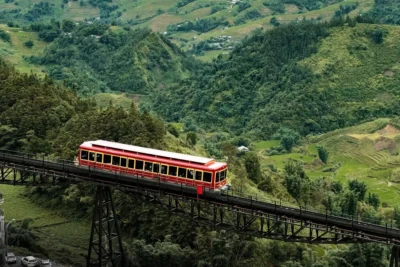
6D5N HANOI + HALONG BAY (OVERNIGHT ON CRUISE) + SAPA VALLEY (SEAT IN COACH)

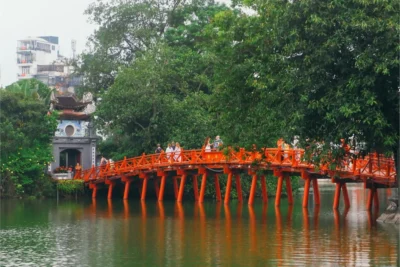
7D6N DISCOVER HANOI – HALONG – SAPA – TAM COC / NINH BINH (SEAT IN COACH)
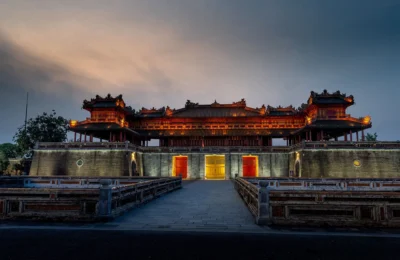

Private Tour
Grand Tour Of Indochina 22D21N
Ho Chi Minh - Cu Chi Tunnels - Mekong Delta Tour - Hoi An Ancient Town - Hue - Hanoi - Mai Chau - Halong Bay Overnight On Cruise - Luang Prabang - Vang Vieng - Vientiane - Phnom Penh - Siem Reap - Angkor Wat - Tonle Sap Lake

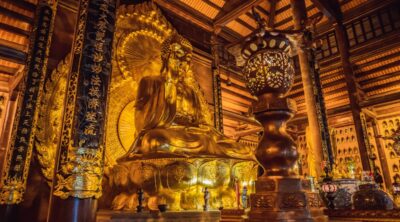
Hanoi – Halong Bay – Bai Dinh – Trang An 5D4N
Hanoi - Halong Bay - Bai Dinh - Trang An