

Why does Vietnam work for Australian families?
Vietnam works for families because the route can be adjusted around children’s ages, school-holiday length and tolerance for transfer days. Hanoi, Central Vietnam, Ho Chi Minh City and beach destinations can all work, but a short family trip should usually focus on one or two regions rather than trying to cover the full country.Start With the Family Constraints, Not the Attraction List
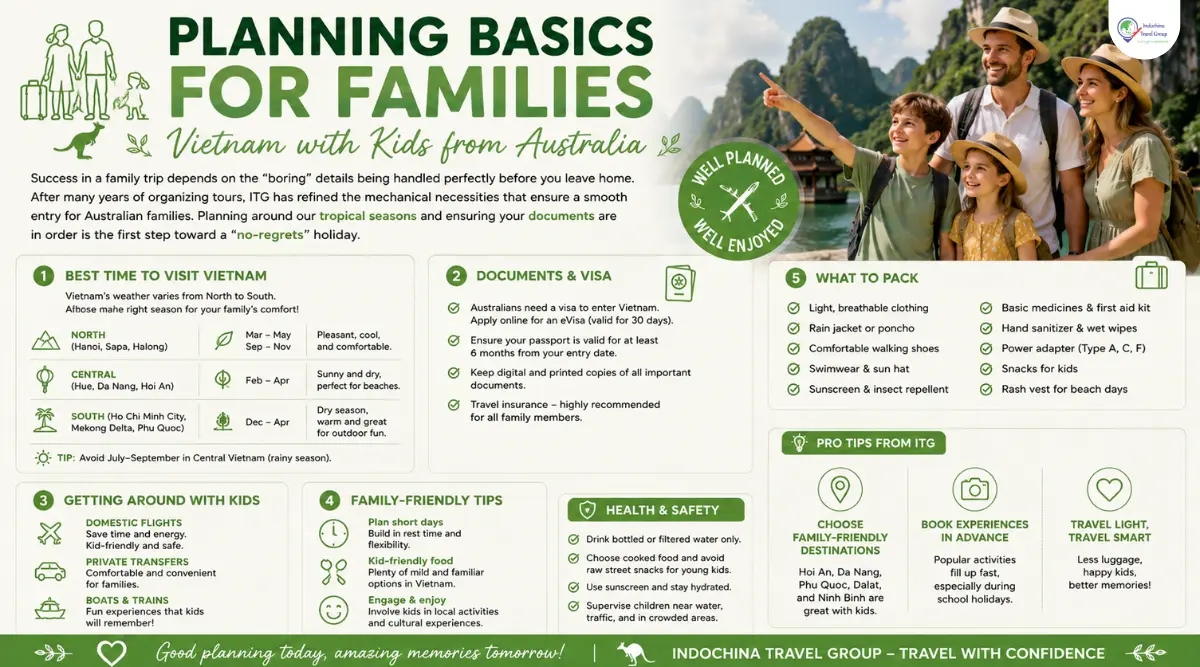 Family trips work best when the basic logistics are resolved early: entry documents, flight times, room setup, transfer length, heat and rest periods. The route should match the children’s ages and normal daily rhythm rather than trying to cover the same number of stops as an adults-only itinerary.
- Vietnam Holiday Calendar for Australians — use this for Australian school/public-holiday windows and any overlap with major Vietnam holidays.
- Best Time to Visit Vietnam From Australia — use this for regional weather and seasonal route fit once your dates are known.
- Vietnam Visa Requirements for Australians — use this for entry documents and eVisa checks.
- Vietnam Safety Guide for Australians — use this for transport, health, disruption and local-law planning.
- The weather window: Match the route to your exact travel month rather than using one fixed school-holiday rule. North, Central and South Vietnam can have different conditions at the same time, so let the most weather-sensitive part of the family trip drive the trade-off.
- Visas and documents: Check the current Vietnam entry requirements for every traveller in the family and make sure names, passport numbers and travel dates match the granted documents. If a child is travelling with one parent, a guardian or through another country, confirm any additional consent or transit-document requirements with the relevant airline and authorities rather than relying on a generic document rule.
- Health: Keep routine vaccinations up to date, discuss any destination-specific health advice with a qualified professional, and check that travel insurance covers the activities and regions on your route. Medical access is easier in major cities than in remote areas, so families heading into mountains or rural regions should plan accordingly.
Choose Bases That Reduce Hotel Changes
Choose Family Activities by Age, Energy and Transfer Load
Children tolerate heat, walking, boats, long transfers and structured activities differently. Match the activity to age, interests and daily energy, and leave enough room to shorten or skip a plan when the child is tired.Beach and resort days
Beach time can provide a useful low-transfer break in a family itinerary. In Da Nang and other resort areas, check the sea conditions, lifeguard coverage and resort facilities for your specific travel dates rather than assuming every beach is suitable for young swimmers.Gentle boat trips and overnight cruises
An overnight Halong or Lan Ha Bay cruise can work well for families who are comfortable with the cabin setup and activity schedule, but it is not essential for every trip. Check minimum ages for kayaking or other activities, cabin configuration and transfer time before choosing a cruise.Hands-on cultural workshops
Hands-on activities can work well when the child enjoys crafts and the programme fits the day. In Hoi An, a lantern-making workshop is one option; around Hanoi, pottery or other craft activities may fit a family route. Confirm the provider, duration, age suitability and what the child will actually do before adding any workshop.Wildlife and nature: From tunnels to tropics
History sites, caves and wildlife attractions can all fit a family trip, but age suitability depends on walking distance, heat, enclosed spaces, boat access and the child’s interest. Cu Chi Tunnels, Phong Nha cave routes and wildlife parks should be checked individually for current access, activity restrictions and the amount of physical effort involved before they are added to the itinerary.How Much Movement Is Realistic With Kids?
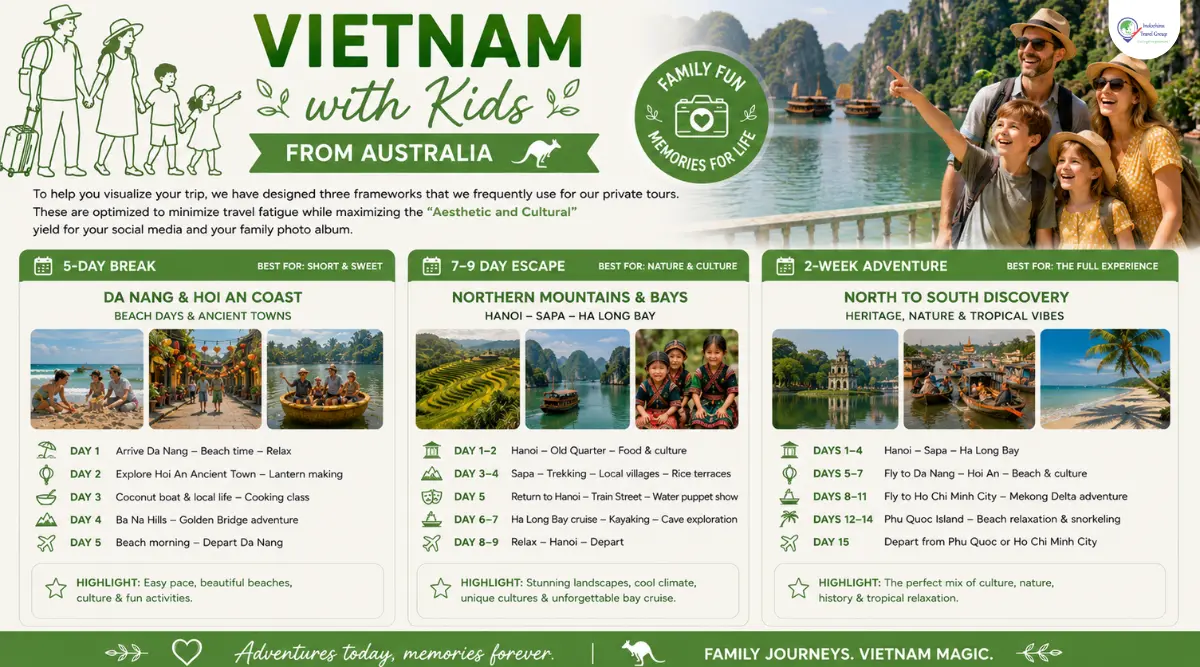 Family pacing is less about squeezing a fixed number of destinations into the calendar and more about how many early starts, long drives, domestic flights and hotel changes the group can comfortably absorb. The shorter the holiday, the more useful it is to keep the route concentrated.
For a short family break
Keep the trip concentrated in one region and limit hotel changes. Choose one or two anchor activities for each full day, then leave enough room for meals, pool time, naps or an early finish when the children need it.For a longer family holiday
A second region can add useful contrast, but every domestic flight, long drive and hotel change should earn its place. Add another region only when the transfer pattern still leaves enough usable time for rest and the experiences the family actually prioritises.Accommodation and transport tips for families
Food and health: Keeping the kids happy and healthy
Vietnamese food offers many mild options, but chilli, fish sauce, allergens and textures vary by kitchen. Start with familiar formats such as rice, noodles, eggs or grilled foods and ask about ingredients when allergies or strong preferences matter.- Banh mi: Easy to customise, but ask about fillings, chilli and sauces when preferences or allergies matter.
- Goi cuon: Fresh rolls often contain herbs, pork or shrimp and may be served with peanut-based sauce, so check ingredients first.
- Fruit drinks and smoothies: A simple option for some children; choose a reputable venue and check ice, dairy or added ingredients when relevant.
- Banh xeo: A crisp savoury pancake that can contain shrimp, pork, herbs and dipping sauce; confirm the filling before ordering for a child with allergies or strong preferences.
Cultural activities that can add context for kids
 Cultural activities can give children useful context about food, crafts, history and everyday life, but the value depends on age, interest and how the activity is explained rather than on one specific type of stay.
Accessibility, Rest and Family Wellbeing
Not every part of Vietnam is stroller-friendly or easy for travellers with limited mobility. Old-town pavements, stairs, boats and cave visits can create real access constraints, so accessibility needs should be checked destination by destination before the itinerary is confirmed.Build Around the Children’s Pace, Then Add the Sights

Recommended Tours

Group Tour
Hanoi – Sapa – Danang – Ho Chi Minh 10D9N
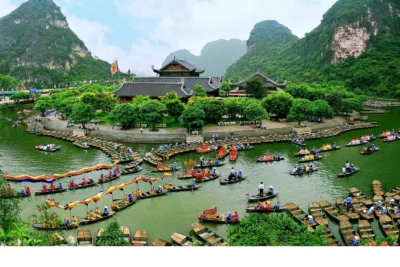
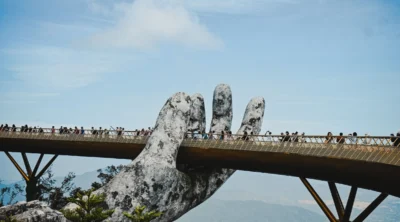
Hanoi - Sapa - Fansipan Peak - Ninh Binh - Halong Bay Overnight On Cruise - Danang - Hoi An Ancient Town - Bana Hills - Golden Bridge - Ho Chi Minh - Cu Chi Tunnels - Mekong Delta


Private Tour
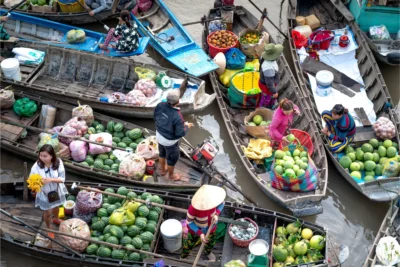
Ho Chi Minh – Cu Chi Tunnels – Mekong Delta 4D3N
Ho Chi Minh - Cu Chi Tunnels - Mekong Delta
Private Tour
Vietnam Highlights 7 Days 6 Nights Tour
Hanoi Arrival - Hanoi City Tour - Ha Long Bay Day Cruise - Fly to Da Nang - Coconut Village - Hoi An Ancient Town - Ba Na Hills - Golden Bridge - Fly to Ho Chi Minh City - Cu Chi Tunnels - Mekong Delta - Departure


5D4N DELIGHT DANANG TOUR (DANANG – BA NA HILL FRENCH VILLAGE – HOI AN – HUE CITY) (SEAT IN COACH)


Private Tour
Vietnam Panorama Discovery 16D15N
Ho Chi Minh - Cu Chi Tunnels - Mekong Delta Tour - Can Tho - Da Lat - Nha Trang - Hoi An - Da Nang - Hue - Hanoi - Halong Bay Overnight On Cruise