
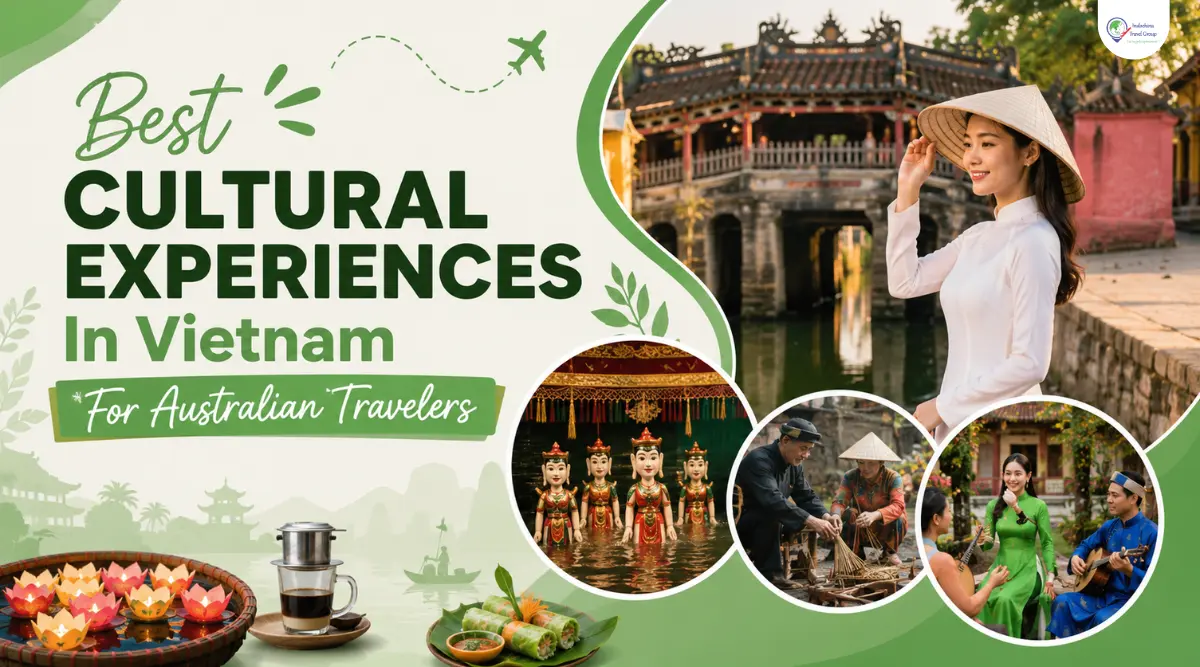
Cultural travel in Vietnam works best when heritage, food, neighbourhood life and local traditions are built into the route rather than added as isolated performances. This guide compares the cities and experiences that add useful cultural context, how much time they need and where a guided activity can genuinely improve understanding.
Choose the Cultural Layer You Want to Understand
Vietnam’s cultural layers change noticeably between regions: imperial history is especially visible in Hue, merchant heritage shapes Hoi An, Hanoi combines political history with long-established neighbourhoods, and the Mekong and northern highlands add different community and religious contexts. A good route leaves enough time to see those differences rather than treating “Vietnamese culture” as one uniform experience.Heritage sites, markets, religious spaces, craft traditions and regional food can all add cultural context, but the useful choice is which of them fits the route. Price should be compared from the actual accommodation, guide and activity standard rather than from a broad “value for money” claim.
Vietnamese culture is easiest to understand through places where heritage is still part of daily life: neighbourhood markets, religious sites, craft villages, historic streets, food traditions and family-run businesses. This guide focuses on experiences that add context to the trip rather than treating culture as a performance designed only for visitors.Heritage cities and living history in Vietnam
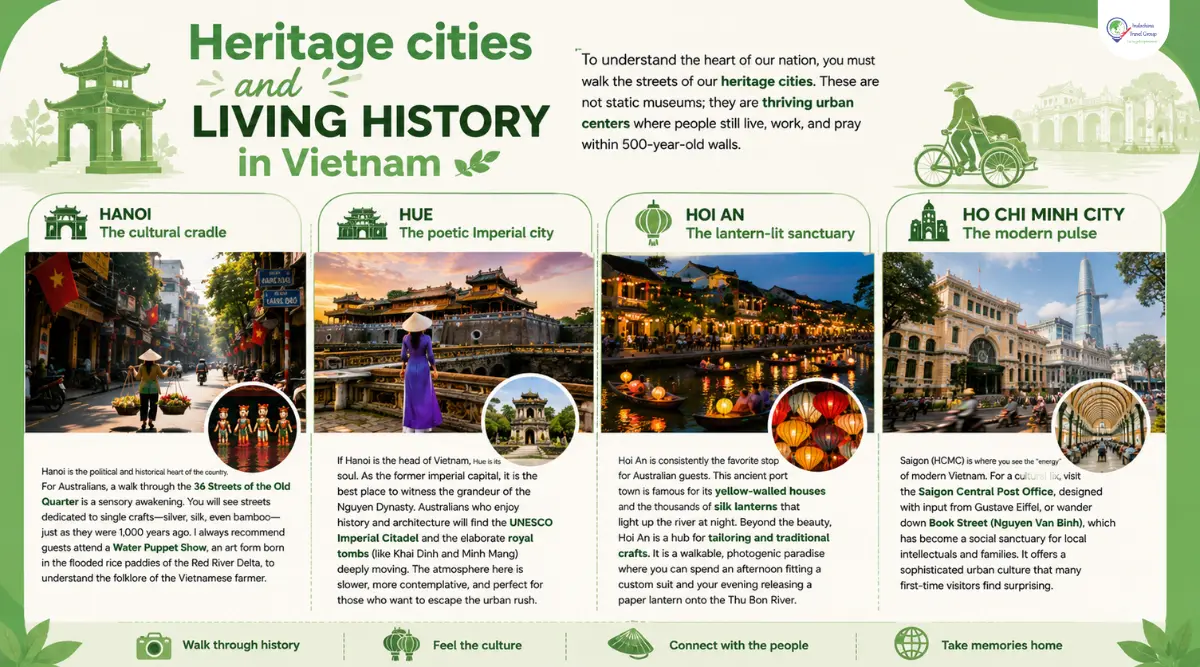 Heritage cities are useful because historic buildings, religious sites, markets and everyday neighbourhood life sit close enough to be understood together. Choose the city by the historical layer and pace you want, not because every itinerary needs all of them.
Hanoi: political history, neighbourhoods and food
Hanoi works well for travellers who want political history, the Old Quarter, temples, museums and food within one city base. A water-puppet performance can add traditional storytelling, but it is optional; use it when the art form interests the traveller rather than as a compulsory cultural stop.Hue: imperial history and regional food
Hue is the strongest fit when imperial history is a major trip interest. The Citadel and royal tombs need more time than a quick photo stop, while the city’s food and riverfront add context beyond the monuments. Give Hue its own stay when history matters rather than squeezing it into a rushed day from Da Nang.Hoi An: merchant heritage, crafts and evening atmosphere
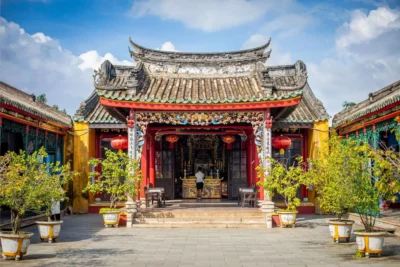
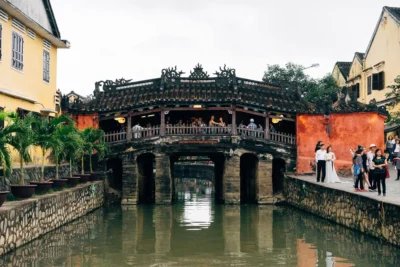
Hoi An combines merchant-town heritage with tailoring, craft activities, food and nearby countryside. The Ancient Town is easy to explore on foot, but a longer stay is useful when a tailor fitting, workshop or rural activity matters; do not treat lantern activities or shopping as compulsory parts of the heritage experience.Ho Chi Minh City: urban history and contemporary life
Ho Chi Minh City adds a different cultural layer from Hanoi or Hue. The Central Post Office, nearby colonial-era buildings, Book Street, museums, Cholon and neighbourhood food all show different periods of the city’s development. The present post-office building was designed by Alfred Foulhoux and Henri Villedieu; avoid repeating the common shorthand that attributes the building itself to Gustave Eiffel.Religious sites and everyday cultural context
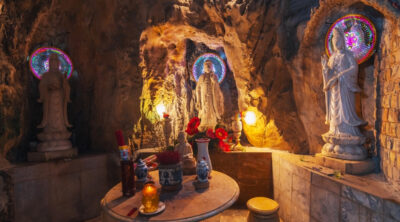
Vietnam includes Buddhist, folk-religious, ancestor-veneration and other religious traditions, but practice varies by family, community and region. Pagodas, temples and shrines should be visited as active religious places rather than treated as one uniform expression of a national worldview.Sites such as the Perfume Pagoda complex near Hanoi or temples in Hue and Hoi An can add context when religious history or practice interests the traveller. Follow local etiquette, avoid interrupting worship and use a guide when interpretation would improve understanding.
The Perfume Pagoda complex near Hanoi can add useful context for travellers interested in Vietnamese religious practice. The visit combines a boat journey through a karst landscape with access to a wider pilgrimage complex, so timing, walking and seasonal crowds all matter. In cities, temples and neighbourhoods may also feel different around the first and fifteenth days of the lunar month, but the experience varies by place and community.Let Food Add Regional Context, Not Replace It
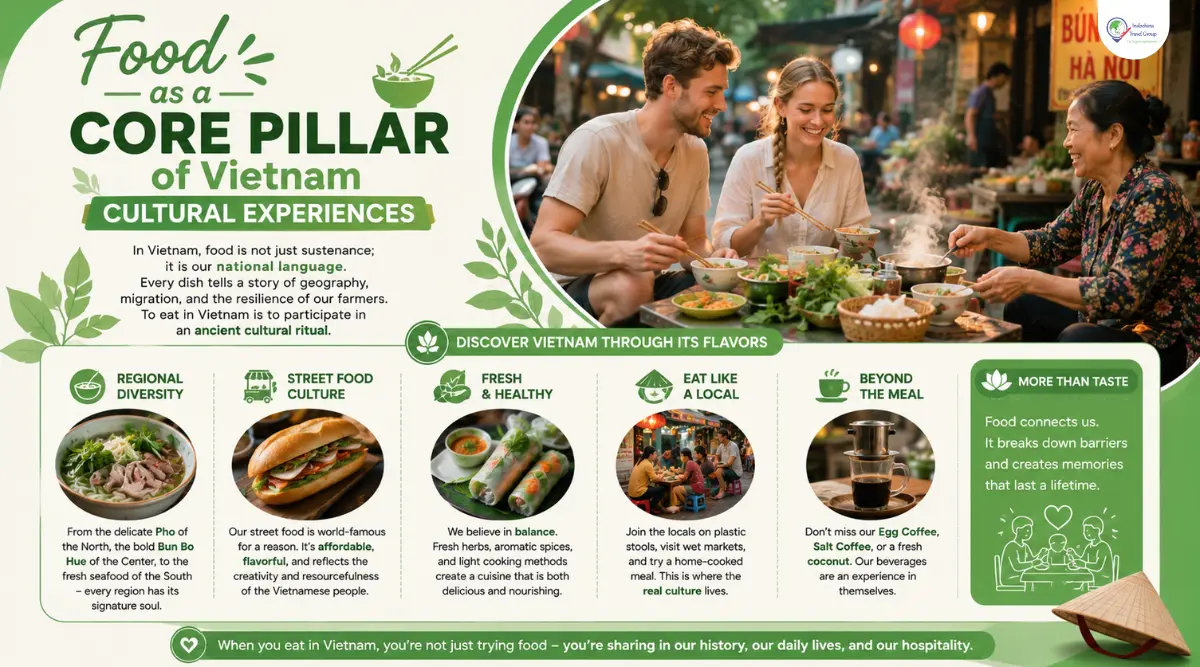 Food can add cultural context because ingredients, seasoning, meal settings and dishes change by region and historical influence. Use meals to notice those differences without treating every dish as a symbolic ritual or reducing a region to one signature food. For dish selection, dietary needs, hygiene and practical eating decisions, continue with our Vietnam food guide for Australian travellers; this section stays focused on what food adds to cultural understanding.
Street food culture
Street-side eating can add neighbourhood context when it already fits the route. A small pho, bun cha or rice shop may use low stools or shared tables, but seating and service vary widely. Choose a stop by food handling, clear pricing and location rather than treating the pavement setup as proof of a more authentic or egalitarian experience. See our street food guide for the practical food decision.Market food culture
Wet markets can add useful everyday context to a city visit, especially when they already fit the neighbourhood you are exploring. Places such as Ben Thanh in Ho Chi Minh City or Dong Xuan in Hanoi show different trading environments, but visitor experience, pricing and crowd levels vary by time of day.Cooking classes and food tours
A cooking class can add context when ingredients and preparation genuinely interest the traveller. In Hoi An or other cities, compare the provider, group size, market or garden component, dietary handling and dishes included rather than treating a class as essential to cultural travel.Look Beyond the Major Sights Without Chasing “Authenticity”
Beyond major heritage sights, smaller everyday settings can add context: a neighbourhood café, a local market, a craft workshop or time in a residential street. These moments should support the route rather than be marketed as a more “authentic” version of Vietnam.Where can travellers find everyday cultural context beyond the major monuments? Neighbourhood markets, long-established cafés, craft streets and adaptive spaces such as Saigon’s apartment cafés show how older urban fabric continues to be reused in modern daily life.
The café cluster at 42 Nguyen Hue is one example of older urban space being reused for modern cafés and small businesses. Individual venues and opening hours change, so treat it as an optional stop within a central Ho Chi Minh City day rather than a mandatory attraction.Use Transport as Context Only When It Fits the Route
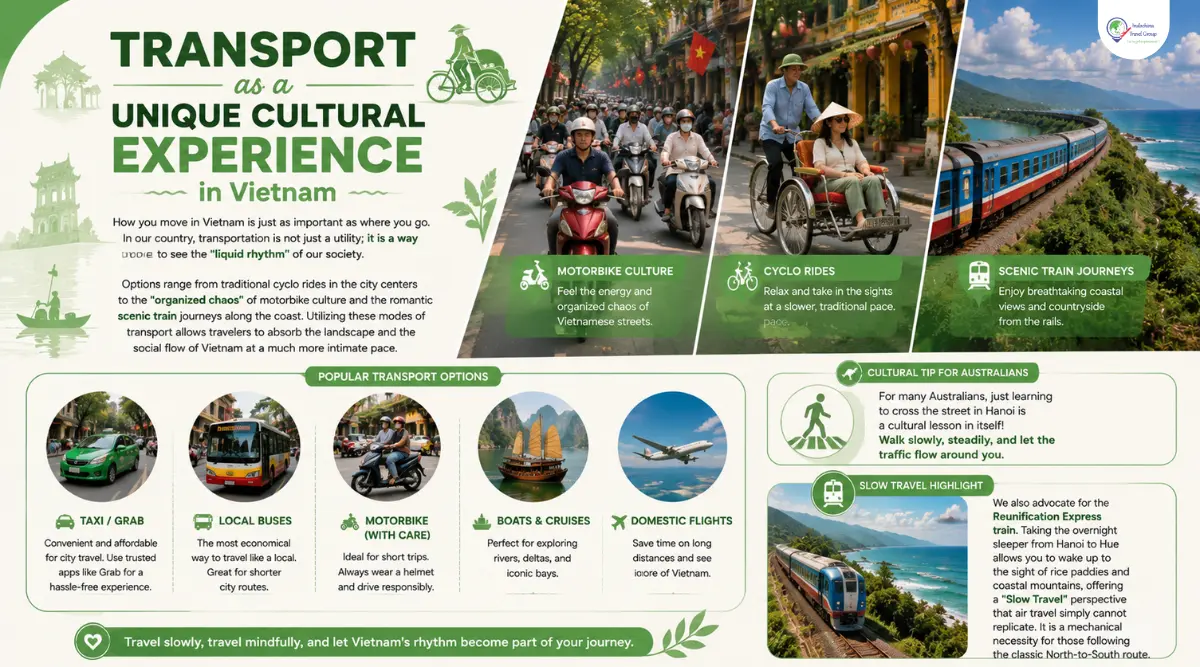 Transport can reveal how cities and regions connect, but it should still be chosen for safety, timing and route fit. A cyclo ride, train journey or local boat can add a different perspective when the operator and itinerary make sense.
Cyclo rides are best treated as a short guided city experience, while trains can turn a longer transfer into part of the journey. Motorbike traffic is not a tourist attraction in itself; travellers should use safe transport and road-crossing practices rather than romanticising traffic conditions.
The north–south railway can add context to a longer trip. An overnight train between Hanoi and Central Vietnam trades speed for a slower view of the countryside, so it suits travellers who value the journey itself and are comfortable with sleeper-train conditions.Hands-on activities when the format adds context
A workshop can be useful when the traveller wants to understand a craft or process rather than only see the finished product. The value depends on the provider, group size, time with the practitioner and what participants actually do.Lantern making in Hoi An, pottery around Bat Trang or selected weaving and craft workshops can add practical context. Massage and spa activities belong in a different category and should be chosen as optional services, not presented as proof of cultural immersion.
When a craft workshop is part of an ITG itinerary, we check the provider, location, duration and inclusions. Claims about community benefit or artisan support should come from the actual programme rather than being assumed from the activity label alone.History and memory: Understanding modern Vietnam
War-history sites and museums add context to modern Vietnam, but visitors bring different family histories and perspectives to them. Use interpretation, museum material and a qualified guide where useful rather than assuming the experience will carry the same meaning for every Australian traveller.The Cu Chi Tunnels add a different historical layer from museums and urban heritage sites. Visitor routes include confined tunnel sections, so travellers should decide in advance whether crawling, heat and enclosed spaces are suitable for them. The value of the visit comes from the historical context and interpretation, not from treating it as a test of endurance.
Rural and community context in Northern Vietnam
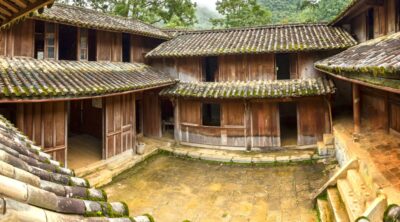
Northern mountain routes include communities with different languages, livelihoods, religious practices and tourism exposure. A village visit should be planned around the actual host, guide and programme rather than presented as access to an unchanged or more ancient version of Vietnam.In the North, Sapa’s terraces and village landscapes add a very different layer from Hanoi. A village stay can make sense when the traveller wants more walking time outside town, but homestay standards, meal formats and host interaction vary. Confirm the actual accommodation and programme rather than presenting access to family life as part of every stay.
Festivals and community atmosphere
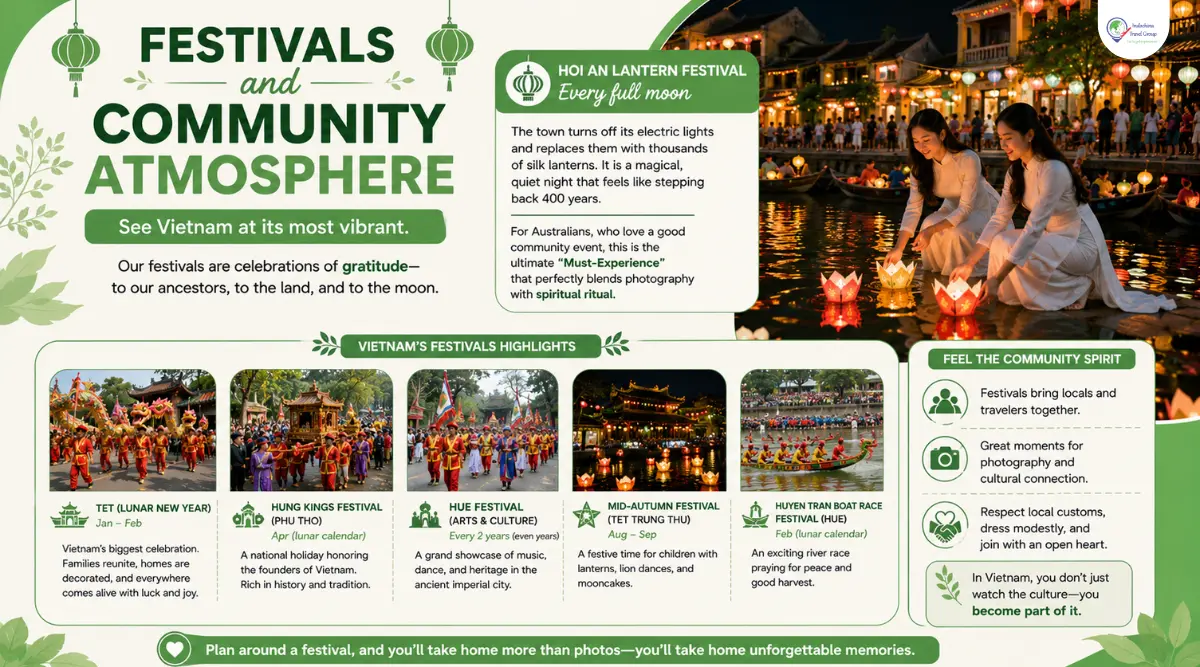 A festival can add useful context when its date and location already fit the trip. Vietnam’s festivals have different religious, historical and community meanings, so check the specific event rather than applying one explanation to all of them.
Hoi An’s full-moon lantern nights can be visually memorable, but they can also be busy. If the event matters to you, check the lunar-calendar date and local programme before building the itinerary around it; otherwise, Hoi An remains worthwhile on ordinary evenings as well.
Let One or Two Cultural Interests Shape the Route
Use cultural interests to decide which stops deserve more time rather than assigning a fixed number of days to every city. History, food, neighbourhood life, workshops and mountain or countryside context all pull the route in different directions.- Hanoi for urban history and food: use the Old Quarter, museums, food and neighbourhood time when these interests are central to the trip.
- Sapa for mountain and community context: use guided walks and an overnight outside town only when the traveller wants more mountain time and the actual host or accommodation format fits the trip.
- Hue and Hoi An for heritage depth: give Hue more time when imperial history matters, and use Hoi An for merchant-town heritage, food, crafts or evening atmosphere without treating every activity as compulsory.
- Ho Chi Minh City for modern history and urban life: use museums, Cholon, neighbourhood food and selected war-history sites according to interest; treat the Mekong Delta as a separate route decision rather than a default city activity.
How to match cultural interests to the route
Match the route to the kind of cultural context you actually want: museums and modern history, imperial heritage, food and markets, craft traditions, or mountain and community settings. The table below shows useful bases for each interest without implying that one city is universally best.| Your Interest | Useful base | Why? |
| Modern and imperial history | Ho Chi Minh City & Hue | Museums and war-history sites in the south; imperial heritage in Hue. |
| Food & Cooking | Hanoi & Hoi An | Hanoi offers dense neighbourhood food context; Hoi An can add market, cooking and countryside-food experiences when they fit the stay. |
| Mountain and community context | Sapa & Ha Giang | Guided village routes, landscapes and community settings that vary by host and programme. |
| Modern Life | Saigon & Da Nang | Urban energy, cafes, and modern architecture. |
Practical etiquette for cultural visits
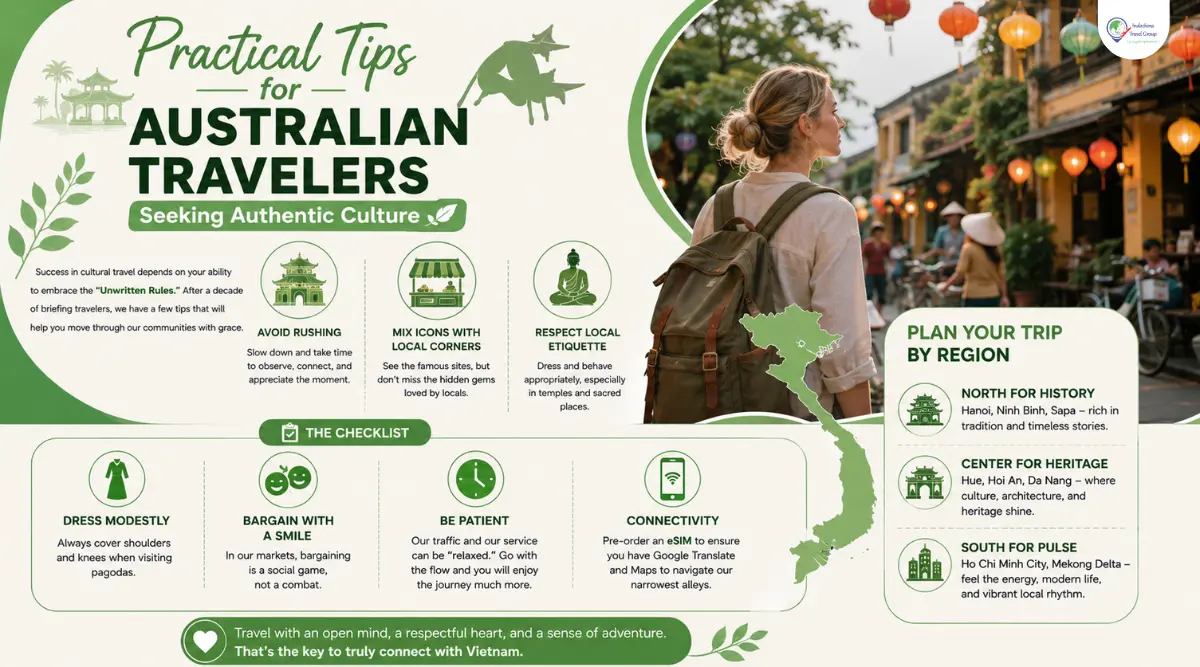 Cultural etiquette is easier when you follow the guidance of the place you are visiting instead of trying to memorise a national list of unwritten rules. Religious sites, homes, workshops and markets can each have different expectations.
Avoid rushing, mix major sights with time in the neighbourhoods you are already visiting, and follow the posted etiquette at temples, pagodas and heritage sites. Regional planning should reflect transfer time and traveller interests rather than fixed stereotypes about North, Central and South.
The checklist:- Dress: Follow the posted dress guidance at religious sites and carry a light cover-up when a visit is planned.
- Prices: Ask politely whether a price is negotiable; fixed-price shops, restaurants and ticketed sites should be treated as fixed.
- Timing: Build enough time around traffic, ticket queues and worship activity instead of expecting every visit or service to run to the minute.
- Connectivity: A local SIM or eSIM can help with maps, translation and operator contact. Save key addresses and booking details offline as a backup.
Build More Depth Before Adding Another Stop
The strongest cultural experiences are usually the ones that explain why a place looks, tastes or behaves the way it does. A guide, workshop, market visit or slower neighbourhood walk can add more context than simply adding another monument to the itinerary.We can build cultural stops into our Vietnam Tour Packages From Australia according to the route and the amount of time you want to spend in each place.
Recommended Tours
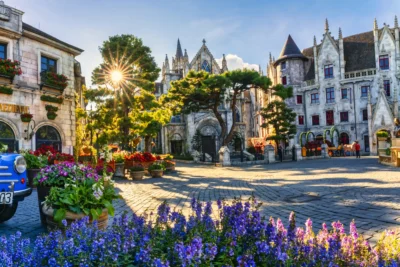
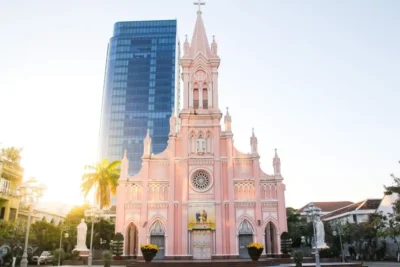
5D4N DELIGHT DANANG TOUR (DANANG – BA NA HILL FRENCH VILLAGE – HOI AN – HUE CITY) (SEAT IN COACH)
HotelCruiseFlightsTour
from
Group Tour
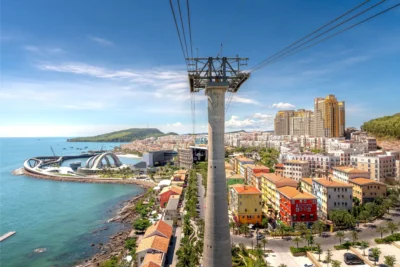
Phu Quoc Island 4 Days 3 Nights Group Tour
HotelFlightsTour
Phu Quoc Arrival - Grand World Tour - VinWonders Phu Quoc - Duong Dong Night Market - Sun World Hon Thom - Kiss Bridge - Phu Quoc Departure
3 Nights 4 Days from
Private
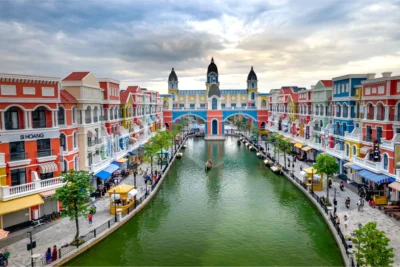
Phu Quoc 5D4N With Grand World
HotelTour
Phu Quoc - Grand World - Hon Thom Cable Car - 4 Island Tour - Aquatopia Water Park - Vin Wonders Theme Park - Vin Safari - Kiss Of The Sea Show
5 Days 4 Nights from
4D3N HIGHLIGHT OF MIDDLE OF VIETNAM (SEAT IN COACH)
HotelCruiseFlightsTour
from
4 Days 3 Nights from
Private Tour
Vietnam And Cambodia Discovery 18D17N
HotelCruiseFlightsTour
Hanoi - Ha Giang (The Far North) - Halong Bay - Hoi An - Hue - Ho Chi Minh City - Mekong Delta - Siem Reap (Angkor)
18 Days 17 Nights from