

Start With the Passport and the Full Route
For ordinary Australian passport holders, Vietnam requires an appropriate visa or a valid exemption before travel. The eVisa is the normal tourism route for many travellers, while special exemptions or other visa categories apply only when their specific conditions are met. Do not treat a short stay as automatically visa-free.Treat visa approval as a pre-departure task. Smartraveller advises Australian passport holders to have the appropriate visa or exemption before travel and to check that the granted details match the passport exactly. Use the official Vietnam eVisa portal for the online application and recheck entry conditions before departure.
Vietnam Immigration introduced the optional Pre-Arrival Information (PAI) system in 2026, beginning with a pilot at Tan Son Nhat International Airport and with nationwide expansion planned. PAI is separate from the visa itself. Check prearrival.immigration.gov.vn and current airline or Immigration guidance for your airport and travel date rather than assuming one timing rule applies to every arrival point.
For the general eVisa, exemption and entry framework beyond Australian-specific checks, use the Vietnam visa guide.
Choose the Visa Route From the Trip, Not the Label
 Choose the visa route from the purpose and length of the trip, not from a travel-style label. For standard tourism, the eVisa is usually the first official route to check; if the trip falls outside that process, contact the nearest Vietnamese embassy or consulate for the appropriate option.The sections below compare the official eVisa route with embassy or consular assistance and explain when a special exemption needs separate checking.
The 90-day Vietnam eVisa
For eligible Australian travellers, Vietnam’s official eVisa system is the main online option for tourism or business travel. If granted, an eVisa may allow a stay of up to 90 days and can be issued for single or multiple entry. Apply only through the official Vietnam eVisa portal and check every issued detail against the passport before travel.The entry point must be permitted for the visa you hold. Because eligible ports and entry rules can change, confirm the current list on the official immigration portal rather than relying on a fixed number of border gates.When to contact a Vietnamese embassy or consulate
If your passport, travel purpose, intended stay or other circumstances do not fit the standard eVisa process, contact the Vietnamese embassy or consulate serving your location for the appropriate visa route and current document requirements.
Can Australians get a visa on arrival in Vietnam?
Australian passport holders should not rely on visa on arrival for Vietnam. Smartraveller currently states that Australian passport holders cannot get a visa on arrival. For normal tourism, use the official Vietnam eVisa process if you are eligible, or contact the nearest Vietnamese embassy or consulate if your situation falls outside the standard eVisa route.If your departure is close and your visa is not ready, do not assume an airport “emergency” visa will solve the problem. Confirm your status with the official eVisa system, your airline and the relevant Vietnamese diplomatic mission before travelling.Make Every Granted Detail Match the Passport
 Whichever visa route applies, the issued details need to match the passport used for travel. Recheck the full name, date of birth, passport number, validity dates and permitted entry conditions before departure.Name omissions and passport-detail errors can create problems at check-in or on arrival. Prepare the application from the passport biodata page rather than from memory, and check the granted document again before travel:
- Valid passport: Check the passport expiry date against the current Vietnamese entry and visa requirements before applying. Do not rely on a generic validity rule copied from an old guide.
- Digital photo: Prepare the portrait image and passport biodata image in the format and file size required by the official eVisa form.
- Travel details: Use an entry point permitted under the visa and current immigration rules. If your arrival plan changes, recheck the official conditions before travelling rather than assuming the original visa still covers the new route.
Apply Through the Official eVisa Portal
For eligible travellers, the official eVisa process is usually the most straightforward online route. The important part is accuracy: use the official portal, enter passport details exactly, allow enough time for corrections, and recheck the granted visa before departure.- Preparation: Prepare the passport-data-page image and portrait file exactly as the current official eVisa form requests; check the live instructions rather than relying on an old photo-format rule.
- Submission: Go to the official Vietnam eVisa portal. Avoid look-alike commercial sites unless you deliberately choose a paid visa service.
- Payment: Use the fee shown on Vietnam’s official eVisa portal at the time you apply. Avoid third-party sites that add unnecessary service charges unless you deliberately choose to use an agent.
- Timing: Apply early enough to correct any error before your flight. Processing arrangements can change, so use the current timeframe shown by the official eVisa system rather than relying on an old estimate.
- Confirmation: Once the visa is granted, compare the full name, date of birth, passport number, validity dates and entry conditions with the passport and itinerary. If anything is wrong, resolve it through the official process before departure rather than assuming the error will be accepted at check-in.
Cases that need embassy or consular guidance
Use embassy or consular guidance when your passport, travel purpose, intended stay or other circumstances do not fit the standard eVisa process, or when you need official clarification before applying. Check the current instructions of the Vietnamese mission that serves your location rather than assuming the application method or document-return process.Treat the Phu Quoc Exemption as a Narrow Special Case
Phu Quoc has a separate visa-exemption arrangement for eligible foreign-passport visitors staying on the island for no more than 30 days. The important point is not a marketing label but whether the itinerary satisfies the exemption conditions and remains within the permitted Phu Quoc travel pattern.Entry and boarding rules
Visa checks can happen before departure as well as at the Vietnamese border. An airline may ask to see the relevant entry document, and errors in the visa can cause delays, extra costs or denied boarding.Common mistakes to avoid in your application
 Small application errors can create avoidable check-in or entry problems, so verify the granted document before travel.
- Full name: Enter the name from the passport biodata page exactly as the official application form instructs and compare it again with the granted visa.
- Passport number: Check every character carefully, including letters and numbers that can look similar when typed quickly.
- Entry-route change: If the arrival airport or land border changes after the visa is granted, check the current official conditions before travelling. Do not assume every entry point is interchangeable.
Choose by Passport, Purpose and Route
Choose the entry route by passport, travel purpose, stay length and itinerary. For an ordinary tourism trip, check the official eVisa process first; for cases outside that process, use current embassy or consular guidance. Treat the table below as a decision prompt, not a substitute for official eligibility rules.| Travel Type | Best Option | Why? |
| Standard Tourist (1-90 days) | eVisa | Official online route for eligible travellers; granted eVisas may allow single or multiple entry for up to 90 days. |
| Business or non-standard purpose | Check official category | Confirm whether the eVisa fits the purpose or whether embassy/consular guidance is required. |
| Phu Quoc-only trip | Check exemption eligibility | Use the exemption only when the full itinerary and transit pattern meet the current official conditions. |
| Last Minute / Emergency | Official confirmation required | Do not rely on visa on arrival. Check your official eVisa status, airline requirements and the nearest Vietnamese embassy or consulate before travelling. |
Recheck These Details Before Departure
Before departure, run through a final document check. The aim is to catch mismatched dates, passport details or entry assumptions before check-in rather than relying on them being corrected at the airport.Final checklist:- Passport validity checked against the current Vietnamese entry requirement?
- Visa or exemption covers the full travel period and intended purpose?
- Full name, date of birth and passport number match the passport biodata page exactly?
- Planned entry route is permitted under the granted document and current rules?
- Printed copy considered for check-in, with a digital backup saved offline?
- Airline and official immigration guidance rechecked if any border or pre-arrival procedure has changed?
Conclusion
Visa planning is one of the least exciting parts of a Vietnam trip, but it is one of the easiest places to avoid preventable problems. Check the application details against your passport, allow enough time before departure and verify any rule that could affect your specific entry point or travel dates.
Recommended Tours

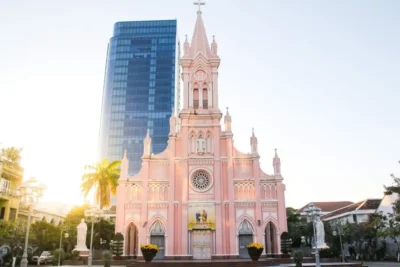
5D4N DELIGHT DANANG TOUR (DANANG – BA NA HILL FRENCH VILLAGE – HOI AN – HUE CITY) (SEAT IN COACH)


Group Tour
Phu Quoc Island 4 Days 3 Nights Group Tour
Phu Quoc Arrival - Grand World Tour - VinWonders Phu Quoc - Duong Dong Night Market - Sun World Hon Thom - Kiss Bridge - Phu Quoc Departure
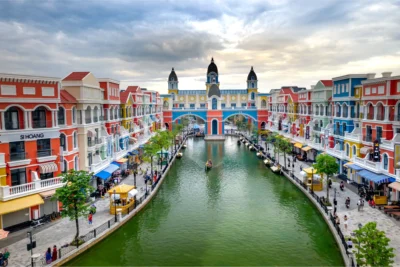
Private
Phu Quoc 5D4N With Grand World
Phu Quoc - Grand World - Hon Thom Cable Car - 4 Island Tour - Aquatopia Water Park - Vin Wonders Theme Park - Vin Safari - Kiss Of The Sea Show

4D3N HIGHLIGHT OF MIDDLE OF VIETNAM (SEAT IN COACH)
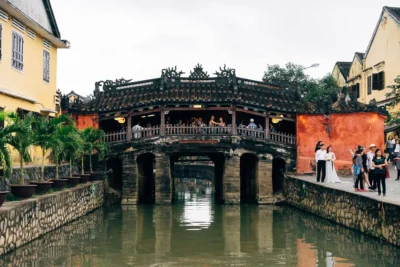



Private Tour
Vietnam And Cambodia Discovery 18D17N
Hanoi - Ha Giang (The Far North) - Halong Bay - Hoi An - Hue - Ho Chi Minh City - Mekong Delta - Siem Reap (Angkor)