
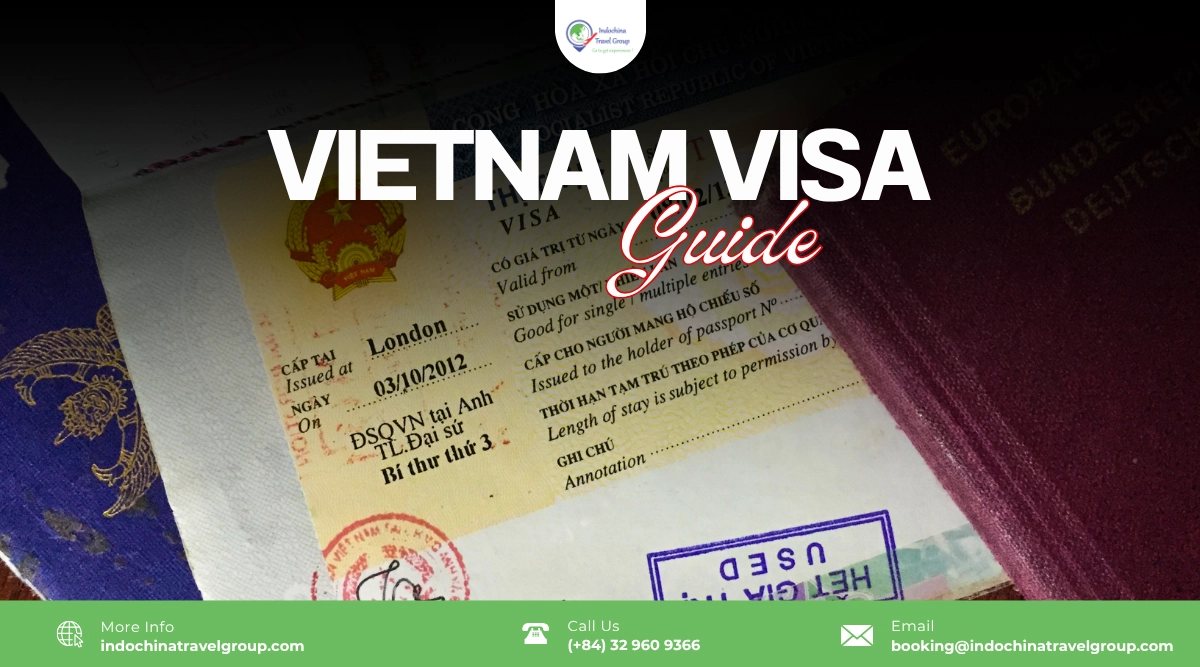
Start with the passport you will actually travel on, not a generic “Vietnam visa” checklist. Check whether that passport qualifies for visa-free entry, how long you intend to stay, and whether the route leaves and re-enters Vietnam. If you need an eVisa, use Vietnam Immigration’s official system; eVisas can be issued for up to 90 days, single or multiple entry. The approved document and current official guidance—not an old travel article—should be the final reference for your trip.
| Your situation | What to check first |
|---|---|
| Passport may qualify for visa-free entry | Check the current exemption list, permitted stay and passport conditions for that nationality. |
| Tourist needs an eVisa | The official Immigration portal currently supports single- or multiple-entry eVisas valid for up to 90 days; use the dates actually granted on the approved document. |
| Phu Quoc-only trip | Check the specific island exemption conditions before assuming they also cover a later mainland stay. |
| Pre-Arrival Information (PAI) | Treat it as a separate arrival-information process. It does not replace the visa or exemption needed for entry. |
How does Vietnam’s visa system work for tourists?
For a normal holiday, there are three practical questions: does your passport qualify for visa-free entry, do you need an eVisa, and does the document cover every entry in your route? Vietnam Immigration’s official eVisa system is the main online route for travellers who need a visa and can issue single- or multiple-entry eVisas valid for up to 90 days.
Do not choose a visa type before you have mapped the itinerary. A straightforward Hanoi–Da Nang–Ho Chi Minh City trip stays inside Vietnam; a Vietnam–Cambodia–Vietnam route leaves and re-enters the country and may require a different entry setup. Confirm the rule for the passport you will actually use, the approved dates and the planned border crossings before paying for non-refundable arrangements.
Do you need a visa for Vietnam?
Whether you need a visa depends on your nationality, passport type, purpose and length of stay. Vietnam has unilateral and bilateral visa-exemption arrangements, and those policies can be changed or extended by the Government.Do not rely on an old fixed count of visa-exempt countries. Vietnam changed and expanded exemption policies in 2025, and some exemptions have different purposes or validity periods. Check the current Government or Immigration guidance for your passport before departure.Some passports currently qualify for 45-day visa-free stays under Government resolutions, but the applicable country list and policy dates matter. For the current overview, use Vietnam’s official visa requirements page. Government Resolution 44/NQ-CP covers 12 nationalities through 14 March 2028, while Resolution 229/NQ-CP provides a separate 45-day tourism exemption for 12 nationalities through 14 August 2028. If your intended stay exceeds an exemption or your trip does not meet its conditions, check the official eVisa or other visa route that applies to you.Using a market-specific guide? The generic rule belongs on this page; country pages only interpret it for a specific passport and trip pattern. See our guides for Malaysian travellers, Filipino travellers and Australian travellers when that source-market context is useful.
The Vietnam E-visa
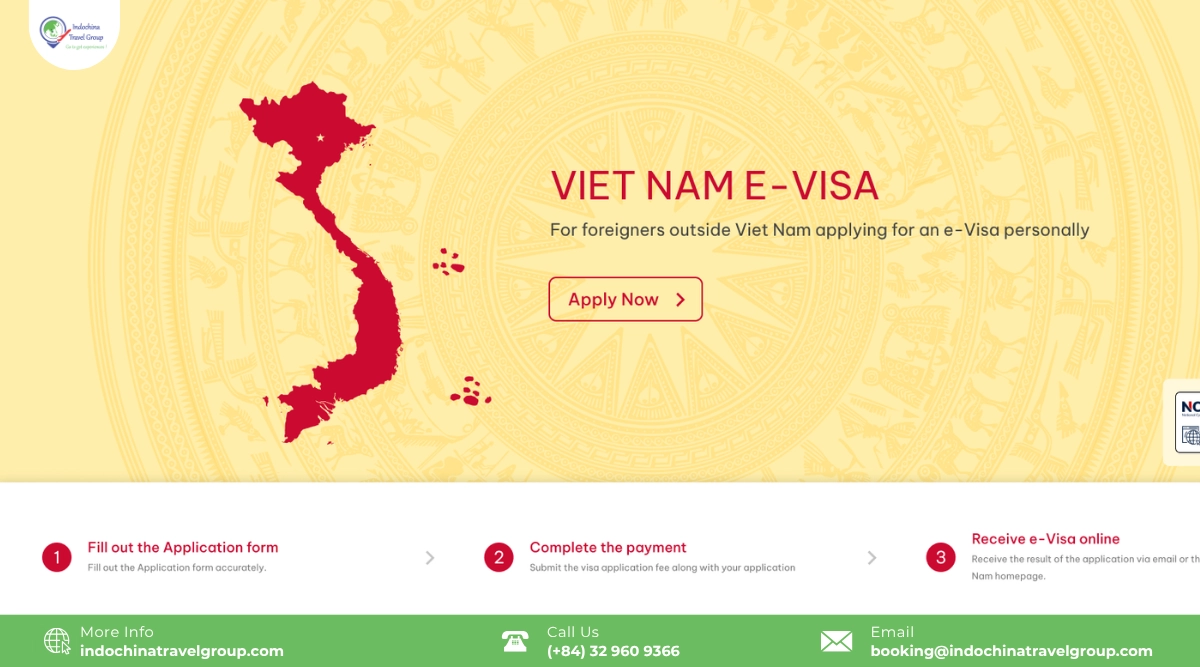 Vietnam’s eVisa is issued through the Immigration Department’s electronic system. Under the current framework, an eVisa can be valid for up to 90 days and can be issued for single or multiple entry.Use the official portal at evisa.gov.vn or thithucdientu.gov.vn. The portal currently supports single- and multiple-entry applications; check the approved validity dates on the visa rather than assuming every application receives the maximum period.A multiple-entry eVisa can be useful when the itinerary leaves Vietnam and returns within the approved validity period. A single-entry eVisa should not be planned as a reusable document after you leave Vietnam. Match the visa type to the actual border crossings in the itinerary.
Next practical step: once the entry route is clear, use our Vietnam travel tips for first-time visitors for the remaining pre-trip checks. Visa rules stay on this page; packing, money, transport and arrival preparation belong in the broader travel-planning cluster.
Vietnam Visa requirements and who is exempt
Visa-exemption rules vary by nationality, passport type and the legal basis of the exemption. Do not apply one ASEAN or European rule to every passport. The current Ministry of Foreign Affairs exemption list should be checked for the passport you will actually use, including the permitted stay and any conditions.- ASEAN passports: exemption periods are not identical across all ASEAN countries. Check the current MOFA list rather than relying on one regional number.
- Unilateral exemptions: some nationalities currently receive 45-day visa-free entry under Government resolutions, subject to the applicable policy period and entry conditions.
- Bilateral exemptions: other passports may have different stay periods under bilateral agreements.
- Phu Quoc exemption: foreign passport holders may qualify for a 30-day Phu Quoc visa exemption under the applicable rules, including certain itineraries that transit through another Vietnamese international border gate before continuing to the island. Check the current official conditions before relying on this exemption, especially if the trip also includes mainland Vietnam.
How to apply for a Vietnam E-visa?
For an eVisa application, use the current instructions shown on the official Immigration portal and prepare the passport and portrait files it requests:- Use the official portal: Apply through evisa.gov.vn or thithucdientu.gov.vn. If you use a third party, understand that it is not the Immigration Department itself.
- Images: Follow the current portal requirements for the portrait and passport-data-page files. The official application guidance currently asks for a front-facing portrait without glasses and a passport data-page image.
- Route details: Use an eVisa-eligible international checkpoint and make sure the route details in your application and approved visa fit the itinerary. If the route changes materially, check current Immigration guidance before travelling.
- Fee and result: The official portal currently lists USD 25 for a single-entry eVisa and USD 50 for a multiple-entry eVisa, with online payment and application-status lookup using the registration details. Recheck the portal before paying in case the process changes.
If the standard eVisa route does not fit your case
Older Vietnam travel guides often describe a tourist “Visa on Arrival” approval-letter process. Do not assume that old procedure applies to your trip. If you are not eligible for visa-free entry or the official eVisa route, follow the current instructions from Vietnam Immigration or the relevant Vietnamese diplomatic mission for the visa category you need.For ordinary tourism, check your passport eligibility and current entry requirements before paying any third party to arrange a visa service.Visa types and typical durations
Vietnam has visa categories beyond ordinary tourism. For this guide, the useful distinction is whether the trip uses visa-free entry, a single-entry eVisa, a multiple-entry eVisa or another visa category that needs separate official guidance:- Single-entry eVisa: It can be granted for a validity period of up to 90 days and is intended for one entry within the approved dates.
- Multiple-entry eVisa: It can be useful for a route that leaves and re-enters Vietnam within the approved validity period. Check every planned crossing against the current eligible checkpoint list.
Entry and border-gate rules
 An eVisa is used through international checkpoints that are currently authorised for eVisa entry and exit. The permitted list can change, so check the latest Immigration or Government list when planning a land border, airport or seaport crossing.Do not rely on an old fixed count of eligible checkpoints. The Government has expanded the list over time, including changes in 2025. Confirm that every planned entry or exit point is currently eligible before finalising the cross-border route.If a flight, bus or border plan changes after the visa is issued, do not assume the old application details will still work for the new route. Check the approved visa and current Immigration instructions before travelling to the replacement checkpoint.
Passport and entry requirements
A valid visa or visa exemption does not override the other entry conditions that apply to the traveller and passport.Check the passport-validity requirement and any onward-travel evidence that applies to your entry route before departure. For visa-exempt entry, Vietnamese diplomatic guidance commonly states that the passport should remain valid for at least six months from entry; the exact document checks should be confirmed against current official guidance for your case.For an eVisa, travel with the passport used in the application and keep an accessible copy of the approved visa. If your passport details, itinerary or entry conditions change before travel, recheck the Immigration instructions rather than assuming the original approval automatically covers the new situation.Entry documents are only one part of pre-trip risk planning. For scams, road safety, health precautions and emergency preparation, continue to our Vietnam safety guide rather than expanding those topics inside this visa page.
Special cases and common pitfalls to avoid
Common problems come from using the wrong entry route for the itinerary, entering application data incorrectly, or assuming a visa exemption covers travel beyond its actual conditions.Phu Quoc is one example where the itinerary matters. A traveller relying on the island-specific exemption should not assume that the same status automatically covers a later mainland stay. If the trip combines Phu Quoc with Ho Chi Minh City or another mainland destination, check the visa or exemption route that covers the complete itinerary before departure.For eVisa travel, verify the passport details, approved validity dates, entry type and planned checkpoints against the issued document and current Immigration guidance before the first international sector.What to expect at the airport or border gate
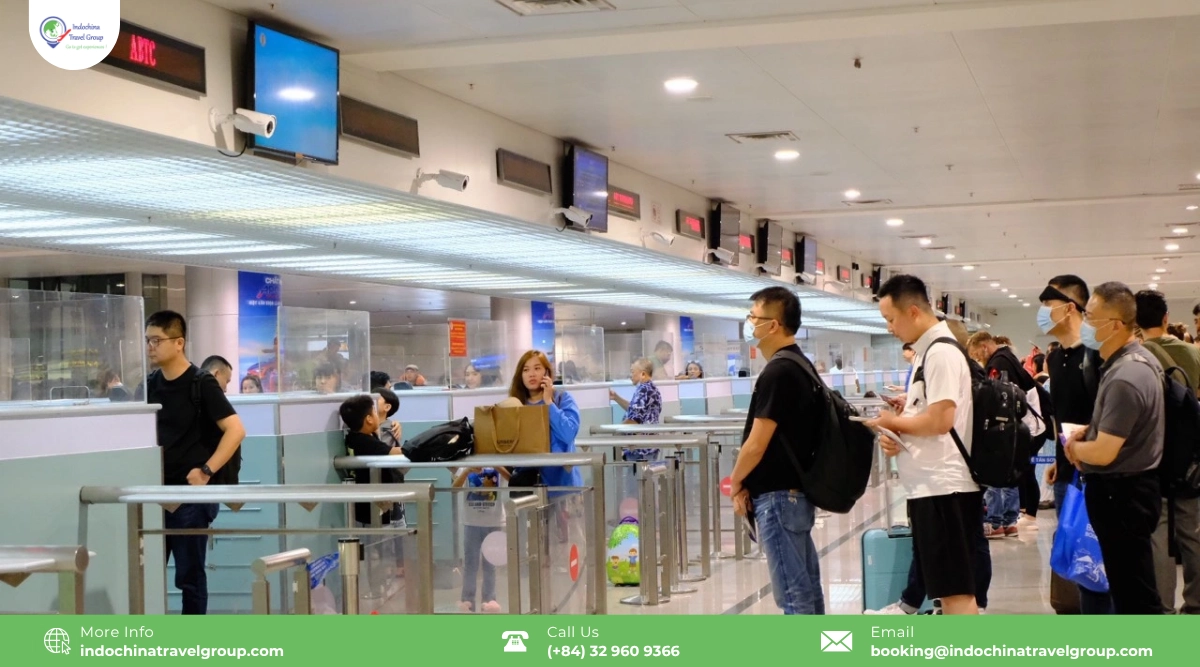
At the airport or border gate, follow the signs and instructions for the visa or visa-exempt entry route that applies to you. Queue time and document checks vary by airport, flight bank and individual case, so do not plan a tight onward connection around one assumed immigration-processing time.
For an eVisa arrival, keep the passport used for the application and the approved visa accessible. Follow the current airport and Immigration instructions for passport control, then continue to baggage claim or the next stage of the arrival process.
Check whether Pre-Arrival Information applies to your arrival
Vietnam Immigration introduced a Pre-Arrival Information (PAI) system in 2026. It is a separate arrival-information process and does not replace a visa or visa exemption. Current Vietnamese diplomatic guidance describes the pilot as voluntary and operating for foreign visitors at five international airports: Tan Son Nhat, Noi Bai, Da Nang, Cam Ranh and Phu Quoc. Because the rollout changed during 2026, check the current official instructions at prearrival.immigration.gov.vn for your airport and travel date.
Use only that official Immigration Department domain. Vietnamese authorities have warned that fake PAI websites have been used to collect card details and money. If your visa situation falls outside the standard visa-free or eVisa route, follow the current instructions issued for that visa category before you travel rather than expecting an old tourist approval-letter procedure to be available at the airport.
Conclusion
Vietnam entry planning is easiest when you separate three questions: whether your passport qualifies for visa-free entry, whether the official eVisa route fits the itinerary, and whether every planned entry or exit point matches the approved document. Recheck the official Immigration or diplomatic guidance before departure if the route, passport details or policy changes.
Once that is settled, move on to the trip itself. Use the Vietnam itinerary guide to decide how many regions fit your available days; if you are ready to compare organized routes rather than research entry rules, continue to Vietnam tour packages. ITG can coordinate the travel services listed in a confirmed itinerary, but the traveller remains responsible for holding the passport, visa or exemption required for entry.
Check the border route as well as the visa. The official Vietnamese Immigration Department application portal is evisa.gov.vn. If the plan includes Cambodia or Laos, a Vietnam–Cambodia 8D7N itinerary, for example, needs separate passport-specific entry checks for both countries and the actual flight or border crossing. ITG can help align route dates and booked transport via Plan Your Holiday, but cannot guarantee visa issuance or that visas are included unless expressly stated in your quote.

Recommended Tours




Private Tour
Vietnam Panorama Discovery 16D15N Private Tour: South to North
Ho Chi Minh - Cu Chi Tunnels - Mekong Delta Tour - Can Tho - Da Lat - Nha Trang - Hoi An - Da Nang - Hue - Hanoi - Halong Bay Overnight On Cruise
Group Tour
Hanoi – Ha Long Bay – Da Nang & Hoi An 5D4N Tour
Hanoi Arrival - Hanoi City Tour - Ha Long Bay Day Cruise - Fly to Da Nang - Coconut Jungle - Hoi An Ancient Town - Ba Na Hills - Golden Bridge - Departure


Private Tour
Hanoi – Ha Long Bay – Hoa Lu & Tam Coc 5D4N Private Tour
Hanoi - Halong - Hoa Lu - Tam Coc


Da Nang, Cham Islands & Hoi An 4D3N Seat-in-Coach Tour


Da Nang, Ba Na Hills & Hoi An 4D3N Seat-in-Coach Tour