
Is Vietnam safe for tourists?
For most tourists, Vietnam can be travelled with normal safety precautions, but the useful answer depends on the risk rather than a country-wide label. Current travel advisories commonly highlight road traffic, petty theft and phone snatching, drink spiking or assault, severe weather, scams and uneven access to medical care outside major cities.
Check the advisory issued for your own nationality before departure, then match the precautions to the route. In large cities, traffic and belongings may need more attention; on mountain, island or boat itineraries, weather, road conditions and access to help can matter more.
Crime and personal safety: Protecting your belongings
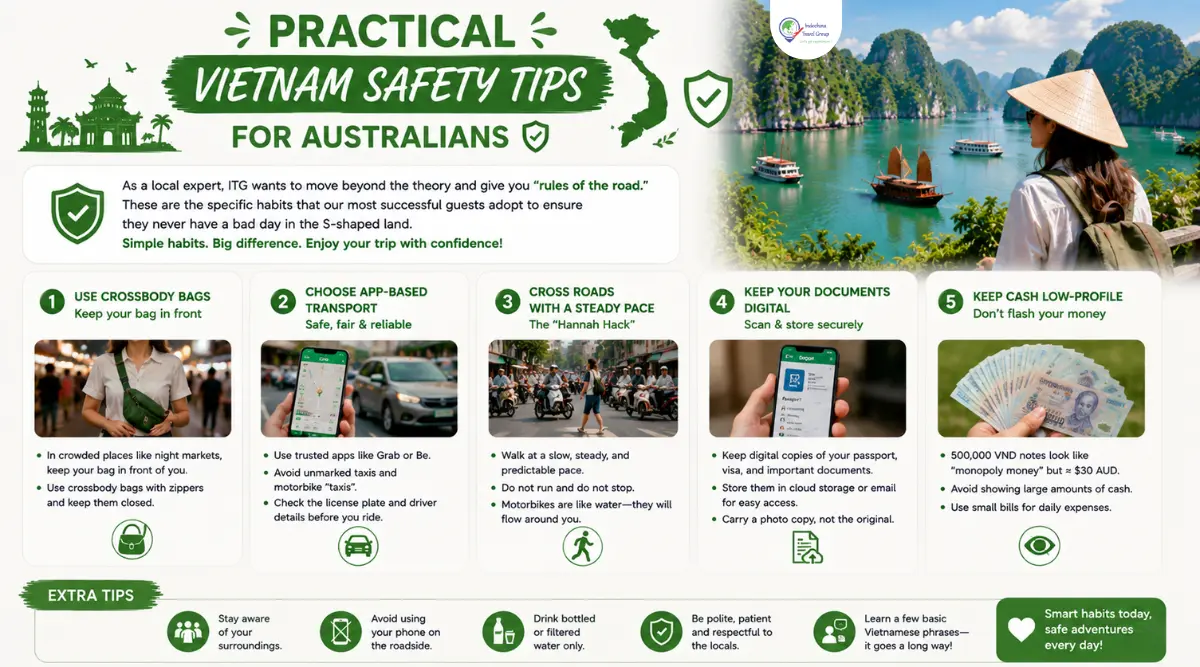
Petty theft and bag or phone snatching are practical concerns in busy tourist areas, and official travel advisories also note that more serious incidents can occur. In large cities, keep phones and bags away from the traffic side, carry only the valuables you need for the day and use normal precautions in crowded places. Practical personal-security checks:- Bags and valuables: In crowded areas, keep bags controlled and, where practical, on the side away from traffic. Carry only what you need for the day and use a secure storage option for other valuables.
- Phone vigilance: If you need to check a map, step away from the curb and into a shop entrance or well away from the flow of motorbikes.
- Nightlife: Use the same precautions you would in another unfamiliar city: keep control of your drink, use a transport option you trust and avoid isolated areas when you are impaired or unsure of the route.
Street scams and overcharging
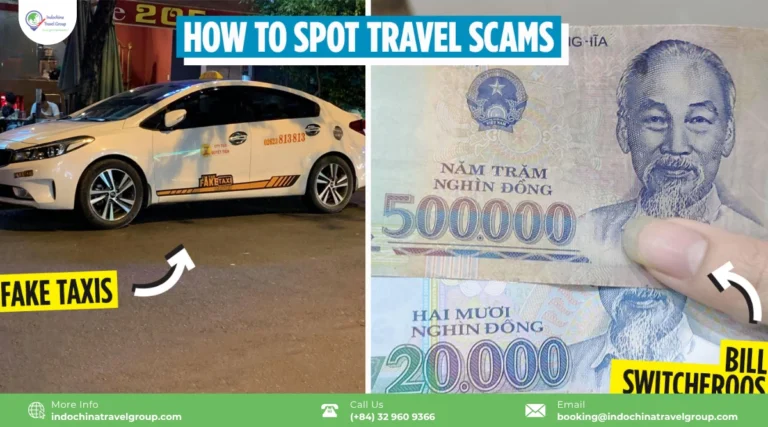 Overcharging, misleading services and unlicensed operators can create problems even when no physical threat is involved. Price negotiation is normal in some settings but not all, so confirm the price and provider before accepting a service.Common complaints can involve taxi overcharging, misleading tour sales or unsolicited services. Reduce the risk by checking the operator, using a clearly priced transport option and confirming the price before a service begins when no meter or app fare applies.In busy visitor areas such as central Hanoi, decline unsolicited services clearly if you do not want them. For taxis or private rides, use the meter, app fare or an agreed price rather than leaving the charge undefined.To ensure you are paying a fair price, we always recommend the following:
- App-based rides: Where available, an app can show the quoted fare and pickup point before the ride. Availability and final charges can still vary, so check the booking details.
- Verify the operator: Check the business name, booking channel and contact details before paying for a tour, cruise or transfer.
- Confirm the price: When a service has no displayed price, meter or app fare, ask what it will cost before it begins.
For payment, cash and ATM precautions, use the Vietnam currency guide. For taxis, airport transfers and intercity transport decisions, use the Vietnam transportation guide.
Traffic safety
Road traffic deserves special attention because vehicle flow and pedestrian infrastructure can feel very different from what visitors are used to. Build extra time into road journeys and do not rely on informal driving habits as a safety system.When crossing busy roads, use marked crossings or signals where available, watch traffic from both directions and avoid sudden movements. Do not assume drivers will automatically calculate your path or move around you. Practical road-safety checks:- Helmet and vehicle: do not ride without a suitable helmet and do not assume a motorbike-taxi helmet offers the same protection as a high-standard personal helmet.
- Licence and insurance: only self-ride when your licence is valid for the vehicle and Vietnam, your insurance covers the activity and you are comfortable with local road conditions.
- Walking space: pavements can be obstructed by parking, vendors or construction. If you need to step around an obstruction, check traffic carefully before moving into the roadway.
If the route includes self-riding or long road transfers, compare the Vietnam travel insurance guide and the transportation guide before treating a motorbike as the default option.
Women, solo and family travelers: Safety nuances
Solo travellers, women and families can all travel in Vietnam, but useful precautions are specific to the route and situation rather than a country-wide safety ranking. Official travel advisories note risks including theft, assault and drink spiking, so normal personal-safety precautions still matter.Solo travellers, women and families should plan around the same concrete risks—traffic, theft, transport, alcohol, weather and access to help—while also considering the needs of the individual traveller. Use current travel-advisory guidance rather than assuming one group will always have the same experience.For solo travellers, choose accommodation by location, recent reviews, transport access and the way you expect to return after dark rather than by one prescribed neighbourhood. For families, busy roads, balconies, pools, boats and crowded attractions may need more attention than country-level crime statistics. Parents can set normal boundaries around interactions, food and gifts from strangers.Health and medical safety: Staying healthy in the tropics
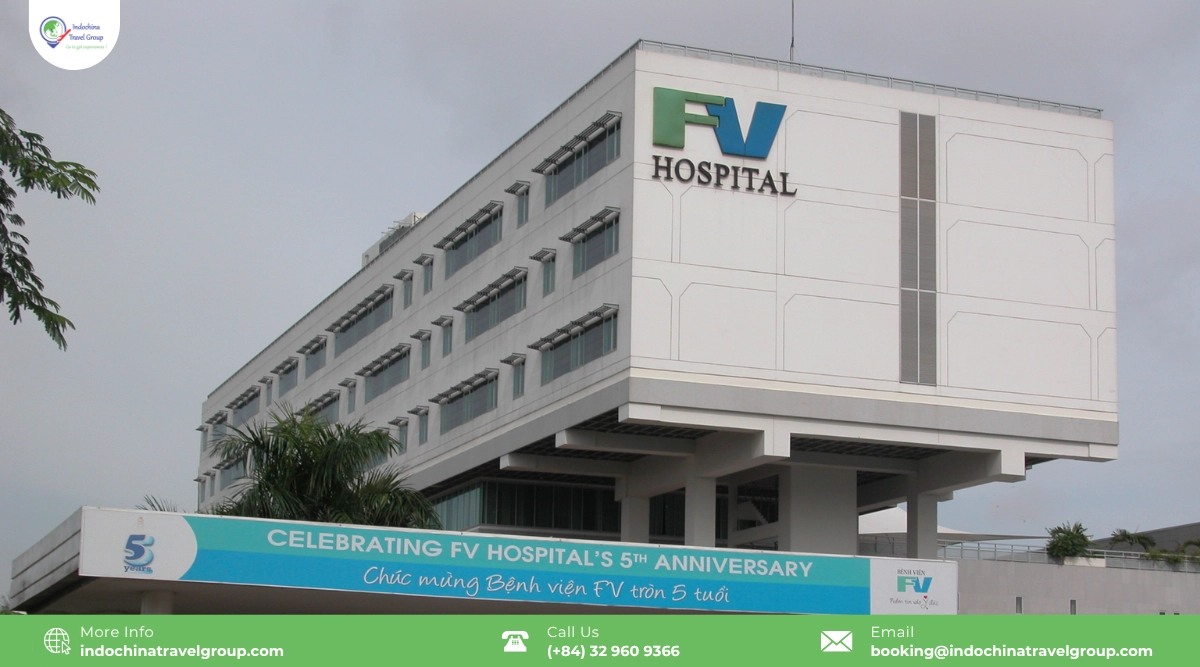 Health preparation depends on the traveller and route. Heat, food or water changes, insects, existing medical conditions and access to care can all matter, especially on remote mountain, island or outdoor itineraries.Medical access is better in major cities such as Hanoi, Ho Chi Minh City and Da Nang than in many remote areas. Check your insurer’s assistance process and identify appropriate care options before a route that spends long periods far from a major city. Health-focused planning checks:
- Food and water: Use normal food-hygiene judgment, choose drinking water from a reliable source and be more cautious when preparation or storage conditions are unclear.
- Heat and hydration: Carry drinking water and take regular breaks from strong heat, especially on long outdoor days.
- Personal health preparation: Check current official travel-health guidance before departure and discuss route-specific needs with a qualified clinician when appropriate.
Local laws, site rules and respectful behaviour
Sometimes, a safety issue isn’t about a thief or a car – it’s about a misunderstanding. Local laws, site rules and the specific situation matter more than broad cultural generalisations. In a dispute over price or service, stay calm and use the relevant business, platform or authority to resolve it.Follow local laws and the rules posted at religious, historical and government sites. In a dispute over price or service, keep the conversation calm and use the relevant business, booking platform or authority rather than escalating the situation.At active religious sites, follow the current dress, footwear and photography rules. Requirements vary by site, so posted instructions are more reliable than one blanket rule for every pagoda or temple.Digital and belongings security
Keep essential addresses, bookings and emergency contacts available offline, and use the same account-security and banking precautions you use at home. In busy urban areas, step away from the road edge before using a phone for navigation or photos and keep devices away from moving traffic.
Store travel documents securely and follow the identification rules that apply to your accommodation, transport and current local requirements rather than relying on one blanket rule about carrying or leaving a passport.
Digital and belongings checklist:- Backups: Keep secure copies of essential travel documents and important contacts somewhere you can still access if a device is lost.
- Shared networks: Use normal account-security precautions on public or shared Wi-Fi and avoid exposing sensitive information unnecessarily.
- Valuables: Use a secure storage option that you trust and follow any identification requirements that apply to your accommodation or transport.
READ MORE: Vietnam Travel Guide: Everything You Need to Know Before You Go
Weather, flooding and environmental risks
Heavy rain, tropical storms, flooding, landslides and rough sea conditions can disrupt different parts of Vietnam. The relevant risk depends on the route, season and current weather system.During tropical-storm and heavy-rain periods, monitor official weather updates and follow local-authority, airline, cruise-operator and trail-access advice. Mountain roads, low-lying towns, beaches and boat routes can all be affected even when another region remains usable.Flooding in low-lying areas such as Hoi An can affect access, hotels and transport, so do not treat floodwater as a sightseeing feature. At beaches, follow posted warning flags, lifeguard instructions where present and any local closure notice; stay out of the water when authorities or operators say conditions are unsafe.READ MORE: Vietnam Weather by Month: Full Climate Guide
Emergency contacts and what to do in a crisis
Before departure, save the emergency numbers relevant to Vietnam, your insurer or assistance provider, and your embassy or consulate contact. If you are involved in a serious incident, contact the appropriate local service first, then follow the reporting requirements of your insurer, embassy or booking provider where relevant.For confirmed ITG services, use the operational contact channels and support hours supplied with your booking if a transfer, activity or itinerary arrangement needs attention. For an emergency, contact the appropriate local service and your insurer or embassy/consulate where relevant. Essential Emergency Numbers:- 113: Police
- 114: Fire
- 115: Ambulance/Medical
Conclusion
Vietnam travel safety is better handled as a set of route-specific checks than a single yes-or-no judgment. Review current official travel advice, weather, local laws, transport arrangements and insurance before departure, then adjust the precautions to the places and activities in your itinerary. If you want the transport and logistics arranged as one trip, compare our Vietnam Tour Packages after the route itself is clear.
Recommended Tours

Group Tour
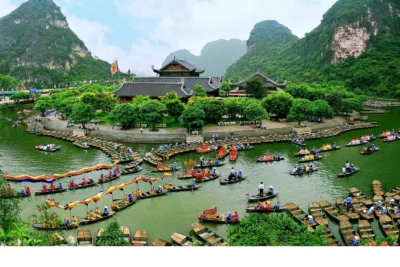
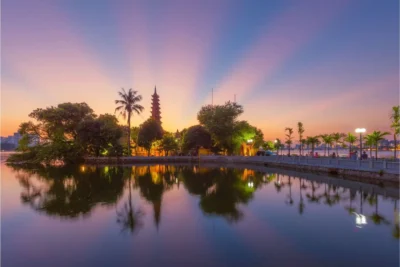
Hanoi – Sapa – Danang – Ho Chi Minh 10D9N
Hanoi - Sapa - Fansipan Peak - Ninh Binh - Halong Bay Overnight On Cruise - Danang - Hoi An Ancient Town - Bana Hills - Golden Bridge - Ho Chi Minh - Cu Chi Tunnels - Mekong Delta

Private Tour
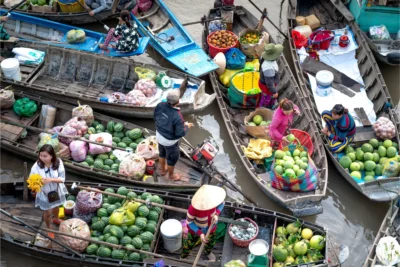
Ho Chi Minh – Cu Chi Tunnels – Mekong Delta 4D3N
Ho Chi Minh - Cu Chi Tunnels - Mekong Delta
Private Tour
Vietnam Highlights 7 Days 6 Nights Tour
Hanoi Arrival - Hanoi City Tour - Ha Long Bay Day Cruise - Fly to Da Nang - Coconut Village - Hoi An Ancient Town - Ba Na Hills - Golden Bridge - Fly to Ho Chi Minh City - Cu Chi Tunnels - Mekong Delta - Departure

5D4N DELIGHT DANANG TOUR (DANANG – BA NA HILL FRENCH VILLAGE – HOI AN – HUE CITY) (SEAT IN COACH)


Private Tour
Vietnam Panorama Discovery 16D15N
Ho Chi Minh - Cu Chi Tunnels - Mekong Delta Tour - Can Tho - Da Lat - Nha Trang - Hoi An - Da Nang - Hue - Hanoi - Halong Bay Overnight On Cruise