

If photos matter to your Vietnam trip, choose places that already fit the route rather than building the whole itinerary around separate photo stops. For a short trip from the Philippines, Hanoi + Ninh Binh and Da Nang + Hoi An are two of the easiest combinations. Sapa, Ha Long Bay, Da Lat, Mui Ne and Phu Quoc can be very photogenic too, but they make more sense when the destination itself is part of the trip.
Which Vietnam photo spots are easiest to fit into a Filipino itinerary?

Vietnam is long, so the most useful way to choose photo spots is by route. A place can be beautiful and still be a poor fit if it adds another flight, an overnight transfer or a full day of backtracking.
North: Hanoi + Ninh Binh
Best for: old streets, lakes, temples, river landscapes and limestone viewpoints. This is one of the easiest photo-focused combinations when you want variety without changing regions.
North: Hanoi + Sapa or Ha Long Bay
Best for: mountain scenery or seascapes. Both depend more heavily on visibility and weather, so keep expectations flexible.
Central: Da Nang + Hoi An
Best for: Golden Bridge, heritage streets, lanterns, beaches and modern city scenes. The two bases are close enough to combine without wasting a travel day.
South and highlands
Best for: city architecture in Ho Chi Minh City, cooler landscapes in Da Lat, dunes in Mui Ne or sunsets in Phu Quoc. Choose one direction rather than trying to fit all of them into a short trip.
Hanoi: old streets, Hoan Kiem Lake and city details
Hanoi works well when you prefer street scenes and architecture over staged attractions. The Old Quarter, St. Joseph’s Cathedral area, Hoan Kiem Lake and The Huc Bridge are all easy to combine in the same central route.
- Old Quarter: best for layered shopfronts, narrow streets and everyday city scenes.
- Hoan Kiem Lake and The Huc Bridge: easy to photograph early in the day before the lakefront gets busier.
- St. Joseph’s Cathedral area: useful for a more architectural city frame, with cafés nearby if you want to wait for softer light.
- Train Street: access rules can change. Follow barriers, railway staff and local safety instructions rather than entering restricted sections just for a photo.
Hanoi is a good choice when your trip is already North-focused because you do not need to add a separate photo excursion. Coffee stops also fit naturally into the same day; see the Coffee in Vietnam guide for Filipino travelers if you want to combine cafés with city photography.
Ninh Binh: river views and limestone landscapes
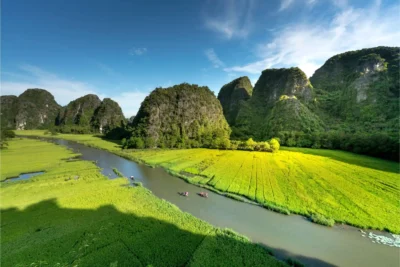
Ninh Binh gives you a very different look from Hanoi without requiring another domestic flight. Trang An, Mua Cave and Bich Dong are the main visual anchors, but they work best for different reasons.
Trang An
The strongest photos usually come from the river level: boats, limestone walls, cave entrances and reflections. Because you are on a shared route, treat the boat ride as the experience first and the photo opportunity second.
Mua Cave viewpoint
This is the big panoramic stop. The climb is exposed and can be slippery in wet weather, so it is worth moving to another time of day if the conditions are poor rather than forcing the ascent for one photo.
Bich Dong Pagoda
The gate, pond and surrounding greenery give you a quieter frame than the main viewpoints. Dress appropriately for a religious site and avoid turning active worship areas into a photo set.
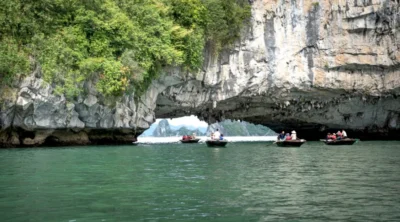
Ha Long Bay: wide seascapes depend on the weather

Ha Long Bay is worth considering when a cruise is already part of your North Vietnam plan. The bay looks very different in clear light, haze and mist, so it is not a destination where one fixed photo is guaranteed.
The sundeck, limestone karsts and higher viewpoints can all work, but visibility matters more than the exact camera angle. If the forecast is poor, focus on the cruise experience rather than trying to recreate a saved social-media image.
Sapa: terraces, mountain weather and changing visibility
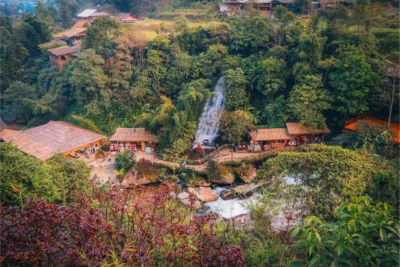
Sapa suits travelers who already want the mountains. Muong Hoa Valley, village routes and Fansipan can be striking, but cloud and fog can hide the view quickly.
For Filipino travelers comparing Sapa with the rice-terrace landscapes back home, the useful difference is the mountain setting and seasonal look rather than a claim that one place is “better”. If you photograph local people, especially close portraits, ask permission instead of treating traditional clothing as part of the scenery.
Hoi An: yellow walls, lanterns and river light
Hoi An is one of the easiest places to photograph well without planning a dedicated shoot. The Ancient Town, Japanese Covered Bridge area and Thu Bon riverside all sit inside a walkable heritage zone.
Early morning
Best when you want quieter streets, shopfronts and yellow facades with fewer groups in the background.
Late afternoon
Useful for warmer light and a gradual transition from daytime architecture to the evening atmosphere.
After dark
Lanterns become the main visual draw, but the riverfront is also busier. Decide whether you want atmosphere or an uncluttered frame; it is difficult to maximize both at the same time.
Do not add Hoi An only for a rooftop photo or one lantern street. It makes more sense as part of a Da Nang–Hoi An stay where the heritage town is already one of the main destinations.
Da Nang: Golden Bridge, Marble Mountains and city views
Da Nang gives you several very different photo styles without leaving the region. The Golden Bridge at Ba Na Hills is the most recognizable, while Marble Mountains and the city’s bridges give you a less staged look.
Golden Bridge trade-off: go because Ba Na Hills is part of your day, not because you expect an empty bridge. Crowd levels, cloud, rain and visibility all change the result. Earlier arrival can help with crowds, but weather still decides how much of the mountain scenery you see.
For Dragon Bridge or other city landmarks, check the current event and lighting schedule locally rather than building the whole evening around an old timetable from a travel article.
Da Lat: cooler landscapes and seasonal gardens

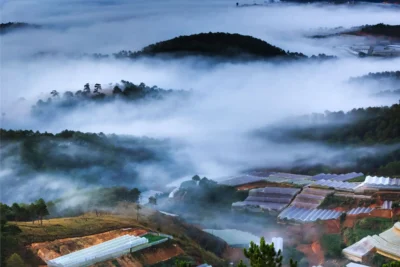
Da Lat is worth the detour when the highland atmosphere is part of what you want from the trip. Tuyen Lam Lake, Crazy House, pine-covered roads and garden areas give you more variety than a single “Instagram spot”.
Flowers are seasonal, and commercial gardens change displays over time. Check what is actually in bloom before traveling across town for a saved photo. The city is better approached as a cool-weather destination with several photo opportunities, not as a checklist of themed gardens.
Ho Chi Minh City: architecture, cafés and street scenes
Ho Chi Minh City is useful for Filipino travelers who want photo stops without adding a side trip. The Central Post Office, Nguyen Hue walking street, older apartment blocks, cafés and neighborhood streets can all fit into a normal sightseeing day.
The advantage here is efficiency: you can combine architecture, food and coffee inside one urban route. If a building is under restoration or access is limited, move to the next nearby stop instead of crossing the city for a replacement photo.
Mui Ne and Phu Quoc: add them only if the destination fits the trip

Mui Ne is strongest for the White Sand Dunes, Red Sand Dunes and the contrast between dry landscapes and the coast. The dunes are more convincing as part of a Mui Ne stay than as a rushed photo run from another city.
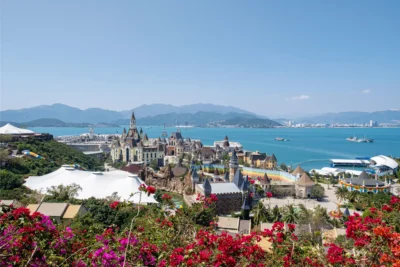
Phu Quoc works when beaches and sunset are already central to the holiday. Sunset Town and Kiss Bridge add designed architecture to the island, but weather and cloud cover still matter if sunset is the reason you are going.
How many photo stops should you plan on a short trip from the Philippines?
| Trip length | Photo-friendly approach |
| 3–4 days | Stay in one city or one compact region. Hanoi + Ninh Binh or Da Nang + Hoi An works better than adding a domestic flight for one famous photo. |
| 5–6 days | Use one main region and one side trip. In the North, choose Ninh Binh, Sapa or Ha Long based on what you actually want to experience. |
| 7–8 days | You can consider a second region, but only if the travel time still leaves enough time to enjoy both places. Do not stack destinations just because each has one viral viewpoint. |
| Longer trips | Build the route around destinations first, then add photo stops inside each stay. |
If your leave dates are tied to Philippine holidays, the Vietnam long-weekend guide for Filipinos is a better place to decide how much route you can realistically fit.
Which photo spots are most sensitive to weather?
Mountain viewpoints, cruises, beach sunsets and exposed climbs change the most when the weather turns. Fansipan, Ha Long Bay, the Golden Bridge, Mua Cave and island sunsets are all better treated as weather-dependent experiences rather than guaranteed shots.
For seasonal planning, check Best Time to Visit Vietnam from the Philippines. If rain arrives while you are already traveling, the Vietnam rainy-day guide for Filipino travelers gives you practical alternatives.
Simple photography tips that matter more than hashtags

- Use softer light: early morning and late afternoon are usually easier than harsh midday sun, but cloud can be useful for portraits and architecture too.
- Plan for crowds: arrive earlier when a famous viewpoint matters, but accept that major attractions are public places, not private sets.
- Keep the route efficient: a good photo stop near your existing sights is usually more valuable than spending hours in traffic for one saved image.
- Ask before close portraits: especially in markets, villages and workplaces.
- Respect restricted areas: railway lines, religious sites, viewpoints and drone zones can have local rules that change. Follow current signage and staff instructions.
Choose the route first, then the photo stops
The most photogenic Vietnam trip is not necessarily the one with the longest list of famous viewpoints. For Filipino travelers with limited leave, Hanoi + Ninh Binh and Da Nang + Hoi An give you a strong mix of recognizable places without turning the holiday into a series of transfers. Add Sapa, Ha Long Bay, Da Lat, Mui Ne or Phu Quoc when you genuinely want the destination itself.
If you are still deciding which regions fit your number of days, compare our Vietnam tour packages from the Philippines by route length first. Once the route makes sense, it is much easier to choose the photo stops that belong naturally inside it.

Recommended Tours

Group Tour
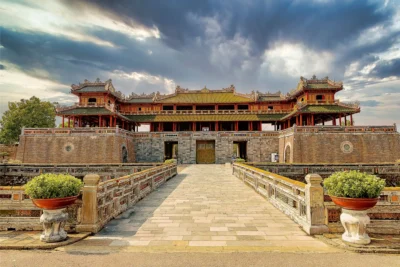
Hanoi – Sapa – DaNang 8 Days 7 Nights
Hanoi - City Tour - Sapa- Cat Cat Village - Moana Cafe - Fansipan - Muong Hoa Train - Ninh Binh - Tam Coc - Halong Bay - Da Nang - Hoi An Ancient Town - Bana Hills - Golden Bridge

Group Tour
Vietnam – Joining Group Tour 12 Days
Ha Noi City Tour - Ninh Binh - Halong Bay Overnight On Cruise - Hue - Hoi An Eco Tour - Ho Chi Minh City - Cu Chi Tunnels - Mekong Delta
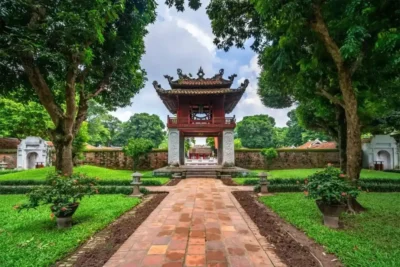
5D4N DISCOVER HANOI – HALONG (DAY CRUISE) – TAM COC (SEAT IN COACH)
Group Tour
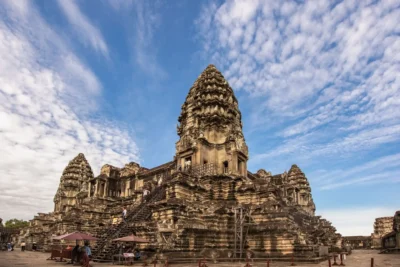
Hanoi – Ho Chi Minh – Siem Reap 8D7N
Hanoi - Ninh Binh - Halong Bay Overnight On Cruise - Ho Chi Minh - Cu Chi Tunnels - Siem Reap - Angkor Wat Full Day