

If you want a simple first taste of coffee in Vietnam, start with cà phê sữa đá. If you prefer less sweetness, try black iced coffee; in Hanoi, egg coffee is worth trying once; in Hue, salt coffee is the local specialty; and coconut coffee is an easy choice in hot weather. You do not need to hunt down a famous café in every city—pick the drink you are curious about, then stop somewhere that fits the neighbourhood you are already exploring.

What makes coffee in Vietnam taste different?
Vietnamese coffee often tastes stronger and more bitter than the milder café drinks many first-time visitors expect, especially when it uses a dark-roasted Robusta-heavy blend. Condensed milk changes that quickly, which is why cà phê sữa đá can taste both intense and very sweet. Modern cafés also serve Arabica, espresso and lighter roasts, so there is no single “Vietnamese coffee taste”.
What do cà phê đen, cà phê sữa and đá mean?
On a simple Vietnamese menu, cà phê đen is black coffee, cà phê sữa has condensed milk, and đá means iced. If the standard milk coffee is sweeter than you like, ask for ít sữa (less milk) or ít đường (less sugar).
Phin coffee also arrives more slowly than an espresso because the water drips through the metal filter. If you are sensitive to caffeine, start with one drink and see how it feels before ordering another. For the brewing method, beans and coffee-growing regions, see the Vietnamese Coffee Culture Guide.
Which Vietnamese coffee should a Filipino traveller try first?
Choose by the style you already enjoy rather than trying to collect every famous drink:
Iced coffee with condensed milk
Good starting point if: you like sweet, strong iced coffee. Ask for less milk if you want the coffee flavour to come through more clearly.
Black iced coffee
Good starting point if: you normally drink coffee without milk and want to understand the roast or blend more directly. Strength varies by café.
Egg coffee
Good starting point if: you want a dessert-like drink in Hanoi. The whipped topping can be rich, so one shared cup may be enough after a meal.
Salted coffee
Good starting point if: you enjoy sweet-salty desserts. It is strongly associated with Hue, although versions are now available in many cities.
Coconut coffee
Good starting point if: you want a cold, creamy café drink in hot weather. Some versions are closer to a blended dessert than a traditional phin coffee.
If you want the background on phin brewing, Robusta, growing regions and how coffee became part of everyday life in Vietnam, see the Vietnamese Coffee Culture Guide. Otherwise, pick a drink that sounds good and try it where it naturally fits your day.
What kind of café should you choose?

Traditional or pavement café
Best when you want a quick phin or iced coffee close to the neighbourhood you are already exploring. Seating and menu depth may be simple.
Specialty roaster
Useful when bean origin, lighter roasts, pour-over or espresso technique matters. Prices are usually higher than at a simple neighbourhood café.
Rooftop or scenic café
Choose this for the view or a longer break, not because the drink is automatically better. Check minimum spend, opening hours and weather where relevant.
Café with desserts
A good choice when someone wants coffee and someone else wants chè, cake or another sweet. It also gives you an easy afternoon break without planning a second stop just for dessert.
Where to enjoy coffee in Hanoi, Ho Chi Minh City, Da Lat and Hue
You can find good coffee in all four cities, but the drinks and setting change. There is no need to add a destination just for coffee—try what belongs naturally to the city you are already visiting.
Hanoi: egg coffee and Old Quarter cafés
If egg coffee is on your list, Hanoi is the obvious place to try it. A café stop fits easily around Hoan Kiem Lake, the Old Quarter or the French Quarter, so you rarely need to cross the city just for one cup.
Ho Chi Minh City: street coffee and modern roasters
Ho Chi Minh City gives you everything from tiny street-side coffee stalls to specialty roasters and polished café spaces. Pick one near the district you are already exploring instead of spending a long ride chasing a viral address.
Da Lat: cooler weather, cafés and nearby coffee farms
Da Lat is a good place for a slower café afternoon, especially if you enjoy garden cafés or want to see where some Vietnamese coffee is grown. A farm or processing visit is worth adding only if coffee production itself interests you.
Hue: the place to try salt coffee
If Hue is already on your itinerary, cà phê muối is the drink to look for. Try it between heritage stops or after lunch rather than planning the whole day around one café.
Vietnamese desserts and café snacks to try alongside coffee

Filipino travellers sometimes use halo-halo as a reference point when they first see chè, because both can combine beans, jelly, coconut milk, fruit or crushed ice. They are not the same dish, but the comparison can make an unfamiliar menu easier to read.
Chè covers many different sweet soups, puddings and iced desserts. Bánh da lợn, bánh bò and modern café desserts create other options when the group wants something sweet without adding another full meal. Choose by what is available near the day’s route rather than trying to collect one “must-eat” dessert in every city.
How to order coffee without overcomplicating it
- Cà phê sữa đá: iced coffee with condensed milk.
- Cà phê đen đá: iced black coffee; sweetness depends on the café.
- Ít sữa / ít đường: less milk / less sugar.
- Mang đi: takeaway.
- Caffeine sensitivity: ask what coffee base and serving size the café uses, especially if you are unsure how strong the drink will be.
You do not need to “order like a local” to have a good experience. Pointing to the menu, confirming hot versus iced and asking about sweetness usually solves most first-time ordering problems.
Practical café etiquette
- Payment may happen when ordering or at the end; follow the venue’s system.
- Ask before bringing outside food into a café.
- Small cafés may use shared tables or closely spaced seating at busy times.
- If you want photos of staff, food preparation or private interiors, ask first.
- Takeaway is common in many cities, so staying for a long café session is optional rather than expected.
Why coffee prices vary so much

A small neighbourhood café is usually cheaper than a specialty roaster, hotel café or rooftop venue, but there is no single useful price for “coffee in Vietnam”. Check the menu when you arrive and decide whether you are paying mainly for the drink, the view, the location or a longer place to sit.
A cheap cup stops feeling cheap if you spend a long ride getting to it. In Hanoi and Ho Chi Minh City, a good café near the places you are already visiting is usually a better choice than crossing town for one famous address.
How to fit cafés into a sightseeing day
Hanoi
Morning phin or egg coffee near the Old Quarter → heritage sights → lunch → one modern café or dessert stop later in the day. Keep the café choices inside the historic-core route.
Ho Chi Minh City
Breakfast or morning coffee near the hotel → historical core or Cholon → afternoon neighbourhood café → dinner in the same part of the city. Avoid crossing districts only for a viral address.
Da Lat
Use one scenic or garden café as part of a countryside or lake day. Add a farm or processing visit only when coffee production itself is a real interest.
Keep it flexible. Opening hours change, traffic can be slow, and sometimes the café you notice on the way is more enjoyable than the one you saved before the trip.
Try the coffee that fits the city you are in
You do not need a separate coffee itinerary. Try egg coffee when you are in Hanoi, salt coffee in Hue, modern roasters or street coffee in Ho Chi Minh City, and a slower café afternoon in Da Lat. The best stop is often the one that fits naturally into the day.
If you are still deciding which cities to combine, our Vietnam tour packages from the Philippines can help you compare trip lengths before you settle on the route.

Recommended Tours

Group Tour
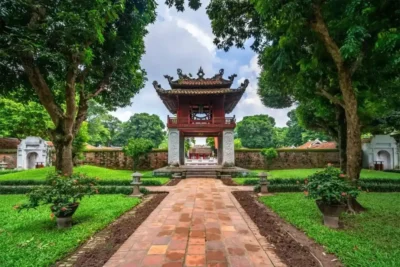
Hanoi – Danang – Ho Chi Minh – Siem Reap 11D10N
Hanoi - Ninh Binh - Halong Bay Overnight On Cruise - Danang - Hoi An Ancient Town - Bana Hills - Golden Bridge - Ho Chi Minh - Cu Chi Tunnels - Siem Reap - Angkor Wat


Group Tour
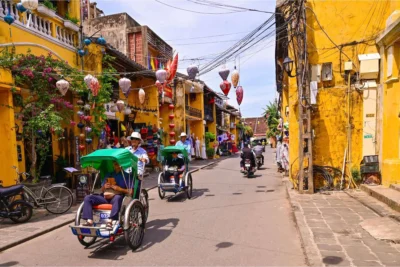
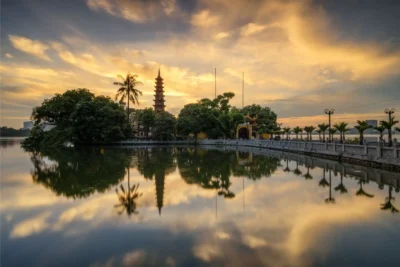
Hanoi, Ha Long Bay, Da Nang & Hoi An 5 Days 4 Nights Tour
Hanoi Arrival - Hanoi City Tour - Ha Long Bay Day Cruise - Fly to Da Nang - Coconut Jungle - Hoi An Ancient Town - Ba Na Hills - Golden Bridge - Departure

Private Tour
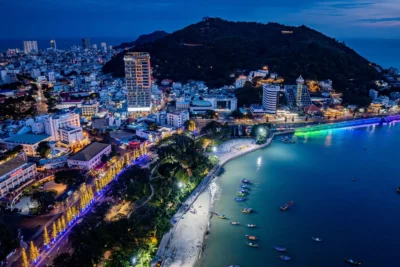
Ho Chi Minh – Cu Chi Tunnels – Vung Tau Beach 4D3N
Ho Chi Minh - Cu Chi Tunnels - Vung Tau

Private Tour
Vietnam And Cambodia Discovery 18D17N
Hanoi - Ha Giang (The Far North) - Halong Bay - Hoi An - Hue - Ho Chi Minh City - Mekong Delta - Siem Reap (Angkor)

Private Tour
Ho Chi Minh City - Mekong Delta - Hoi An - Hue - Hanoi - Sapa - Halong Bay