

If this is your first trip to Vietnam, start with a few dishes that are easy to find almost anywhere: phở, bánh mì, gỏi cuốn and cơm tấm. From there, try the food that belongs to the places on your route—bún chả in Hanoi, cao lầu in Hoi An, bún bò Huế in Hue or hủ tiếu in the South.
What will feel familiar to Filipino travellers?
Rice, pork, chicken, seafood, broth and fish sauce are common in both Vietnamese and Filipino cooking, so the ingredients may not feel completely unfamiliar. The flavour is still different: Vietnamese dishes often use more fresh herbs, rice noodles, pickled vegetables and lighter dipping sauces.
If you prefer to ease into the cuisine, begin with a rice dish, a noodle soup, a sandwich and fresh spring rolls before moving on to stronger fermented sauces or spicier regional dishes.
If you have food allergies or strict dietary restrictions, learn the Vietnamese name of the ingredient you need to avoid and confirm it when ordering. Do not rely on appearance alone, because sauces and broths can contain ingredients that are not obvious from the plate.
Four easy first dishes to try

These four are easy starting points because they cover very different parts of everyday Vietnamese food: noodle soup, bread, fresh rolls and rice. Try them where they fit naturally into the day rather than crossing a city just because one shop is famous online.
Pho (Phở)
Phở combines rice noodles with an aromatic broth and is served in regional styles that differ in seasoning, garnish and sweetness. Try it early in the trip, then compare how the bowl changes between Hanoi and Ho Chi Minh City rather than looking for one restaurant that is permanently “the best.”Banh Mi (Bánh Mì)
Bánh mì uses a crisp baguette with fillings that vary widely by city and vendor: pâté, cold cuts, grilled meats, egg, pickles, cucumber and herbs are all common possibilities. Check the filling before ordering if you avoid a particular meat or ingredient, and compare local versions rather than treating one famous shop as the only worthwhile stop.Goi Cuon
Gỏi cuốn are fresh rice-paper rolls commonly filled with herbs, vermicelli and combinations such as shrimp or pork, with dipping sauces that vary by vendor. They are a useful contrast to fried snacks because the texture comes from fresh herbs, rice paper and the filling rather than a crisp coating.Com Tam
Cơm tấm is broken rice commonly served with grilled pork and accompaniments such as egg, shredded pork skin or steamed egg cake, depending on the shop. It is especially associated with Ho Chi Minh City and works well when you want a straightforward rice-based meal rather than another bowl of noodles.What to eat in each part of Vietnam
Food changes noticeably as you travel through Vietnam, but there is no simple rule that describes every meal in a region. It is more useful to look at the dishes you are likely to meet in the places already on your itinerary.
Hanoi and the North
In Hanoi, look out for bún chả, bánh cuốn and chả cá alongside phở. If your trip continues into the mountains, expect the food to change again because local ingredients and cooking traditions are different from the capital.
Hue, Hoi An and Central Vietnam
In Central Vietnam, bún bò Huế, cao lầu and mì Quảng are three good dishes to look for. Some versions can be spicy or use fermented sauces, so ask before ordering if either of those is a concern.
Ho Chi Minh City and the South
In Ho Chi Minh City and the South, cơm tấm, hủ tiếu, bánh xèo and seafood or ốc are common places to start. The style varies a lot by neighbourhood and restaurant, so try what fits the area you are already exploring.
If you want a longer list before deciding what sounds good, see Vietnamese Dishes to Try. Once you know your route, the city-specific food guides below can narrow the choices further.

How to approach street food in Vietnam
Street food is part of everyday eating in Vietnam, but you do not need to try every busy stall you pass. Start with food that is cooked to order, served hot when it should be hot and prepared in a setup that looks clean enough for you to feel comfortable.
A busy stall can be a good sign because ingredients are moving quickly, but it is not a guarantee. Look at how raw and cooked food are handled, and skip a place if the storage or preparation area makes you uneasy.
At a market, ordering one small portion first is an easy way to see what you are getting. Carry some Vietnamese dong for small vendors, but payment methods vary, so ask rather than assuming every stall is cash-only.
Vietnamese desserts to try after a meal
If you already enjoy coconut milk, mung beans, jackfruit or other tropical fruit in the Philippines, some Vietnamese desserts may start with familiar ingredients even though the texture and sweetness are different. It is worth trying a small portion first and seeing what you like.
Chè is a broad dessert category rather than one recipe. Depending on the shop, it may combine beans, grains, jellies, fruit, coconut milk or other ingredients and may be served hot or cold. Steamed cakes such as bánh da lợn or bánh bò create a different texture and work well as smaller snack stops.
If coffee and desserts are a big part of your trip, the Vietnam coffee, cafés and dessert guide for Filipino travellers has more ideas for what to order and where those drinks and sweets fit into the day.
Keep ordering and payment simple
You do not need to “order like a local”. A few short phrases can help with the bill, spice level or sugar preference, while pointing to a menu photo and confirming ingredients is often just as useful.
- Tính tiền: bill, please.
- Không cay: not spicy.
- Ít đường: less sugar.
- Ăn chay: vegetarian eating; still confirm ingredients if your requirements are strict.
- Payment: methods vary by venue. Carry some Vietnamese dong for small vendors, but do not assume every stall is cash-only or that cards/QR payments will work everywhere.
If you have a serious food allergy or need strict cross-contact control, choose places where staff can discuss ingredients and preparation clearly. For a deeper look at street-food venues, ordering and hygiene, see our Street Food in Vietnam guide.
If you already know which city you are visiting
You can narrow the food list quickly once you know the route. Hanoi, Ho Chi Minh City and the Central region each have dishes that are easier to find locally than elsewhere.
See Best Food in Hanoi for local dishes and meal ideas around the city.
See Best Food in Ho Chi Minh City for district-based food ideas.
Plan meals around the places you are already visiting

A food-focused day works better when meals follow the sightseeing route rather than a fixed clock. One breakfast or early meal, one regional main meal, a café or dessert break and one evening food stop is usually enough variety without turning the day into continuous eating.
Hanoi
Keep breakfast or lunch close to the part of Hanoi you are already exploring, such as the Old Quarter, Hoan Kiem or Ba Dinh. That makes it easier to try a local dish without turning the meal into a separate cross-city trip.
Ho Chi Minh City
Plan meals by district because crossing the city can take longer than expected. Pick a dish near the places you are already visiting rather than building the day around one restaurant on the other side of town.
Central Vietnam
If Hue, Hoi An or Da Nang is already on the itinerary, try the local dishes there rather than adding a long detour for one restaurant. The food is part of the stop, not a reason to make the route harder.
A few things that make food days easier
Save a few food ideas near the places you are already visiting, keep some small VND notes for simple purchases, and note the Vietnamese name of any ingredient you need to avoid.
Opening hours and menus change, especially for small shops. Check the latest listing before crossing the city for one specific meal.
If a cooking class, food tour or special dinner matters to you, book it once the route is settled. For the rest of the trip, leaving a few meals unplanned makes it easier to follow recommendations you discover after arrival.
You do not need to try everything in one trip
Start with a few dishes you are curious about, then let each city add something different. If you are still choosing between regions, our Vietnam tour packages from the Philippines can help you compare route lengths before you plan the food stops around them.

Recommended Tours

Group Tour
Hanoi – Sapa – Danang – Ho Chi Minh 10D9N
Hanoi - Sapa - Fansipan Peak - Ninh Binh - Halong Bay Overnight On Cruise - Danang - Hoi An Ancient Town - Bana Hills - Golden Bridge - Ho Chi Minh - Cu Chi Tunnels - Mekong Delta


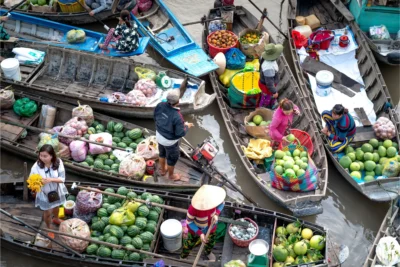
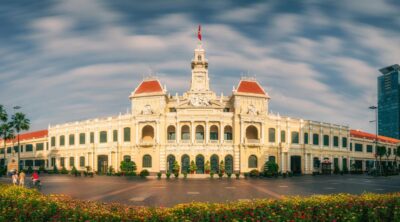
Private Tour
Ho Chi Minh – Cu Chi Tunnels – Mekong Delta 4D3N
Ho Chi Minh - Cu Chi Tunnels - Mekong Delta
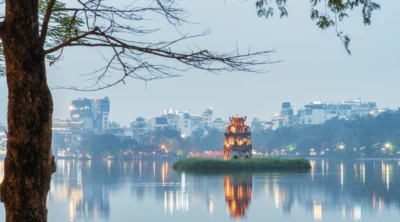

Private Tour
Vietnam Highlights 7 Days 6 Nights Tour
Hanoi Arrival - Hanoi City Tour - Ha Long Bay Day Cruise - Fly to Da Nang - Coconut Village - Hoi An Ancient Town - Ba Na Hills - Golden Bridge - Fly to Ho Chi Minh City - Cu Chi Tunnels - Mekong Delta - Departure

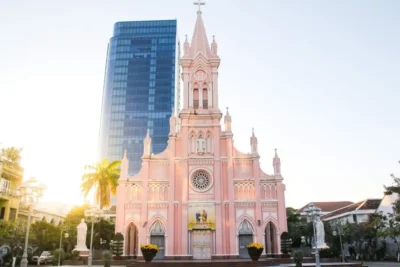
5D4N DELIGHT DANANG TOUR (DANANG – BA NA HILL FRENCH VILLAGE – HOI AN – HUE CITY) (SEAT IN COACH)

Private Tour
Vietnam Panorama Discovery 16D15N
Ho Chi Minh - Cu Chi Tunnels - Mekong Delta Tour - Can Tho - Da Lat - Nha Trang - Hoi An - Da Nang - Hue - Hanoi - Halong Bay Overnight On Cruise