
Muslim travelers can find suitable food in many popular parts of Vietnam, but the level of choice changes sharply from one destination to another. Ho Chi Minh City, Hanoi and Da Nang are easier to plan around; smaller destinations need more preparation. The important distinction is that vegetarian, seafood-only or pork-free does not automatically mean halal. If halal compliance matters to you, check the restaurant’s current certification, sourcing or preparation practices before you build a meal plan around it.
Is Halal food easy to find in Vietnam?
Vietnam is not a predominantly Muslim country, so halal restaurants are less widespread than they are in Malaysia. However, major tourism centers receive visitors from Malaysia, Indonesia and other Muslim markets, and halal dining options can be found in several of the country’s most visited cities.
The experience differs by destination.
| Destination | Halal Planning | Practical Approach |
| Ho Chi Minh City | Easier | Several options; verify current halal status |
| Hanoi | Relatively easy | Plan restaurants around sightseeing areas |
| Da Nang | Relatively easy | Good base for Central Vietnam |
| Hoi An | Moderate | Check options before a day/evening visit |
| Phu Quoc | Moderate | Identify restaurants near your accommodation |
| Nha Trang | More planning | Save suitable restaurants in advance |
| Da Lat | More planning | Confirm meals before arrival |
| Sapa | More planning | Plan around your hotel and daily excursions |
The more useful question is not simply whether halal food exists in Vietnam, but whether suitable meals will be convenient along your route. That matters much more on a multi-city holiday, where a restaurant can be available in the destination but still be impractical for your hotel or day-trip schedule.
Halal food in Ho Chi Minh City
Ho Chi Minh City is one of the most practical starting points for Muslim travelers visiting Vietnam.
Its international visitor base means travelers can find Vietnamese, Malaysian, Indian and Middle Eastern dining options, among others. Staying in a central area can also make it easier to coordinate meals with sightseeing.
If experiencing Vietnamese dishes is important to you, look specifically for restaurants serving halal Vietnamese cuisine rather than assuming that every local restaurant can adapt its menu.
Shortlist restaurants around the areas you will actually visit and recheck their status close to your travel date. For specific options and neighbourhood planning, use our Halal Food in Ho Chi Minh City guide rather than treating every central dining area as equally convenient.
Halal food in Hanoi
Hanoi combines some of Vietnam’s most recognizable food culture with access to Halong Bay, Ninh Binh and Northern Vietnam.
Halal choices exist, but Muslim visitors should plan their meals rather than relying entirely on spontaneous street-food stops.
This does not mean you need to miss Vietnamese flavors. Instead, identify appropriate restaurants before the day begins, then build sightseeing around locations where you know you can eat comfortably.
See our Halal Food in Hanoi guide for city-specific options and planning advice.
Halal food in Da Nang and Hoi An
Da Nang is a useful base for Muslim travelers exploring Central Vietnam. From here, visitors can combine beaches and city attractions with Hoi An and, on longer itineraries, Hue.
Our Halal Food in Da Nang guide can help you identify suitable meal options before arranging your sightseeing schedule.
Hoi An usually needs a little more planning, especially if you are visiting only for an afternoon and evening. Check your dining options before leaving Da Nang so you do not spend your limited time searching after you arrive.
Be especially careful not to treat “vegetarian” or “no pork” as the same thing as halal. If a restaurant matters to your meal plan, verify what it actually provides before building the evening around it.
What changes in Nha Trang, Da Lat and Sapa?
These destinations are still workable for Muslim travelers, but food planning becomes more dependent on your hotel location and daily route than it is in the larger hubs.
| Destination | Main planning issue | Practical approach |
| Nha Trang | Resort areas and excursion days can place you far from the restaurants you saved. | Keep more than one option and check the day’s geography before choosing where to eat. |
| Da Lat | Highland sightseeing can take you outside the centre for long periods. | Check restaurant locations against the hotel and arrange meals before longer excursions. |
| Sapa | Trekking and village days often keep you away from Sapa town. | Discuss meal arrangements with the hotel or guide before departure and verify any halal claim that matters to you. |
In all three places, a suitable restaurant can exist in the destination and still be inconvenient for the day you have planned. Timing and location matter as much as the restaurant list.
What about Halal food in Phu Quoc?
Phu Quoc can work for Muslim travelers who want to add a beach stay, but restaurant convenience depends partly on where you stay. Before choosing a resort, consider nearby dining options as well as the beach and hotel facilities. A beautiful property far from suitable restaurants may create unnecessary transport every time you need a meal.
Before choosing accommodation, check suitable meal options near the hotel, transport after dark and how dining fits any full-day island or boat programme. Our Halal Food in Phu Quoc guide goes into the island-specific options and location trade-offs.
Halal, Muslim-friendly and pork-free are not the same
This distinction is worth checking before you choose a restaurant. Vegetarian food is not automatically halal; seafood dishes can still involve ingredients or preparation methods that do not meet your requirements; and “no pork” does not by itself tell you how meat was sourced or food was prepared.
| What the restaurant says | What to check |
| Halal / halal-certified | Ask whether the certification or claim is current and what it covers. |
| Muslim-friendly | Ask about meat sourcing, ingredients, alcohol in cooking and preparation practices. |
| Vegetarian / seafood / no pork | Do not treat the label alone as proof that the meal meets your halal requirements. |
If you need more certainty before eating, ask the restaurant directly:
- Is the restaurant currently halal-certified, and by which body?
- If it is not certified, what exactly does the restaurant mean by “halal” or “Muslim-friendly”?
- Is the meat halal-sourced?
- Is alcohol used in cooking?
- Are cooking utensils or preparation areas shared with non-halal food?
Different Muslim travelers apply different levels of verification, so the goal of this guide is not to make a religious ruling for you. It is to give you enough information to make your own informed dining decisions.
How to plan a Halal-friendly Vietnam itinerary?
Food planning should happen at the same time as route planning—not after your hotels and transport are already booked. For a first trip, a route centered on Hanoi, Da Nang or Ho Chi Minh City is generally easier to organize than an itinerary containing several smaller destinations.
If you want Sapa, Da Lat or Nha Trang, first check whether suitable dining options work with your accommodation and daily schedule. Travel time matters too. A restaurant may appear close on a map but be inconvenient when your sightseeing finishes in another part of the city.
If you also need to plan prayer stops, hotel questions and full-day excursions—not just meals—continue with our Muslim-Friendly Vietnam Travel Guide. Keeping those wider travel decisions separate lets this page stay focused on food.
Practical tips for Muslim travelers in Vietnam
Save several dining options rather than relying on one restaurant. Check recent opening information shortly before visiting, because restaurant details can change. When booking accommodation, consider food access as part of location – not only proximity to attractions.
For day tours, cruises or trips into rural areas, ask about meals before confirming. Explain your requirements clearly rather than using “no pork” as a substitute for halal if that does not meet your needs.
It can also help to keep the names and addresses of suitable restaurants saved offline, particularly when travelling between cities. Most importantly, build some flexibility into the itinerary. Meals are much easier to manage when they are treated as part of the route rather than something to solve at the last minute.
FAQs
Can Muslims find halal food in Vietnam?
Yes. Halal dining options can be found in several major Vietnamese destinations, particularly cities popular with international visitors. Availability varies, so research each stop before traveling.
Which Vietnam cities are easiest for halal food?
Ho Chi Minh City, Hanoi and Da Nang are useful starting points because Muslim travelers have more dining options to investigate. Smaller destinations generally require more advance planning.
Is Vietnamese street food halal?
Do not assume so. Ingredients, meat sourcing, sauces and preparation methods can matter. If you require halal food, verify before eating rather than judging a dish only by whether it visibly contains pork.
Is vegetarian food in Vietnam automatically halal?
No. Vegetarian and halal describe different requirements. Travelers concerned about halal compliance should still check ingredients and preparation practices.
Can I visit Hoi An, Nha Trang, Da Lat or Sapa as a Muslim traveler?
Yes, but meal planning becomes more important. Research suitable restaurants and coordinate meals with your hotel, excursions and transport before arrival.
Conclusion
Vietnam can offer Muslim travelers a varied holiday – from Hanoi and Sapa in the north to Hoi An and Da Nang in Central Vietnam, and Ho Chi Minh City or Phu Quoc farther south.
The easiest approach is to choose your route first, identify where halal meals are readily available, and make arrangements in advance for the destinations where choices are more limited.
If you have reached the stage where your dates and destinations are already taking shape, you can compare Vietnam tour packages from Malaysia that can be adapted around your route and Muslim-friendly travel requirements. That way, halal dining becomes part of a well-planned Vietnam journey rather than something you need to solve at every mealtime. For a practical comparison, look at the Da Nang–Hoi An 4D3N joining tour and Saigon–Mekong 4D3N joining route; the restaurant and prayer-stop arrangements are different for day trips versus hotel-based sightseeing. Tell ITG the travel dates, arrival city, group size and whether you require verified halal certification via Plan Your Holiday, so suppliers can confirm meals and ground services in writing. No attraction or package is automatically halal-certified.

Recommended Tours

Hanoi – Ha Long Overnight Cruise – Sapa 6D5N Group Tour
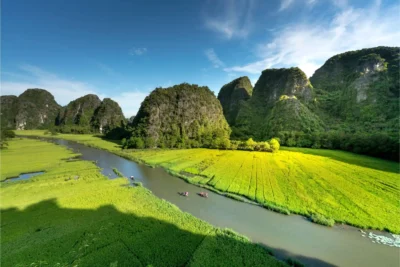
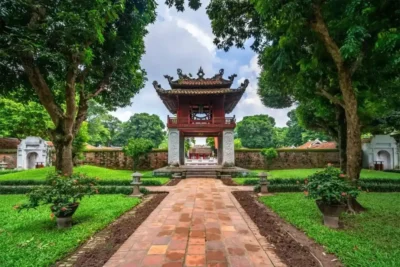
Hanoi, Ha Long Bay Day Cruise & Tam Coc 5D4N Group Tour
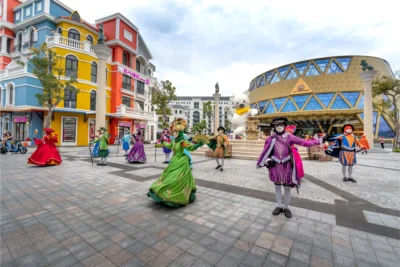
Private Tour
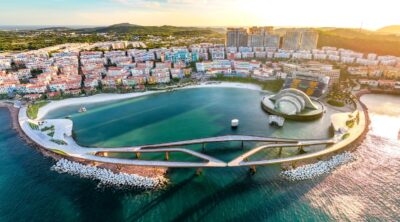
Phu Quoc 4D3N: Southern Sights & Shared Island Boat
Phu Quoc - Sao Beach - Coconut Prison - Snorkeling - Souvernir Shopping
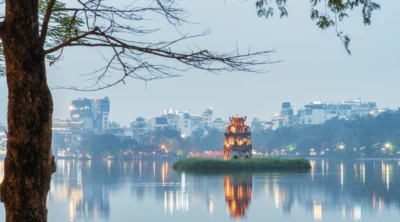

Private Tour
Vietnam Highlights 7 Days 6 Nights Tour
Hanoi Arrival - Hanoi City Tour - Ha Long Bay Day Cruise - Fly to Da Nang - Coconut Village - Hoi An Ancient Town - Ba Na Hills - Golden Bridge - Fly to Ho Chi Minh City - Cu Chi Tunnels - Mekong Delta - Departure
Group Tour
Hanoi – Sapa – Ha Long Bay 5D4N Group Tour (Day Cruise)
Hanoi Arrival - Hanoi City Tour - Sapa - Cat Cat Village - Fansipan Mountain - Return to Hanoi - Ha Long Bay Day Cruise - Departure
Group Tour
Da Nang – Hoi An – Phu Quoc 6D5N Tour (Flight Excluded)
Da Nang Arrival - Coconut Basket Village - Hoi An Ancient Town - Ba Na Hills - Golden Bridge - Fly to Phu Quoc - Grand World - Sun World Hon Thom - Kiss Bridge - Vinpearl Safari - VinWonders - Phu Quoc Departure