

How should you use two weeks in Vietnam?
Fourteen days gives you enough time to connect North, Central and Southern Vietnam, but only if you keep the number of long transfers under control. The route should be built around usable days, not around a target number of famous stops.
| Route style | What it gives you | Main trade-off |
|---|---|---|
| North → Central → South | A straightforward cross-country structure when international flights support different arrival and departure cities. Use the Vietnam north-to-south itinerary when the direction itself is the main planning question. | Requires several long-distance moves, so each regional base needs enough nights to justify the transfer. |
| South → Central → North | Works just as well when your flights, weather or final northern plans suit that direction better. | Do not assume it is automatically cooler or easier at a particular time of year; check the regions on your actual dates. |
| Two-region route | More depth, fewer hotel changes and more room for a mountain, beach or countryside extension. | You deliberately leave one part of Vietnam for another trip. |
An open-jaw flight pattern can reduce backtracking, but compare the actual fare, baggage rules and domestic sectors before fixing the direction.
READ MORE: Vietnam Itinerary – The Complete Guide
A practical 14-day Vietnam route
The route below uses multi-night bases where possible and treats long transfers as part of the itinerary. It is a framework rather than a checklist; remove a section if mountains, beaches, food or slower travel matters more than covering the whole country.Days 1–7: Northern Vietnam
The first week works best when you choose either a compact lower-North route or a mountain-priority version. The sample below keeps Hanoi, Ninh Binh and a bay stay together because their sequence is easier to manage. If Sapa is the priority, replace one of those extensions rather than adding another long transfer.

- Days 1–2: Hanoi. Keep the first days compact around the historical core, food and neighbourhood time. If Train Street is part of the plan, follow the current access rules rather than building the day around guaranteed entry.
- Days 3–4: Ninh Binh. Use one main boat route plus countryside, a viewpoint or heritage stop according to weather and pace.
- Days 5–6: Ha Long Bay or Lan Ha Bay. Compare the actual cruise, embarkation point, cabin and activity programme instead of choosing only by bay name.
- Day 7: transfer/buffer day. Return toward Hanoi or connect onward to Central Vietnam without forcing another major sightseeing block into the same day.
Mountain alternative: If Sapa is one of the main reasons for the trip, give it a proper multi-night section and remove Ninh Binh or the bay rather than stacking all four northern stops into one week. Use the Sapa trekking guide when walking is the main priority.
Days 8–11: Central Vietnam
Fly south to Hue or Da Nang, then use the central section for heritage, food and the coast. Hue, Da Nang and Hoi An are close enough to combine, but changing hotels every night usually adds more friction than value.
- Day 8: Hue. Use the day for the Citadel and one or two additional heritage stops. A river trip can fit if the timing works, but it should not crowd out the history that justifies the stop.
- Day 9: Hue to Da Nang / Hoi An via Hai Van Pass. Use the pass when scenery and daylight are worth the extra road time; use the tunnel when the transfer needs to be more direct. Vehicle type should match comfort, weather and luggage rather than being fixed to a Jeep.
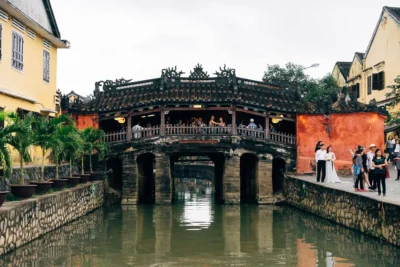
- Days 10–11: Hoi An. Protect at least one evening for the Ancient Town, then choose countryside, tailoring, food or beach time according to the traveller’s priorities. Tra Que and Cam Thanh are optional extensions rather than compulsory stops.
Days 12–14: Ho Chi Minh City and the south
Use Ho Chi Minh City as the final base, then decide whether the remaining time belongs to the city itself, Cu Chi or a Mekong Delta excursion. The international departure time should determine how ambitious the final day can be.
- Days 12 – 13: Ho Chi Minh City. Keep at least one full day for the city itself. Add Cu Chi only if the history stop matters enough to use a large part of another day; food and neighbourhood time can be planned around the hotel base rather than a fixed motorbike tour.
- Day 14: Mekong Delta only if the flight timing allows it. A Ben Tre or My Tho day still uses substantial road time from Ho Chi Minh City. Do not put a long Delta excursion before an international departure unless there is a safe transfer buffer; otherwise keep the final day in the city.
Route alternative — Quy Nhon: Quy Nhon can replace part of the central or south-central beach time when you want a city base, peninsula coast and Cham heritage. Give it its own nights rather than adding it as a quick detour.
Route alternative — Phu Yen: Phu Yen fits when you want a more dispersed coastal-road section around Tuy Hoa, Ganh Da Dia and separate north/south days. It also needs dedicated time rather than being squeezed between flights.
Three checks before you book a 2-week route
1. Check weather by region

North, Central and Southern Vietnam can have different conditions at the same time. Use the best time to visit Vietnam guide for the regional layer, then check the short-range forecast before weather-sensitive activities.
2. Match transport to the leg
Use road transfers where destinations connect naturally, rail where the timetable and journey add value, and domestic flights where they save enough usable time to justify the airport process. For city travel, keep more than one reputable taxi or ride-hailing option available.
For connectivity, compare current SIM, eSIM and roaming options for your device and route rather than assuming one network will be strongest everywhere. For entry rules, start with the Vietnam visa guide and confirm the requirement for your passport before paying for non-refundable arrangements.
3. Build the budget from the route
The biggest cost differences usually come from hotel category, domestic flights, cruise cabin, private versus shared transfers, guides and specialist activities. Compare those components instead of using one fixed daily USD figure for every traveller.
| Cost driver | What changes the total |
|---|---|
| Accommodation | City, location, room type, hotel category and travel dates. |
| Domestic transport | Current airfare or train fare, baggage, airport transfers and long private-road sectors. |
| Cruise / resort stays | Vessel or property, cabin or room category, meal plan and current availability. |
| Guided services | Private versus shared format, number of guided days and specialist activities. |
If you only have one week, use the 7-day Vietnam itinerary and reduce the number of regions rather than compressing this route.
When does coordinated planning help on a 14-day trip?
A two-week cross-country route has enough moving parts that one delayed flight or transfer can affect the next hotel, cruise or guided activity. Coordination becomes more useful when several booked services depend on one another.
If ITG is arranging those services, use the confirmed itinerary and contact details supplied with the booking when a delay or weather change affects the next step. For broader preparation beyond the route itself, continue with the Vietnam travel guide.
Use the extra week to slow the route, not multiply stops
A two-week Vietnam itinerary works when the transfer load matches your priorities. Cover all three regions only if the pace feels comfortable; otherwise remove one region and give the remaining stops more time.
Once the route shape is clear, compare our Vietnam Tour Packages as starting structures and adjust the hotel bases, pacing and inclusions around the trip you actually want.

Recommended Tours


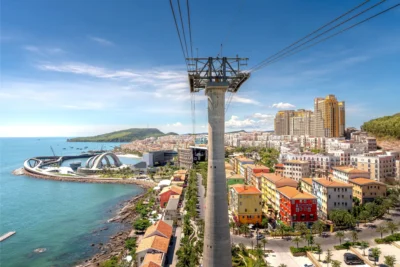
5D4N DELIGHT DANANG TOUR (DANANG – BA NA HILL FRENCH VILLAGE – HOI AN – HUE CITY) (SEAT IN COACH)

Group Tour
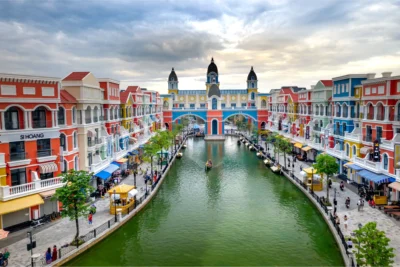
Phu Quoc Island 4 Days 3 Nights Group Tour
Phu Quoc Arrival - Grand World Tour - VinWonders Phu Quoc - Duong Dong Night Market - Sun World Hon Thom - Kiss Bridge - Phu Quoc Departure
Private
Phu Quoc 5D4N With Grand World
Phu Quoc - Grand World - Hon Thom Cable Car - 4 Island Tour - Aquatopia Water Park - Vin Wonders Theme Park - Vin Safari - Kiss Of The Sea Show

4D3N HIGHLIGHT OF MIDDLE OF VIETNAM (SEAT IN COACH)



Private Tour
Vietnam And Cambodia Discovery 18D17N
Hanoi - Ha Giang (The Far North) - Halong Bay - Hoi An - Hue - Ho Chi Minh City - Mekong Delta - Siem Reap (Angkor)