
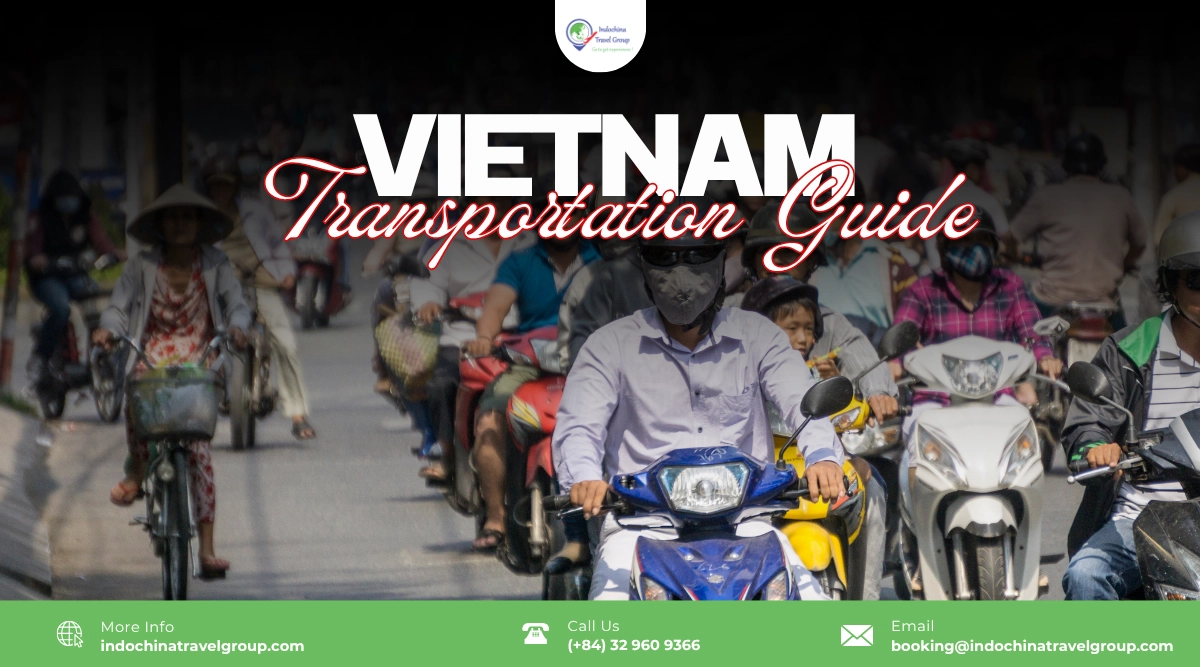
Vietnam transport: choose by distance and usable travel time
Vietnam is long enough that one transport mode rarely works for an entire trip. A useful route normally mixes two or three modes.
| Mode | Best used when | Main trade-off |
| Domestic flight | Long sectors between major regions or islands | Airport time, baggage rules and schedule changes |
| Train | Scenic coastal legs or overnight journeys where the timetable fits | Slower than flying and berth availability matters |
| Bus / limousine van | Routes without convenient rail service or medium-distance regional transfers | Comfort and travel time vary by operator and stops |
| Private car | Regional sightseeing, families, luggage-heavy travel or flexible stops | Higher cost than shared transport |
| Ride-hailing / taxi / local transit | Urban and last-mile journeys | Traffic can make short distances take longer than expected |
Check the current schedule for the exact travel date before building a day around any flight, train, bus or ferry.
From the airport to your first hotel
The first transfer is often the easiest place to remove uncertainty. Hanoi, Ho Chi Minh City and Da Nang all have several ways to reach the hotel, but the best choice depends on arrival time, luggage, group size and where the hotel is located.
| Option | Best for | What to check |
|---|---|---|
| Pre-arranged transfer | Late arrivals, families, larger groups or travellers who want the pickup fixed before landing | Meeting point, terminal, vehicle size and contact method |
| Official taxi | Simple point-to-point travel when the airport taxi rank is convenient | Use the official queue or clearly identified operator and confirm the hotel address |
| Ride-hailing | Travellers with mobile data who are comfortable finding the designated pickup zone | Airport pickup area, vehicle plate and app payment options |
| Airport bus / public transport | Light luggage and hotels close to a practical stop | Operating hours, final stop and the last-mile walk or ride |
Save the hotel name, address and phone number before landing. At large airports, the pickup zone can matter more than the distance itself, so follow the current terminal signage or the instructions supplied with a confirmed transfer. If you want mobile data ready for the first transfer, use the Vietnam SIM and eSIM guide to check device compatibility, setup and coverage before arrival.
Domestic flights: useful for long sectors, not automatically every trip
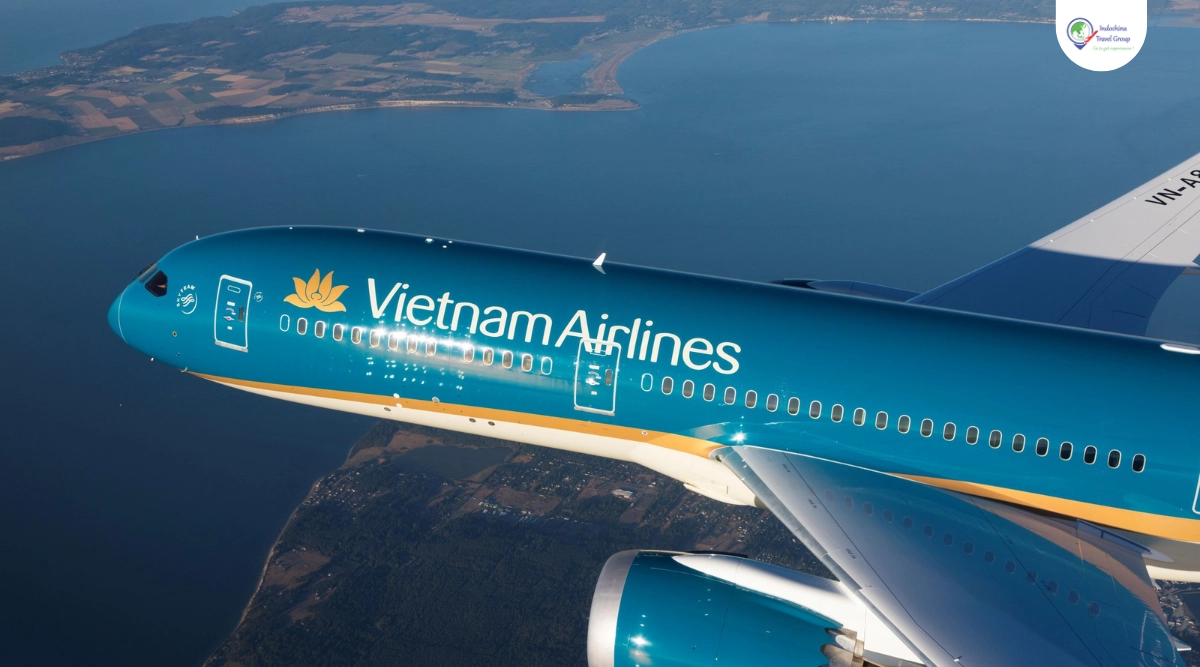
Flying is often the most practical way to connect distant regions such as Northern, Central and Southern Vietnam when holiday time is limited. It is not a requirement for every 10–14 day itinerary: a single-region trip or a route designed around rail can work without multiple flights.
- Compare the full hotel-to-hotel time, not just the flight duration.
- Check baggage allowance before comparing fares.
- Build in enough margin for airport transfer and check-in.
- Recheck the operating airline and schedule close to travel because domestic timetables can change.
For islands such as Phu Quoc or Con Dao, compare flight and ferry options according to the route you are already taking rather than assuming one is always superior.
Trains: choose them when the journey fits the itinerary
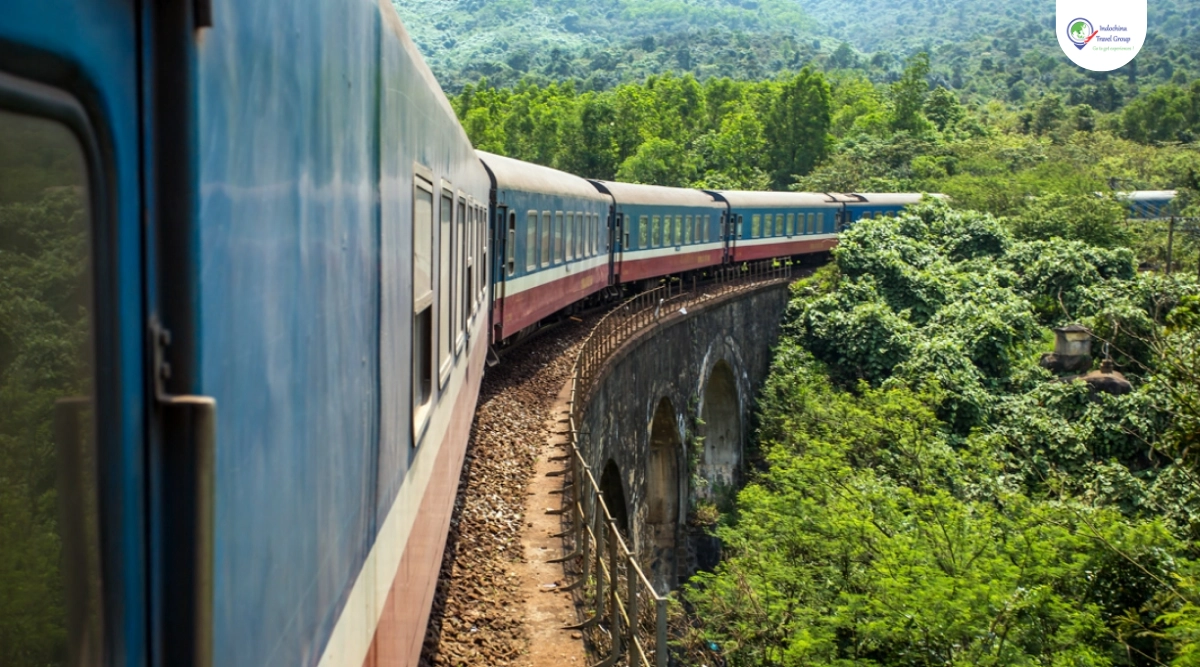
Vietnam’s north–south railway can be useful for travellers who value scenery, overnight travel or a break from airports. It is usually better to choose one or two suitable rail sectors than to assume the full Hanoi–Ho Chi Minh City journey is the best use of limited holiday time.
- Short scenic sectors: useful when the railway itself is part of the experience.
- Overnight sleepers: can save a hotel night, but sleep quality and berth type matter.
- Families or light sleepers: compare private cabin options or daytime trains before booking.
Use the current Vietnam Railways timetable or the operator shown on your ticket for departure times, berth classes and station details.
Intercity buses and limousine vans
Buses and vans are useful on routes that do not align well with the railway, including many mountain, coastal and regional connections. The quality difference between operators can be substantial, so compare the vehicle type, pickup point, drop-off point, number of stops and recent reviews.
- Choose a daytime service if overnight-bus sleep or road conditions are a concern.
- Confirm whether the pickup is a real station, hotel collection or roadside point.
- Allow extra time when a service makes multiple passenger pickups.
- Do not plan a tight international-flight connection immediately after a long bus journey.
Motorbikes, scooters and private cars
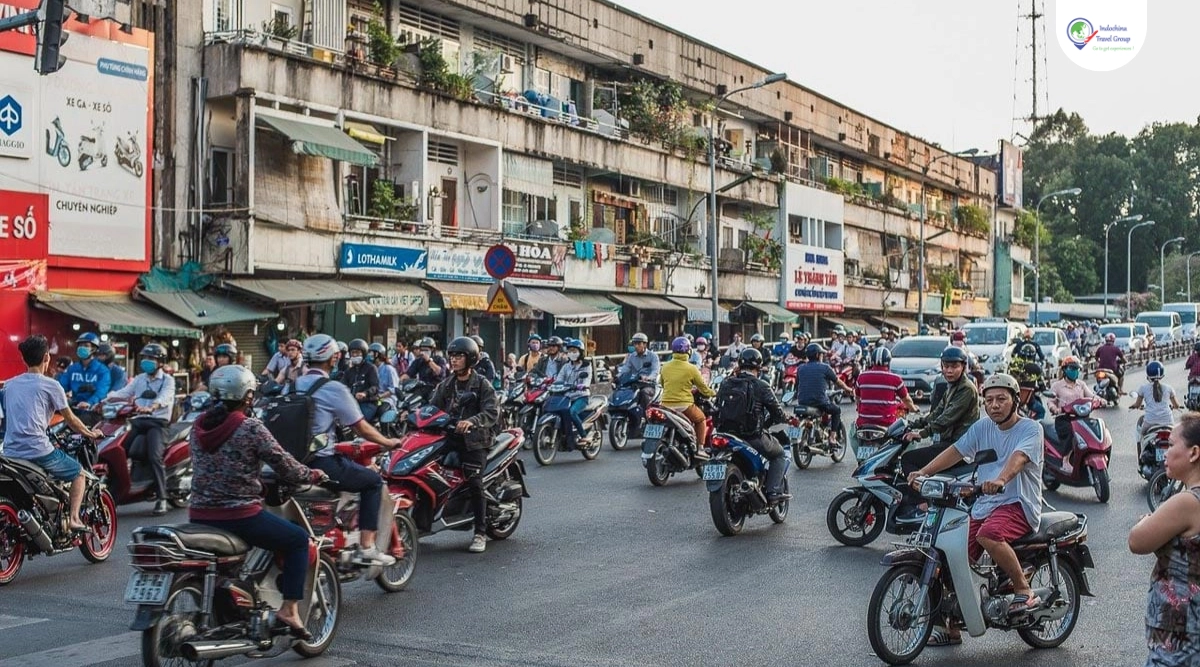
Motorbikes are a major part of daily transport in Vietnam, but self-riding is not a suitable default recommendation for visitors. Before riding, confirm that your licence or permit is valid for Vietnam, that the vehicle and helmet meet the required rules, and that your travel insurance covers the activity. If any of those points are unclear, use a car, taxi, ride-hailing service or professionally operated transfer instead.
A private car with driver can be useful for regional day trips, families, travellers with mobility needs or routes where you want to stop between cities. Self-drive car rental is not the normal tourist option in Vietnam.
Within cities: ride-hailing, taxis, buses and walking
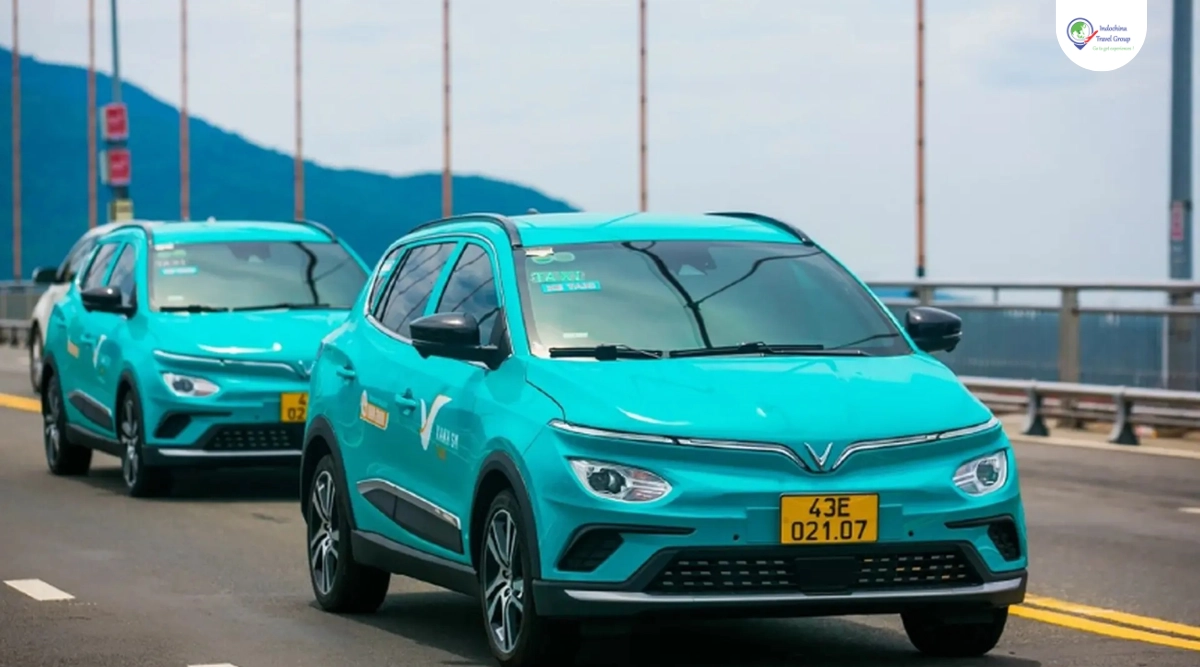
Ride-hailing apps and reputable taxi operators can make city trips easier because the pickup and destination are recorded in the app or meter. Availability varies by city and time, so keep more than one option.
- Check the vehicle and driver details before entering a booked car or motorbike taxi.
- If using a motorbike taxi, wear the supplied helmet and confirm your insurance position.
- Public buses and urban rail can be useful where the route matches your destination.
- For walking, use marked crossings, signals, pedestrian bridges or safer controlled points where available; do not assume approaching vehicles will stop.
Boats, ferries and island transfers
Ferries and speedboats matter for island routes and some Mekong itineraries. They are more sensitive to weather and operating conditions than normal city transport, so check the current service before building a tight onward connection.
- Confirm the actual departure pier and arrival pier.
- Allow margin for weather or schedule changes.
- Check baggage rules on smaller vessels.
- For sightseeing boats and cruises, distinguish between transport and an included tour experience.
How to book transport without depending on one platform
Use booking tools to compare options, but verify the service that will actually carry you. The important details are operator, terminal or station, baggage, pickup point, cancellation terms and the current departure time.
- Flights: compare schedules and fares, then check the operating airline’s current baggage and check-in rules before paying.
- Trains: use the current Vietnam Railways timetable or the operator named on the ticket for station, train number and berth details.
- Buses and limousine vans: an aggregator can help compare operators, but confirm the exact pickup/drop-off point and vehicle type because a city name alone may hide a long last-mile transfer.
- Ferries: confirm the actual pier, weather-sensitive operating status and onward road connection.
- City rides: ride-hailing and reputable taxi services are useful where available; keep the hotel address saved in case the app or mobile connection is not working.
There is no single booking lead time that works all year. Tet, public holidays, weekends and limited sleeper berths or cruise-linked transfers can tighten availability earlier than normal. If a specific departure is critical to the itinerary, secure it when the operator opens the suitable inventory and recheck the schedule before the travel day.
Safety and comfort on long transfers
Long journeys are easier when the operator, seat or berth and arrival time suit the traveller rather than simply being the cheapest available option.
- Keep documents and valuables with you: passports, phones, cash and essential medication should stay in a small bag you control rather than in checked or under-bus luggage.
- Use the safety equipment provided: wear a seat belt where available, use a proper helmet on any motorbike ride and follow crew instructions on boats and ferries.
- Choose overnight travel deliberately: compare berth type, vehicle layout, pickup time and the quality of sleep you realistically expect before using a night train or sleeper bus to save a hotel night.
- Carry a light layer and water: air-conditioned vehicles can feel cool on long journeys, and food availability varies by service and stop.
- Protect important connections: do not place a long road, ferry or overnight-bus leg immediately before an international flight without enough disruption margin.
Common point-to-point routes: which transport usually fits?
The best mode becomes clearer when you compare an actual leg instead of a national average. These are route patterns, not fixed schedules; recheck the operating service for your date.
| Route | Modes that usually make sense | Decision to make |
|---|---|---|
| Hanoi → Ninh Binh | Train, shared road transfer or private car | Rail works when the station and timetable suit you; road transfer is often simpler for countryside hotels. See the Ninh Binh guide. |
| Hanoi → Ha Long / Lan Ha cruise | Shared cruise transfer or private road transfer | Coordinate the road leg with the vessel’s embarkation time rather than booking the two separately. |
| Hanoi → Sapa | Road transfer, limousine/coach, or train to Lao Cai plus road transfer | Choose between direct road convenience and an overnight rail journey. Use the Sapa guide for the stay itself. |
| Hanoi → Ha Giang | Coach/limousine or private road transfer | This is a road-based mountain leg, so arrival time and recovery before the loop matter. See the Ha Giang guide. |
| Hue → Da Nang / Hoi An | Train or road transfer to Da Nang; road connection onward to Hoi An | Use rail when the Hai Van scenery and timetable are part of the day; use road when stops or hotel-to-hotel convenience matter more. |
| Da Nang → Hoi An | Taxi, ride-hailing or private transfer | This is a short road transfer; vehicle size and hotel pickup matter more than choosing between national transport systems. |
| Ho Chi Minh City → Mekong Delta | Road transfer, coach or organised day/overnight transport | Ben Tre and Can Tho need different amounts of time, so choose the destination before choosing the vehicle. |
| Ho Chi Minh City → Phu Quoc | Flight, or road connection to a ferry route | Compare total door-to-door time, sea conditions and where the wider southern route already takes you. |
For cross-country pacing, use the Vietnam north-to-south itinerary. Transport should support that route rather than decide the entire trip by itself.
Choose the transport mode leg by leg
Most Vietnam trips work best with a mix: fly a long regional hop when it protects usable holiday time, take the train when the journey itself is worth the hours, use road transfers for regional and last-mile connections, and keep city rides simple. Island and weather-sensitive sectors need more buffer than a normal urban transfer.
Once the overnight bases are clear, check the transport between them rather than choosing a mode first and forcing the route around it. Use the Vietnam itinerary guide for route planning, or compare our Vietnam Tour Packages if you want the main transfers coordinated with the hotels and activities.

Recommended Tours


Group Tour
Hanoi – Danang – Ho Chi Minh – Siem Reap 11D10N
Hanoi - Ninh Binh - Halong Bay Overnight On Cruise - Danang - Hoi An Ancient Town - Bana Hills - Golden Bridge - Ho Chi Minh - Cu Chi Tunnels - Siem Reap - Angkor Wat



Group Tour
Hanoi, Ha Long Bay, Da Nang & Hoi An 5 Days 4 Nights Tour
Hanoi Arrival - Hanoi City Tour - Ha Long Bay Day Cruise - Fly to Da Nang - Coconut Jungle - Hoi An Ancient Town - Ba Na Hills - Golden Bridge - Departure

Private Tour
Ho Chi Minh – Cu Chi Tunnels – Vung Tau Beach 4D3N
Ho Chi Minh - Cu Chi Tunnels - Vung Tau


Private Tour
Vietnam And Cambodia Discovery 18D17N
Hanoi - Ha Giang (The Far North) - Halong Bay - Hoi An - Hue - Ho Chi Minh City - Mekong Delta - Siem Reap (Angkor)


Private Tour
Ho Chi Minh City - Mekong Delta - Hoi An - Hue - Hanoi - Sapa - Halong Bay