

How to structure a 21-day Vietnam route
A three-week trip gives enough time to use multi-night bases instead of moving hotels every day. The useful planning choice is which slower extensions deserve time—mountains, caves, beaches or the Mekong—and which ones should be removed so the long transfers do not dominate the itinerary.
| Route phase | Practical role in a 21-day trip |
|---|---|
| Days 1–8 | Hanoi + Ninh Binh + one northern mountain direction such as Sapa. If Ha Giang is the priority, give it more road days and remove another northern stop. |
| Days 9–10 | Ha Long or Lan Ha Bay when an overnight cruise fits the wider transfer plan. |
| Days 11–17 | Central Vietnam: Phong Nha only if caves are a priority, then Hue, Da Nang and Hoi An. |
| Days 18–21 | Ho Chi Minh City + one Mekong or coast decision, with enough buffer for the international departure. |

A north-to-south spine can work when the international flights support it, but the reverse direction is equally valid. Compare the current domestic flight, rail and road schedules for the exact dates. The point is to reduce backtracking and protect usable days, not to hit a fixed number of flights or a prescribed scenic transfer. If that directional choice is still open, compare the dedicated Vietnam north-to-south itinerary.
READ MORE: Vietnam Itinerary – The Complete Guide
A practical 21-day Vietnam itinerary
Days 1–8 — Hanoi, Ninh Binh and one mountain direction

Days 1 – 3: Hanoi – The cultural cradle
Hanoi is a city that requires patience to love. Spend your first days wandering the 36 streets of the Old Quarter, where each lane is named after the craft once practiced there. The Temple of Literature and Hoan Kiem Lake give useful historical context, while smaller neighbourhood walks, local food stops or specialist heritage visits can add depth when they fit the traveller’s interests and the actual operating conditions.Days 4 – 5: Ninh Binh – river, karst and heritage
Ninh Binh works well after Hanoi because the road connection is short enough to preserve most of the day. We normally choose one boat route at Trang An or Tam Coc, then use the remaining time for Mua, Hoa Lu, Bich Dong or cycling according to weather and pace. Staying overnight is useful when you want quieter early or late hours rather than turning the province into a long return excursion from Hanoi.Days 6 – 8: Sapa and the northern mountain section
This is the point where we would decide whether the trip really has room for both Sapa and Ha Giang. They are not interchangeable and the road connection takes real time. If Ha Giang is included, we treat its mountain-road days as a separate section of the itinerary rather than a quick extension after Sapa. For many travellers, choosing one of the two creates a better-paced 21-day route.Days 9–17 — Ha Long/Lan Ha Bay and Central Vietnam
Use the middle section for one bay or cruise decision, Phong Nha if caves are a real priority, and the Hue–Da Nang–Hoi An heritage-and-coast core. This is the part of the itinerary where transfer order matters most, so the exact sequence should follow the current flight, rail and road connections.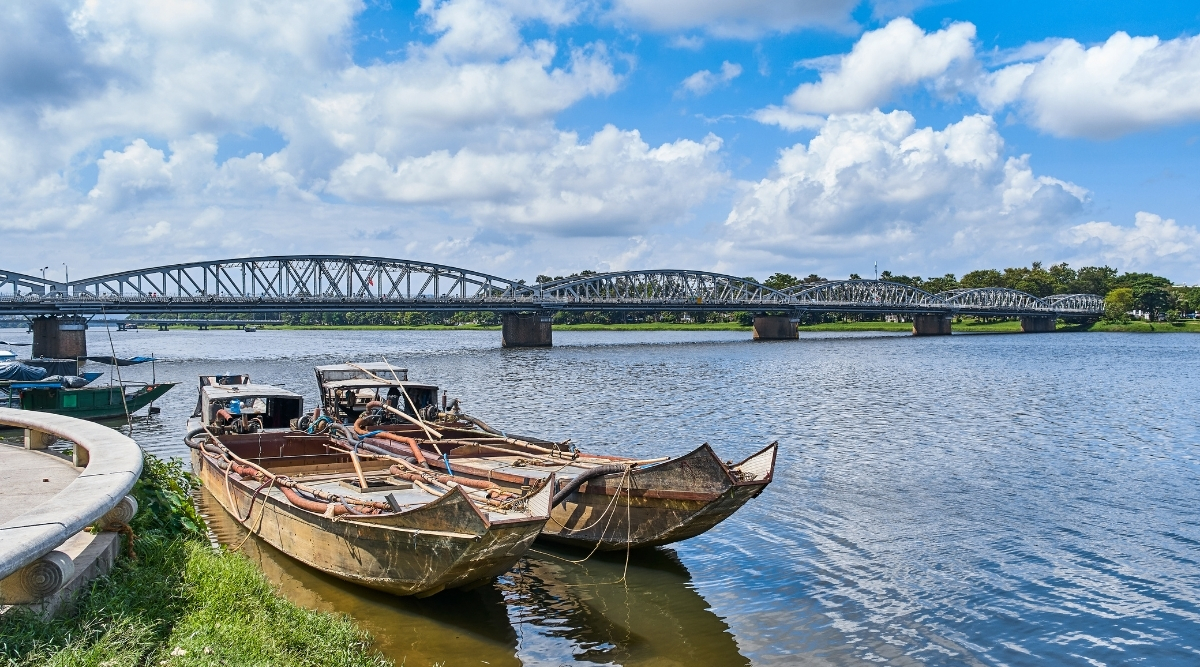
Days 9–10: Ha Long or Lan Ha Bay
Choose the bay from the actual cruise route, embarkation point, cabin, activity programme and current operating conditions. Lan Ha is not automatically quieter than Ha Long on every date. A one- or two-night cruise should earn its place against the transfer time and the other northern or Central stops in the itinerary.Days 11–13: Phong Nha-Ke Bang
Give Phong Nha its own stop only when caves or guided outdoor activities are a major reason for the trip. Paradise Cave, Phong Nha Cave and specialist trekking products have very different time, fitness and booking requirements, so choose the exact activity first and then decide how many nights the national-park section needs.Days 14–17: Hue, Da Nang and Hoi An
Use Hue for the Citadel and one or two royal-tomb decisions, then continue south according to the transport plan. The Hai Van Pass can make the transfer more scenic when weather, daylight and vehicle choice suit it; the tunnel or rail route may be more practical on other days. Keep at least one Hoi An evening free rather than fixing the arrival around a photo time.Days 18–21 — Southern Vietnam and the final departure buffer

Transition south after Hoi An: Finish the Central section by the end of Day 17, then use the final four days for Ho Chi Minh City and one southern side trip rather than adding another Central overnight.
Days 18–19: Ho Chi Minh City and the Mekong Delta
Use Ho Chi Minh City for the history, neighbourhoods and food that matter most to the traveller, then decide whether the remaining time supports a Mekong day trip or an overnight. Ben Tre can work for a shorter rural-and-river layer; Can Tho generally needs more time. Any motorbike food tour should be optional and checked against the traveller’s comfort, traffic exposure and the operator’s safety setup.Days 20–21: Final route decision
Use the final two days only for an extra coastal stop when the onward flight and transfer time make it worthwhile. Otherwise, keep them in Ho Chi Minh City or the Mekong section and reduce another hotel change.- Option A — Phu Quoc: Choose an island finish when the current flight schedule, sea conditions and remaining nights justify the extra transfer. Let the resort base and weather determine whether boat activities belong in the plan.
- Option B — Mui Ne: Use the mainland coast when dunes, beach time or wind-sport activity fit the traveller’s interests and the road transfer works with the final departure. Check current conditions and operator requirements for any specialist activity.
If you only have seven days, compare our 7-day Vietnam itinerary and reduce the number of regions rather than compressing a three-week route.
Planning essentials for a 21-day Vietnam itinerary

Weather by region
There is no single nationwide weather window for a three-week traversal. Northern temperatures, Central rain and storm exposure, and Southern wet–dry patterns need to be checked separately. Late-year travel in Central Vietnam can carry more disruption risk, but use current forecasts and transport status rather than treating September–November as an automatic no-go period.Transport and connectivity
- City transport: App-booked cars, clearly identified taxis and confirmed transfers can all work. Availability, payment support and vehicle type vary by city and account, so keep another option available.
- Connectivity: A local SIM or eSIM can help with maps and operator contact, but coverage varies by location. Save important booking details and hotel addresses offline before long road or mountain sectors.
Budgeting
Build the budget from the actual route, hotel category, room type, domestic transport, cruise or specialist activities, and private versus shared services. Three weeks can cost more or less than a shorter trip depending on how many flights, premium stays and guided days are included, so use the current written quotation rather than a fixed per-person range.READ MORE: Vietnam Travel Guide – Everything you need to know before visiting Vietnam
When does coordinated planning help on a three-week trip?
On a three-week route, one delayed sector can affect the next transfer, hotel check-in, cruise departure or guided activity. Coordination matters most when several booked services depend on one another.
If ITG is arranging the trip, the confirmed itinerary should make clear which hotels, transfers, guides, cruises and activities are included, which remain optional, and how to contact the local team if a booked service changes.
The same principle applies to community or locally operated activities: judge the experience by the actual provider and programme rather than by a broad label.
Conclusion
A 21-day Vietnam itinerary works best when the route leaves enough recovery time between major transfer days. Use the extra time to stay longer in fewer places rather than automatically adding every possible stop.If this pacing suits you, compare the available Vietnam Tour Packages or ask ITG to adapt the route around your arrival city, preferred hotel level and interests.
Recommended Tours


5D4N DELIGHT DANANG TOUR (DANANG – BA NA HILL FRENCH VILLAGE – HOI AN – HUE CITY) (SEAT IN COACH)

Group Tour
Phu Quoc Island 4 Days 3 Nights Group Tour
Phu Quoc Arrival - Grand World Tour - VinWonders Phu Quoc - Duong Dong Night Market - Sun World Hon Thom - Kiss Bridge - Phu Quoc Departure
Private
Phu Quoc 5D4N With Grand World
Phu Quoc - Grand World - Hon Thom Cable Car - 4 Island Tour - Aquatopia Water Park - Vin Wonders Theme Park - Vin Safari - Kiss Of The Sea Show

4D3N HIGHLIGHT OF MIDDLE OF VIETNAM (SEAT IN COACH)



Private Tour
Vietnam And Cambodia Discovery 18D17N
Hanoi - Ha Giang (The Far North) - Halong Bay - Hoi An - Hue - Ho Chi Minh City - Mekong Delta - Siem Reap (Angkor)