

Strategic planning: The Vietnam and Cambodia itinerary (10 – 14 days) combo
Planning a two-country trip means balancing sightseeing time against border crossings, flights and hotel changes. In 10–14 days, the route usually works better when you prioritize a few Vietnam regions and a focused Cambodia section rather than trying to cover every major stop. Two useful planning frameworks are:- 10-day highlights route: Keep Vietnam selective, then finish with Siem Reap. This can work for travellers who accept a faster pace and fewer free days.
- 14-day route: Use the extra time for another Vietnam stop, a slower Mekong section, Phnom Penh, or more time around Angkor instead of simply adding more cities.
READ MORE: Vietnam Itinerary – The Complete Guide
Choose the route direction around your flights
Hanoi → Central Vietnam → Ho Chi Minh City → Cambodia is a logical north-to-south sequence when your international flights support it, but it is not automatically the best direction for every trip. Starting in Cambodia and finishing in Vietnam can be equally practical. Compare international arrival and departure airports, regional weather and the number of internal flights before fixing the direction.
Flight or Mekong route between Vietnam and Cambodia?
Flying is usually the simplest option when time is limited. Travellers who want a slower Mekong route can compare services between southern Vietnam and Phnom Penh, but schedules, border procedures and operating conditions should be checked for the actual travel date before the itinerary is confirmed.READ MORE: VIETNAM AND CAMBODIA DISCOVERY 18 DAYS/17 NIGHTS
Sample Vietnam–Cambodia route structure
Phase 1 – Northern Vietnam (Days 1–4)
A north-to-south version can begin with Hanoi and an overnight bay cruise, with Ninh Binh added when the total trip length allows. Keep this section compact if Cambodia is an important part of the same 10–14 day journey.Hanoi – The living history book
Spend your first two days immersing yourself in the Old Quarter and the Temple of Literature. At Indochina Travel Group, our guides don’t just show you buildings; they share the “hidden alleyway” stories. We might take you to a 19th-century courtyard for Egg Coffee or show you the secret WWII bunkers hidden beneath the city’s heritage hotels.Ha Long Bay and Lan Ha Bay
Ha Long Bay and Lan Ha Bay both offer overnight cruise options. Choose between them by embarkation point, vessel, cabin, route and activity programme rather than assuming one bay is always quieter.Ninh Binh (The 14-day addition)
If you have the full two weeks, we include a day in Ninh Binh. Known as “Ha Long Bay on Land,” you will take a sampan ride through the Trang An UNESCO site, where local rowers guide you through flooded caves, followed by a hike up Hang Mua Peak for a panoramic view of the Ngo Dong River winding through rice fields.
Phase 2 – Central and Southern Vietnam (Days 5 – 10)
As you move into the middle of your Vietnam and Cambodia itinerary (10 – 14 days), the temperature rises and the history becomes more modern and water-focused. This phase transitions you from the imperial grace of the center to the resilient energy of the south. This section of the trip provides a stark contrast to the misty North, offering white-sand beaches and the agricultural heart of the country.Hoi An – The lantern-lit sanctuary
Hoi An can add heritage, food and a slower walking-scale stop between northern and southern Vietnam. If you have enough time, a countryside cycling or village visit can provide a useful contrast to the Ancient Town; otherwise, keep the stay focused rather than adding activities simply to fill the schedule.Ho Chi Minh City (Saigon) and the Cu Chi Tunnels
Ho Chi Minh City can work as the final Vietnam gateway before Cambodia. The War Remnants Museum, Cu Chi Tunnels and city neighbourhoods suit different interests; choose activities according to the time available and the onward connection rather than treating every stop as essential.The Mekong Delta (Can Tho)
An overnight Mekong Delta stop can make sense when you want to travel toward Cambodia more gradually, but it adds another hotel change. Compare Can Tho or Chau Doc with a direct flight from Ho Chi Minh City before deciding whether the Mekong section improves the overall route.
Phase 3 – Cambodia, The Kingdom of Wonder (Days 11 – 14)
The Cambodia section usually focuses on Siem Reap, with Phnom Penh added when the trip length and route justify it. The number of nights matters more than treating Cambodia as a fixed “finale”: allow enough time for the Angkor complex and avoid compressing major historical sites into an already crowded transfer day.Phnom Penh – Resilience and royalty
A brief but essential stop. We visit the Royal Palace with its Silver Pagoda, followed by a respectful visit to the Killing Fields (Choeung Ek) and the S-21 Tuol Sleng Genocide Museum. While these sites are heavy, they are vital for understanding how the Cambodian people have rebuilt their nation with such grace and kindness.
Siem Reap – The Grand Finale (Angkor Complex)
This is why you are here. We structure your Angkor exploration over three days to avoid “temple fatigue”:- Day 1: The classic sunrise at Angkor Wat, followed by the 216 giant stone faces of Bayon.
- Day 2: The “Tomb Raider” jungle temple of Ta Prohm, where tree roots have literally swallowed the stone, and the intricate pink sandstone carvings of Banteay Srei.
- Day 3: A boat trip to the Tonle Sap floating villages or a visit to local Artisan Workshops.
READ MORE: COMBINATION CAMBODIA AND VIETNAM 16 DAYS/15 NIGHTS
Planning essentials and logistics for a Vietnam and Cambodia Itinerary (10 – 14 days)
Managing a multi-country trip is vastly easier than it was a decade ago, provided you understand the current “Smart Tourism” tools and cross-border protocols. To keep your journey seamless, you must consider the logistics of moving between two different governments and currencies.
Cross-border transport and entry planning
- Flights: Compare current services between your final Vietnam city and Phnom Penh or Siem Reap for the actual travel date.
- Mekong route: River and overland options can be useful for some southern itineraries, but schedules and border procedures should be reconfirmed before booking.
- Entry requirements: Vietnam and Cambodia have separate immigration rules. Check the current official requirements for your passport and entry point; do not assume that a visa arrangement for one country covers the other.
What changes the price of a Vietnam–Cambodia itinerary?
The useful comparison is the final service scope rather than a generic daily budget. Price changes with travel dates, hotel level, number of internal or cross-border flights, cruise category, private versus shared services, guide coverage and how many one-night stops are built into the route.
- Hotel category and room type
- Private or shared transport and guiding
- Domestic and international regional flights included in the quotation
- Ha Long or Lan Ha Bay cruise category
- Phnom Penh inclusion versus a direct Vietnam–Siem Reap route
- Meals, entrance fees and optional experiences listed in the confirmed itinerary
How ITG plans a two-country route
For a traveller-facing Vietnam–Cambodia trip, the useful operational question is whether the confirmed services connect cleanly across both countries. ITG can coordinate the land arrangements shown in the final itinerary and quotation, with the service scope made clear before confirmation.
- Route first: reduce unnecessary backtracking and one-night stops.
- Clear inclusions: confirm which hotels, transfers, guides, cruises, regional flights and meals are included.
- Pace: adapt walking time, free time and hotel changes for families, couples or travellers who prefer a slower journey.
READ MORE: Vietnam Travel Guide – Everything you need to know before visiting Vietnam
Choose the route before adding more stops
For 10–14 days, a selective Vietnam–Cambodia route is usually more useful than trying to include every major city in both countries. Decide first how much of Vietnam you want to cover, whether Phnom Penh is part of the trip and how you prefer to cross the border. Then compare the matching Vietnam and Cambodia Tour Packages or use the Indochina multi-country tours hub if you are still considering Laos as well.

Recommended Tours

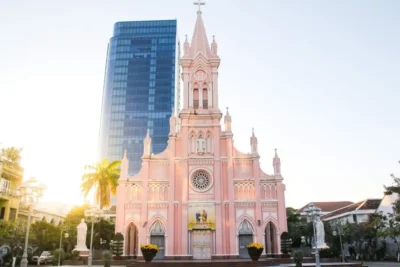
5D4N DELIGHT DANANG TOUR (DANANG – BA NA HILL FRENCH VILLAGE – HOI AN – HUE CITY) (SEAT IN COACH)


Group Tour
Phu Quoc Island 4 Days 3 Nights Group Tour
Phu Quoc Arrival - Grand World Tour - VinWonders Phu Quoc - Duong Dong Night Market - Sun World Hon Thom - Kiss Bridge - Phu Quoc Departure
Private
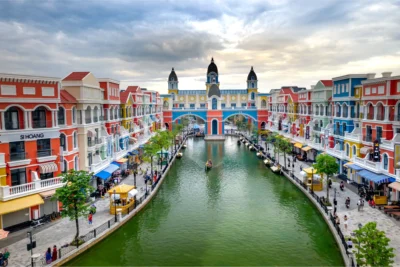
Phu Quoc 5D4N With Grand World
Phu Quoc - Grand World - Hon Thom Cable Car - 4 Island Tour - Aquatopia Water Park - Vin Wonders Theme Park - Vin Safari - Kiss Of The Sea Show
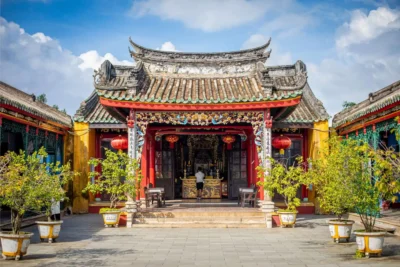
4D3N HIGHLIGHT OF MIDDLE OF VIETNAM (SEAT IN COACH)


Private Tour
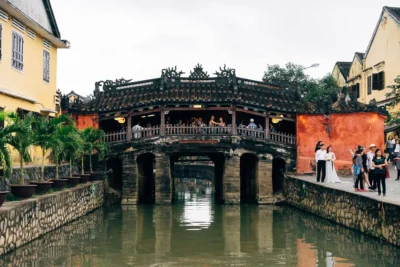
Vietnam And Cambodia Discovery 18D17N
Hanoi - Ha Giang (The Far North) - Halong Bay - Hoi An - Hue - Ho Chi Minh City - Mekong Delta - Siem Reap (Angkor)